
In the vast and interconnected landscape of technology, the term “gateway” is frequently encountered, yet its precise definition and significance can sometimes elude even seasoned professionals. Far from being a mere buzzword, a gateway represents a fundamental component that enables communication, interaction, and functionality across diverse systems and networks. Understanding what a gateway is, how it operates, and its various applications is crucial for navigating the complexities of modern digital infrastructure. At its core, a gateway acts as an intermediary, a translator, and a gatekeeper, facilitating the seamless exchange of data between disparate environments.
The Core Functionality: Bridging Disparate Networks
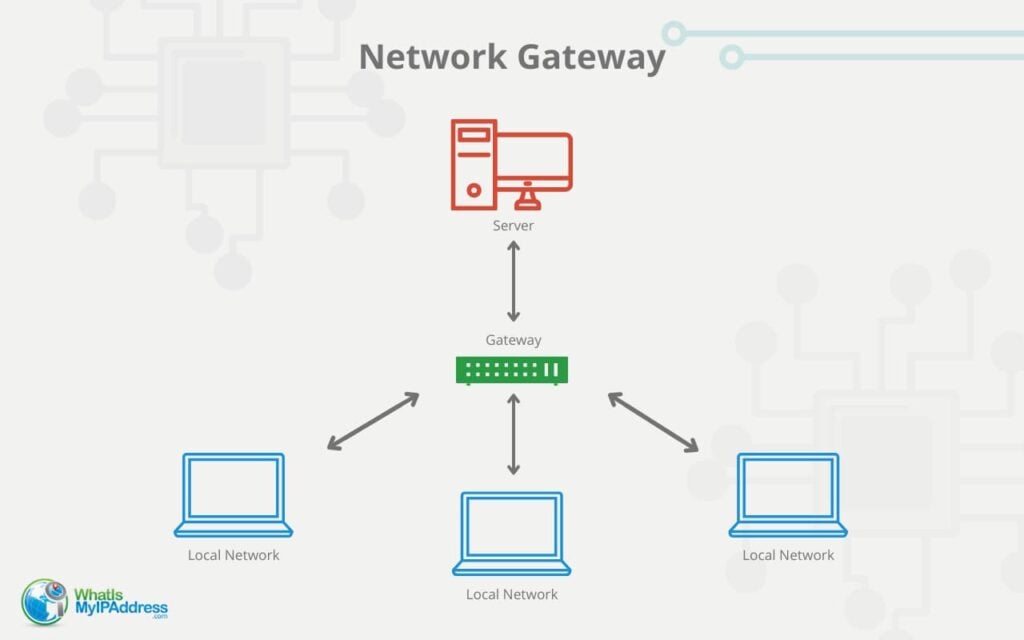
At its most fundamental level, a gateway serves as a vital link between two or more distinct networks that would otherwise be unable to communicate. These networks might operate on different protocols, use different addressing schemes, or even reside in physically separate locations. Without a gateway, data packets attempting to traverse between these networks would be lost or misinterpreted, rendering any form of inter-network communication impossible.
Protocol Translation: The Language of Networks
One of the primary functions of a gateway is to perform protocol translation. Networks often employ their own unique sets of rules and languages, known as protocols, to govern how data is formatted, transmitted, and received. Consider the analogy of human languages: a French speaker and a Japanese speaker cannot understand each other directly. A translator is needed to bridge this linguistic divide. Similarly, a gateway acts as a protocol translator, converting data from the format of one network’s protocol into the format understood by another.
For instance, a common scenario involves bridging a local area network (LAN) that uses IP (Internet Protocol) with a wider area network (WAN) or the internet, which also relies heavily on IP. However, more complex translations might involve converting data between protocols like IP and older or more specialized protocols used in industrial control systems, embedded devices, or specific enterprise applications. This translation ensures that data maintains its integrity and meaning as it moves from one environment to another.
Address Translation: Navigating Unique Identifiers
Another critical role of a gateway is in address translation. Every device on a network is assigned a unique identifier, an IP address, that allows other devices to locate and communicate with it. However, different networks might use different addressing schemes. For example, a private network within an organization might use private IP addresses (like those starting with 192.168.x.x), which are not directly routable on the public internet.
A gateway, such as a router in a home or office, performs Network Address Translation (NAT). NAT allows multiple devices on a private network to share a single public IP address when accessing the internet. The gateway keeps track of which internal device initiated which connection, translating the public IP address back to the correct internal IP address when responses come back. This not only conserves public IP addresses but also adds a layer of security by masking the internal network’s structure from the outside world.
Packet Filtering and Routing: Directing the Flow of Information
Gateways are also responsible for intelligent routing and packet filtering. When a data packet arrives at a gateway, the gateway examines its destination address. Based on its routing tables and configured policies, it determines the most efficient path for that packet to reach its intended destination. This involves making decisions about which network interface to send the packet out on and how to direct it towards the next hop in its journey.
Beyond simple routing, gateways can also act as filters. They can be configured to block or allow specific types of traffic based on IP addresses, ports, or even the content of the data packets. This is a fundamental aspect of network security, preventing unauthorized access, malicious attacks, and the transmission of unwanted data. Firewalls, often integrated into or acting as gateways, are prime examples of this filtering capability.
Types of Gateways: A Diverse Technological Landscape
The concept of a gateway is not monolithic; it manifests in various forms, each tailored to specific technological needs and applications. Understanding these different types provides a more nuanced appreciation of their role in the digital ecosystem.
Network Gateways: The Cornerstones of Connectivity
Network gateways are the most widely recognized type, primarily concerned with enabling communication between different networks. Routers, as mentioned earlier, are a quintessential example of network gateways. They connect a local network to the internet or to another network segment. However, network gateways can also be specialized devices or software that bridge networks with fundamentally different architectures, such as connecting an on-premises network to a cloud-based infrastructure.
In enterprise environments, network gateways often play a critical role in segmenting internal networks for security and management purposes. For instance, a gateway might separate the finance department’s network from the marketing department’s, with specific access controls and traffic policies enforced at this boundary. This ensures that sensitive data remains protected and that network performance is optimized by reducing unnecessary traffic congestion.
Application Gateways: Facilitating Inter-Application Communication
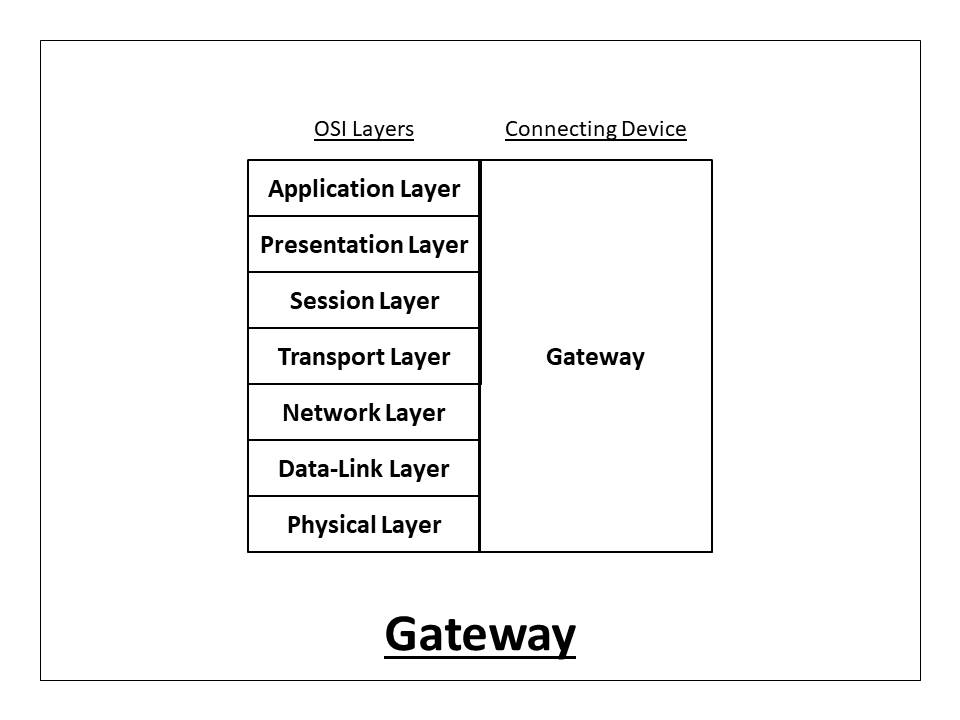
Moving beyond network-level communication, application gateways focus on enabling different software applications to interact with each other, especially when they are built using different technologies or reside on different platforms. These gateways act as intermediaries for application programming interfaces (APIs), translating requests and responses between applications that might not have native compatibility.
Consider a scenario where a web application needs to retrieve data from a legacy database system. An application gateway can be implemented to receive requests from the web application, translate them into the format understood by the database, fetch the data, and then translate the data back into a format the web application can process. This abstracts the complexity of the underlying systems, allowing developers to build more integrated and feature-rich applications without needing deep knowledge of each individual system’s internal workings. This is particularly relevant in microservices architectures, where different services need to communicate efficiently.
IoT Gateways: Connecting the Physical and Digital Worlds
The explosion of the Internet of Things (IoT) has given rise to a crucial type of gateway: the IoT gateway. These devices act as a bridge between a multitude of IoT devices (sensors, actuators, smart appliances, etc.) and the broader internet or cloud platforms. IoT devices often operate on low-power, short-range communication protocols (like Bluetooth Low Energy or Zigbee) and may not have direct internet connectivity.
An IoT gateway collects data from these local devices, aggregates it, and then transmits it to a central server or cloud platform, often using more robust protocols like Wi-Fi, Ethernet, or cellular networks. The gateway can also receive commands from the cloud and translate them into instructions that the local IoT devices can understand and execute. This function is vital for managing and processing the massive amounts of data generated by IoT ecosystems, enabling remote monitoring, control, and analysis of physical environments. Furthermore, IoT gateways can perform local data processing (edge computing), filtering out redundant data or performing preliminary analysis before sending it to the cloud, thereby reducing bandwidth requirements and latency.
Message Queues and Middleware Gateways: Asynchronous Communication Bridges
In more complex distributed systems, message queues and middleware often function as gateways for asynchronous communication. Instead of direct point-to-point communication, applications send messages to a central queue. Gateways or brokers then manage the distribution of these messages to subscribing applications. This decouples applications, allowing them to operate independently and at their own pace.
These gateways ensure that messages are reliably delivered, even if some applications are temporarily unavailable. They can handle message transformation, routing based on message content, and manage the flow of data between different parts of a distributed system. This is essential for building scalable, resilient, and responsive applications, particularly in large-scale enterprise software and cloud-native architectures.
The Strategic Importance of Gateways in Modern Technology
The role of gateways extends far beyond mere technical connectivity; they are strategic enablers of innovation, efficiency, and security in the digital realm. Their presence is fundamental to the operation of the internet, enterprise networks, and emerging technologies.
Enabling Interoperability and Integration
At their heart, gateways are about enabling interoperability. They break down the silos that can exist between different technologies, systems, and applications. This is critical for organizations seeking to integrate disparate legacy systems with modern cloud services, or for manufacturers aiming to connect diverse industrial equipment. Without gateways, the seamless flow of information required for complex operations and comprehensive data analysis would be impossible. They are the unsung heroes that make the interconnectedness we rely on possible.
Enhancing Security and Access Control
Gateways are often the first line of defense in network security. By acting as a controlled entry and exit point, they allow for the implementation of robust security policies. Firewalls, intrusion detection systems, and VPN concentrators are frequently deployed as or within gateway devices. They can inspect incoming and outgoing traffic, block malicious attempts to access networks, and authenticate users and devices before granting access. This centralized control point simplifies security management and provides a more effective way to protect valuable data and critical infrastructure.
Facilitating Scalability and Performance
The intelligent routing and traffic management capabilities of gateways are essential for scaling networks and applications. As the volume of data and the number of connected devices grow, gateways can optimize data flow, prioritize critical traffic, and prevent bottlenecks. In distributed systems, message queue gateways ensure that the system can handle increased load by allowing components to process messages at their own speed without overwhelming each other. This ability to manage and direct traffic efficiently is paramount for maintaining high performance and ensuring that systems can grow to meet demand.

Driving Innovation in Emerging Technologies
Emerging technologies heavily rely on gateways to function. The aforementioned IoT gateways are critical for the expansion of smart cities, connected vehicles, and industrial automation. Similarly, in the realm of edge computing, gateways are deployed closer to data sources to perform local processing, reducing reliance on centralized cloud infrastructure and enabling real-time decision-making. As technologies like 5G and beyond become more prevalent, gateways will continue to evolve, playing an even more significant role in connecting diverse devices and enabling new, sophisticated applications.
In conclusion, gateways are indispensable components of our digital infrastructure. They are the unseen bridges that connect the fragmented pieces of our technological world, enabling communication, ensuring security, and driving innovation. From the routers in our homes to the sophisticated middleware in enterprise systems, gateways are fundamental to how we interact with information and with each other in the 21st century. Their continued evolution will undoubtedly shape the future of technology, making them a subject of ongoing fascination and critical importance.
aViewFromTheCave is a participant in the Amazon Services LLC Associates Program, an affiliate advertising program designed to provide a means for sites to earn advertising fees by advertising and linking to Amazon.com. Amazon, the Amazon logo, AmazonSupply, and the AmazonSupply logo are trademarks of Amazon.com, Inc. or its affiliates. As an Amazon Associate we earn affiliate commissions from qualifying purchases.