
The phrase “futures stocks” often causes confusion among those new to the investment landscape. While intuitively it might suggest a futuristic type of stock, the more accurate term is futures contracts, which are distinct financial instruments that can, in some cases, be based on individual stocks or stock indices. Understanding the fundamental differences between stocks and futures contracts is crucial for any aspiring investor or market enthusiast. This exploration will demystify futures, explain their mechanics, uncover their strategic uses, and highlight the critical risks involved, ensuring you gain a professional and insightful understanding of this powerful investment vehicle.
Understanding Futures Contracts: A Foundation
To truly grasp what futures are, we must first establish a clear understanding of their definition and core characteristics, separating them from the more commonly understood concept of traditional stocks.
Clarifying the Terminology: Futures Contracts, Not “Futures Stocks”
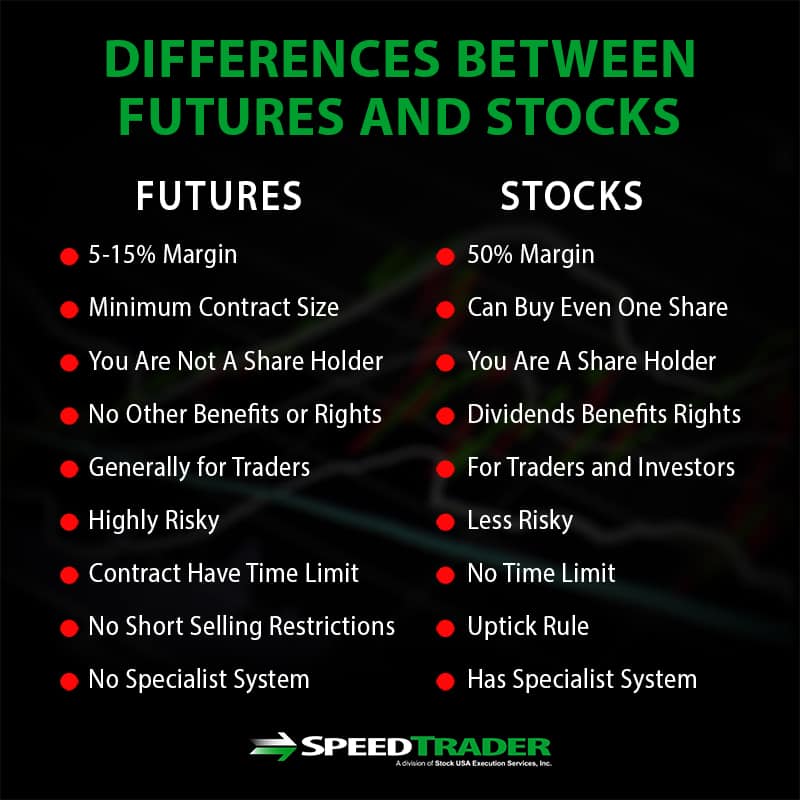
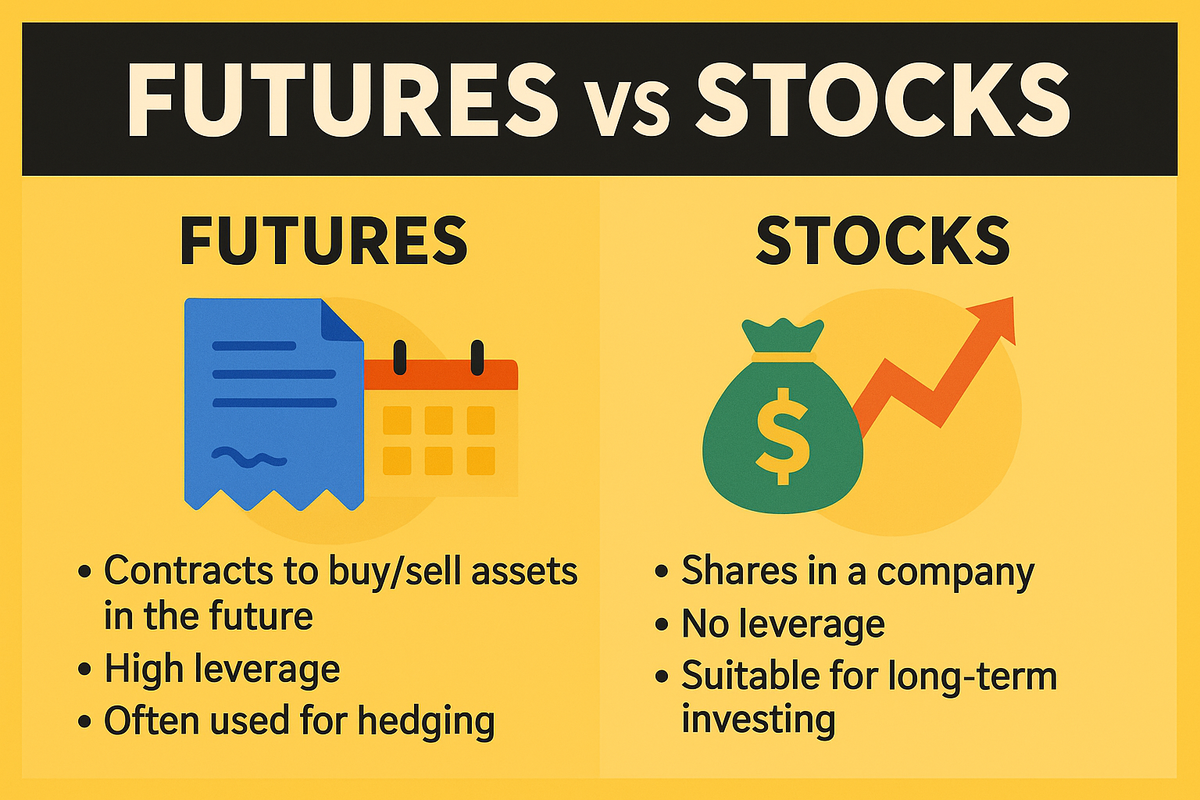
Let’s begin by correcting the terminology. There isn’t a specific asset class known as “futures stocks.” Instead, what we are referring to are futures contracts. A stock represents ownership in a company; when you buy a share of Apple or Microsoft, you own a tiny piece of that corporation. Futures, on the other hand, are agreements to buy or sell an asset at a predetermined price on a specified future date. The asset itself is not the contract, but rather the underlying instrument on which the contract is based. These underlying assets can range widely, from commodities like oil and gold to financial instruments such as currency pairs, interest rates, and yes, even stock indices or individual stocks.
Definition and Core Characteristics
A futures contract is a standardized legal agreement to buy or sell something at a predetermined price at a specified time in the future. These contracts are traded on organized exchanges, ensuring transparency and liquidity. Key characteristics include:
- Standardization: Futures contracts have uniform specifications regarding the quantity and quality of the underlying asset, delivery procedures, and maturity dates. This standardization facilitates trading and comparison.
- Obligation: Unlike options, which give the holder the right but not the obligation to buy or sell, futures contracts represent a firm obligation. The buyer (long position) is obligated to purchase, and the seller (short position) is obligated to deliver, unless the position is closed out before expiration.
- Leverage: Futures trading typically involves significant leverage. Traders are not required to pay the full value of the contract upfront; instead, they deposit a smaller amount, known as margin, to control a much larger notional value. This amplifies both potential gains and losses.
- Daily Settlement (Mark-to-Market): Futures accounts are “marked to market” daily. This means that gains or losses are credited or debited to the trader’s account at the end of each trading day, based on the closing price of the contract.
Key Components of a Futures Contract
Every futures contract contains several crucial pieces of information that define its terms:
- Underlying Asset: The specific commodity, financial instrument, or index that the contract is based upon (e.g., crude oil, S&P 500 index, a specific equity share).
- Contract Size: The precise quantity of the underlying asset covered by one contract (e.g., 1,000 barrels of oil, 500 units of the S&P 500 index).
- Expiration Date: The specific date in the future when the contract matures and the obligation to buy or sell must be fulfilled or settled.
- Tick Size and Value: The minimum price fluctuation allowed for the contract and its corresponding monetary value.
- Initial Margin: The amount of money required to open a futures position.
- Maintenance Margin: The minimum equity that must be maintained in the account to keep the position open. If the account falls below this level, a margin call is issued.
How Futures Trading Works
Trading futures involves understanding the dynamics of long and short positions, the powerful role of leverage, and the various ways contracts are ultimately settled.
Taking Long and Short Positions
At its core, futures trading involves two primary positions:
- Going Long: A trader who “goes long” on a futures contract believes the price of the underlying asset will increase by the expiration date. They are obligated to buy the asset at the agreed-upon price. If the market price rises above their contract price, they profit.
- Going Short: Conversely, a trader who “goes short” believes the price of the underlying asset will decrease. They are obligated to sell the asset at the agreed-upon price. If the market price falls below their contract price, they profit. This ability to easily go short is a significant feature of futures, allowing traders to profit from declining markets without needing to own the underlying asset first.
Most futures traders do not intend to take or make physical delivery of the underlying asset. Instead, they close out their positions before expiration by taking an opposite trade (e.g., a long position is closed by selling an identical contract) to realize their profit or loss.
The Role of Leverage and Margin
Leverage is a double-edged sword that defines much of futures trading. When you trade futures, you’re not paying the full value of the underlying asset. Instead, you put up a relatively small percentage of the contract’s total value as initial margin. For example, to control a crude oil futures contract worth $50,000, you might only need to deposit $3,000 in margin. This means you control a large position with a small capital outlay, significantly magnifying both potential gains and losses.
As mentioned, futures accounts are marked to market daily. If the market moves against your position, your account equity decreases. If it falls below the maintenance margin level, your broker will issue a margin call, demanding you deposit additional funds to bring your account back up to the initial margin level. Failure to meet a margin call can result in your position being automatically liquidated by the broker, often at a loss.
Settlement Mechanisms: Physical vs. Cash
When a futures contract reaches its expiration date, it must be settled. There are two primary methods of settlement:
- Physical Delivery: In this method, the seller of the contract physically delivers the underlying asset to the buyer. This is common for commodity futures like agricultural products (e.g., corn, wheat) or metals (e.g., gold, silver). However, due to the logistical complexities, most individual traders avoid physical delivery and close their positions before expiration.
- Cash Settlement: Many financial futures contracts, such as those based on stock indices, interest rates, or currencies, are cash-settled. This means that at expiration, instead of physical delivery, the difference between the contract price and the current market price of the underlying asset is settled in cash between the buyer and seller. This is a much simpler and more common form of settlement for speculative traders.
The Strategic Applications of Futures
Futures contracts are not merely speculative tools; they serve critical functions in modern financial markets, offering powerful strategies for risk management and profit generation.
Hedging: Protecting Against Price Fluctuations
One of the primary and most important uses of futures is hedging. Businesses and investors use futures to mitigate price risk associated with their core operations or existing portfolios.
- Producers and Consumers: A farmer can sell wheat futures contracts before harvest to lock in a price for their crop, protecting against a potential drop in wheat prices. Conversely, a bread manufacturer can buy wheat futures to lock in their input costs, guarding against future price increases.
- Portfolio Managers: An institutional investor holding a large portfolio of stocks might sell S&P 500 index futures to hedge against a broad market downturn. If the market falls, the losses in their stock portfolio might be offset by gains in their short futures position.
Hedging aims to reduce uncertainty and stabilize profitability, rather than maximizing speculative gains.
Speculation: Profiting from Price Predictions
While hedging is about risk reduction, speculation in futures is about actively seeking to profit from anticipated price movements. Speculators use technical analysis, fundamental analysis, and market sentiment to forecast whether the price of an underlying asset will rise or fall.
- Day Trading and Swing Trading: Futures markets are highly liquid and volatile, making them attractive to day traders and swing traders who aim to profit from short-term price fluctuations. The high leverage can lead to substantial gains (or losses) on small price moves.
- Macroeconomic Views: Traders with strong macroeconomic views might use currency futures to bet on exchange rate movements or interest rate futures to position themselves for changes in central bank policy.
It’s crucial to distinguish between informed speculation based on rigorous analysis and gambling. Responsible speculation involves disciplined risk management and a deep understanding of market dynamics.
Price Discovery and Market Efficiency
Beyond individual profit and loss, futures markets play a vital role in price discovery. The continuous trading of futures contracts, driven by the collective wisdom (and sometimes folly) of market participants, helps to establish current and future expected prices for a wide array of assets. These forward prices provide valuable information for businesses, governments, and investors in making planning and investment decisions. The high volume and global nature of futures trading contribute to overall market efficiency, ensuring that prices reflect all available information as quickly as possible.
Different Types of Futures Contracts
The versatility of futures contracts stems from the vast range of underlying assets they can cover. While the original question mentions “futures stocks,” it’s important to understand the broader landscape and then zoom into how equities fit in.
Commodity Futures: Tangible Assets
Commodity futures are among the oldest forms of futures trading. They involve tangible physical goods and are typically categorized:
- Agricultural Commodities: Grains (wheat, corn, soybeans), softs (coffee, sugar, cocoa, cotton), livestock (live cattle, hogs). These contracts are influenced by weather, crop yields, and global demand.
- Energy Commodities: Crude oil, natural gas, heating oil, gasoline. These are highly sensitive to geopolitical events, OPEC decisions, and global economic growth.
- Metals: Precious metals (gold, silver, platinum) and industrial metals (copper, aluminum). Gold and silver often serve as safe-haven assets, while industrial metals are tied to manufacturing and infrastructure development.
Financial Futures: Indices, Currencies, Interest Rates
Financial futures represent a massive segment of the futures market, offering exposure to various aspects of the financial system:
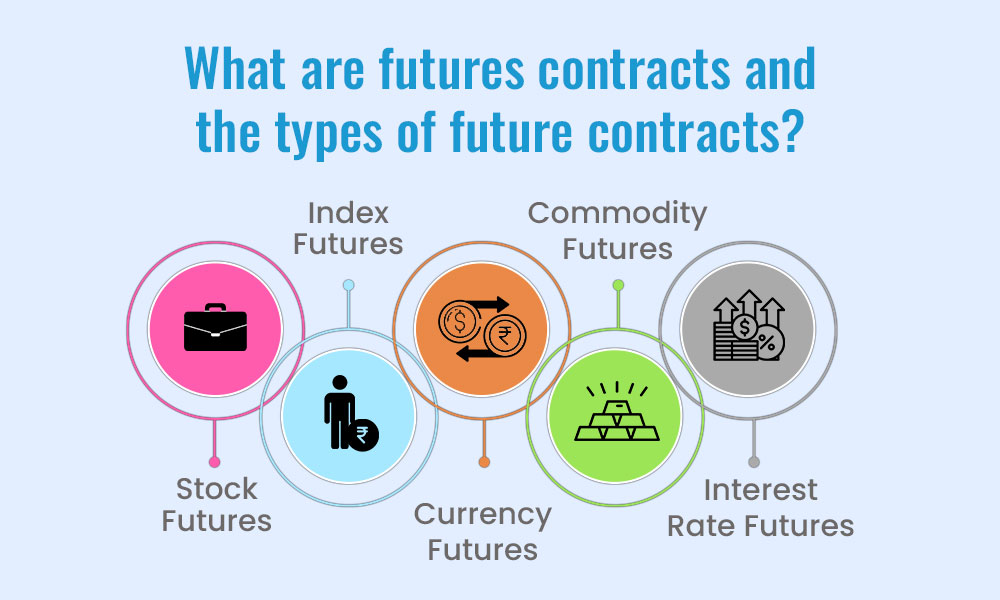
- Stock Index Futures: These are futures contracts based on broad market indices like the S&P 500, Nasdaq 100, Dow Jones Industrial Average, or FTSE 100. They allow investors to take a position on the overall direction of the stock market without buying individual shares. These are often what people vaguely refer to when thinking of “futures stocks” in a broader sense.
- Currency Futures (FX Futures): These contracts allow traders to speculate on or hedge against movements in exchange rates between two currencies (e.g., EUR/USD, USD/JPY). They are a significant tool for international businesses and currency speculators.
- Interest Rate Futures: Based on interest-bearing financial instruments like Treasury bonds or Eurodollars, these contracts are used to speculate on or hedge against changes in interest rates. They are crucial for banks, financial institutions, and bond traders.
Single Stock Futures: Direct Exposure to Equities
This category directly addresses the “stocks” component of our initial inquiry. Single Stock Futures (SSFs) are futures contracts where the underlying asset is a specific individual stock rather than an index or commodity.
- Mechanics: An SSF contract obligates the buyer to purchase, and the seller to deliver, a specific number of shares (often 100) of a particular company’s stock at a predetermined price on a future date.
- Advantages: SSFs offer high leverage on individual stocks, allow for easy short-selling, and can be used to hedge existing stock portfolios on a granular level.
- Disadvantages: While available in many international markets, SSFs are less common and less liquid in the United States compared to index futures or options on individual stocks. They carry the same high leverage risks as other futures contracts, amplified by the volatility of a single company’s shares.
Risks, Rewards, and Prudent Engagement
Futures trading presents opportunities for substantial gains, but it comes with equally significant risks. A professional approach demands a deep understanding of both.
The Amplified Nature of Gains and Losses
The high leverage inherent in futures trading means that even small price movements in the underlying asset can result in large percentage gains or losses on the initial margin deposited. If the market moves in your favor, profits can accrue rapidly. However, if the market moves against you, losses can quickly erode your capital, potentially exceeding your initial investment. It’s not uncommon for new traders to be wiped out due to underestimating the power of leverage.
Managing Margin Calls and Market Volatility
Market volatility is a constant in futures trading. Prices can swing dramatically in response to news, economic data, or unexpected events. This volatility, combined with leverage, increases the likelihood of margin calls. A margin call demands immediate additional funds to maintain your position, and failure to meet it will lead to forced liquidation by your broker, often at the worst possible time. Effective risk management strategies are paramount to navigate this environment, including setting stop-loss orders, position sizing, and diversifying (where appropriate) across different contracts.
Essential Steps for New Futures Traders
For those considering futures trading, a disciplined and cautious approach is essential:
- Thorough Education: Understand every aspect of futures contracts, their underlying assets, market dynamics, and the specific exchange rules. Read books, take courses, and utilize reputable educational resources.
- Start Small: Begin with a small amount of capital and trade smaller contract sizes (if available) or micro futures contracts to gain experience without risking significant funds.
- Develop a Trading Plan: Define your entry and exit strategies, risk tolerance, maximum loss per trade, and daily/weekly loss limits. Stick to this plan rigorously.
- Practice with a Demo Account: Most brokers offer demo or paper trading accounts that allow you to practice trading with virtual money in a live market environment. This is invaluable for testing strategies and getting comfortable with the platform without financial risk.
- Risk Management is Key: Never risk more capital than you can afford to lose. Implement strict stop-loss orders to limit potential losses on every trade. Understand how margin works and always maintain sufficient capital to avoid margin calls.
- Understand Your Psychology: Trading can be emotionally taxing. Learn to control fear and greed, stick to your plan, and avoid impulsive decisions.
In conclusion, “futures stocks” is a misnomer that points towards a more sophisticated investment realm: futures contracts. These powerful financial instruments offer incredible opportunities for hedging risk and speculating on future price movements across a vast array of assets, including commodities, currencies, interest rates, and stock indices, and even individual stocks via Single Stock Futures. However, the high leverage and inherent volatility demand a profound understanding of their mechanics, rigorous risk management, and continuous education. For the well-prepared investor, futures can be an invaluable addition to a diverse financial toolkit, but for the uninformed, they can be a perilous path to significant financial loss. Approach with knowledge, discipline, and respect for the market’s complexities.
aViewFromTheCave is a participant in the Amazon Services LLC Associates Program, an affiliate advertising program designed to provide a means for sites to earn advertising fees by advertising and linking to Amazon.com. Amazon, the Amazon logo, AmazonSupply, and the AmazonSupply logo are trademarks of Amazon.com, Inc. or its affiliates. As an Amazon Associate we earn affiliate commissions from qualifying purchases.