
Nucleic acids, deoxyribonucleic acid (DNA) and ribonucleic acid (RNA), are the fundamental information carriers of life. Beyond their biological significance, understanding their functions is paramount in the ever-evolving landscape of technology, particularly in areas like biotechnology, data storage, and even the very fabric of digital security. This exploration delves into the multifaceted roles of nucleic acids, highlighting their crucial contributions to technological innovation and the digital world we inhabit. From deciphering genetic code to pioneering novel data storage solutions, nucleic acids are quietly revolutionizing how we interact with information and shape our future.
The Blueprint of Life: DNA as the Master Code
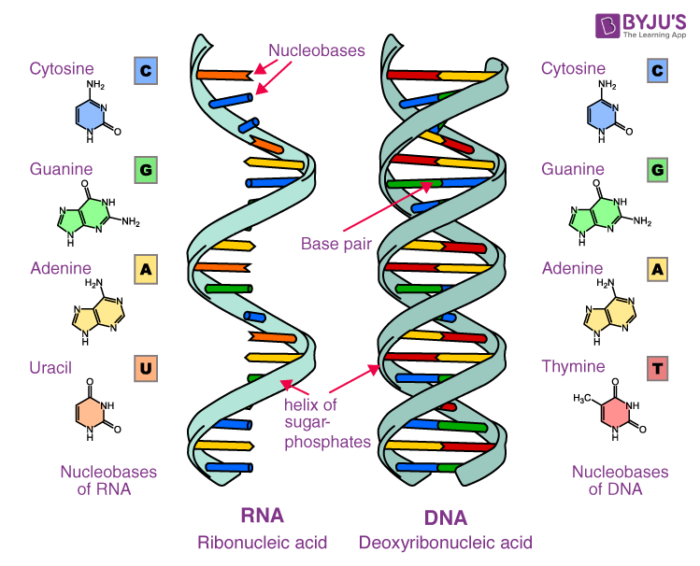
Deoxyribonucleic acid (DNA) stands as the cornerstone of genetic information, carrying the instructions for the development, functioning, growth, and reproduction of all known organisms and many viruses. Its unique double-helix structure, a marvel of molecular engineering, allows it to store vast amounts of data in a remarkably stable and compact form. The technological implications of understanding and manipulating DNA are profound, underpinning advancements across numerous scientific and industrial sectors.
Information Storage and Heredity
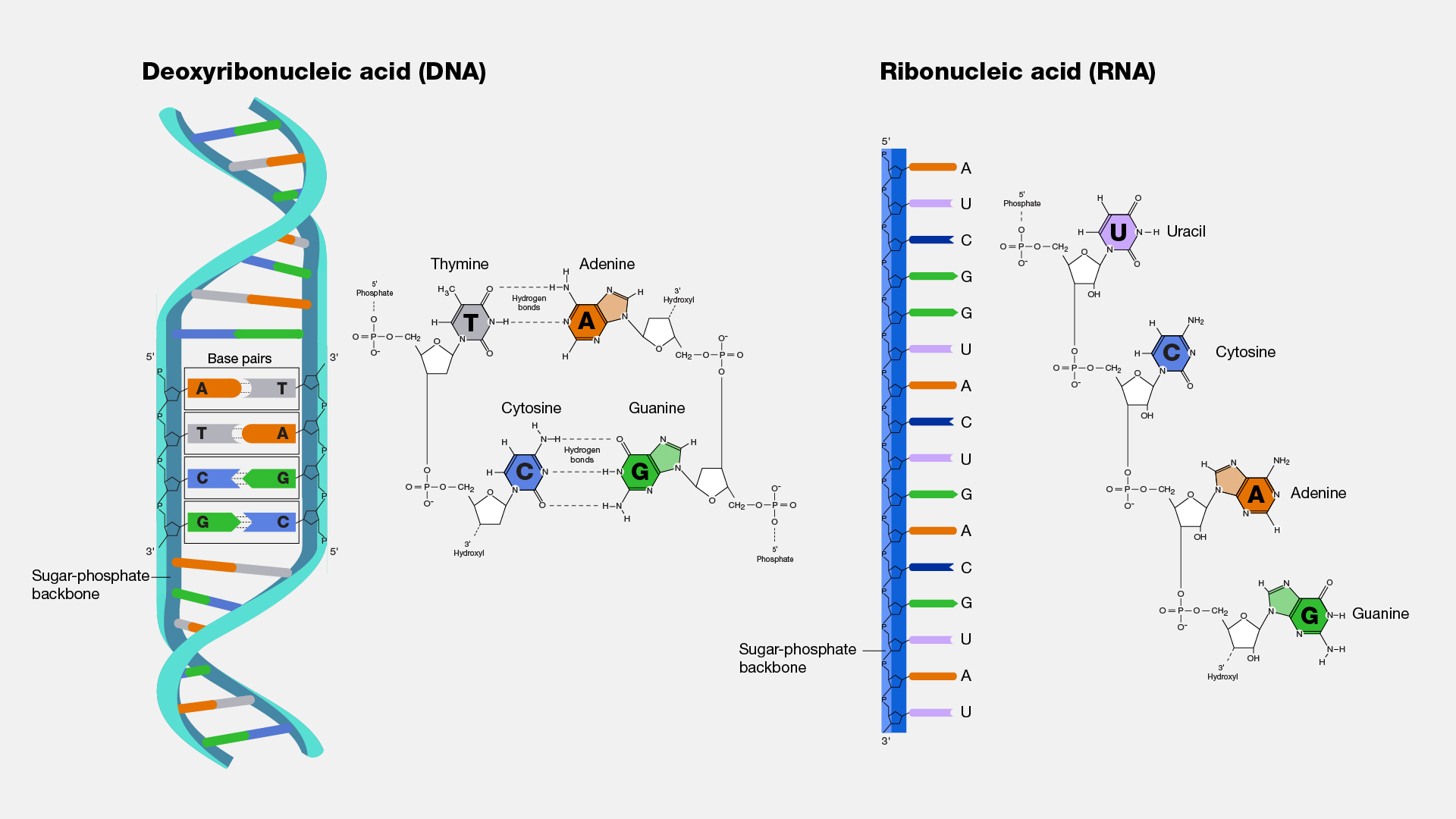
At its core, DNA’s primary function is to serve as the blueprint for life. The sequence of nucleotide bases – adenine (A), guanine (G), cytosine (C), and thymine (T) – acts as a molecular alphabet, encoding genetic instructions. This sequence dictates the production of proteins, which in turn carry out a myriad of cellular functions. This inherent information storage capacity is what allows for heredity, the transmission of traits from parents to offspring.
In the technological realm, this concept of information storage has sparked innovation. The ability to read, write, and edit DNA sequences is the foundation of genetic engineering and biotechnology. Techniques like Polymerase Chain Reaction (PCR) allow for the amplification of specific DNA segments, enabling diagnostics, forensic analysis, and research. Gene sequencing technologies, such as Next-Generation Sequencing (NGS), have drastically reduced the cost and time required to read an organism’s entire genetic code. This has revolutionized personalized medicine, allowing for tailored treatments based on an individual’s genetic makeup, and has accelerated the development of new drugs and therapies.
DNA in Digital Data Storage – A Paradigm Shift
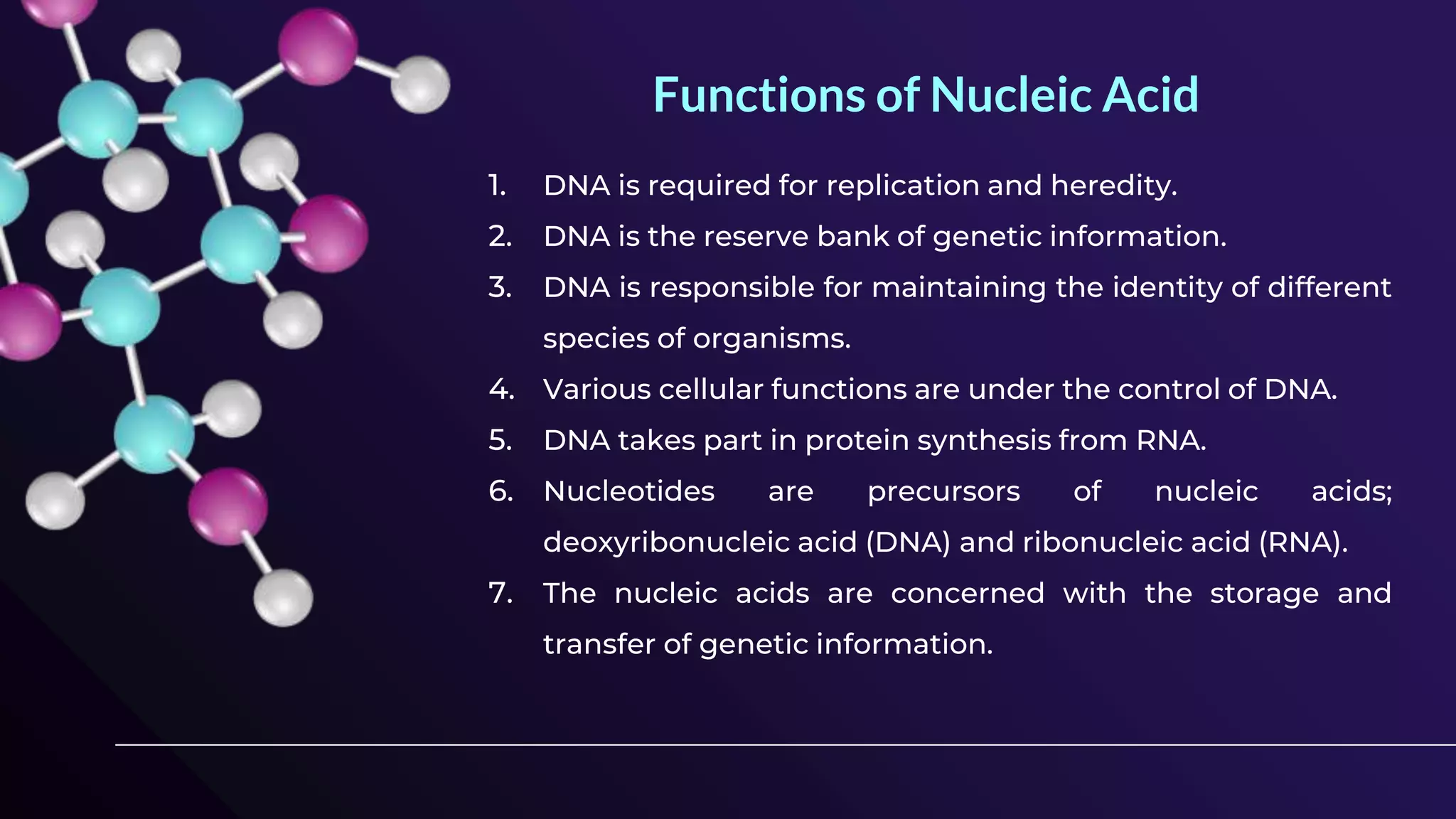
Beyond its biological role, DNA’s unparalleled density and stability have positioned it as a revolutionary medium for digital data storage. Traditional digital storage methods, like hard drives and flash memory, are prone to degradation over time and require significant energy for maintenance. DNA, on the other hand, can store an estimated exabyte of data in a gram of material and can remain stable for thousands of years under appropriate conditions.
Researchers are actively developing methods to encode digital information – binary code (0s and 1s) – into DNA sequences. This involves converting digital data into the four bases (A, T, C, G) and then synthesizing DNA strands that represent this encoded information. To retrieve the data, the DNA is sequenced, and the original digital information is decoded. This approach offers a potential solution to the ever-growing demand for data storage, promising incredibly dense, durable, and energy-efficient archiving solutions for humanity’s vast digital heritage. The technological challenges lie in developing efficient and cost-effective encoding and decoding mechanisms, as well as robust methods for data retrieval and error correction.
RNA: The Versatile Messenger and Regulator
Ribonucleic acid (RNA) plays a diverse set of critical roles in cellular processes, acting as a crucial intermediary between DNA and protein synthesis, and also functioning as regulatory molecules. Its structural versatility and dynamic nature make it a key player in a wide array of biotechnological applications.
Protein Synthesis: The Central Dogma in Action
One of RNA’s most fundamental functions is its role in protein synthesis, a process central to the “central dogma” of molecular biology. Messenger RNA (mRNA) molecules are transcribed from DNA templates in the nucleus and then travel to the ribosomes in the cytoplasm. Here, they serve as the instructions for assembling amino acids into specific proteins. Transfer RNA (tRNA) molecules then bring the correct amino acids to the ribosome based on the mRNA sequence, and ribosomal RNA (rRNA) forms the structural and catalytic core of the ribosome itself.
This intricate process has been harnessed by technology. The development of synthetic mRNA vaccines, like those for COVID-19, is a prime example of how understanding RNA’s function has led to life-saving innovations. These vaccines work by instructing cells to produce a harmless piece of a pathogen, triggering an immune response without causing illness. The rapid development and deployment of these mRNA vaccines underscore the power of leveraging biological mechanisms for immediate societal benefit. Furthermore, mRNA technology holds promise for a range of therapeutic applications, including cancer treatment and the development of gene therapies.
Regulatory Roles and Gene Expression Control
Beyond protein synthesis, various forms of RNA, such as microRNAs (miRNAs) and small interfering RNAs (siRNAs), act as crucial regulators of gene expression. They can bind to mRNA molecules, either preventing them from being translated into proteins or targeting them for degradation. This fine-tuning of gene activity is essential for cellular development, differentiation, and response to environmental cues.
Technologically, the ability to manipulate these regulatory RNAs opens up new avenues for therapeutic intervention. Researchers are exploring the use of small RNA molecules as drugs to silence disease-causing genes. For instance, therapies targeting specific miRNAs are being investigated for conditions ranging from cardiovascular disease to neurological disorders. The development of RNA interference (RNAi) technologies, which leverage these natural regulatory mechanisms, has become a powerful tool in molecular biology research and holds significant therapeutic potential for the future.
Nucleic Acids in the Digital Security Landscape
The unique properties of nucleic acids, particularly DNA, are also finding surprising applications in the realm of digital security, offering novel approaches to authentication and data protection.
DNA Barcoding and Authentication
The inherent variability and specificity of DNA sequences allow for unique identification, much like a barcode. DNA barcoding, a technique that uses a short, standardized region of DNA to identify species, is being explored for broader authentication purposes. In the context of digital security, this could involve creating DNA-based identifiers that are incredibly difficult to counterfeit.
Imagine a future where critical infrastructure or high-value assets are protected by DNA-based authentication systems. This could involve embedding DNA markers into physical objects or documents, which can then be verified using specialized DNA readers. This offers a layer of security far beyond traditional passwords or RFID tags, as replicating authentic DNA is extremely challenging. Furthermore, the concept of “DNA watermarking” is being explored, where unique DNA sequences are embedded within data files themselves, providing an irrefutable link to the origin or authenticity of the information.
Bio-Secure Data Transmission and Storage
The concept of using DNA for data storage also has implications for secure data transmission. By encoding sensitive information into DNA, it can be physically transported, offering a potentially more secure alternative to transmitting data over networks susceptible to cyberattacks. The challenge then shifts to ensuring the security of the physical transport and the DNA itself.
Furthermore, research is ongoing into creating “bio-secure” cryptographic systems that leverage the properties of DNA. While still in its nascent stages, this area explores how the complex chemistry and information-carrying capacity of nucleic acids could be integrated into advanced encryption and authentication protocols, offering novel solutions to protect sensitive digital information in an increasingly interconnected world.
The Future Frontier: Nucleic Acid-Based Technologies
The ongoing exploration of nucleic acid functions continues to unlock groundbreaking technological advancements. From the precision of gene editing to the potential for self-assembling nanomaterials, the future applications of nucleic acids are vast and transformative.
Gene Editing Technologies: Precision Molecular Surgery
CRISPR-Cas9 and other gene editing technologies have revolutionized our ability to modify DNA with unprecedented precision. These systems, inspired by naturally occurring bacterial defense mechanisms, allow scientists to target specific DNA sequences, cut them, and even insert or delete genetic material.
The technological impact of gene editing is immense. It is driving advancements in agriculture through the development of crops with enhanced yields and disease resistance. In medicine, it holds the promise of treating genetic diseases at their source, developing new cancer therapies, and creating more effective diagnostic tools. The ethical considerations surrounding gene editing are significant, but the underlying technology, rooted in understanding DNA’s functions, is undeniably a game-changer.
Nanotechnology and Molecular Machines
Nucleic acids, particularly DNA, are exceptionally well-suited for applications in nanotechnology due to their predictable self-assembly properties. DNA strands can be programmed to fold and bind to each other in specific ways, creating intricate nanoscale structures. This has led to the development of DNA origami, a technique that allows for the precise folding of DNA into complex 2D and 3D shapes.
These DNA nanostructures can be used to build molecular machines, drug delivery vehicles, and biosensors. For example, DNA nanobots are being designed to navigate the bloodstream and deliver therapeutic agents directly to diseased cells. The ability to engineer and control matter at the molecular level, guided by the inherent properties of nucleic acids, is opening up entirely new frontiers in materials science, medicine, and beyond.
In conclusion, the functions of nucleic acids extend far beyond their fundamental biological roles. They are the bedrock of genetic engineering, the architects of novel data storage solutions, the key to revolutionary vaccines, and increasingly, a frontier in digital security. As our understanding of these remarkable molecules deepens, so too will the technological innovations they enable, shaping the very fabric of our digital and biological future.
aViewFromTheCave is a participant in the Amazon Services LLC Associates Program, an affiliate advertising program designed to provide a means for sites to earn advertising fees by advertising and linking to Amazon.com. Amazon, the Amazon logo, AmazonSupply, and the AmazonSupply logo are trademarks of Amazon.com, Inc. or its affiliates. As an Amazon Associate we earn affiliate commissions from qualifying purchases.