
The professional landscape has undergone a seismic shift over the past few decades, ushering in an era where traditional 9-to-5 employment is no longer the sole, or even preferred, path for many. At the forefront of this transformation is the phenomenon of freelancing – a dynamic and increasingly prevalent mode of work that empowers individuals to leverage their skills and expertise independently. But what exactly are freelance jobs, and how do they fit into the broader narrative of modern income generation and financial independence? This article delves into the essence of freelancing, exploring its various facets, its financial implications, and the strategies for building a thriving career in this flexible economy.
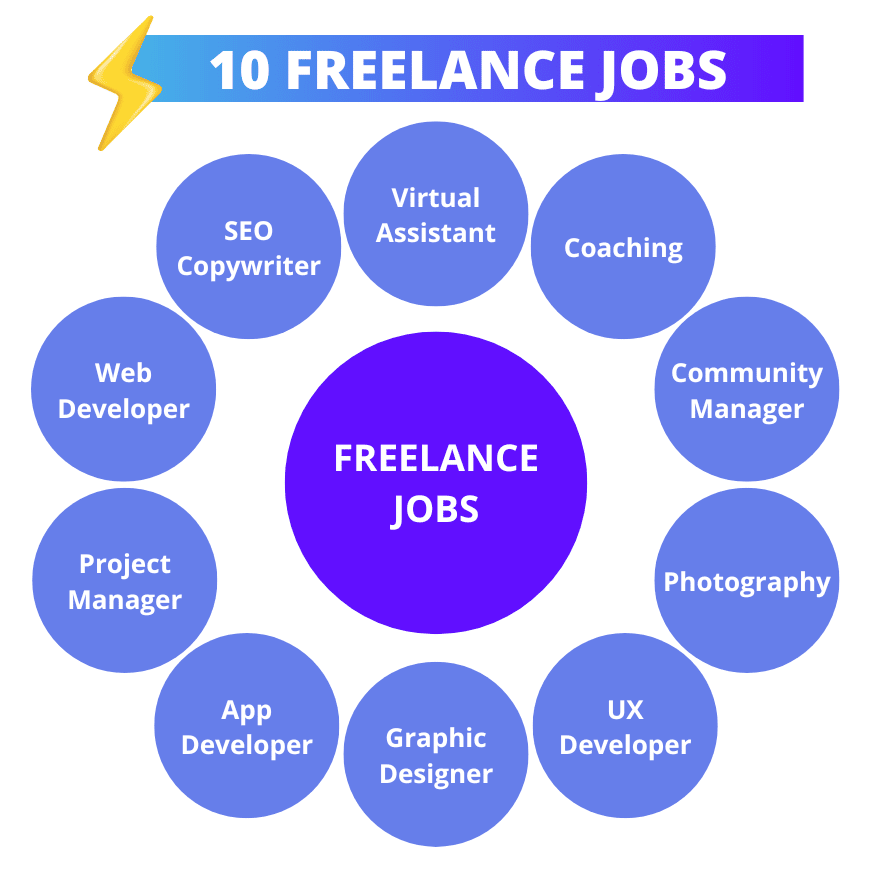
The Rise of the Gig Economy and Freelancing
The concept of freelancing, while not entirely new, has experienced an unprecedented surge in popularity and viability, largely propelled by technological advancements and shifting societal values. Understanding what constitutes a freelance job requires an appreciation of the underlying economic forces that have given rise to the modern “gig economy.”
Defining Freelancing: Autonomy and Project-Based Income
At its core, freelancing involves working independently on a contract or project-by-project basis for multiple clients, rather than being employed by a single entity. Freelancers are self-employed individuals who offer their specialized services – be it writing, design, programming, consulting, marketing, or virtual assistance – to businesses, organizations, or even other individuals. They are not salaried employees and typically do not receive traditional employment benefits such as health insurance, paid time off, or retirement plans from their clients. Instead, they operate as independent contractors, responsible for managing their own workload, setting their own rates, and overseeing their own business operations. The defining characteristic is autonomy: freelancers have significant control over their work, choosing which projects to accept, when and where to work, and how to deliver their services, all while directly correlating their efforts to their income.
Drivers of the Freelance Boom: Technology, Flexibility, and Income Diversification
Several powerful forces have converged to fuel the explosive growth of freelancing. The internet and digital platforms have dissolved geographical barriers, connecting skilled individuals with clients worldwide, making it possible to earn income from virtually anywhere. This technological infrastructure has birthed countless online marketplaces and tools that streamline project management, communication, and payment processing. Simultaneously, there’s a growing desire among professionals for greater flexibility and work-life balance, often unattainable in rigid corporate structures. Freelancing offers the freedom to design one’s schedule, choose passion projects, and work remotely, aligning with evolving lifestyle preferences. From a financial perspective, freelancing appeals to many as a means of income diversification, a side hustle to supplement primary earnings, or a complete pivot towards entrepreneurship. It provides a pathway to financial resilience, reducing reliance on a single employer and potentially unlocking higher earning potentials through specialized skills.
Key Differences from Traditional Employment: Responsibility and Rewards
Distinguishing freelance jobs from traditional employment is crucial for understanding the financial and operational implications. Employees typically receive a fixed salary or hourly wage, along with a benefits package, and have taxes withheld from their paychecks. Their work is often structured within a hierarchical organization, with set hours and clearly defined roles. Freelancers, conversely, are business owners. They are responsible for generating their own income, actively seeking out clients, marketing their services, and managing all aspects of their finances, including invoicing, collecting payments, and paying self-employment taxes. While this entails greater responsibility and a lack of employer-provided safety nets, it also offers unparalleled financial autonomy and the direct correlation between effort, skill, and monetary reward. The potential for uncapped earnings, the ability to scale one’s “business,” and the freedom to dictate one’s financial trajectory are significant motivators.
Exploring Diverse Avenues for Online Income through Freelancing
The beauty of freelancing lies in its vast and ever-expanding scope. Almost any skill that can be delivered digitally or on a project basis can be monetized through freelancing, opening up countless opportunities for individuals to generate online income.
In-Demand Freelance Skills and Roles: Monetizing Expertise
The demand for specialized freelance skills spans across virtually every industry. Some of the most consistently in-demand roles, offering robust income potential, include:
- Writing and Content Creation: Blog posts, articles, website copy, ad copy, technical writing, ghostwriting, editing, proofreading. Businesses constantly need fresh, engaging content to attract and retain customers, making this a highly lucrative area for skilled wordsmiths.
- Graphic Design: Logos, branding, web design, marketing materials, illustrations. Visual communication is critical for brand identity and marketing, creating a steady stream of work for designers.
- Web Development and Programming: Website creation, app development, software engineering, e-commerce solutions. With an increasingly digital world, developers are perpetually sought after to build and maintain online infrastructure.
- Digital Marketing: SEO, social media management, content marketing, email marketing, paid advertising (PPC). Businesses rely on digital marketers to reach their target audiences and drive sales, making this a high-value skill.
- Virtual Assistance: Administrative tasks, email management, scheduling, customer support, research. VAs help entrepreneurs and businesses offload routine tasks, freeing up their time for strategic work.
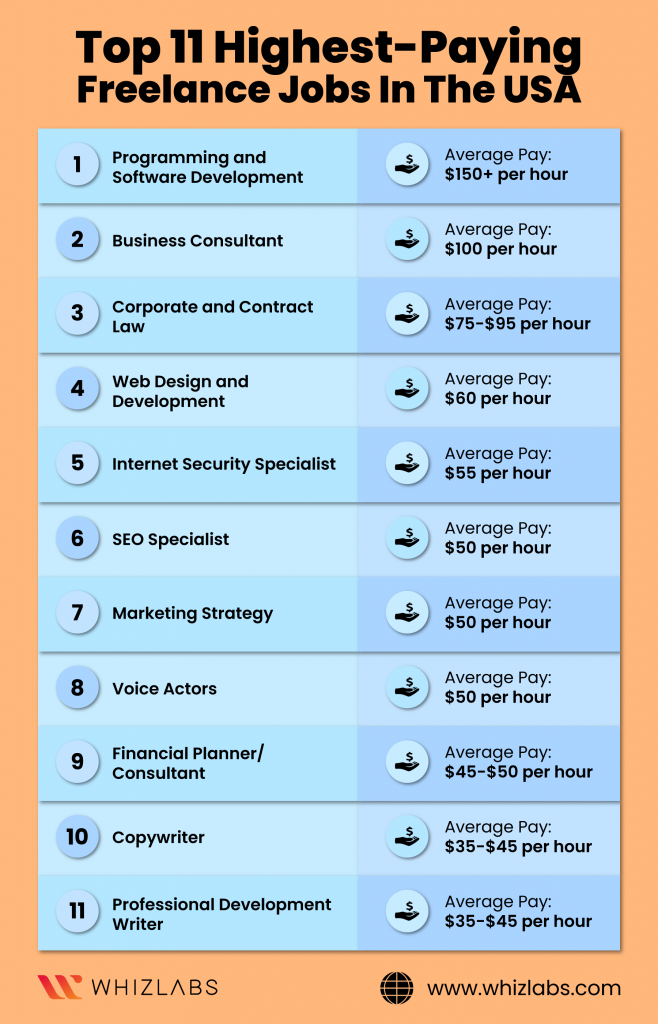
- Consulting and Coaching: Business strategy, career coaching, IT consulting, financial advice. Experts in various fields can offer their knowledge and guidance to clients on a project or hourly basis, commanding premium rates.
- Translation: Bridging language barriers for documents, websites, and multimedia content.
- Data Entry and Analysis: Organizing and interpreting data for businesses to make informed decisions.
Each of these roles represents a direct pathway to converting specialized knowledge into tangible income, allowing individuals to choose areas that align with their expertise and financial aspirations.
Platforms and Marketplaces for Freelancers: Connecting Skills to Opportunities
The digital revolution has also brought forth an ecosystem of platforms specifically designed to connect freelancers with potential clients. These marketplaces act as intermediaries, streamlining the process of finding work, managing projects, and facilitating payments, thereby lowering the barrier to entry for aspiring freelancers and expanding their income-generating reach.
- Upwork and Fiverr: These are two of the largest and most popular platforms, offering a wide array of freelance services. Upwork allows freelancers to bid on projects or be invited by clients, while Fiverr is known for its “gig” model where freelancers offer predefined services at set prices. Both provide tools for communication, milestone payments, and dispute resolution.
- Toptal: Specializing in connecting top-tier freelance software developers, designers, and finance experts with clients, Toptal is known for its rigorous screening process and higher-paying opportunities.
- Freelancer.com: Similar to Upwork, it provides a global marketplace for various skills, with features like contests and bidding.
- LinkedIn: While not exclusively a freelance platform, LinkedIn is invaluable for networking, showcasing expertise, and discovering freelance opportunities, especially in professional services and consulting.
- Specialized Platforms: Many niche platforms cater to specific industries, such as 99designs for graphic design, Guru for technical skills, or PeoplePerHour for a diverse range of services.
These platforms significantly expand a freelancer’s reach, allowing them to tap into a global client base and secure income streams that would be impossible through traditional local networking alone.
Direct Client Acquisition Strategies: Building Sustainable Income Streams
While platforms are excellent for getting started, building a truly sustainable and profitable freelance career often involves direct client acquisition. This approach allows freelancers to bypass platform fees, establish stronger client relationships, and command higher rates. Strategies include:
- Networking: Attending industry events, joining online communities, and leveraging personal connections can lead to referrals and direct project opportunities.
- Personal Branding (Monetary Focus): Building a strong online presence through a professional website, portfolio, and active social media profiles (e.g., LinkedIn) showcases expertise and attracts clients seeking specific skills, directly translating to income prospects.
- Portfolio Building: A robust portfolio demonstrating past work and results is perhaps the most critical tool for converting leads into paying clients. It provides tangible proof of value.
- Cold Outreach: Directly contacting potential clients whose needs align with one’s services, typically through personalized emails or LinkedIn messages, can open doors to significant projects.
- Content Marketing: Creating valuable content (blog posts, guides, webinars) related to one’s expertise can position a freelancer as a thought leader, attracting inbound leads without direct solicitation.
These strategies empower freelancers to take greater control over their income generation, moving beyond transactional platform work to establish long-term, high-value client relationships.
The Financial Landscape of Freelance Work
Navigating the financial aspects of freelancing is paramount to its success and sustainability. Unlike traditional employment, where financial matters are often handled or streamlined by an employer, freelancers are solely responsible for their financial well-being, demanding a proactive and disciplined approach to managing income, expenses, and taxes.
Income Potential and Variability: Peaks, Troughs, and Growth
One of the most defining financial characteristics of freelancing is the variability of income. While the potential for earning is often higher than in traditional roles, especially for specialized skills, actual income can fluctuate significantly from month to month. Project-based work might lead to “feast” periods with multiple high-paying projects, followed by “famine” periods when work is scarce. Hourly rates, while seemingly more stable, still depend on the number of billable hours secured.
Understanding this variability is crucial for financial planning. Successful freelancers learn to project their income, build emergency funds to bridge lean periods, and strategically seek new projects to maintain a consistent flow of revenue. As a freelancer gains experience, develops a niche, and builds a strong reputation, income typically becomes more predictable and can even scale beyond traditional salary limits. By diversifying clients and services, freelancers can mitigate risks and unlock higher earning potential.
Managing Freelance Finances: Budgeting, Rates, Invoicing, and Collection
Effective financial management is the backbone of a successful freelance career. It begins with meticulous budgeting, recognizing that income may be irregular. Creating a budget that accounts for both business expenses and personal living costs, with an emphasis on saving for leaner months, is essential.
Setting appropriate rates is another critical skill. This involves understanding market value for one’s services, calculating the true cost of doing business (including taxes, benefits, and overhead), and pricing for value rather than just hours. Rates can be hourly, project-based, or retainer-based, each with its own advantages.
Invoicing and payment collection are direct income drivers. Professional, detailed invoices are necessary for clear financial transactions. Freelancers must establish clear payment terms (e.g., 30-day net, upfront deposits) and have a system for tracking payments and following up on overdue invoices. Reliable payment processing tools and contracts that outline payment schedules are vital to ensure money flows smoothly into the freelancer’s account.
Tax Implications for Freelancers: Self-Employment and Deductions
Perhaps the most significant financial difference for freelancers is their tax status. As independent contractors, they are responsible for paying self-employment taxes (Social Security and Medicare contributions) in addition to income tax. This means setting aside a portion of every payment for taxes, often 25-35% or more, and making estimated tax payments quarterly to avoid penalties.
However, being a business owner also opens up numerous opportunities for tax deductions. Common freelance business expenses that can reduce taxable income include:
- Home office expenses (a portion of rent/mortgage, utilities, internet)
- Professional development and education
- Software, tools, and equipment
- Marketing and advertising costs
- Health insurance premiums (in some cases)
- Travel and mileage for business purposes
- Professional services (accountant, lawyer)
Meticulous record-keeping of all income and expenses is not just good practice, it’s a legal necessity for tax purposes, directly impacting the freelancer’s net income.
Benefits and Financial Security: Self-Funded Safety Nets
A critical aspect of freelance finance is the absence of employer-provided benefits. Freelancers must proactively plan for their own health insurance, retirement savings, disability insurance, and paid time off.
- Health Insurance: This often represents a significant expense and requires careful research into individual or marketplace plans.
- Retirement Savings: Setting up self-funded retirement accounts like a SEP IRA or Solo 401(k) is crucial for long-term financial security. These accounts also offer tax advantages.
- Emergency Fund: Given income variability, a robust emergency fund covering 6-12 months of living expenses is even more vital for freelancers than for traditional employees.
- Disability Insurance: This can protect income in case of illness or injury, a vital safety net when there’s no employer sick leave.
By understanding and actively managing these financial components, freelancers can build a stable, secure, and potentially highly profitable career, taking full ownership of their financial destiny.
Building a Sustainable and Profitable Freelance Career
Moving beyond simply finding jobs, a truly successful freelance career requires strategic planning focused on long-term sustainability and maximized profitability. This involves cultivating expertise, mastering pricing, and developing strong client relationships.
Developing a Niche and Expertise: Specialization for Higher Earnings
In the crowded freelance market, generalists often struggle to stand out. Developing a specific niche and becoming an expert in that area is a powerful strategy for increasing income potential. Specialization allows freelancers to:
- Command Higher Rates: Clients are willing to pay a premium for specialized knowledge and proven results in a niche area.
- Attract Ideal Clients: A clear niche helps target marketing efforts and attracts clients who specifically need that unique expertise, leading to better project matches.
- Reduce Competition: Fewer freelancers compete at the highly specialized level, making it easier to secure work.
- Establish Authority: Becoming a recognized expert in a niche builds credibility and trust, leading to more inbound leads and referrals.
For example, instead of being a “writer,” being a “SEO content writer for SaaS startups” immediately positions one as a specialist and allows for higher pricing.
Pricing Your Services Strategically: Value-Based and Market-Aware
Effective pricing is arguably the most direct lever for profitability in freelancing. It’s not just about covering costs; it’s about valuing one’s expertise and the results delivered.
- Value-Based Pricing: This method focuses on the value a freelancer provides to the client (e.g., increased sales, saved time) rather than just the hours spent. A project that generates $10,000 in revenue for a client is worth more than simply charging for 10 hours of work.
- Hourly vs. Project-Based: Hourly rates are good for new freelancers or unpredictable projects, but project-based or fixed pricing often allows for higher earnings once efficiency improves. Retainer agreements for ongoing work provide stable, recurring income.
- Understanding Market Rates: Researching what competitors with similar skills and experience charge helps set competitive yet profitable rates. However, never undersell your value.
- Tiered Pricing: Offering different packages (e.g., basic, standard, premium) can cater to various client budgets and needs, maximizing conversion.
Transparent and confident pricing, backed by a strong portfolio and clear communication of value, is key to boosting freelance income.
The Importance of Professional Development: Staying Competitive for Sustained Income
The freelance market is dynamic, with technologies and client needs constantly evolving. Continuous professional development is not merely an option but a necessity for sustained income and growth.
- Upskilling: Learning new tools, techniques, or software relevant to one’s field keeps a freelancer competitive and allows them to offer more comprehensive services, justifying higher rates.
- Adapting to Market Demands: Staying abreast of industry trends, like the rise of AI tools in content creation or new digital marketing strategies, enables freelancers to pivot and offer services that are currently in high demand.
- Networking and Learning: Engaging with peer groups, attending workshops, or taking online courses are investments that pay dividends in terms of expanded skill sets and income opportunities.
A freelancer’s value to clients directly correlates with their ability to deliver relevant, high-quality, and up-to-date solutions. Investing in oneself is investing in one’s income stream.
Client Relationship Management for Repeat Business: The Gold Standard of Freelance Income
While acquiring new clients is important, securing repeat business and referrals from existing clients is the most cost-effective and financially stable way to grow a freelance career.
- Excellent Communication: Clear, consistent, and proactive communication builds trust and ensures project alignment.
- Exceptional Delivery: Consistently delivering high-quality work, on time and within budget, is non-negotiable for client satisfaction.
- Proactive Problem Solving: Addressing challenges transparently and offering solutions reinforces reliability and professionalism.
- Going the Extra Mile: Small gestures or insights can differentiate a freelancer and build immense loyalty.
- Follow-Up and Feedback: Soliciting feedback and following up after project completion can lead to testimonials, case studies, and future work.
Long-term client relationships provide a stable base of recurring income, reduce the constant need for new client acquisition, and often lead to lucrative referrals, making them the cornerstone of a profitable freelance business.
Navigating the Challenges and Maximizing Rewards
While freelancing offers immense freedom and financial potential, it’s not without its hurdles. Successfully navigating these challenges and strategically planning for growth are essential for maximizing the long-term rewards of this independent career path.
Overcoming Common Freelance Hurdles: Stability, Isolation, and Burnout
The allure of freelancing often overshadows its inherent challenges, which, if not addressed, can significantly impact financial stability and well-being.
- Income Instability: As discussed, irregular income is a major hurdle. The solution lies in rigorous financial planning, emergency funds, diversifying clients, and proactive pipeline management to ensure a steady flow of projects.
- Isolation: Working independently can sometimes lead to feelings of isolation. Counteracting this involves actively networking, joining co-working spaces, participating in online communities, and scheduling social interactions to maintain mental well-being, which indirectly supports sustained productivity and income.
- Client Management Issues: Dealing with difficult clients, scope creep, or payment delays is part of the territory. Clear contracts, defined project scopes, upfront deposits, and professional boundary-setting are crucial for protecting a freelancer’s time and income.
- Burnout: The pressure to constantly find work, manage multiple clients, and handle all business operations can lead to burnout. Establishing healthy work-life boundaries, taking regular breaks, delegating non-core tasks, and learning to say “no” are vital for long-term sustainability and preventing drops in earning capacity due to exhaustion.
Addressing these challenges proactively ensures that the financial benefits of freelancing can be enjoyed sustainably.
Strategic Planning for Growth: Diversification and Scaling
To truly maximize the financial rewards of freelancing, a strategic approach to growth is necessary. This moves beyond simply taking on more projects to intelligently scaling operations.
- Diversifying Income Streams: Beyond project-based work, consider offering passive income products (e.g., online courses, digital templates), creating affiliate content, or engaging in consulting retainers. This hedges against market fluctuations and increases overall revenue.
- Scaling Operations: For high-demand freelancers, growth might involve subcontracting certain tasks or even hiring a small team to handle increased workload. This allows for taking on larger, more lucrative projects that would be impossible alone, directly multiplying earning capacity.
- Productizing Services: Turning common service offerings into standardized packages can streamline delivery, reduce client onboarding time, and allow for higher volumes of work, boosting efficiency and profitability.
- Investing in Tools and Technology: Automation tools, project management software, and advanced analytics can significantly improve efficiency, save time, and free up a freelancer to focus on high-value tasks, indirectly increasing income per hour.
Growth planning transforms a freelancer from a mere service provider into a true business owner with expanding financial prospects.

The Future of Work and Freelancing: Enduring Opportunity
The trajectory of freelancing suggests it will continue to be a dominant and growing force in the global economy. As technology advances further, particularly with AI, the landscape will evolve, presenting both new opportunities and new skill demands. Freelancers who embrace lifelong learning, adapt their skill sets, and remain agile will be best positioned to thrive. AI, for instance, might automate repetitive tasks, allowing freelancers to focus on higher-level strategic work, critical thinking, and creativity – areas where human expertise remains invaluable. This evolution underscores the enduring nature of freelance jobs as a viable, rewarding, and financially empowering career path for the modern professional.
In conclusion, freelance jobs are more than just temporary gigs; they represent a fundamental shift in how work is conceived, executed, and compensated. For individuals seeking autonomy, flexibility, and direct control over their financial destiny, freelancing offers a compelling and often highly profitable avenue to leverage their skills and build a sustainable career in the ever-evolving world of independent work.
aViewFromTheCave is a participant in the Amazon Services LLC Associates Program, an affiliate advertising program designed to provide a means for sites to earn advertising fees by advertising and linking to Amazon.com. Amazon, the Amazon logo, AmazonSupply, and the AmazonSupply logo are trademarks of Amazon.com, Inc. or its affiliates. As an Amazon Associate we earn affiliate commissions from qualifying purchases.