
Foam, a ubiquitous material found in everything from smartphone packaging to aerospace components, represents a fascinating intersection of chemistry, engineering, and advanced manufacturing. At its core, foam is a material created by trapping pockets of gas within a liquid or solid. The fundamental composition and structure of foam are critical to its diverse applications within the technology sector, enabling innovations in areas like thermal management, acoustic dampening, impact protection, and lightweighting. Understanding what foams are made of goes beyond simple ingredients; it delves into the sophisticated processes and material science that tailor these versatile substances for high-tech demands.
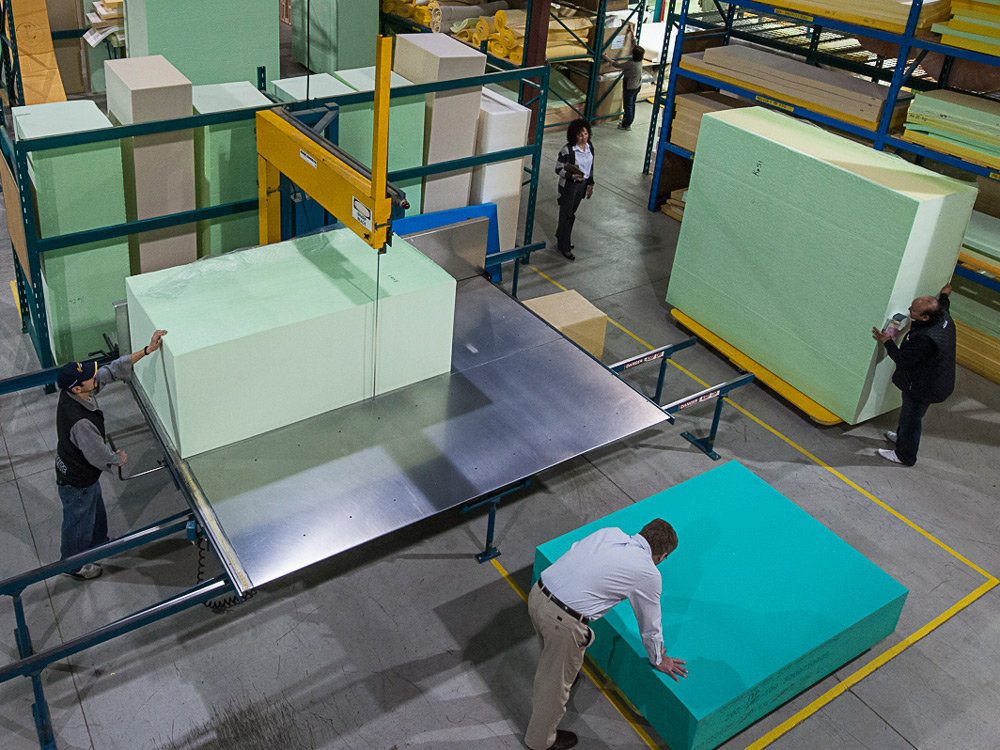
The Fundamental Science of Foam Production for Tech Applications
The creation of foam is a controlled process designed to imbue a material with specific properties crucial for technological performance. This involves selecting appropriate base materials and employing methods to introduce and stabilize gas bubbles within their matrix.
Polymer Chemistry and Cellular Structures
The vast majority of foams utilized in technology are polymer-based. Polymers, long chains of repeating molecular units, provide the structural integrity and flexibility required. Common base polymers include polyurethanes, polystyrenes, polyethylenes, and silicones, each chosen for distinct characteristics. For instance, polyurethane foams are highly versatile, ranging from rigid insulation panels for electronics to soft, ergonomic padding for wearables. Polystyrene foams, known for their excellent insulation and lightweight properties, are often seen in protective packaging for delicate tech gadgets. Silicone foams offer superior temperature resistance and sealing capabilities, vital for sensitive electronic enclosures.
The cellular structure of a foam – whether it is open-cell or closed-cell – profoundly impacts its properties and suitability for different tech applications.
- Open-cell foams have interconnected pores, allowing air and liquids to pass through. This structure makes them excellent for sound absorption, filtration, and cushioning. In tech, they are prevalent in acoustic dampening in speakers, microphones, and server racks, as well as in ergonomic pads for headphones and VR headsets where breathability is a plus.
- Closed-cell foams feature individual, isolated gas pockets. This structure makes them impermeable to gas and liquids, providing superior thermal insulation, buoyancy, and structural rigidity. They are indispensable in applications requiring barrier properties, such as thermal insulation for battery packs in electric vehicles, waterproof seals for outdoor electronics, and protective enclosures for sensitive instrumentation.
The specific polymer’s molecular weight, branching, and cross-linking density, along with the degree of cell openness or closedness, are precisely engineered parameters that define the foam’s mechanical strength, elasticity, thermal conductivity, and chemical resistance – all critical metrics for tech product development.
Blowing Agents and Manufacturing Technologies
The introduction of gas to form the cellular structure is achieved through blowing agents. These can be physical (e.g., nitrogen, carbon dioxide, pentane) or chemical (compounds that decompose to release gas upon heating or reaction). The choice of blowing agent influences cell size, cell distribution, and environmental impact. For example, inert gases like nitrogen are increasingly favored for their non-toxic and non-flammable properties, especially in consumer electronics manufacturing.
Modern foam manufacturing technologies are highly sophisticated, including:
- Reaction injection molding (RIM): Used for polyurethane foams, allowing complex shapes and varying densities to be produced rapidly, ideal for customized internal components or housings.
- Extrusion foaming: Commonly used for polystyrene and polyethylene foams, where a polymer melt is mixed with a blowing agent and extruded through a die, creating continuous foam sheets or profiles, excellent for packaging and insulation.
- Batch processes: For specialized foams like silicone or high-performance composites, offering precise control over material properties for demanding tech applications like aerospace or medical devices.
- Supercritical fluid foaming: An advanced technique using supercritical CO2 or N2 as blowing agents, enabling the creation of ultra-fine cell structures and more environmentally friendly foam production, particularly relevant for micro-electronic components where precision is paramount.
The precise control over these variables – polymer selection, blowing agent, and manufacturing process – allows engineers to custom-design foams with properties perfectly tuned for the rigorous demands of contemporary technology.
Diverse Foam Technologies in Modern Gadgets and Electronics
Foams are not merely ancillary materials; they are integral to the functionality, durability, and user experience of countless tech products. Their unique properties address specific engineering challenges across various applications.
Acoustic Foams for Sound Management
In an era of increasingly sophisticated audio equipment and pervasive electronics, acoustic management is paramount. Open-cell foams, particularly those made from polyurethane or melamine, are engineered with specific pore sizes and densities to absorb sound waves effectively. They are found in:
- Headphones and earbuds: Providing passive noise cancellation and enhancing audio fidelity by preventing sound leakage.
- Microphones: Reducing ambient noise and improving voice clarity.
- Speakers and audio systems: Dampening internal resonances and preventing cabinet vibrations for clearer sound reproduction.
- Server rooms and data centers: Lining walls and enclosures to mitigate machine noise and create quieter working environments, which can also contribute to hardware longevity by reducing vibration stress.
Thermal Insulation and Heat Dissipation Solutions
Heat is the enemy of electronics, degrading performance and shortening lifespan. Closed-cell foams, with their trapped gas pockets, act as highly effective thermal barriers.
- Consumer electronics: Protecting sensitive components from external temperature fluctuations and isolating heat-generating parts.
- Electric vehicle (EV) battery packs: Providing critical thermal insulation to maintain optimal operating temperatures for lithium-ion cells, which directly impacts range and battery longevity. Specialized foams can also act as fire barriers in the event of thermal runaway.
- Refrigeration units and HVAC systems: Improving energy efficiency in smart appliances and climate control systems.
- Aerospace and defense: Insulating electronic systems in extreme temperature environments, from satellite components to avionics.

Beyond insulation, some advanced metal foams or polymer foams with conductive additives are being researched for their potential in actively dissipating heat from hot spots, working in conjunction with traditional heatsinks.
Impact Protection and Ergonomic Design
The increasing portability and fragility of modern gadgets necessitate robust protection against drops and impacts. Foam’s ability to absorb and dissipate kinetic energy makes it an ideal material.
- Smartphone and tablet cases: Utilizing shock-absorbing foams to cushion devices during falls.
- Protective packaging: Custom-molded foams cradle laptops, cameras, and other sensitive electronics during shipping, preventing damage.
- Wearable technology: Memory foam and other viscoelastic foams adapt to body contours, providing comfort and stability in smartwatches, fitness trackers, and virtual reality (VR) headsets, improving user compliance and experience.
- Automotive interiors: Enhancing safety through energy-absorbing foams in dashboards and door panels, reducing injury risk during collisions, while also contributing to cabin quietness.
Advanced Foams Driving Innovation in High-Tech Industries
The evolution of foam technology continues to push boundaries, leading to materials that were once in the realm of science fiction. These advanced foams are enabling breakthroughs in high-stakes technological sectors.
Aerospace and Automotive Lightweighting
Reducing weight is a constant imperative in aerospace and automotive engineering, directly impacting fuel efficiency, range, and performance.
- Aerogels: Ultra-lightweight, highly porous materials derived from gels, offering unparalleled insulation and low density. While often not a traditional “foam,” their cellular structure and properties place them in a similar functional category. They are being explored for spacecraft insulation, ultra-light aircraft components, and high-performance thermal barriers where every gram counts.
- Structural foams: Polymer foams reinforced with fibers or created with specific cell architectures can offer significant strength-to-weight ratios. These are used in sandwich structures for aircraft fuselage components, drone bodies, and automotive chassis elements, replacing heavier solid materials without compromising structural integrity.
- Metallic foams: Made from aluminum, nickel, or titanium, these foams offer unique combinations of lightweightness, high stiffness, energy absorption, and thermal conductivity. They are being investigated for structural components, heat exchangers, and impact absorbers in advanced vehicles and spacecraft.
Smart Foams and Responsive Materials
The integration of smart functionalities into foam materials represents a cutting edge in materials science.
- Shape memory foams: These materials can be deformed and then return to their original shape upon sensing a specific stimulus (e.g., heat, electricity). Applications include self-healing phone screens or adaptive seating in vehicles that adjust to the occupant’s posture.
- Conductive foams: Foams incorporating conductive particles or fibers can be used in electromagnetic interference (EMI) shielding for sensitive electronics, or as flexible electrodes in wearable sensors and e-textiles.
- Self-healing foams: Designed to repair minor damage autonomously, extending the lifespan of products. This is particularly valuable for components exposed to repetitive stress or minor abrasions.
- Sensor-integrated foams: Foams embedded with pressure, temperature, or strain sensors can provide real-time data on structural integrity, user interaction, or environmental conditions, paving the way for truly intelligent products.
Sustainable Foam Solutions in Tech Manufacturing
As environmental concerns grow, the tech industry is increasingly seeking sustainable alternatives for its materials.
- Bio-based foams: Developed from renewable resources like plant oils (soy, castor) or cellulose, reducing reliance on petroleum-based polymers. These are finding use in packaging, insulation, and even components for eco-friendly gadgets.
- Recycled content foams: Incorporating post-consumer or post-industrial recycled plastics into foam production, diverting waste from landfills.
- Biodegradable and compostable foams: Designed to break down naturally after use, offering an end-of-life solution for disposable tech accessories or packaging. This is crucial for reducing electronic waste (e-waste) and its environmental footprint.
- Foams with reduced blowing agent emissions: Developing processes that utilize more environmentally benign blowing agents, such as supercritical CO2 or water, to minimize greenhouse gas emissions during manufacturing.
The Future of Foam: Materials Science Meets Digital Innovation
The next generation of foam technology will be heavily influenced by advancements in computational design, artificial intelligence, and additive manufacturing.
AI-Driven Material Discovery and Optimization
Artificial intelligence and machine learning are revolutionizing the way new foam materials are discovered and optimized. AI algorithms can analyze vast datasets of material properties, chemical compositions, and manufacturing parameters to predict novel foam formulations with desired characteristics (e.g., ultra-lightweight, specific thermal conductivity, enhanced durability). This accelerates the R&D cycle, allowing engineers to rapidly iterate and identify optimal material solutions for emerging tech challenges, from next-gen battery insulation to quantum computing component housing. AI can also optimize manufacturing processes, ensuring consistent quality and minimizing waste.
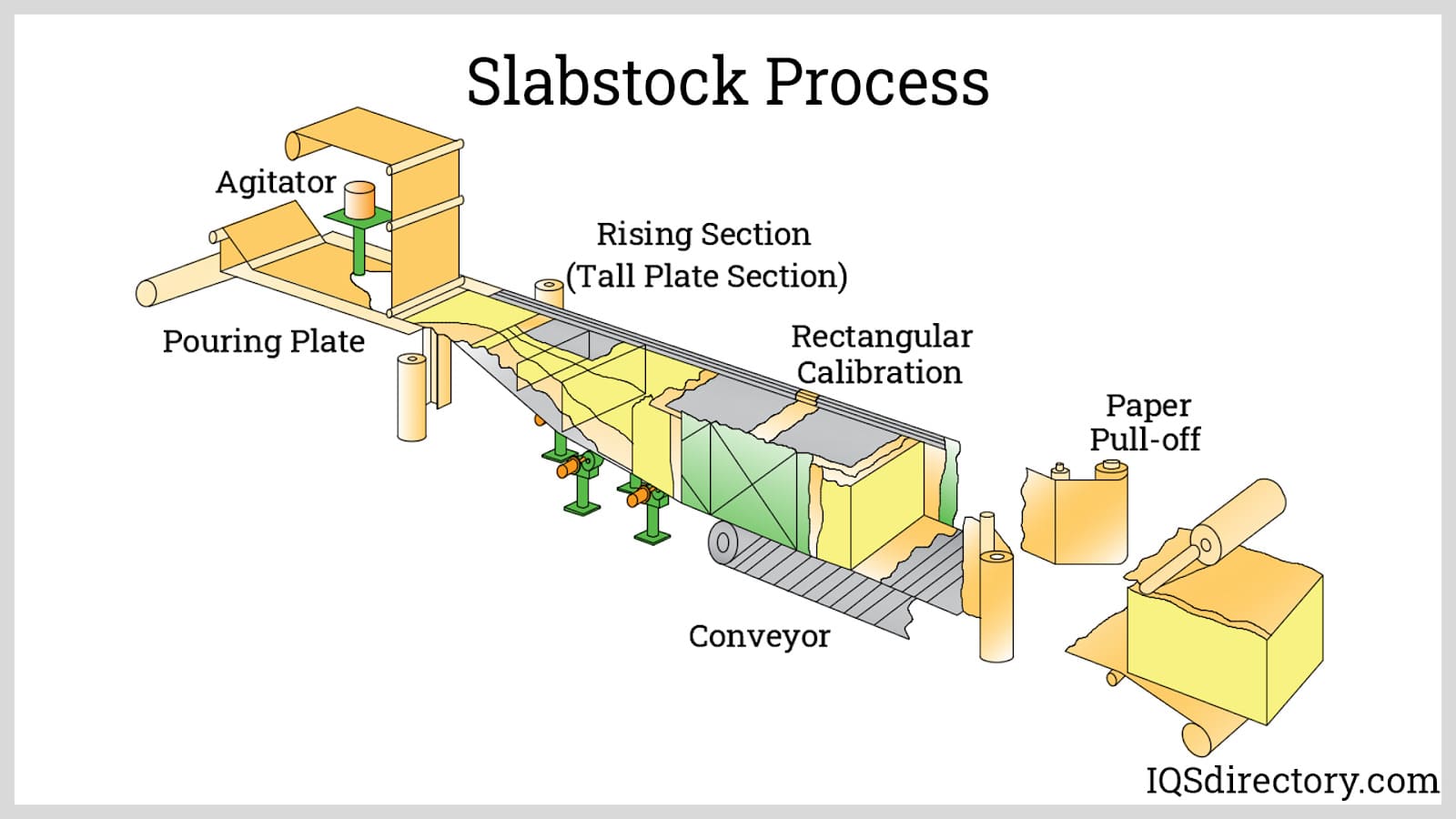
3D Printing and Custom Foam Geometries
Additive manufacturing, specifically 3D printing, is unlocking unprecedented possibilities in foam design. While direct 3D printing of traditional foams is challenging due to their gas-filled nature, techniques like selective laser sintering (SLS) of polymeric powders, or stereolithography (SLA) using resin, allow for the creation of intricate lattice structures and cellular materials that mimic or surpass the properties of conventional foams.
- Customized energy absorption: 3D printing enables the creation of gradient foams with varying densities and cell sizes within a single component, allowing for highly specific energy absorption profiles in impact protection systems.
- Tailored thermal management: Complex internal cellular architectures can be printed to optimize heat transfer paths for specific electronic components, creating highly efficient cooling solutions.
- Integrated functionalities: Sensors or conductive pathways can be embedded directly into 3D-printed foam structures, leading to truly smart and multifunctional materials that adapt to their environment or user needs.
By harnessing these advanced digital tools, the future of foam manufacturing promises highly customized, performance-optimized, and sustainable materials that will continue to push the boundaries of technological innovation across all sectors.
aViewFromTheCave is a participant in the Amazon Services LLC Associates Program, an affiliate advertising program designed to provide a means for sites to earn advertising fees by advertising and linking to Amazon.com. Amazon, the Amazon logo, AmazonSupply, and the AmazonSupply logo are trademarks of Amazon.com, Inc. or its affiliates. As an Amazon Associate we earn affiliate commissions from qualifying purchases.