
The humble fish stick. For many, it evokes childhood memories of quick weeknight dinners, a comforting and familiar presence in the freezer aisle. But beyond its nostalgic appeal and undeniable convenience, the fish stick represents a fascinating case study in branding, marketing, and the creation of a ubiquitous consumer product. This article will explore the genesis of the fish stick not just as a food item, but as a powerful brand that has navigated decades of changing consumer tastes, dietary trends, and market competition.
The Genesis of a Frozen Icon: From Concept to Consumer
The creation of the fish stick wasn’t a spontaneous culinary event; it was a deliberate response to a specific market need and a testament to innovative product development driven by a desire to build a lasting brand.
Addressing Post-War Food Challenges and Opportunities
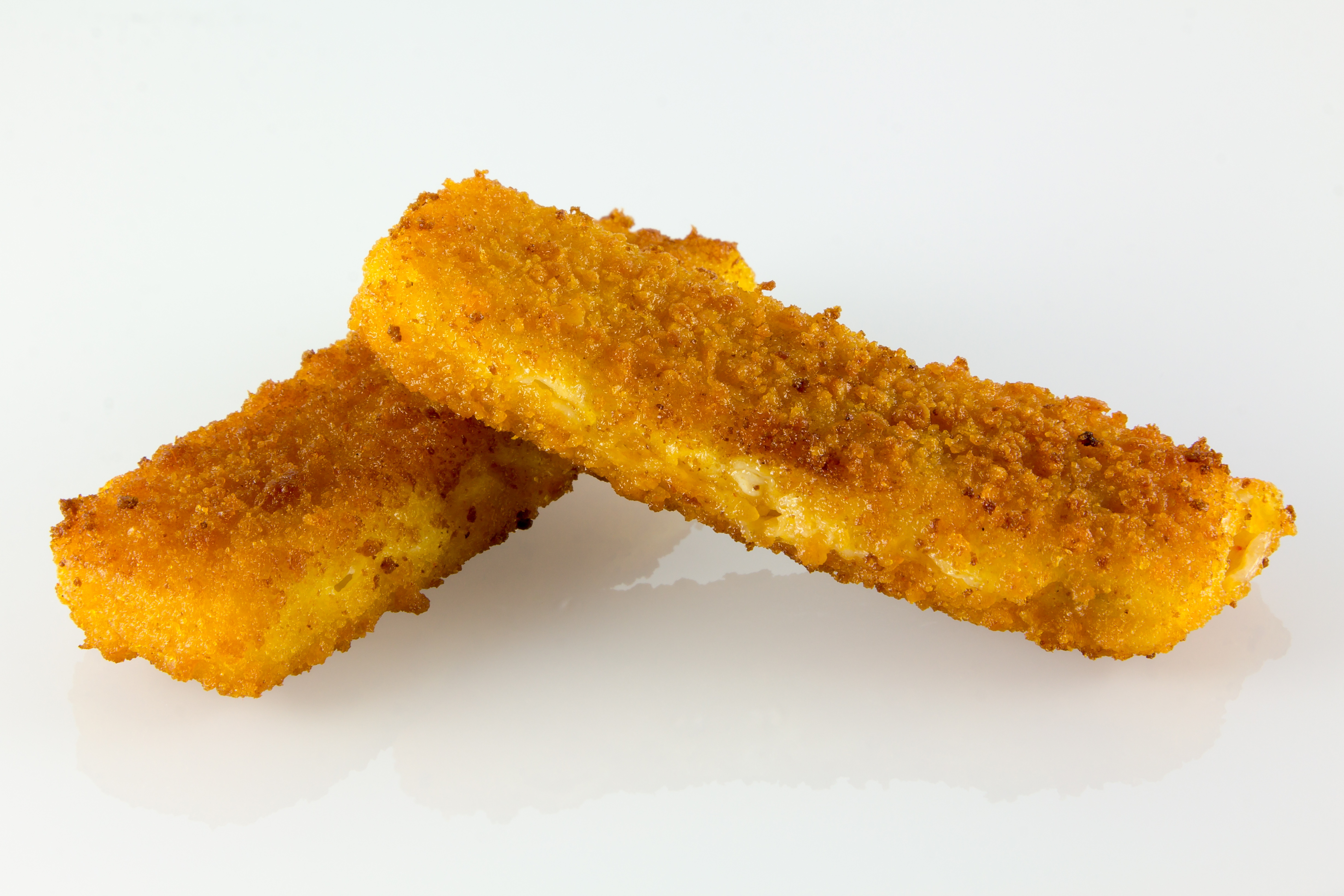
The mid-20th century presented a unique set of circumstances that laid the groundwork for the fish stick’s emergence. Following World War II, there was a significant surplus of frozen fish, particularly cod, as fishing fleets returned and demand shifted. Simultaneously, the rise of suburban living and busy family schedules created a burgeoning market for convenient, easy-to-prepare meals. Home freezers were becoming more common, opening up new avenues for food preservation and distribution.
The challenge for the fishing industry was to find a way to process and market this abundant fish in a format that appealed to the modern consumer. Traditional whole fish preparations were often perceived as labor-intensive and potentially unappetizing to those unfamiliar with preparing seafood. This is where the concept of a standardized, pre-portioned, and breaded fish product began to take shape. The goal was not just to sell fish, but to sell a solution – a reliable, palatable, and accessible way for families to incorporate protein into their diets. This nascent understanding of consumer needs was the first crucial step in building a successful brand.
Early Innovations and Brand Pioneers
While multiple companies were experimenting with similar ideas, the commercial success of the fish stick is often attributed to the pioneering efforts of Gorton’s of Gloucester. In the early 1950s, Gorton’s, a long-established seafood company, recognized the potential of a breaded, frozen fish product. Their innovation was to create a uniform, bite-sized portion that was coated in a batter and breadcrumbs, making it easy to cook and appealing to a broader audience. The product was designed for maximum convenience, requiring minimal preparation and offering consistent results.
The initial branding strategy was straightforward: emphasize convenience, affordability, and a wholesome, familiar taste. The product was marketed as a healthy and easy way to feed the family, tapping into the desires of the post-war era. The name itself, “fish stick,” was simple, descriptive, and memorable, laying the foundation for a strong brand identity. This focus on a clear value proposition and a recognizable name was instrumental in carving out a distinct market position. The success of Gorton’s spurred competition, leading to the proliferation of fish sticks from various brands, each striving to capture a share of this burgeoning market through their own branding and marketing efforts.
The Evolution of the Fish Stick Brand: Adapting to Consumer Trends
Over the decades, the fish stick brand has not remained static. Its enduring presence in the market is a testament to its ability to adapt and evolve in response to changing consumer preferences, health consciousness, and the competitive landscape.
Responding to Health and Dietary Shifts
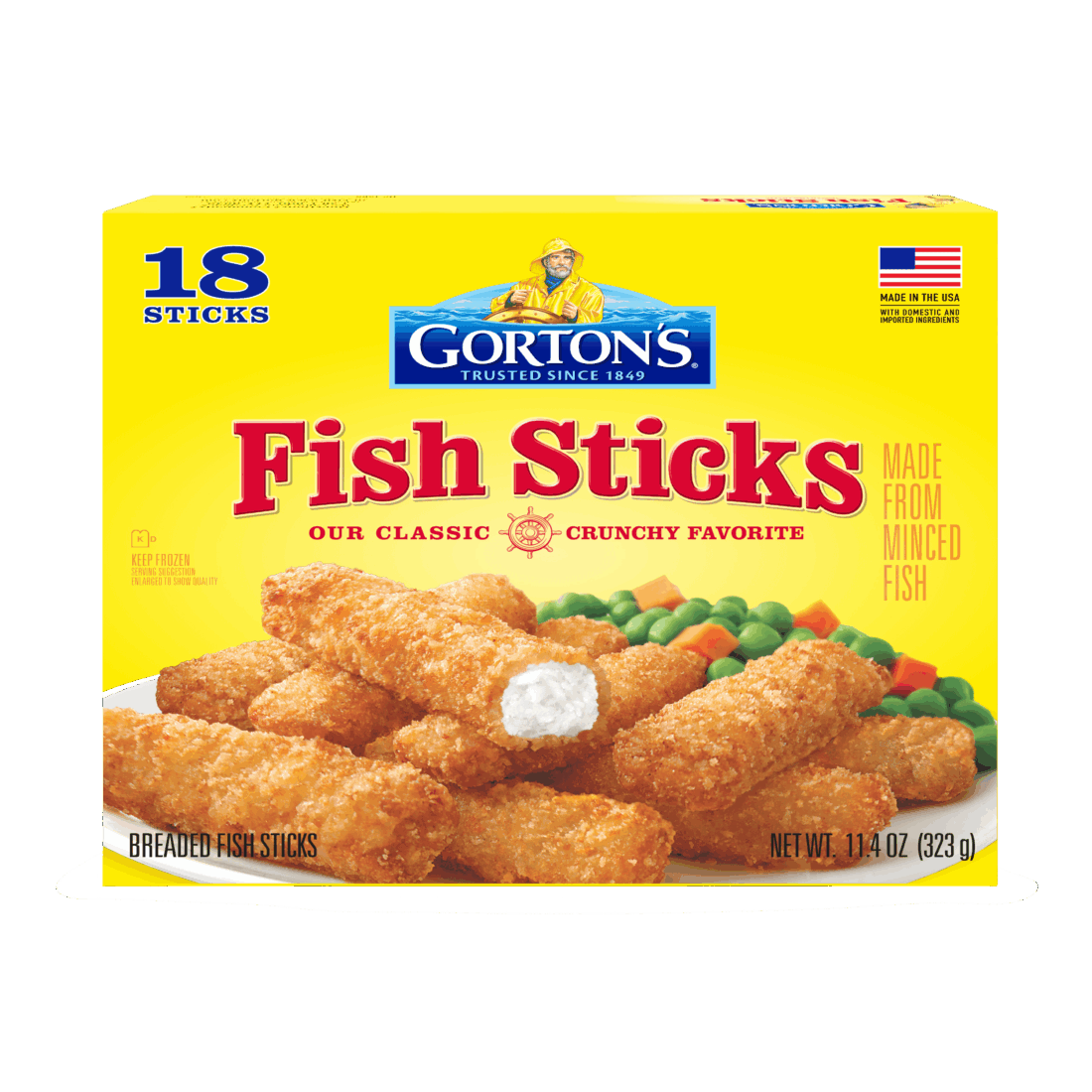
As nutritional science advanced and consumer awareness grew, the fish stick brand faced scrutiny. Early iterations were often criticized for being high in sodium and fat due to the breading and frying process. In response, brands began to innovate. We saw the introduction of “baked” or “oven-ready” versions, often with lighter breading or alternative coatings. Emphasis shifted towards the nutritional benefits of fish itself – its omega-3 fatty acids and protein content.
Marketing messages began to highlight these positive attributes. Brands started featuring whole fish fillets in their branding, moving away from the more processed perception of earlier products. The development of different types of fish used in fish sticks, such as pollock and tilapia, alongside traditional cod, also allowed brands to cater to a wider range of price points and taste preferences. This adaptability in product formulation and communication was crucial for maintaining brand relevance in an increasingly health-conscious world. The ability to pivot and address consumer concerns directly became a core tenet of the fish stick brand’s longevity.
Diversification and Niche Branding within the Category
The fish stick market, once dominated by a few key players, has diversified significantly. Brands have recognized the need to appeal to specific consumer segments and have developed niche branding strategies to achieve this. This includes offering a wider variety of shapes and sizes, from smaller “fish bites” for children to larger, more premium-sized fillets for adults.
Furthermore, brands have experimented with different flavor profiles and coatings. Beyond the classic breadcrumb, we now see options like seasoned breading, whole wheat coatings, and even gluten-free varieties. This diversification is a direct result of brands understanding that a one-size-fits-all approach is no longer sufficient. By creating specialized product lines, brands can target distinct market segments, whether it’s families seeking healthier alternatives, individuals with dietary restrictions, or those looking for a more gourmet frozen seafood option. This strategic segmentation allows brands to expand their market reach and deepen their connection with a broader consumer base, reinforcing their brand identity through targeted innovation.
The Marketing Powerhouse: How Brands Built and Maintain Fish Stick Dominance
The enduring success of the fish stick brand is inextricably linked to sophisticated marketing and branding strategies that have consistently reinforced its value proposition and fostered strong consumer loyalty.
Advertising and the Creation of a Household Name
From its inception, the fish stick brand understood the power of consistent and memorable advertising. Early campaigns often focused on the simplicity of preparation, the wholesomeness of fish, and the joy of family mealtimes. Slogans and jingles became ingrained in the public consciousness, associating specific brands with reliability and convenience. These advertisements not only informed consumers about the product but also helped to shape perceptions and create emotional connections.
Over time, advertising strategies have evolved. While some brands still leverage nostalgic appeal, others have embraced modern marketing channels, including digital platforms and social media. The messaging has also adapted, often focusing on convenience for busy parents, the nutritional benefits of seafood, and the versatility of fish sticks in various meal preparations. The consistent presence of these brands across different media platforms has ensured their continued relevance and has helped to cultivate new generations of consumers who come to see fish sticks as a staple in their diets, a testament to the enduring power of effective brand communication.
Packaging and In-Store Presence: The Silent Salesperson
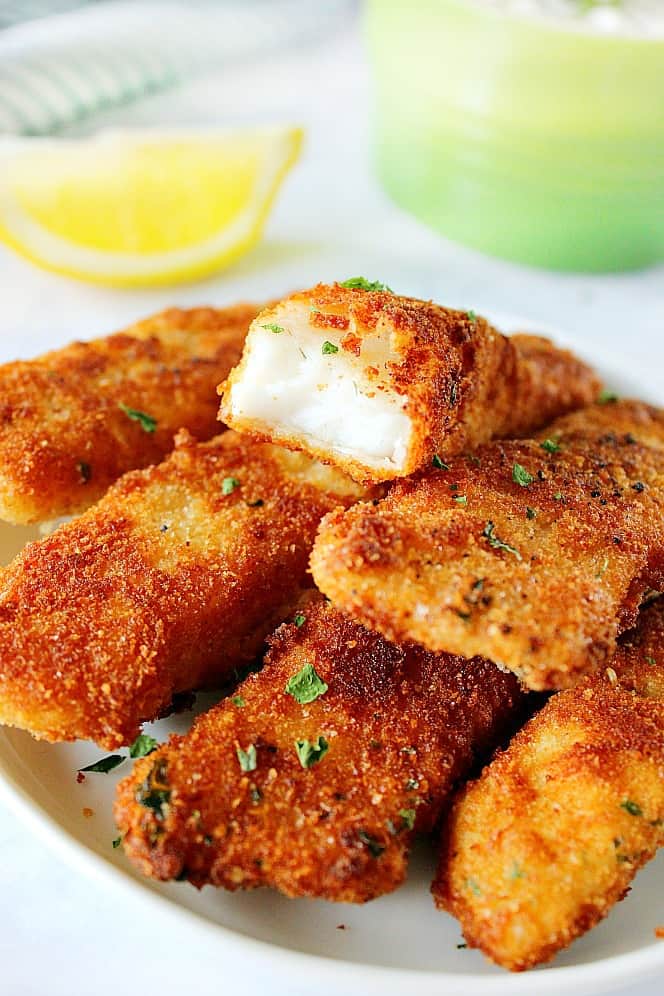
The packaging of fish sticks plays a critical role in their branding and market success. The freezer aisle is a highly competitive environment, and brands must immediately capture attention and communicate their value proposition. Packaging design has evolved from simple, functional boxes to more visually appealing and informative designs. These often feature images of appetizing cooked fish sticks, highlight key selling points such as “made with 100% real fish” or “good source of omega-3s,” and clearly state cooking instructions.
The consistent placement and prominent display of fish stick brands within grocery stores are also crucial. Brands invest in point-of-sale materials and promotions to ensure their products are visible and accessible to shoppers. The familiarity of brand logos and packaging design acts as a silent salesperson, guiding consumers towards trusted choices. The shelf presence, coupled with effective advertising, creates a powerful synergy that reinforces brand recognition and drives purchasing decisions, solidifying the fish stick’s position as a dominant force in the frozen food category. The brand’s ability to leverage visual cues and strategic placement has been a cornerstone of its sustained market leadership.
aViewFromTheCave is a participant in the Amazon Services LLC Associates Program, an affiliate advertising program designed to provide a means for sites to earn advertising fees by advertising and linking to Amazon.com. Amazon, the Amazon logo, AmazonSupply, and the AmazonSupply logo are trademarks of Amazon.com, Inc. or its affiliates. As an Amazon Associate we earn affiliate commissions from qualifying purchases.