
Financial goals serve as the bedrock of sound financial planning, providing direction, motivation, and a tangible framework for managing your money. Far beyond mere aspirations, these goals are specific, measurable objectives that guide your decisions about saving, spending, investing, and debt management. They transform abstract desires for financial well-being into actionable steps, empowering individuals and families to take control of their economic futures. Understanding what financial goals entail and how to effectively set and pursue them is the first critical step toward achieving financial independence and security.
In a world brimming with financial complexities, from ever-fluctuating markets to the constant allure of consumerism, having a clear set of financial goals acts as your personal compass. It allows you to distinguish between wants and needs, prioritize your resources, and make informed choices that align with your long-term vision. Without these goals, financial management can feel like sailing without a rudder—adrift in a sea of endless possibilities and potential pitfalls. This article delves into the essence of financial goals, exploring their types, the methodology for setting them, and the profound impact they have on shaping a prosperous future.

The Foundational Role of Financial Goals in Your Life
At its core, financial planning is about aligning your current financial actions with your future aspirations. Financial goals are the tangible expressions of these aspirations, providing the necessary clarity and purpose to make deliberate choices with your money. They move you beyond simply reacting to immediate financial pressures toward proactively building the life you envision.
Defining Financial Goals: More Than Just Numbers
A financial goal is a predetermined target related to money that you aim to achieve within a specific timeframe. It’s not just a vague wish like “I want to be rich” or “I want to save money.” Instead, it’s a precisely articulated objective, such as “I want to save $15,000 for a down payment on a house within three years” or “I will pay off my credit card debt of $5,000 within one year.” The distinction lies in their specificity and the inherent actionable steps they imply. They translate dreams into blueprints. These goals can range from daily budgeting decisions to monumental life-altering investments, each playing a vital role in your overall financial narrative.
Why Setting Financial Goals Matters
The significance of setting financial goals extends far beyond the mere accumulation of wealth. They inject purpose into your financial decisions, transforming routine budgeting into a strategic endeavor. Without clearly defined goals, it’s easy to succumb to impulsive spending, lifestyle inflation, or the inertia of inaction, which can lead to missed opportunities and financial regret. Goals provide a roadmap, helping you to allocate resources wisely, monitor progress, and make necessary adjustments along the way. They act as a powerful motivator, encouraging discipline and perseverance, especially when faced with financial challenges. Moreover, financial goals foster a sense of accomplishment and control, significantly reducing financial stress and enhancing overall well-being.
The Psychological Impact of Clear Financial Objectives
The human mind thrives on clarity and direction. When financial objectives are clear, they reduce ambiguity and cognitive load, freeing up mental energy that might otherwise be spent worrying or making arbitrary decisions. Psychologically, achieving financial goals—even small ones—triggers positive reinforcement, building confidence and momentum. This positive feedback loop encourages continued good financial habits. Furthermore, the act of envisioning and working towards a goal can provide a sense of hope and optimism, particularly in challenging economic times. It shifts focus from scarcity to possibility, empowering individuals to shape their future proactively rather than passively accepting their circumstances.
Classifying Your Financial Aspirations: Short, Medium, and Long-Term Goals
Financial goals are not monolithic; they operate on different timelines, each requiring a distinct approach and level of urgency. Categorizing your goals by their time horizon helps in prioritizing efforts, allocating resources, and managing expectations effectively. This classification allows for a layered approach to financial planning, ensuring both immediate needs and distant aspirations are addressed.
Short-Term Financial Goals: Immediate Triumphs
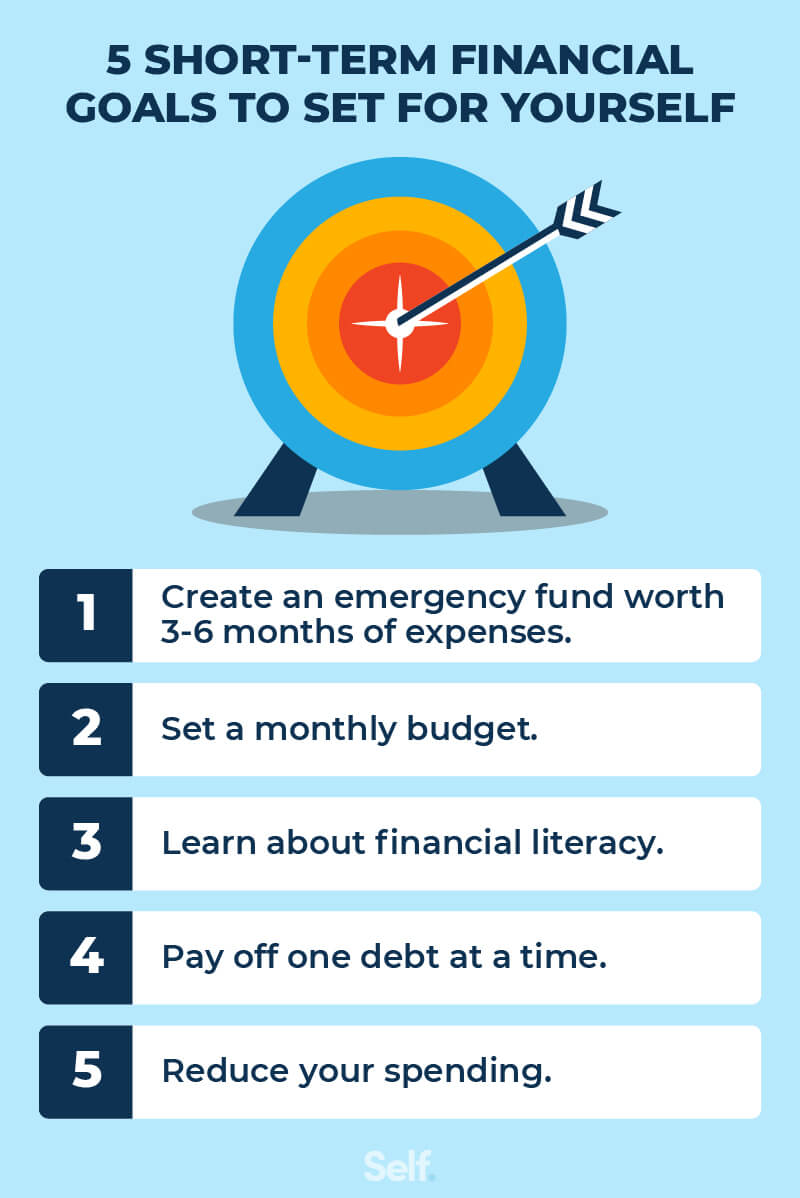
Short-term financial goals are typically those you aim to achieve within one to two years. These are often foundational goals that provide immediate stability and peace of mind. Examples include building an emergency fund (e.g., three to six months of living expenses), paying off small, high-interest debts like credit card balances, saving for a vacation, or accumulating funds for a significant purchase like a new appliance. These goals are crucial because they establish good financial habits, provide a safety net, and lay the groundwork for tackling larger objectives. Achieving them offers quick wins that boost motivation and demonstrate the tangible benefits of disciplined financial management.
Medium-Term Financial Goals: Bridging the Gap
Medium-term financial goals typically span a timeframe of two to ten years. These goals often require more substantial savings and more strategic planning. Common examples include saving for a down payment on a house, purchasing a new car, funding a child’s private school tuition, paying off student loans, or starting a small business. These goals often represent significant life milestones that demand consistent effort and often involve a blend of saving and strategic investing to maximize growth within a reasonable timeframe. They serve as a vital link between the immediate present and the distant future, requiring sustained focus and periodic review.
Long-Term Financial Goals: Building Your Legacy
Long-term financial goals are those that extend beyond ten years, often reaching several decades into the future. These are typically the most significant and impactful goals, shaping your financial security and lifestyle in retirement and beyond. Key examples include comprehensive retirement planning (e.g., contributing to 401(k)s, IRAs, or other investment vehicles), funding a child’s college education, accumulating substantial wealth for legacy planning, or achieving complete financial independence. Long-term goals demand patience, consistent investing, and a keen understanding of compound interest. They often involve higher-risk, higher-reward investment strategies and require regular adjustments to accommodate market fluctuations and life changes. These goals are about building enduring wealth and securing a comfortable future.
The Blueprint for Success: Crafting SMART Financial Goals
Once you understand the different types of financial goals, the next critical step is to articulate them effectively. The SMART framework provides a powerful, universally recognized methodology for setting objectives that are not only ambitious but also achievable and trackable. This framework transforms vague intentions into concrete action plans.
Specificity: The Power of Clarity
A specific goal clearly defines what you want to achieve, why it’s important, and how you plan to accomplish it. Instead of “I want to save money,” a specific goal would be: “I want to save $10,000 for a down payment on a new car by December 2025.” This level of detail removes ambiguity and provides a clear target to aim for. It answers the questions: What exactly do I want to achieve? Who is involved? Where will this happen? Why is this goal important?
Measurability: Tracking Your Progress
A measurable goal includes concrete criteria for tracking progress and determining when the goal has been met. This involves quantifying your objective. For instance, if your goal is to save $10,000, you can measure your progress by tracking how much you save each month. This allows you to stay motivated by seeing your advancements and makes it easier to identify if you are falling behind and need to adjust your strategy. Measurable goals answer: How much? How many? How will I know when it is accomplished?
Achievability: Grounding Dreams in Reality
An achievable goal is one that is realistic and attainable given your current resources, skills, and constraints. While it should challenge you, it shouldn’t be so far-fetched that it leads to discouragement and abandonment. Assess your income, expenses, and current financial situation to ensure your goal is within reach. This might involve scaling back a goal or extending its timeline to make it more realistic. Achievability asks: Can I realistically achieve this goal with the resources I have or can acquire?
Relevance: Aligning Goals with Values
A relevant goal aligns with your broader life values and long-term aspirations. It should matter to you personally and contribute to your overall life plan. Saving for a down payment on a house is relevant if homeownership is a significant life goal for you. If a goal doesn’t resonate with your values, it’s harder to stay committed to it. Relevance ensures your efforts are directed towards what truly matters, answering: Is this the right time? Is this worthwhile? Does this align with my other goals and values?
Time-Bound: Setting Deadlines for Action
A time-bound goal has a clearly defined deadline or target date for completion. This creates a sense of urgency and prevents procrastination. Without a deadline, a goal can drift indefinitely, making it less likely to be achieved. For example, stating “I will save $10,000 for a car down payment by December 2025” provides a clear timeline for action and accountability. Time-bound goals answer: When will I achieve this goal? What can I do today, this week, or this month to move toward it?
Practical Strategies for Achieving Your Financial Milestones
Setting SMART financial goals is a crucial first step, but it is the consistent application of practical strategies that truly brings them to fruition. Achievement requires discipline, ongoing effort, and a willingness to adapt.
Assess Your Current Financial Landscape
Before you can chart a course, you need to know your starting point. Conduct a thorough review of your current financial situation. This includes calculating your net worth (assets minus liabilities), understanding your income and expenses, and identifying any existing debts. Tools like spreadsheets or budgeting apps can help you gain a clear picture of where your money is going and where your financial strengths and weaknesses lie. This assessment provides the data needed to set realistic and achievable goals.
Develop a Robust Budget and Stick to It
A budget is the cornerstone of successful financial goal achievement. It’s a detailed plan that outlines how you will spend and save your money over a specific period. Creating a budget allows you to allocate funds strategically towards your goals, identify areas where you can cut unnecessary expenses, and ensure you are living within your means. The key is not just to create a budget but to consistently adhere to it. Regularly review your budget to ensure it still aligns with your goals and adjust it as your income or expenses change.
Prioritize and Automate Your Savings and Investments
Make saving for your goals a priority, not an afterthought. One of the most effective strategies is to “pay yourself first.” This means automating transfers from your checking account to your savings and investment accounts immediately after you receive your paycheck. By automating, you remove the temptation to spend the money and ensure consistent progress towards your goals. Prioritize higher-interest debts or critical goals like retirement savings first, especially if your employer offers matching contributions to retirement accounts.
Regularly Review and Adjust Your Plan
Financial planning is not a one-time event; it’s an ongoing process. Life is dynamic, and your financial situation, goals, and the broader economic landscape will inevitably change. Schedule regular check-ins (e.g., monthly, quarterly, or annually) to review your progress against your goals. Are you on track? Have your priorities shifted? Do you need to adjust your budget or investment strategy? Being flexible and willing to adapt your plan is essential for long-term success.
Seek Professional Guidance When Needed
While many aspects of financial planning can be managed independently, certain situations may benefit from expert advice. If you have complex financial circumstances, significant investment portfolios, or simply feel overwhelmed, consulting with a certified financial planner can be invaluable. A professional can help you refine your goals, develop a comprehensive strategy, optimize your investments, and navigate tax implications, providing tailored advice that aligns with your specific situation and aspirations.
The Transformative Benefits of Reaching Your Financial Goals
The journey of setting and achieving financial goals is profoundly rewarding, yielding benefits that extend far beyond monetary gains. It’s a transformative process that enhances various aspects of your life.
Enhanced Financial Security and Freedom
Perhaps the most apparent benefit of achieving financial goals is the significant boost in financial security. An emergency fund provides a cushion against unexpected expenses, while accumulated savings for a down payment or retirement means less reliance on debt and more control over your future. This security translates into a deeper sense of financial freedom—the ability to make choices based on your desires and values, rather than being dictated by financial constraints. It empowers you to pursue passions, take calculated risks, and live life on your own terms.
Reduced Stress and Improved Well-being
Financial worries are a leading cause of stress and anxiety. By setting clear financial goals and actively working towards them, you gain a sense of control over your money, which directly reduces this burden. Knowing you have a plan for unexpected events, that you’re making progress toward long-term security, and that your future is in your hands can lead to a profound improvement in mental and emotional well-being. This reduction in stress frees up mental and emotional energy, allowing you to focus on other important aspects of your life, from relationships to personal growth.

The Realization of Personal Dreams and Aspirations
Ultimately, financial goals are not just about money; they are about realizing your dreams. Whether it’s buying your dream home, sending your children to the best schools, traveling the world, starting a charity, or enjoying a comfortable retirement, money is often a tool that enables these aspirations. By effectively managing your finances and achieving your goals, you are actively building the life you envision, one financial milestone at a time. The satisfaction of turning abstract dreams into tangible realities is an unparalleled reward for diligent financial planning and execution.
aViewFromTheCave is a participant in the Amazon Services LLC Associates Program, an affiliate advertising program designed to provide a means for sites to earn advertising fees by advertising and linking to Amazon.com. Amazon, the Amazon logo, AmazonSupply, and the AmazonSupply logo are trademarks of Amazon.com, Inc. or its affiliates. As an Amazon Associate we earn affiliate commissions from qualifying purchases.