
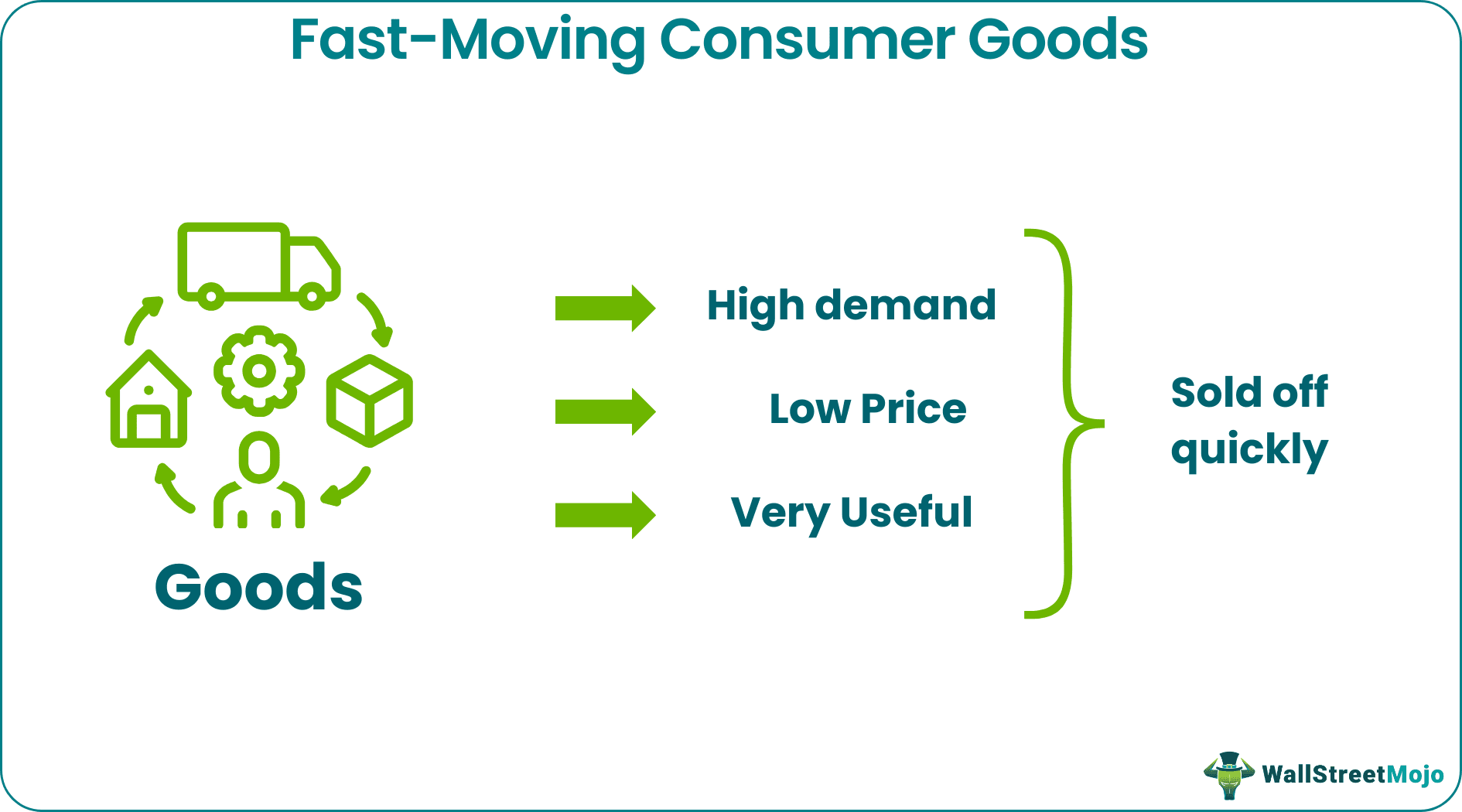
Fast-Moving Consumer Goods (FMCG), often referred to as Consumer Packaged Goods (CPG), represent a fundamental segment of the global economy. These are products that are sold quickly and at relatively low cost. Think about the items you regularly purchase from a supermarket or a local convenience store – from the milk you pour on your cereal to the toothpaste you use every morning, and the soap you use to wash your hands. These everyday essentials form the backbone of the FMCG sector.
The defining characteristics of FMCG are their rapid turnover and low unit price. This means businesses producing and selling these goods rely on high sales volumes to achieve profitability. Unlike durable goods such as furniture or electronics, which consumers purchase infrequently, FMCG are typically bought on a recurring basis. This constant demand creates a dynamic and competitive market where brand loyalty, effective distribution, and aggressive marketing play crucial roles in success. Understanding the intricacies of FMCG is vital for businesses operating within this sector, investors looking for stable returns, and even consumers seeking to understand the market forces that shape their purchasing decisions.

The Core Characteristics and Categories of FMCG
At its heart, the FMCG sector is defined by a set of distinct attributes that differentiate it from other consumer goods markets. These characteristics inform the strategies employed by manufacturers and retailers alike, and dictate the consumer experience. The sheer breadth of products within this category necessitates a clear understanding of sub-sectors to grasp the full scope of the FMCG landscape.
Defining Attributes: Speed and Volume
The “fast-moving” aspect of FMCG is not merely a catchy descriptor; it is the fundamental operational driver. This speed is reflected in several key metrics:
- High Sales Velocity: FMCG products are purchased by consumers frequently. This translates to a high turnover rate in retail environments, meaning shelves are restocked often, and inventory moves quickly. A loaf of bread, a bottle of soda, or a pack of tissues will typically sell out and be replenished within days, if not hours.
- Low Unit Price: The affordability of FMCG is a critical factor driving their high sales volume. Consumers can easily afford to make repeat purchases of these items without significant financial strain. This contrasts sharply with goods like a car or a television, where the purchase is a major financial decision often made only once every several years.
- Short Shelf Life: Many FMCG products, particularly food and beverages, have a limited shelf life. This necessitates efficient supply chain management and rapid distribution to prevent spoilage and waste. Even non-perishable items like detergents and toiletries are designed for regular, repeated use, ensuring their consistent demand.
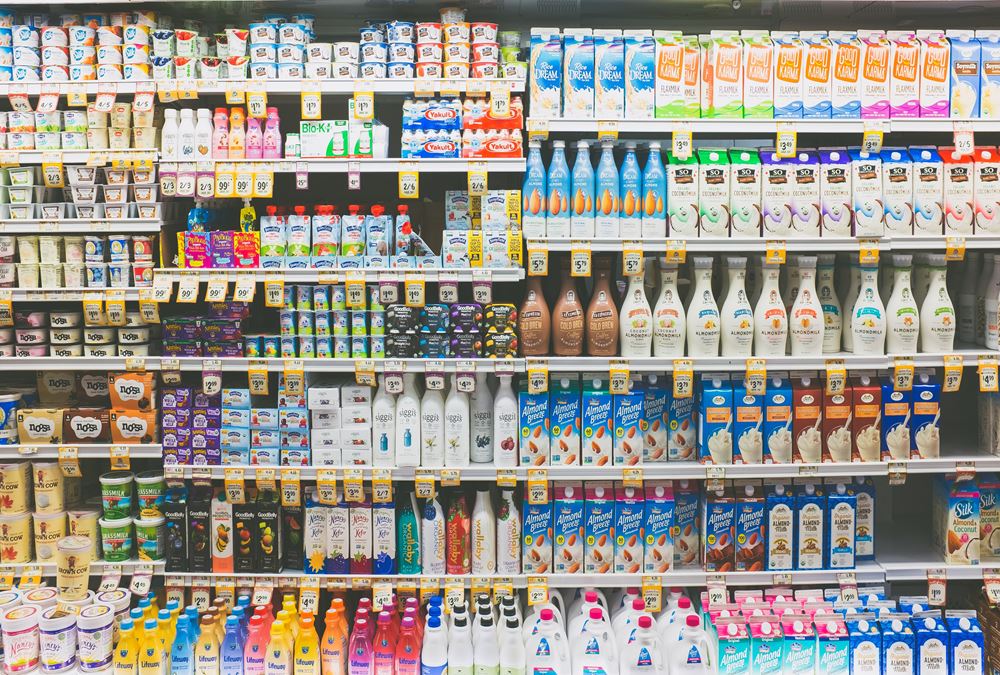
- Low Consumer Involvement: Consumers typically do not spend a great deal of time researching or deliberating over FMCG purchases. The decision-making process is often habitual or based on immediate need and brand recognition. This low involvement means that impulse purchases and prominent in-store placement have a significant impact on sales.
- Mass Distribution and Availability: For FMCG to be “fast-moving,” they must be readily available to consumers. This requires extensive distribution networks, reaching a wide array of retail outlets, from large hypermarkets and supermarkets to small convenience stores and even online platforms. Ubiquity is key to capturing a broad customer base.
Key FMCG Categories
The vast array of products that fall under the FMCG umbrella can be broadly categorized, providing a clearer picture of the sector’s diversity and its pervasive presence in daily life:
- Food and Beverages: This is arguably the largest and most diverse segment. It includes everything from staple groceries like grains, dairy, and produce, to processed foods, snacks, confectionery, soft drinks, alcoholic beverages, and hot beverages. The constant need for sustenance and refreshment fuels this category’s perpetual motion.
- Health and Personal Care: Products that contribute to hygiene, grooming, and well-being are also core FMCG. This encompasses toiletries like soap, shampoo, conditioner, toothpaste, deodorant, and cosmetics. It also includes over-the-counter (OTC) healthcare products such as pain relievers, bandages, and vitamins.
- Household Cleaning Products: Keeping homes clean and hygienic is a continuous task, leading to consistent demand for cleaning supplies. This category includes laundry detergents, dishwashing liquids, surface cleaners, air fresheners, and disinfectants.
- Paper Products: Essential for both personal and household use, paper products represent another significant FMCG segment. This includes items like toilet paper, facial tissues, paper towels, and napkins.
- Tobacco and Alcohol: While sometimes categorized separately due to regulatory and social considerations, these products often exhibit FMCG characteristics in terms of high consumption and frequent purchase.
Each of these categories, while distinct, shares the common thread of being indispensable to modern life, driving the continuous demand and rapid sales that define the FMCG sector.
The Business of FMCG: Strategy, Innovation, and Distribution
The FMCG industry is characterized by intense competition, driven by the need to capture and retain market share in a landscape where product differentiation can be subtle. Success hinges on sophisticated strategies encompassing product development, brand building, and, crucially, an efficient and pervasive distribution network.
Product Innovation and Differentiation
In a market flooded with similar offerings, innovation is paramount for FMCG companies. This innovation can manifest in several ways, aiming to capture consumer attention and build loyalty:
- Product Improvement: This involves enhancing existing products through better formulations, improved packaging, or added benefits. For example, a new laundry detergent might offer superior stain removal or a more eco-friendly formula.
- New Product Development: This is the creation of entirely new products to meet emerging consumer needs or desires. This could be a new flavor of snack, a novel personal care item, or a convenience food solution. The success of new products is often dependent on extensive market research and understanding consumer trends.
- Packaging Innovation: Packaging plays a critical role in FMCG. It needs to be functional, attractive, and informative. Innovations can include more convenient dispensing mechanisms, sustainable materials, smaller single-serving options, or multipacks designed for families. Packaging is often the first point of contact a consumer has with a product, and it can significantly influence purchase decisions.
- Value-Added Features: Offering additional benefits beyond the basic product function can be a powerful differentiator. This might include claims of being organic, cruelty-free, hypoallergenic, or having specific health benefits. These features cater to evolving consumer preferences and ethical considerations.
- Promotional Pricing and Bundling: While not strictly product innovation, strategic pricing and promotional offers are vital tools for driving trial and encouraging purchase. This can involve temporary price reductions, buy-one-get-one-free deals, or bundled offers that provide perceived value to the consumer.
The Critical Role of Distribution Networks
For FMCG, availability is king. Without a robust and efficient distribution system, even the best products will languish on shelves. The goal is to ensure that products are accessible to consumers wherever and whenever they wish to purchase them.
- Wholesalers and Distributors: The traditional backbone of FMCG distribution, wholesalers purchase goods in bulk from manufacturers and sell them to a multitude of retailers. This allows manufacturers to focus on production while outsourcing the complex task of reaching smaller businesses.
- Direct Distribution: Larger retailers or those with significant purchasing power may deal directly with manufacturers, streamlining the supply chain and potentially reducing costs. This often involves sophisticated logistics and inventory management systems.
- Retail Channels: FMCG products are found in a diverse range of retail environments:
- Supermarkets and Hypermarkets: These are the primary retail giants for FMCG, offering a vast selection and often competing on price.
- Convenience Stores: These smaller outlets cater to immediate needs and impulse purchases, requiring a constant supply of popular, fast-selling items.
- Specialty Stores: While less common for mass-market FMCG, some niche products might find a home in specialized shops.
- Online Retail and E-commerce: The digital landscape has transformed FMCG distribution. Online grocers, direct-to-consumer (DTC) models, and marketplace platforms have become increasingly significant channels, offering convenience and wider selection to consumers.
- Logistics and Supply Chain Management: Efficient logistics are the engine of FMCG distribution. This involves warehousing, transportation, inventory control, and demand forecasting. Companies must ensure products are delivered on time, in the right quantities, and in optimal condition, especially for perishable goods. This often involves sophisticated technology and data analytics to optimize routes, manage stock levels, and predict demand fluctuations.
The interplay between product strategy and distribution excellence is what truly defines the success of an FMCG brand. A brilliant product that can’t reach consumers effectively will fail, and a widely available product that lacks appeal will not sell.
Marketing and Consumer Behavior in the FMCG Landscape
The FMCG sector is a masterclass in understanding and influencing consumer behavior. Given the low unit price and high purchase frequency, brands must constantly engage consumers, build recognition, and encourage repeat purchases through astute marketing and by appealing to fundamental consumer psychology.
Building and Maintaining Brand Loyalty
In a market where price competition can be fierce, brand loyalty is a crucial asset for FMCG companies. It transforms a transactional purchase into an emotional connection, fostering repeat business and reducing the reliance on constant promotional discounting.
- Brand Recognition and Awareness: Consistent and impactful advertising is key to ensuring consumers recognize a brand amidst a crowded marketplace. This can involve memorable jingles, iconic logos, and recurring advertising campaigns across various media.
- Emotional Connection: Brands often strive to forge an emotional bond with consumers. This might be achieved by associating the product with positive values, aspirations, or specific life moments. For example, a food brand might evoke feelings of family togetherness, while a personal care brand might promote self-confidence.
- Perceived Quality and Trust: Consumers develop trust in brands that consistently deliver on their promises. This is built through reliable product performance, transparent communication, and positive word-of-mouth. A reputation for quality is hard-won and easily lost.
- Habit Formation: The repetitive nature of FMCG purchases can lead to the formation of purchasing habits. Brands aim to become the default choice, the option consumers reach for without conscious deliberation. This is often reinforced by prominent shelf placement and easy accessibility.
- Loyalty Programs and Rewards: While less common for individual FMCG items compared to larger purchases, some retailers and brands implement loyalty programs that offer discounts, points, or exclusive offers to frequent shoppers, further incentivizing repeat purchases.
The Influence of Advertising and Promotion
Advertising and promotional activities are the lifeblood of FMCG marketing. They are designed to capture attention, communicate benefits, and drive immediate sales.
- Mass Media Advertising: Television, radio, and print advertising remain important channels for reaching broad audiences, particularly for established brands. These mediums allow for storytelling and emotional resonance.
- Digital Marketing: The digital realm offers a highly targeted and measurable approach. This includes:
- Social Media Marketing: Engaging consumers on platforms like Facebook, Instagram, and TikTok through content, influencer collaborations, and targeted ads.
- Search Engine Marketing (SEM): Ensuring products are discoverable when consumers search online for related items.
- Content Marketing: Providing valuable information or entertainment related to the product category to build brand authority and engage consumers.
- Email Marketing: Communicating directly with customers, offering promotions and new product updates.
- In-Store Promotions and Point-of-Sale (POS) Marketing: The retail environment is a critical battleground. This includes:
- Shelf Placement: Securing prominent positions on shelves, at eye level, or at the end of aisles, to maximize visibility.
- Displays and Merchandising: Creating eye-catching displays and attractive product arrangements to draw attention.
- Sampling and Demonstrations: Allowing consumers to try products in-store, especially for new food items or personal care products.
- Coupons and Discounts: Offering immediate financial incentives to encourage purchase.
- Public Relations (PR): Generating positive media coverage through product launches, corporate social responsibility initiatives, or expert endorsements can build credibility and brand image.
Understanding Consumer Decision-Making
The low-involvement nature of FMCG purchases means that decisions are often made quickly, influenced by a range of factors:
- Price: For many consumers, price is a primary driver, especially when comparing similar products.
- Brand Familiarity: Consumers tend to stick with brands they know and trust, reducing the perceived risk of a purchase.
- Availability and Convenience: If a desired product is not easily accessible, consumers are likely to opt for an alternative.
- Packaging Appeal: The visual attractiveness and clarity of packaging can significantly influence impulse buys.
- Promotional Offers: Discounts, BOGO deals, and coupons can sway purchasing decisions, especially for price-sensitive consumers.
- Word-of-Mouth and Reviews: While low-involvement, consumers may still be influenced by recommendations from friends, family, or online reviews for certain product categories.
By mastering the art of marketing and deeply understanding the nuances of consumer behavior, FMCG companies can navigate this competitive landscape and maintain their position as essential providers of everyday goods.
The Future of FMCG: Sustainability, Technology, and Evolving Consumer Demands
The FMCG sector, while seemingly stable due to its inherent demand, is not immune to the forces of change. As consumer expectations evolve and technological advancements reshape industries, the future of fast-moving consumer goods will be defined by adaptation and innovation in key areas. The emphasis is shifting from mere volume and affordability to encompass ethical considerations, personalized experiences, and seamless integration with digital life.
Sustainability and Ethical Consumption
Increasingly, consumers are making purchasing decisions based on the environmental and social impact of the products they buy. This trend is profoundly influencing the FMCG sector, demanding greater accountability and innovation in sustainability.
- Eco-Friendly Packaging: The reliance on single-use plastics has come under intense scrutiny. FMCG companies are investing heavily in developing and implementing sustainable packaging solutions. This includes:
- Recyclable and Biodegradable Materials: Shifting away from traditional plastics towards materials that can be easily recycled or naturally decompose.
- Reduced Packaging: Minimizing the amount of packaging used without compromising product integrity or consumer convenience.
- Refillable and Reusable Options: Exploring business models that allow consumers to refill existing containers, reducing waste generation.
- Ethical Sourcing and Production: Consumers are more aware of the origins of their products and the conditions under which they are made. This is driving demand for ethically sourced ingredients, fair labor practices, and transparent supply chains. Brands that can demonstrate a commitment to social responsibility and ethical production are likely to gain a competitive edge.
- Carbon Footprint Reduction: Companies are under pressure to reduce their greenhouse gas emissions throughout the entire value chain, from manufacturing and transportation to product use and disposal. This involves optimizing logistics, investing in renewable energy, and developing more energy-efficient production processes.
- Waste Reduction: Beyond packaging, FMCG companies are focusing on minimizing food waste in production and distribution, and encouraging consumers to reduce household waste through product design and educational initiatives.
The Impact of Technology and Digitalization
Technology is a powerful disruptor and enabler within the FMCG sector, transforming everything from product development to consumer engagement and purchasing.
- E-commerce and Direct-to-Consumer (DTC) Models: The growth of online shopping has fundamentally altered how consumers purchase FMCG. DTC models allow brands to bypass traditional retailers and establish direct relationships with their customers, offering greater control over the brand experience and access to valuable consumer data.
- Data Analytics and Personalization: The vast amounts of data generated through online sales and digital interactions enable FMCG companies to gain deep insights into consumer preferences, purchasing habits, and unmet needs. This allows for hyper-personalization of marketing messages, product recommendations, and even tailored product formulations.
- Artificial Intelligence (AI) and Machine Learning (ML): AI and ML are being deployed to optimize supply chains, improve demand forecasting, enhance customer service through chatbots, and even assist in product development by analyzing market trends and consumer feedback.
- Smart Packaging and IoT: The integration of the Internet of Things (IoT) into packaging is an emerging trend. Smart packaging could offer features like tracking product freshness, providing detailed product information via QR codes, or even enabling automated reordering when a product is running low.
- Augmented Reality (AR) and Virtual Reality (VR): AR and VR are beginning to find applications in FMCG, from virtual product try-ons for cosmetics to immersive brand experiences that allow consumers to explore product origins or usage scenarios.
Evolving Consumer Demands and Preferences
Beyond sustainability and technology, broader shifts in consumer lifestyles and values are shaping the future of FMCG:
- Health and Wellness Focus: There is a growing demand for products that support healthy lifestyles. This includes an increased interest in organic, natural, and plant-based ingredients, as well as products that cater to specific dietary needs (e.g., gluten-free, low-sugar).
- Convenience and Ready-to-Eat Solutions: As lifestyles become busier, the demand for convenient, time-saving food and beverage options continues to rise. This includes ready-to-eat meals, meal kits, and single-serving portions.
- Experience-Driven Purchases: Consumers are increasingly seeking products that offer an enjoyable experience, not just a functional benefit. This can involve unique flavors, innovative textures, or aesthetically pleasing packaging.
- Ethical and Socially Conscious Consumption: Beyond environmental concerns, consumers are increasingly looking for brands that align with their personal values, whether it’s supporting local businesses, advocating for social justice, or promoting diversity and inclusion.
The FMCG sector is in a perpetual state of evolution. Brands that embrace sustainability, leverage technology effectively, and remain attuned to the changing desires of consumers will be best positioned to thrive in the dynamic marketplace of the future.
aViewFromTheCave is a participant in the Amazon Services LLC Associates Program, an affiliate advertising program designed to provide a means for sites to earn advertising fees by advertising and linking to Amazon.com. Amazon, the Amazon logo, AmazonSupply, and the AmazonSupply logo are trademarks of Amazon.com, Inc. or its affiliates. As an Amazon Associate we earn affiliate commissions from qualifying purchases.