
To the casual observer, an exhaust system is simply a series of metal pipes exiting the rear of a vehicle. However, within the realm of automotive technology, the exhaust system is a sophisticated engineering marvel. It is a multi-stage processing plant that manages thermal energy, filters toxic chemical byproducts, and utilizes complex sensor arrays to provide real-time data to a vehicle’s onboard computer. As the automotive industry shifts toward more sustainable and high-performance solutions, the technology behind exhaust systems has evolved from basic plumbing into an essential component of digital engine management and environmental science.
The Architecture of Modern Exhaust Engineering
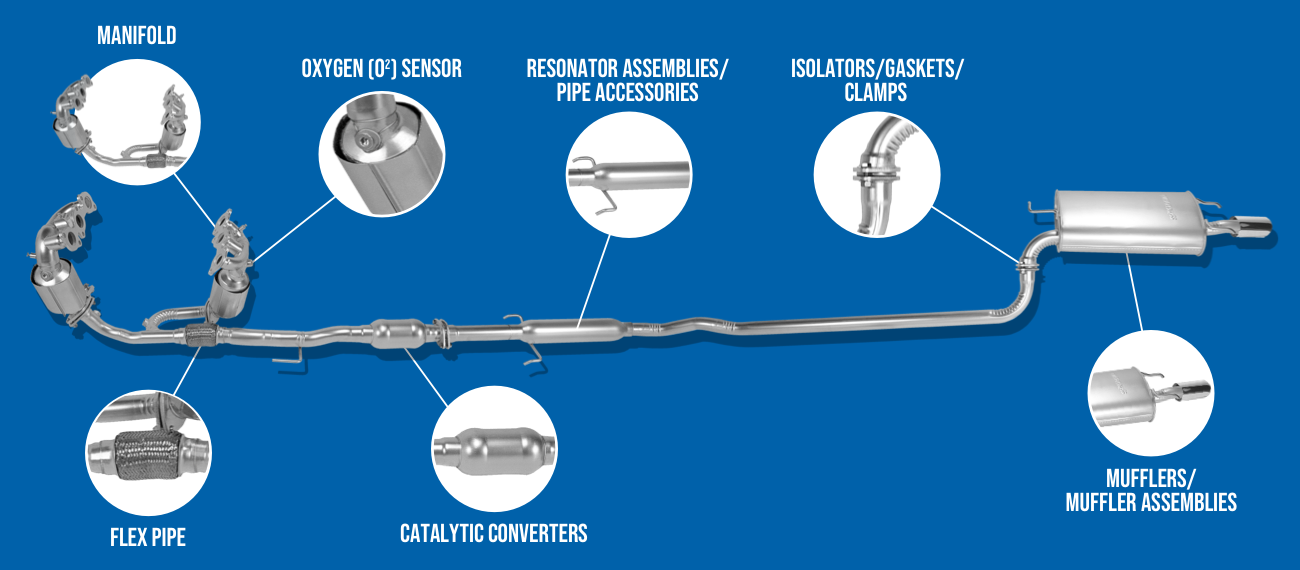
At its core, a modern exhaust system is designed to facilitate the “scavenging” process—the extraction of spent combustion gases from the engine cylinders. This is not merely a passive flow; it is a highly tuned exercise in fluid dynamics. The design of the system determines how efficiently an engine can breathe, which directly impacts horsepower, torque, and fuel efficiency.
The Manifold and the Science of Scavenging
The journey begins at the exhaust manifold, where the technology of “pulse tuning” takes center stage. Engineers use Computational Fluid Dynamics (CFD) software to design manifolds that ensure the high-pressure pulses from one cylinder do not interfere with another. In high-performance tech, headers are designed with equal-length runners to ensure that exhaust pulses arrive at the collector at precisely timed intervals. This creates a vacuum effect (scavenging) that helps pull the next charge of air and fuel into the combustion chamber, optimizing the volumetric efficiency of the engine.
Catalytic Converters: The Chemical Laboratory
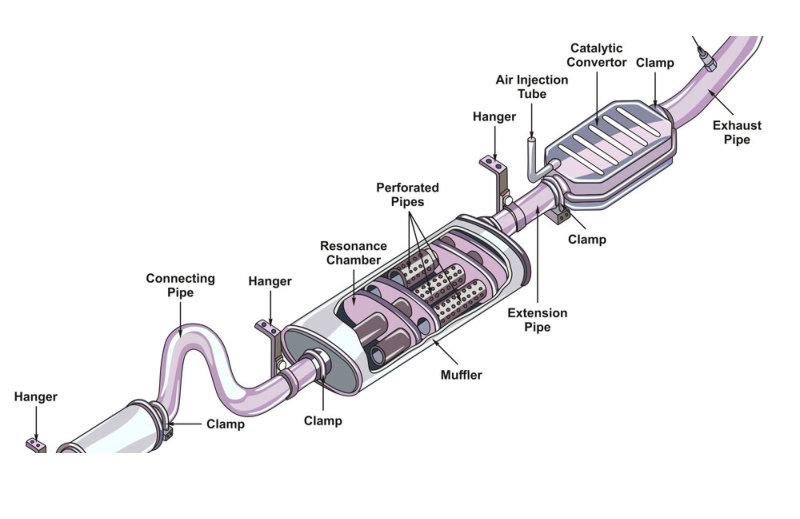
Perhaps the most significant technological leap in exhaust history is the catalytic converter. This component acts as a high-temperature chemical reactor. Using a ceramic honeycomb structure coated with precious metals like platinum, palladium, and rhodium, the converter facilitates a redox reaction. It converts toxic gases—carbon monoxide (CO), nitrogen oxides (NOx), and unburned hydrocarbons—into less harmful substances like nitrogen, carbon dioxide, and water vapor. Modern converters are engineered to reach “light-off” temperature as quickly as possible, as the tech is most effective when the substrate is scorching hot.
Sound Suppression and Acoustic Engineering
The muffler and resonator are the components responsible for the auditory signature of a vehicle. This is an area where mechanical engineering meets acoustic physics. Inside a muffler, a series of perforated tubes and chambers are designed to create destructive interference. When sound waves of the same frequency meet in a specific way, they cancel each other out. Higher-end technological applications now include “active valve” systems, which use electronic actuators to change the exhaust path based on the vehicle’s drive mode, effectively altering the backpressure and acoustic profile in real-time.
Digital Integration: Sensors and Electronic Control Units (ECUs)
In the current tech landscape, an exhaust system is no longer a “dumb” component. It is a critical source of data for the vehicle’s Electronic Control Unit (ECU). Without the constant stream of information from the exhaust, modern fuel-injection systems would be unable to function with the precision required by today’s regulatory standards.
Oxygen (O2) Sensors and Real-Time Feedback Loops
The O2 sensor is the “nose” of the vehicle. Located before and after the catalytic converter, these sensors monitor the level of oxygen in the exhaust stream. This data is transmitted to the ECU to determine the “Lambda”—the air-fuel ratio. If the exhaust contains too much oxygen, the engine is running “lean”; too little, and it is running “rich.” The technology allows the engine to make micro-adjustments to fuel delivery thousands of times per minute. This closed-loop feedback system is the backbone of modern engine efficiency and digital diagnostics.
Particulate Filters and Automated Regeneration Systems
For diesel engines and increasingly for gasoline direct injection (GDI) engines, Particulate Filters (DPF or GPF) have become standard tech. These filters trap soot and fine particulates that would otherwise be released into the atmosphere. However, the true technology lies in the “regeneration” cycle. Sensors monitor the pressure differential across the filter; when the soot load reaches a certain threshold, the ECU initiates a regeneration phase. It alters the fuel timing to raise exhaust temperatures to over 600°C, effectively burning off the trapped soot and cleaning the filter autonomously.
Selective Catalytic Reduction (SCR) and Sensor Arrays
In heavy-duty and modern diesel tech, the exhaust system incorporates Selective Catalytic Reduction. This involves injecting a urea-based solution (often known as AdBlue) into the exhaust stream. A specialized NOx sensor monitors the efficiency of this process. This chemical injection technology allows diesel engines to meet incredibly stringent emission standards by breaking down nitrogen oxides into harmless nitrogen and water, representing a peak in the marriage of chemical engineering and digital monitoring.
Material Science and Performance Optimization
The environment within an exhaust system is brutal, characterized by extreme thermal cycling and corrosive gases. Consequently, the technology of materials is a major focus for R&D departments.
Lightweight Alloys: Titanium vs. Inconel
In the high-tech world of supercars and aerospace-grade automotive engineering, traditional mild steel has been replaced. Stainless steel (specifically 304 and 409 grades) is the industry standard for durability, but for top-tier performance, engineers turn to Titanium and Inconel. Titanium offers a significant weight reduction—often 40% to 50% lighter than steel—which improves the vehicle’s power-to-weight ratio. Inconel, a nickel-chromium-based superalloy, is used in extreme heat applications (like Formula 1 or turbocharged manifolds) because it maintains its structural integrity at temperatures where most metals would soften or oxidize.
Thermal Management and Ceramic Coatings
Heat is the enemy of efficiency. When heat escapes the exhaust pipes, it raises the temperature of the engine bay, which can lead to “heat soak” and reduced performance. The tech solution involves advanced thermal barriers. This includes integrated heat shields and, more recently, ceramic thermal coatings. These coatings, often applied via plasma spray, serve as an insulator, keeping the heat inside the exhaust pipes. This not only protects surrounding components but also maintains higher exhaust gas velocities, as hotter gases move faster, further improving scavenging.
Computational Fluid Dynamics (CFD) in Exhaust Design
Before a physical prototype is ever built, engineers use CFD software to simulate gas flow. This technology allows designers to visualize turbulence, backpressure, and velocity within the system. By iterating in a virtual environment, tech companies can optimize the diameter of the piping and the geometry of the bends to ensure maximum throughput with minimal restriction. This digital-first approach has drastically reduced the development time for new propulsion systems.
The Future: Hydrogen and the Zero-Emission Evolution
As the automotive world moves toward decarbonization, the “exhaust system” is undergoing its most radical transformation yet. The role of the exhaust is changing from a waste-management system for carbon to a specialized management system for alternative fuels.
Water Vapor Management in H2 Combustion
In hydrogen internal combustion engines (H2ICE), the “exhaust” is primarily water vapor. However, this presents new technological challenges. High volumes of water vapor can lead to condensation and corrosion issues far more severe than those found in gasoline engines. Engineers are currently developing specialized “water separators” and heated exhaust paths to manage this byproduct, ensuring that the moisture does not freeze in cold climates or damage the vehicle’s infrastructure.
The Transition to Acoustic Technology for Electric Vehicles (EVs)
While pure Electric Vehicles do not have an exhaust system in the traditional sense, the “tech” of the exhaust is being reimagined through Acoustic Vehicle Alerting Systems (AVAS). Because EVs are nearly silent, they pose a risk to pedestrians. Manufacturers are using the “spirit” of exhaust engineering—specifically the science of sound frequency—to create external speaker systems that mimic the auditory feedback of a traditional engine. This involves sophisticated digital signal processing (DSP) to generate sounds that change pitch and volume based on the vehicle’s speed and torque load.

Integrated Carbon Capture Technology
The next frontier in exhaust tech is on-board carbon capture. Research is currently underway to develop exhaust systems that can “scrub” CO2 directly from the stream before it leaves the tailpipe. This involves a combination of chemical absorbents and cooling technologies that would store the carbon in a liquid or solid state to be emptied at a specialized facility. While still in the experimental phase, this represents the ultimate technological goal: an exhaust system that contributes to a net-zero or even carbon-negative footprint.
In conclusion, the exhaust system is a cornerstone of automotive technology. From the precision of the manifold’s geometry to the complex digital feedback loops provided by O2 and NOx sensors, it is a system that balances the conflicting demands of power, sound, and environmental responsibility. As we look toward a future of diverse propulsion methods, the engineering expertise gained from decades of exhaust development will continue to drive innovation in thermal management, material science, and digital optimization.
aViewFromTheCave is a participant in the Amazon Services LLC Associates Program, an affiliate advertising program designed to provide a means for sites to earn advertising fees by advertising and linking to Amazon.com. Amazon, the Amazon logo, AmazonSupply, and the AmazonSupply logo are trademarks of Amazon.com, Inc. or its affiliates. As an Amazon Associate we earn affiliate commissions from qualifying purchases.