
The dietary classification of organisms is one of the foundational pillars of biological study, yet the term “omnivore” is often misunderstood in its broader implications. At its core, an omnivore is an organism that has the physiological and behavioral capacity to derive energy and nutrients from both plant and animal matter. This dietary flexibility is not merely a biological quirk; it is a profound evolutionary strategy that allows species to thrive in fluctuating environments where the availability of specific food sources may be ephemeral. By maintaining a generalized diet, omnivores exhibit a resilience that specialized feeders—such as obligate carnivores or dedicated herbivores—often lack.
The Evolutionary Advantage of Dietary Plasticity
The primary driver behind the evolution of omnivory is survival in unpredictable ecosystems. When an environment shifts due to climate changes, seasonal variations, or the migration of prey, the organism that relies solely on one food source faces an existential threat. The omnivore, however, pivots. If the local vegetation fails to produce fruit or seeds, the omnivore can shift its focus to small insects, scavenged carrion, or aquatic life.
Metabolic Versatility
The success of omnivorous species is rooted in their complex digestive systems. Unlike the highly specialized gut tracts of ruminants, which are designed to ferment cellulose, or the short, acidic tracts of apex predators, omnivores possess a balanced system capable of processing a wide range of molecular structures. This includes the ability to break down complex carbohydrates through salivary and pancreatic amylase, while simultaneously retaining the capacity to digest proteins and lipids derived from animal tissue.
Niche Expansion and Resource Utilization
Omnivory allows a species to occupy a much larger ecological niche. While a specialist may be restricted to a specific canopy layer or a single type of terrain, the omnivore can exploit resources across vertical and horizontal planes. This leads to higher population densities and a greater ability to colonize new territories, as the species is not tethered to the presence of a single, localized food source.
Terrestrial Omnivores: Masters of Land and Forest
When we look at land-dwelling creatures, the examples of omnivory are as diverse as the habitats they inhabit. Many of the most successful mammalian survivors have adopted an omnivorous lifestyle as a hedge against scarcity.
The Ursine Strategy
Bears, particularly the brown bear and the American black bear, serve as the quintessential example of large-mammal omnivory. While often associated with hunting salmon or scavenging carcasses, a significant portion of a bear’s caloric intake comes from grasses, berries, roots, and tubers. This dietary duality is essential for the bear’s survival; the high-fat content of animal proteins helps build the necessary lipid stores for winter hibernation, while the seasonal abundance of fruits and nuts provides the essential micronutrients and quick sugars needed for active foraging.
Primates and the Roots of Human Diet
Humans are the ultimate generalist omnivores, and our primate cousins provide a clear window into the origins of this behavior. Chimpanzees, while heavily reliant on fruits and leaves, are known to hunt small monkeys and raid bird nests for eggs. This ancestral tendency toward “opportunistic feeding” was a critical factor in the development of the human brain. The caloric density provided by animal proteins and fats allowed for the metabolic “luxury” of developing a larger, more energy-demanding central nervous system, which was then fueled by the consistent availability of plant-based carbohydrates.
Small-Scale Foragers
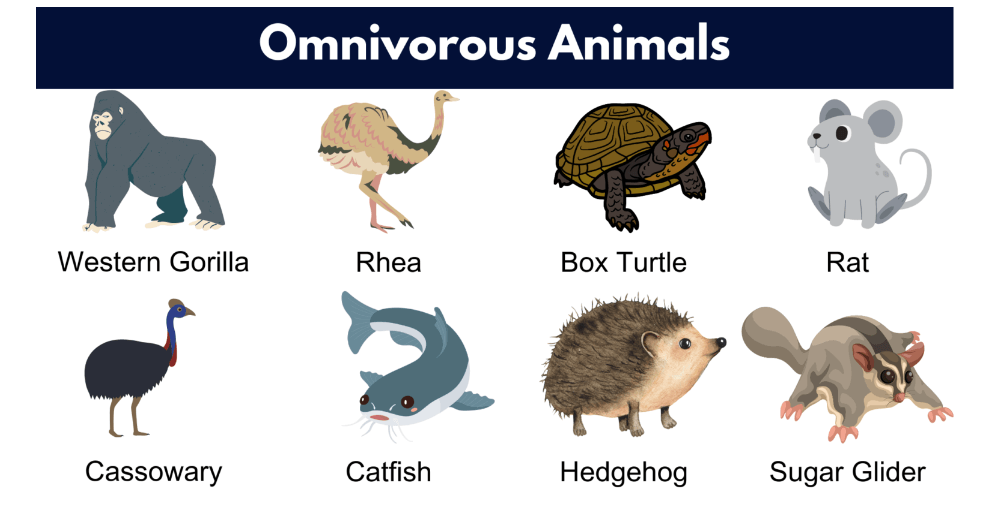
Beyond the megafauna, rodents such as rats and mice represent the extreme success of omnivory. The common brown rat, for example, is capable of consuming almost anything organic. This adaptability has made them one of the most successful invasive species on the planet, as they are capable of living in human proximity, feeding on discarded human waste, while simultaneously foraging in the wild for seeds, invertebrates, and fledgling birds.

Avian and Aquatic Omnivores: Breaking Conventional Categories
While mammals are often the first examples cited, birds and aquatic life forms exhibit equally fascinating omnivorous traits. The boundaries of the food chain are frequently blurred in water and air, where movement is fluid and resource availability changes by the hour.
The Opportunistic Birds
Crows and ravens are perhaps the most intelligent examples of avian omnivory. Their ability to solve complex problems is inextricably linked to their diet. To successfully exploit a diet that ranges from carrion and roadkill to grains, seeds, and insects, these birds have developed high levels of cognitive function. This allows them to identify new food sources, track seasonal changes in resource availability, and even use tools to extract proteins from hard-to-reach places. Similarly, chickens—descendants of jungle fowl—are classic omnivores, rooting through soil for worms and insects while consuming seeds, leaves, and grains with equal enthusiasm.
Marine and Freshwater Generalists
In aquatic environments, many fish species are omnivorous, which is a vital adaptation for surviving in reefs or river systems where prey is often hidden or fast-moving. Certain species of catfish are notorious scavengers, consuming algae and organic detritus alongside live fish, crustaceans, and mollusks. This cleaning role is essential for the health of the aquatic ecosystem, as these omnivores prevent the accumulation of dead organic matter, effectively recycling nutrients back into the food web at an accelerated rate.
The Ecological Impact of Omnivory
The presence of omnivores in an ecosystem provides a stabilizing force that prevents any one population—be it plant or animal—from exploding out of control. Because their diet is flexible, they act as “buffer species.”
Ecosystem Balancing and Population Control
If a prey species begins to overpopulate, an omnivorous predator can shift its focus to capitalize on the surge in availability, thereby providing a natural check on population numbers. Conversely, if a certain plant species begins to dominate an area, the omnivore can graze it down, promoting biodiversity by creating space for other flora to take hold. This regulatory role makes them indispensable for the health of both forests and grasslands.
The Human Dilemma and Ethical Considerations
In modern society, the status of humans as omnivores has sparked intense debate regarding sustainability and ethics. While our biological blueprint is clearly omnivorous, the industrialization of food production has created a disconnect between this evolutionary heritage and contemporary consumption patterns. Understanding our history as omnivores helps to contextualize the current movement toward more plant-forward diets, acknowledging that while we can process a wide range of nutrients, the choices we make have ripple effects on global land use, carbon footprints, and the welfare of other sentient beings.

Conclusion: The Resilience of the Generalist
The study of omnivores is, in essence, a study of adaptation. Whether it is the grizzly bear preparing for a dormant winter, the crow utilizing human leftovers to survive a harsh urban environment, or the human species leveraging both plant and animal energy to fuel its cognitive evolution, the omnivorous strategy is one of the most successful in the natural world.
By refusing to specialize, these organisms have ensured their persistence through geological epochs of change. They serve as a reminder that in the grand theater of nature, flexibility is often the most potent survival trait of all. While specialists may be masters of their narrow domains, the omnivore is the master of the long game, capable of weathering storms, adapting to new landscapes, and finding sustenance where others see only emptiness. As we continue to study these animals, we gain more than just biological facts; we gain insight into the very nature of resilience and the intricate, overlapping networks that keep our planet’s ecosystems functioning.
aViewFromTheCave is a participant in the Amazon Services LLC Associates Program, an affiliate advertising program designed to provide a means for sites to earn advertising fees by advertising and linking to Amazon.com. Amazon, the Amazon logo, AmazonSupply, and the AmazonSupply logo are trademarks of Amazon.com, Inc. or its affiliates. As an Amazon Associate we earn affiliate commissions from qualifying purchases.