
In the realm of finance and asset management, understanding the legal landscape is as critical as mastering investment strategies or market analysis. Civil suits—legal disputes between individuals, businesses, or entities—revolve primarily around the concept of liability and financial restitution. Unlike criminal cases, which focus on punishment for crimes against the state, civil litigation focuses on “making the plaintiff whole” through monetary damages or specific performance.
For entrepreneurs, investors, and individuals, a civil suit can represent a significant financial pivot point. Whether you are seeking to recover lost capital or defending your assets against a claim, understanding the common examples of civil suits is a prerequisite for robust financial planning and risk management.

1. Contractual Disputes: Protecting Your Financial Interests
At the heart of the modern economy lies the contract. From simple service agreements to complex merger and acquisition documents, contracts dictate the flow of money. When one party fails to uphold their end of a bargain, a breach of contract suit often follows.
Breach of Payment and Non-Performance
The most common financial civil suit involves the failure to pay for goods or services rendered. In a business context, this can lead to severe cash flow interruptions. Conversely, non-performance occurs when a party accepts payment but fails to deliver the promised result. From a money management perspective, these suits are often the primary method for recovering accounts receivable and ensuring that business capital is not permanently lost to bad-faith actors.
Partnership Dissolutions and Shareholder Disputes
In the world of investing and entrepreneurship, internal conflicts can be just as costly as external ones. When business partners disagree on the direction of a company or the distribution of profits, a civil suit may be necessary to dissolve the partnership or enforce a buy-sell agreement. These cases often involve forensic accounting to determine the fair market value of assets, ensuring that each party receives their rightful share of the equity.
Non-Compete and Confidentiality Agreements
Protecting a company’s “moat”—its competitive advantage—often involves legal action. If an ex-employee or former business partner uses proprietary information to start a competing venture in violation of a contract, the original business may sue for damages. In these instances, the civil suit serves as a financial safeguard for the company’s intellectual property and future earning potential.
2. Tort Claims: Navigating Liability and Compensation
Torts are a broad category of civil law involving “wrongful acts” that result in injury or financial loss. While some torts involve physical harm, the resolution is almost always financial. Understanding these is essential for anyone looking to protect their net worth from sudden litigation.
Personal Injury and Negligence
Perhaps the most visible form of civil suit, personal injury claims arise when one party’s negligence causes harm to another. Examples include slip-and-fall incidents on business property or car accidents. For the defendant, these suits represent a direct threat to personal or corporate wealth. For the plaintiff, a successful suit provides the necessary capital to cover medical expenses and lost wages, effectively acting as a financial recovery mechanism.
Defamation: Libel and Slander
In the digital age, a person’s or a brand’s reputation is a tangible financial asset. Defamation suits occur when false statements cause measurable financial harm to an individual or business. For a high-net-worth individual or a growing corporation, a smear campaign can lead to lost contracts and a drop in valuation. Civil litigation in this area seeks to quantify that loss and recover it from the responsible party.
Product Liability
When a consumer purchases a product that is defective or dangerous, they may file a product liability suit. For businesses, especially those in manufacturing or retail, these suits can be financially devastating if they escalate into class-action territory. Maintaining a “litigation reserve” and robust liability insurance are standard financial practices to mitigate the impact of such civil suits.
3. Property and Real Estate Litigation: Asset Protection

For many, real estate is the cornerstone of their investment portfolio. However, property ownership is frequently a catalyst for civil litigation.
Tenant-Landlord Disputes
In the world of real estate investing, disputes over lease agreements are common. These can range from eviction proceedings for non-payment of rent to suits over the return of security deposits or habitability issues. For the investor, these suits are a necessary part of maintaining the ROI of a rental property, ensuring that the asset remains profitable despite difficult tenants.
Boundary Disputes and Easements
The physical boundaries of an asset are often the subject of legal contention. A neighbor might build a fence that encroaches on your land, or a utility company might claim an easement that reduces your property value. Civil suits in this category are vital for protecting the integrity and market value of real estate holdings. Ensuring clear title and defined boundaries is a fundamental aspect of securing one’s financial legacy.
Breach of Real Estate Sales Contracts
The process of buying or selling a home or commercial building involves high-stakes financial commitments. If a buyer backs out without a legal excuse after the earnest money has been deposited, or if a seller fails to disclose a significant structural flaw, civil litigation is the tool used to enforce the financial terms of the deal or recover damages for the breach.
4. Employment and Business-Related Suits: Safeguarding Corporate Capital
For business owners, the relationship with employees and the market is a constant source of potential civil liability. Managing these risks is a key component of business finance.
Wrongful Termination and Harassment
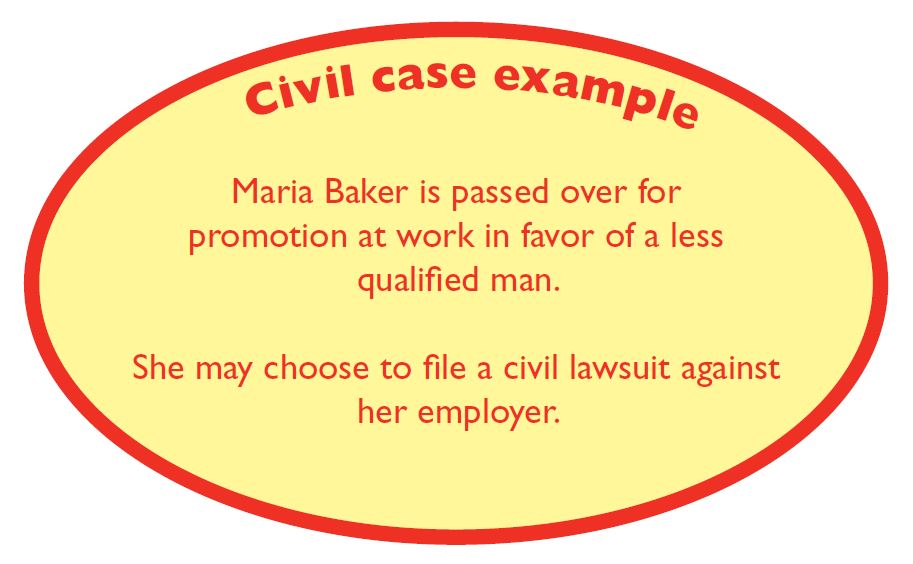
Employees have the right to a workplace free of discrimination and illegal termination. When these rights are violated, civil suits can result in significant payouts for back pay, front pay, and emotional distress. For a business, a single high-profile employment suit can result in millions of dollars in losses, not to mention the secondary cost of increased insurance premiums.
Intellectual Property (IP) Infringement
In the knowledge economy, money is often tied up in ideas, logos, and patents. Civil suits regarding IP infringement—such as using a trademarked name without permission or stealing a patented process—are designed to protect the “capital of the mind.” These suits ensure that the original investor in a technology or brand is the one who reaps the financial rewards.
Professional Malpractice
Professionals such as accountants, financial advisors, and architects can be sued for malpractice if their services fall below the industry standard and cause a client financial loss. For the client, this is a way to recoup losses caused by bad advice or poor execution. For the professional, it highlights the importance of professional liability insurance as a shield for their business finances.
5. The Financial Management of Civil Litigation
The goal of understanding civil suits is not just to know why people sue, but to manage the financial fallout of being involved in one. Litigation is an expensive endeavor, and savvy financial planning is required to navigate it.
The Cost of Defense and Legal Fees
One of the most overlooked aspects of civil suits is the “burn rate” of legal fees. Even if you win a case, the cost of top-tier legal counsel can deplete your cash reserves. This is why many businesses and wealthy individuals utilize “Alternative Dispute Resolution” (ADR), such as mediation or arbitration. These methods are often faster and more cost-effective than a traditional courtroom trial, preserving more of the participants’ capital.
The Role of Liability Insurance
In both personal and business finance, insurance is the primary hedge against civil suits. General liability, professional liability, and umbrella policies are designed to absorb the shock of a civil judgment. Without these financial tools, a single slip-and-fall or a breach of contract claim could lead to bankruptcy. Integrating insurance costs into a monthly budget is a hallmark of prudent money management.
Compensatory vs. Punitive Damages
From a financial perspective, it is important to distinguish between the types of money awarded in civil suits. Compensatory damages are intended to cover actual losses (medical bills, lost revenue). Punitive damages, however, are intended to punish the defendant for particularly egregious behavior. Punitive awards can be massive and are often not covered by insurance, making them a “black swan” event for any financial portfolio.
In conclusion, civil suits are more than just legal battles; they are high-stakes financial events. Whether it is a contract dispute, a tort claim, or a property disagreement, the outcome of a civil suit will directly impact the balance sheet of all parties involved. By understanding the common examples and preparing for the associated costs, individuals and businesses can better protect their wealth and navigate the complexities of the modern financial world.
aViewFromTheCave is a participant in the Amazon Services LLC Associates Program, an affiliate advertising program designed to provide a means for sites to earn advertising fees by advertising and linking to Amazon.com. Amazon, the Amazon logo, AmazonSupply, and the AmazonSupply logo are trademarks of Amazon.com, Inc. or its affiliates. As an Amazon Associate we earn affiliate commissions from qualifying purchases.