
In an increasingly wireless world, the humble Ethernet port might seem like a relic, a vestige of a bygone era dominated by tangled cables and desktop towers. Yet, this unassuming rectangular socket remains a cornerstone of modern networking, essential for delivering robust, high-performance connectivity that Wi-Fi simply cannot always match. Far from being obsolete, Ethernet ports continue to play a critical role in our digital lives, powering everything from home entertainment to enterprise infrastructure. Understanding their purpose and utility is key to optimizing your network and leveraging the full potential of your connected devices.
Understanding the Foundation: What is an Ethernet Port?
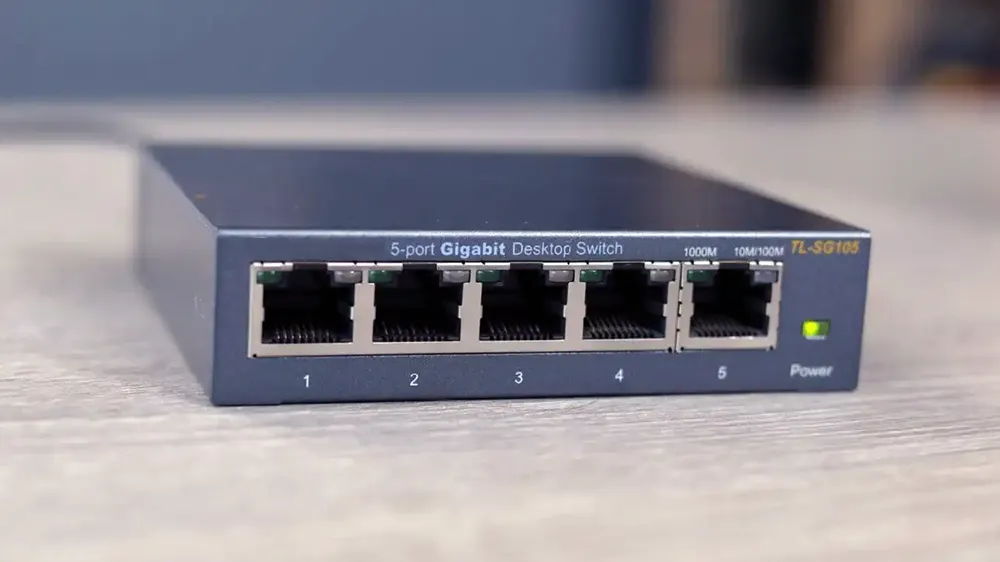
An Ethernet port, often referred to as an RJ45 (Registered Jack 45) port due to the type of connector it accepts, is a standard networking interface found on a vast array of electronic devices. It’s designed to facilitate wired network connections, allowing devices to communicate with each other and with the internet over an Ethernet cable. This physical connection provides a direct, dedicated pathway for data transmission, distinguishing it fundamentally from wireless alternatives.
The Physical Interface
Physically, an Ethernet port is easily recognizable. It’s typically a small, rectangular opening, slightly wider than a phone jack, and often features eight metal pins inside, which correspond to the eight wires within an Ethernet cable. When an RJ45 connector is inserted, a small tab usually clicks into place, securing the connection. This design ensures a reliable physical link, resistant to accidental disconnections that can plague wireless signals. The port is an embodiment of the IEEE 802.3 standard, which defines the physical layer and media access control (MAC) of wired Ethernet, ensuring interoperability across different manufacturers and devices.
A Brief History of Wired Connectivity
The concept of Ethernet originated in the 1970s at Xerox PARC, primarily envisioned by Robert Metcalfe. Initially designed for local area networks (LANs) within a single building or campus, it quickly gained traction due to its simplicity and effectiveness. Over the decades, Ethernet has evolved dramatically, from early coaxial cable systems to the twisted-pair cabling (Cat5, Cat5e, Cat6, Cat6a, etc.) prevalent today. This evolution has brought significant increases in speed, from mere megabits per second (Mbps) to gigabits per second (Gbps), and even terabits per second (Tbps) in specialized applications, solidifying its position as the backbone of high-speed data transfer. Despite the meteoric rise of Wi-Fi, the underlying principles of a direct, dedicated data channel via an Ethernet port remain critically relevant for performance and reliability.
The Primary Applications: Why Wired Still Matters
The enduring relevance of Ethernet ports stems from their ability to deliver superior performance characteristics that wireless connections often struggle to match. They are indispensable for specific scenarios where speed, stability, and security are paramount.
High-Speed Internet Access
One of the most common and vital uses of an Ethernet port is to provide a high-speed, stable internet connection. While Wi-Fi is convenient, it is susceptible to interference, signal degradation over distance, and congestion from multiple devices. A wired connection bypasses these limitations, offering the full bandwidth provided by your Internet Service Provider (ISP) directly to your device. This is crucial for activities that demand significant bandwidth, such as downloading large files, streaming 4K video content, or engaging in competitive online gaming where every millisecond counts. Plugging directly into your router or modem via an Ethernet cable often yields a noticeably faster and more consistent internet experience.
Local Area Network (LAN) Connectivity
Beyond internet access, Ethernet ports are fundamental for creating and managing Local Area Networks (LANs). In a home or office environment, devices connected via Ethernet cables form a robust internal network, allowing them to communicate with each other without relying on the internet. This facilitates fast file sharing between computers, seamless interaction with network printers, and efficient access to Network Attached Storage (NAS) devices. Businesses heavily rely on Ethernet LANs for internal communications, shared resources, and server access, ensuring data flows quickly and securely within their premises.
Power Over Ethernet (PoE) Functionality
A particularly innovative application of Ethernet ports is Power over Ethernet (PoE). This technology allows network cables to carry electrical power to powered devices alongside data. Instead of needing separate power cables for devices like IP cameras, VoIP phones, wireless access points, or certain smart home devices, a single Ethernet cable can provide both network connectivity and power. This significantly simplifies installation, reduces cabling clutter, and offers greater flexibility in device placement, especially in locations where power outlets are scarce or difficult to access. PoE is a game-changer for deploying interconnected systems in smart buildings, security infrastructure, and distributed office environments.
Direct Device-to-Device Communication
Ethernet ports also enable direct communication between two devices without the need for a router or switch. While less common for everyday users today (thanks to crossover cables becoming largely obsolete with auto-MDIX technology in modern ports), it remains a powerful capability. This is useful for specific tasks like directly transferring large datasets between two computers, configuring certain network appliances directly, or establishing a temporary, secure connection for troubleshooting or maintenance, bypassing any intermediate network infrastructure.
Devices Equipped with Ethernet Ports
The versatility and reliability of Ethernet ports mean they are integrated into a wide spectrum of devices, from consumer electronics to industrial-grade equipment.
Computers and Laptops (with adapters)
While many modern ultrathin laptops have forgone integrated Ethernet ports in favor of slim designs, desktop computers almost universally include one. For laptops, USB-to-Ethernet adapters are readily available, allowing users to tap into wired network benefits when needed. This ensures that even the most portable devices can achieve maximum network performance when docked or used in a fixed location.
Routers, Modems, and Network Switches
These are the heart of any wired (and often wireless) network. Routers and modems feature multiple Ethernet ports to connect to the internet (WAN port) and distribute network connectivity to local devices (LAN ports). Network switches expand the number of available Ethernet ports, allowing many devices to connect to a single network efficiently.

Gaming Consoles
For serious gamers, an Ethernet connection is virtually non-negotiable. Gaming consoles like PlayStation, Xbox, and Nintendo Switch (via a dock or adapter) benefit immensely from the low latency and stable bandwidth offered by a wired connection, minimizing lag and ensuring a smooth, uninterrupted online gaming experience.
Smart TVs and Streaming Devices
Many smart TVs, streaming boxes (e.g., Apple TV, NVIDIA Shield), and media servers include Ethernet ports. A wired connection ensures that 4K and 8K content streams without buffering, providing the highest possible picture quality and reliability for home entertainment.
Network Attached Storage (NAS)
NAS devices are essentially dedicated file servers for homes and small businesses. They rely on high-speed Ethernet connections to allow multiple users to access and store large files efficiently, making wired connectivity essential for their performance and usability.
IP Cameras and VoIP Phones
As mentioned with PoE, IP-based surveillance cameras and Voice over IP (VoIP) phones frequently utilize Ethernet ports to receive both data and power, simplifying their deployment and ensuring reliable operation for security and communication systems.
Enterprise Hardware
In corporate environments, Ethernet ports are ubiquitous. Servers, high-performance workstations, network printers, specialized industrial equipment, and data center hardware all rely on Ethernet for robust, high-speed, and secure connectivity.
Advantages of Ethernet Connectivity
The sustained relevance of Ethernet ports is directly attributable to the distinct advantages they offer over wireless alternatives, particularly in demanding environments.
Superior Speed and Bandwidth
Ethernet connections typically offer significantly higher and more consistent speeds than Wi-Fi. While Wi-Fi standards are constantly improving, a direct wired connection minimizes signal degradation and overhead, ensuring that devices receive the maximum possible bandwidth. For tasks like large file transfers, video editing over a network, or professional content creation, this speed advantage is critical.
Enhanced Stability and Reliability
Wireless signals are prone to interference from other electronic devices, physical obstructions (walls, furniture), and network congestion. Ethernet connections, being physical and dedicated, are largely immune to these issues. This results in a much more stable and reliable connection, free from dropped packets, intermittent disconnections, or sudden slowdowns, which is vital for mission-critical applications and uninterrupted streaming or gaming.
Improved Security
While no network is entirely impenetrable, wired connections inherently offer a higher level of security than wireless ones. For an unauthorized party to access an Ethernet network, they typically need physical access to the network infrastructure. In contrast, Wi-Fi signals broadcast through the air and can potentially be intercepted from outside the physical premises, even with encryption. For sensitive data and secure environments, a wired connection adds an important layer of defense.
Lower Latency
Latency refers to the delay before a transfer of data begins following an instruction for its transfer. For applications like online gaming, video conferencing, or real-time trading, low latency is paramount. Ethernet connections consistently provide lower latency than Wi-Fi, as data travels directly through a cable rather than through the air, where it can be subject to processing delays and retransmissions due to interference. This direct path ensures faster response times and a smoother overall experience.
The Future of Wired Networking in a Wireless World
Despite the omnipresence of Wi-Fi and the advent of 5G, Ethernet ports are not fading into obscurity. Instead, they are evolving and finding new niches in the ever-expanding landscape of connected technology.
Complementing Wi-Fi, Not Replacing It
The future of networking is not an either/or scenario between wired and wireless, but rather a synergistic relationship. Wi-Fi offers unparalleled convenience and mobility, ideal for smartphones, tablets, and general browsing. Ethernet, on the other hand, provides the raw power, stability, and security needed for high-demand, stationary devices. In most modern homes and offices, a hybrid approach combining a robust Wi-Fi network with strategic Ethernet connections for critical devices offers the best of both worlds.
Emerging Standards and Speeds
Ethernet technology continues to push boundaries. While Gigabit Ethernet (1 Gbps) is common, 2.5 Gigabit (2.5 Gbps), 5 Gigabit (5 Gbps), and 10 Gigabit (10 Gbps) Ethernet are becoming increasingly prevalent, especially in professional and prosumer environments. New standards like NBASE-T allow these higher speeds to be achieved over existing Cat5e/Cat6 cabling, making upgrades more accessible. As internet speeds climb and data demands soar with cloud computing and AI, the need for faster internal networks will only grow, cementing Ethernet’s role.
The Role in Smart Homes and IoT
The burgeoning Internet of Things (IoT) and smart home ecosystems also stand to benefit from wired connections. While many IoT devices connect wirelessly, critical infrastructure components like central hubs, security systems, and high-bandwidth smart appliances can leverage Ethernet for reliability and dedicated connectivity. As smart homes become more integrated and complex, a robust wired backbone will be essential for managing the vast amount of data generated by interconnected sensors and devices, ensuring responsiveness and consistent operation.
In conclusion, the Ethernet port is far more than a simple connector; it is a gateway to unparalleled network performance, stability, and security. While wireless technologies have brought convenience to our fingertips, the foundational strengths of a wired connection ensure that Ethernet ports remain an indispensable component in the toolkit of any tech-savvy individual, business, or burgeoning smart environment, poised to carry the heavy lifting of our digital future.
aViewFromTheCave is a participant in the Amazon Services LLC Associates Program, an affiliate advertising program designed to provide a means for sites to earn advertising fees by advertising and linking to Amazon.com. Amazon, the Amazon logo, AmazonSupply, and the AmazonSupply logo are trademarks of Amazon.com, Inc. or its affiliates. As an Amazon Associate we earn affiliate commissions from qualifying purchases.