
Esters are far more than just the pleasant aromas of fruits and flowers; they are a vast and versatile class of organic compounds, foundational to countless industries and increasingly pivotal in the most cutting-edge technological advancements of our era. At their core, esters are derivatives of carboxylic acids, formed when an acid reacts with an alcohol, typically releasing a molecule of water in the process. This seemingly simple chemical bond unlocks a universe of diverse properties, making esters indispensable across fields ranging from medicine and materials science to biotechnology and artificial intelligence.
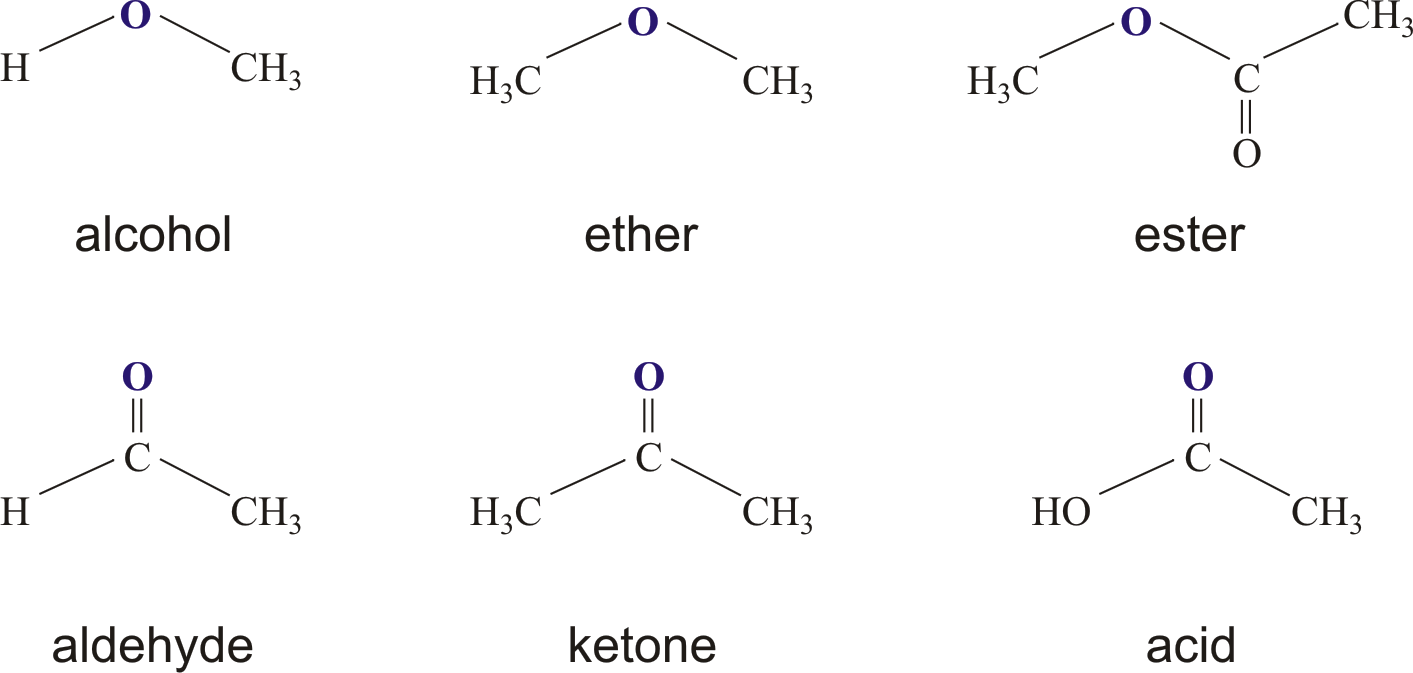
In a world driven by innovation, understanding “what are esters” is no longer just a chemistry lesson; it’s a deep dive into the molecular architects behind breakthroughs in sustainable materials, advanced pharmaceuticals, and even the intelligent design of novel compounds. This article will explore the fundamental nature of esters and then pivot to their profound and evolving role within the technological landscape, demonstrating how these ubiquitous molecules are not just ingredients, but key enablers of future tech trends and applications. From shaping the next generation of smart materials to empowering AI-driven molecular discovery, esters are quietly yet powerfully orchestrating much of the progress we see today and anticipate for tomorrow.
Esters as Fundamental Building Blocks in Advanced Materials
The realm of materials science is a critical frontier for technological progress, dictating the capabilities of everything from consumer electronics to aerospace components. Esters, with their customizable structures and diverse reactivities, are indispensable in engineering these next-generation materials. Their ability to form strong, stable bonds while offering varying degrees of flexibility, rigidity, and degradation properties makes them ideal candidates for a wide array of high-performance applications. Understanding their specific chemical architectures allows engineers and chemists to precisely tailor materials for specific technological demands.
From Plastics to Performance Polymers: The Ester Connection
Polymers, the long-chain molecules that form plastics, rubbers, and fibers, are the backbone of modern society. Esters play a crucial role in many polymer systems, acting as monomers, plasticizers, or even dictating biodegradability. Polyethylene terephthalate (PET), a common polyester, exemplifies this, forming everything from beverage bottles to synthetic fibers due to its strength and inertness. Beyond commodity plastics, esters are integral to performance polymers used in specialized technological niches. For instance, in the aerospace industry, ester-based composites offer superior strength-to-weight ratios, crucial for fuel efficiency and structural integrity. In electronics, specialized ester polymers provide dielectric properties essential for insulation and encapsulation of sensitive components, supporting the miniaturization and reliability of gadgets.
Furthermore, the drive for sustainability in technology has amplified the importance of biodegradable polyesters. These materials, derived from renewable resources and designed to break down naturally, are revolutionizing packaging, medical implants, and agricultural films. Polyhydroxyalkanoates (PHAs) and polylactic acid (PLA), both ester-based polymers, are at the forefront of this green tech movement, offering viable alternatives to traditional plastics and addressing pressing environmental concerns. The controlled degradation profiles achievable with ester linkages make them perfect for applications requiring temporary presence, such as dissolvable sutures or smart drug delivery systems.
The Role of Esters in Smart Textiles and Flexible Electronics
The convergence of materials science and digital technology has given rise to smart textiles and flexible electronics, areas where esters are making significant contributions. Smart textiles, embedded with sensors and actuators, require materials that are not only flexible and durable but also compatible with electronic components. Ester-based polymers are being explored for creating conductive inks, flexible substrates, and protective coatings for these next-generation fabrics. Their inherent flexibility and ability to be processed into thin films make them excellent candidates for integrating circuits directly into clothing or wearable devices.
In flexible electronics, esters contribute to the development of bendable displays, stretchable sensors, and conformable batteries. For example, certain ester formulations act as highly effective binders or encapsulation layers, protecting delicate electronic circuitry from environmental stressors while maintaining mechanical flexibility. This allows for the creation of innovative gadgets like rollable tablets, wearable health monitors, and even electronic skin patches. The precise tuning of ester properties, such as glass transition temperature and elasticity, is critical to achieving the desired performance characteristics for these groundbreaking technological applications, pushing the boundaries of what electronic devices can be and do.
Catalyzing Innovation: Esters in Biotechnology and Sustainable Chemistry
The twenty-first century demands solutions that are not only effective but also environmentally responsible. This imperative has positioned biotechnology and sustainable chemistry at the forefront of scientific endeavor, and esters are proving to be remarkably versatile tools in both domains. Their natural occurrence, biodegradability, and the relatively “clean” processes for their synthesis via enzymatic routes make them ideal candidates for green technology and biochemical engineering applications.
Bio-Esters: Towards Greener Solvents and Biofuels
Traditionally, many industrial solvents have been petroleum-derived, posing environmental and health risks. Bio-esters, synthesized from renewable biomass resources, are rapidly emerging as a sustainable alternative. These “green solvents” offer reduced toxicity, lower volatile organic compound (VOC) emissions, and often improved biodegradability compared to their petrochemical counterparts. For example, methyl esters of fatty acids (FAMEs) are widely used as biodiesel, demonstrating how esterification can transform agricultural waste products into viable energy sources, mitigating reliance on fossil fuels.
Beyond biofuels, bio-esters are finding increasing application in the chemical industry as safer, more sustainable solvents for paints, coatings, adhesives, and cleaning products. Their tunable solvency power means specific esters can be designed to dissolve particular compounds effectively, leading to more efficient and environmentally friendly industrial processes. This shift towards bio-ester-based solvents represents a significant technological leap in reducing the ecological footprint of manufacturing and promoting circular economy principles within the chemical sector. The development of advanced catalytic systems and fermentation technologies is continuously expanding the repertoire and scalability of bio-ester production, making them economically competitive.
Enzyme-Mediated Ester Synthesis: Biotech for Precision Production
One of the most exciting advancements in ester technology comes from biotechnology, specifically through the use of enzymes. Traditional chemical synthesis often requires harsh conditions (high temperatures, pressures, or strong acids/bases) and can produce unwanted byproducts. Enzymatic esterification, however, leverages biological catalysts (lipases and esterases) to synthesize esters under mild, environmentally benign conditions. This “green chemistry” approach offers several key advantages: high selectivity, reduced energy consumption, and minimal waste generation.
This precision production method is particularly valuable for synthesizing complex or chiral esters, which are critical components in pharmaceuticals, flavors, and fragrances. For instance, specific enzymes can be engineered or selected to produce a single enantiomer of a chiral ester, avoiding the costly separation processes required for racemic mixtures. This biotechnological capability significantly enhances the efficiency and purity of ingredient production for the pharmaceutical industry, directly impacting the efficacy and safety of new drugs. The advent of genetic engineering and directed evolution techniques further refines these enzymatic processes, allowing for the tailoring of enzyme specificity and activity to meet bespoke industrial demands, marking a significant leap in precision chemical manufacturing.

Digital & Analytical Technologies for Ester Discovery and Optimization
The vast chemical space of esters, coupled with their immense technological potential, necessitates sophisticated digital and analytical tools for their discovery, characterization, and optimization. Modern technology — encompassing artificial intelligence, advanced analytical instrumentation, and automation — is revolutionizing how we interact with and develop ester-based solutions, accelerating innovation cycles and enhancing efficiency.
AI and Machine Learning in Ester Design and Property Prediction
The traditional process of discovering new chemical compounds is often slow and resource-intensive, relying heavily on trial-and-error experimentation. However, Artificial Intelligence (AI) and Machine Learning (ML) are transforming this paradigm in the field of ester chemistry. AI algorithms can analyze vast datasets of existing esters, learning the intricate relationships between their molecular structures and specific properties (e.g., aroma, solubility, biodegradability, thermal stability).
This enables AI tools to predict the properties of novel, unsynthesized esters with remarkable accuracy, significantly narrowing down the search space for promising candidates. Furthermore, generative AI models can design entirely new ester structures tailored to possess a desired set of characteristics, such as a specific fragrance profile for a new perfume or a particular degradation rate for a biodegradable plastic. This in silico approach drastically reduces the time and cost associated with experimental synthesis and testing, accelerating the discovery of groundbreaking ester-based materials and solutions across various industries, from pharmaceuticals to sustainable polymers. This integration of AI is not merely an optimization; it’s a fundamental shift in how chemists approach molecular innovation.
Advanced Spectroscopic Techniques for Ester Analysis
Once esters are synthesized or identified, their precise characterization is paramount. Advanced spectroscopic techniques represent the “gadgets” and “apps” of chemical analysis, providing unparalleled insights into ester structure, purity, and concentration. Nuclear Magnetic Resonance (NMR) spectroscopy offers detailed information about the atomic connectivity and environment within an ester molecule, crucial for confirming synthesis routes or identifying unknown compounds. Infrared (IR) spectroscopy reveals the presence of specific functional groups, easily confirming the ester linkage.
Mass Spectrometry (MS), especially when coupled with chromatography (GC-MS or LC-MS), provides highly sensitive detection and identification of esters, even in complex mixtures. This is vital in quality control for food flavors, fragrances, and pharmaceutical formulations, ensuring product consistency and safety. Recent advancements in portable and miniaturized spectroscopic devices are also enabling real-time, in-situ analysis of esters, moving chemical intelligence from specialized labs to industrial production lines or even field applications. These sophisticated analytical tools are indispensable for both fundamental research into new ester functionalities and for the rigorous quality assurance required for their deployment in technological products.
Automation and Robotics in Ester Synthesis and Screening
Accelerating the pace of ester discovery and development hinges not only on intelligent design but also on efficient execution. Automation and robotics are revolutionizing ester synthesis and high-throughput screening, bringing laboratory processes into the digital age. Robotic systems can precisely weigh and dispense reagents, execute complex multi-step reactions, and purify products with minimal human intervention, dramatically increasing the throughput of synthetic experiments. This capability is particularly impactful for combinatorial chemistry, where vast libraries of esters with subtle structural variations can be synthesized and tested in parallel.
Automated platforms for high-throughput screening (HTS) can quickly assess the properties of thousands of different ester compounds—such as their biological activity, thermal stability, or odor profile—in a fraction of the time it would take manually. This efficiency allows researchers to explore the chemical space of esters more broadly and rapidly identify optimal candidates for specific technological applications, whether it’s developing new drug leads, optimizing flavors, or discovering novel polymer additives. The integration of robotic synthesis with AI-driven design creates a powerful feedback loop, where AI guides the synthesis of promising compounds, and robotics generate experimental data that further refines AI models, accelerating the entire innovation pipeline for ester-based technologies.
Future Frontiers: Esters Shaping Tomorrow’s Tech Landscape
The versatility of esters ensures their continued prominence in future technological advancements. As research delves deeper into molecular engineering and cross-disciplinary applications, esters are poised to unlock solutions for some of humanity’s most pressing challenges, from health to environmental sustainability.
Esters in Novel Drug Delivery Systems
The pharmaceutical industry is constantly seeking ways to improve drug efficacy and reduce side effects. Esters are proving invaluable in the development of novel drug delivery systems. Many drugs are administered as ester prodrugs, meaning they are inactive until metabolized by enzymes in the body, which cleave the ester bond to release the active drug. This strategy can improve drug bioavailability, reduce toxicity, or enable targeted delivery to specific tissues. For example, esterification can make a drug more soluble for intravenous administration or more lipid-soluble to cross biological membranes more effectively.
Beyond prodrugs, ester-based polymers are being engineered into sophisticated drug encapsulation systems. Biodegradable polyesters, such as PLGA (poly(lactic-co-glycolic acid)), can be formulated into nanoparticles or microparticles that slowly release drugs over extended periods. This technology is critical for long-acting injectables, targeted cancer therapies, and vaccine delivery, reducing the frequency of dosing and improving patient compliance. The precise control over ester degradation rates allows for tailored release profiles, making esters a cornerstone of advanced pharmaceutical technology.

Beyond Fragrance: Esters in Environmental Remediation Technologies
While renowned for their pleasant scents, esters are also stepping into a crucial role in environmental remediation technologies. Their inherent biodegradability and ability to act as selective solvents make them excellent candidates for cleaning up pollutants. For instance, certain esters can be used as environmentally friendly extractants to remove heavy metals or organic contaminants from soil and water. Their low toxicity and good partitioning properties allow for efficient separation and recovery of pollutants, offering a greener alternative to harsh chemical treatments.
Furthermore, the development of ester-based biosurfactants—molecules that reduce surface tension and aid in the dispersion of immiscible liquids—is revolutionizing oil spill cleanup and industrial wastewater treatment. These biosurfactants, often synthesized biologically, are more biodegradable and less toxic than conventional synthetic surfactants, providing a sustainable pathway to environmental restoration. Research is also exploring ester-containing materials for CO2 capture and conversion, where specific ester functionalities could bind or transform greenhouse gases, contributing to climate change mitigation efforts. These innovative applications demonstrate the profound potential of esters beyond their traditional roles, positioning them as key players in developing a healthier, more sustainable planet through technological innovation.
In conclusion, “what are esters” leads to a narrative far richer and more impactful than a simple chemical definition. These remarkable compounds, with their incredible structural diversity and functional versatility, are not merely components but active drivers of technological advancement across a myriad of sectors. From powering the next generation of smart materials and sustainable energy solutions to enabling precision medicine and AI-driven discovery, esters are unequivocally at the forefront of innovation. Their continuous exploration and ingenious application will undoubtedly continue to shape the technological landscape, leading to a future that is more efficient, sustainable, and fundamentally enhanced by the power of chemistry.
aViewFromTheCave is a participant in the Amazon Services LLC Associates Program, an affiliate advertising program designed to provide a means for sites to earn advertising fees by advertising and linking to Amazon.com. Amazon, the Amazon logo, AmazonSupply, and the AmazonSupply logo are trademarks of Amazon.com, Inc. or its affiliates. As an Amazon Associate we earn affiliate commissions from qualifying purchases.