
The intricate ballet of the human body is orchestrated by a hidden conductor: the endocrine system. A network of glands and organs, it produces and releases hormones – chemical messengers that regulate virtually every function, from metabolism and growth to mood and reproduction. For centuries, our understanding of this vital system was limited by diagnostic tools and treatment methodologies. However, in an era defined by rapid technological advancement, the endocrine system is no longer a biological enigma observed through a narrow lens. Instead, it’s becoming a frontier for digital innovation, data-driven insights, and personalized health management.

This article delves into the fundamental nature of the endocrine system and, more importantly, explores how cutting-edge technology is transforming our capacity to comprehend, monitor, and optimize hormonal health. From AI-powered diagnostics to wearable sensors and telemedicine, the digital revolution is poised to unlock unprecedented opportunities in endocrinology, ushering in an era of precision health.
The Endocrine System: A Biological Master Orchestrator
At its core, the endocrine system is a complex communication network. Unlike the nervous system, which uses electrical impulses for rapid communication, the endocrine system relies on hormones, which travel through the bloodstream to target specific cells and organs, eliciting slower, but longer-lasting, effects.
Glands, Hormones, and Homeostasis
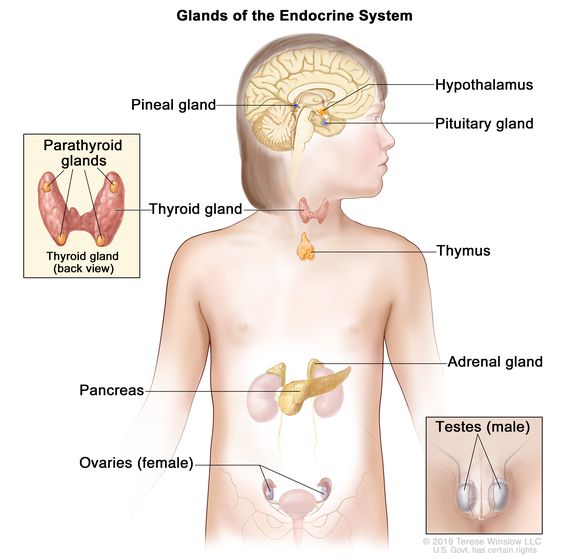
The major players in this system are the endocrine glands, each tasked with producing specific hormones. Key glands include the pituitary (the “master gland” controlling others), thyroid (metabolism), parathyroid (calcium levels), adrenal (stress response), pancreas (blood sugar), ovaries (female reproduction), and testes (male reproduction). Each hormone has a precise function, binding to receptors on target cells like a key fitting a lock.
The overarching goal of the endocrine system is to maintain homeostasis – a stable internal environment. When hormone levels deviate from their optimal range, a cascade of physiological effects can occur, leading to a wide array of health issues. For instance, imbalances in insulin (from the pancreas) can lead to diabetes, while thyroid hormone irregularities can disrupt metabolism, energy levels, and mood.
Why Hormonal Balance Matters
Maintaining hormonal balance is paramount for overall health and well-being. Hormones influence everything from energy levels and sleep cycles to immune function and bone density. Chronic stress, poor diet, environmental toxins, and genetic predispositions can all disrupt this delicate balance. Conditions like diabetes, thyroid disorders, polycystic ovary syndrome (PCOS), and growth hormone deficiencies are widespread and have significant impacts on quality of life, underscoring the critical need for effective monitoring and intervention. It is precisely in this domain that technology is proving to be a game-changer, moving beyond traditional, often reactive, medical approaches.
Technological Revolution in Endocrinology: From Diagnosis to Monitoring
The past decade has witnessed an unprecedented integration of technology into medical diagnostics and patient care. Endocrinology, with its reliance on precise measurement and complex biological feedback loops, is particularly ripe for this transformation.
AI and Machine Learning: Predictive Diagnostics and Personalized Treatment
Artificial intelligence (AI) and machine learning (ML) are rapidly reshaping how endocrine disorders are diagnosed and managed. These advanced algorithms can process vast datasets – including patient history, genetic information, lab results, and imaging scans – to identify subtle patterns that might escape human detection. For example:
-
Predictive Analytics: AI can analyze glucose patterns from continuous glucose monitors (CGMs) to predict hypoglycemic or hyperglycemic events, allowing for proactive intervention in diabetes management.
-
Early Detection: ML models are being trained on medical images (e.g., thyroid ultrasound, pituitary MRI) to identify subtle lesions or abnormalities indicative of tumors or other disorders at earlier, more treatable stages.
-
Personalized Treatment Plans: By correlating patient-specific data with treatment outcomes from thousands of similar cases, AI can suggest tailored medication dosages, dietary recommendations, and lifestyle adjustments, optimizing therapeutic efficacy and minimizing side effects. This moves away from a one-size-fits-all approach to highly individualized care.
Wearable Devices and Continuous Monitoring: Real-time Insights
The proliferation of wearable technology has empowered both patients and clinicians with unprecedented access to real-time physiological data, offering a dynamic view of hormonal health that traditional blood tests simply cannot provide.
-
Continuous Glucose Monitors (CGMs): Initially revolutionary for diabetes management, CGMs allow individuals to track blood sugar levels throughout the day and night without finger pricks. This continuous data helps patients and doctors understand how diet, exercise, stress, and medication impact glucose, enabling immediate adjustments and preventing dangerous fluctuations.
-
Smartwatches and Fitness Trackers: While not directly measuring hormones, these devices track heart rate, sleep patterns, activity levels, and body temperature – all parameters influenced by endocrine function. Anomalies in these metrics can serve as early warning signs for underlying hormonal imbalances, prompting further investigation.
-
Emerging Biosensors: Research is ongoing into developing non-invasive wearable sensors capable of detecting hormone levels (e.g., cortisol for stress, reproductive hormones) through sweat or interstitial fluid, promising even more direct and continuous insights into the endocrine system.
Advanced Imaging and Lab Diagnostics: Precision and Speed
Technological advancements have also refined traditional diagnostic methods, making them more precise, less invasive, and faster.
-
High-Resolution Imaging: Newer generations of MRI, CT, and PET scans offer unparalleled clarity in visualizing endocrine glands and identifying abnormalities such as tumors (e.g., pituitary adenomas, adrenal masses) that might have been missed by older techniques. Functional imaging techniques can even show metabolic activity, offering clues about the nature of lesions.
-
Genomic Sequencing: Understanding an individual’s genetic predisposition to certain endocrine disorders (e.g., specific types of diabetes, thyroid cancers) allows for proactive screening and personalized risk management. Next-generation sequencing is making this technology more accessible and cost-effective.
-
Automated Lab Platforms: Robotic systems and microfluidics in laboratories enable high-throughput screening of hormonal markers with greater accuracy and faster turnaround times, facilitating quicker diagnosis and treatment initiation.
Digital Therapeutics and Personalized Interventions
Beyond diagnosis and monitoring, technology is also shaping the actual interventions and management strategies for endocrine conditions, making care more accessible, personalized, and patient-centric.
Telemedicine and Remote Consultations: Bridging Gaps in Care
The COVID-19 pandemic accelerated the adoption of telemedicine, revealing its immense potential for endocrinology. Virtual consultations allow patients to connect with specialists regardless of geographical barriers, which is particularly beneficial for managing chronic conditions requiring regular follow-ups.
-
Increased Access: Patients in rural areas or those with mobility issues can receive expert care without extensive travel.
-
Remote Monitoring Integration: Data from wearables and CGMs can be seamlessly integrated into telemedicine platforms, allowing endocrinologists to review trends, make real-time adjustments to treatment plans, and provide timely advice.
-
Reduced Burden: Telehealth reduces the logistical and financial burden on patients, improving adherence to appointments and overall management of their condition.
Mobile Apps and Gamification: Empowering Patient Self-Management
A plethora of health apps are emerging, specifically designed to help patients manage chronic endocrine conditions by fostering engagement and providing educational resources.
-
Medication Reminders and Adherence: Apps can send timely reminders for medication intake, improving adherence to complex treatment regimens.
-
Symptom and Data Tracking: Patients can log symptoms, blood glucose levels, blood pressure, weight, and other relevant metrics, creating comprehensive personal health records that can be easily shared with their care team.
-
Educational Content and Support: Many apps offer reliable information about endocrine conditions, dietary advice, exercise routines, and even connect users to peer support groups, empowering them with knowledge and a sense of community.
-
Gamification: Some apps use game-like elements (e.g., points, badges, progress tracking) to motivate users to adhere to their treatment plans and adopt healthier lifestyle habits, making self-management more engaging.
Gene Editing and Bioprinting: Future Frontiers
While currently in early research stages, technologies like gene editing (e.g., CRISPR) and 3D bioprinting hold revolutionary potential for treating endocrine disorders in the future.
-
Gene Editing: For genetic endocrine disorders, gene editing could potentially correct faulty genes responsible for hormone production deficiencies or excesses, offering a curative approach rather than just symptomatic management.
-
3D Bioprinting: Imagine bioprinting functional pancreatic islet cells for diabetes patients or entirely new endocrine glands to replace diseased ones. This futuristic technology could offer solutions for organ failure and severe glandular dysfunction, although significant hurdles remain.
Challenges and Ethical Considerations in Endocrine Tech
Despite the immense promise, the integration of technology into endocrinology is not without its challenges and ethical dilemmas, which demand careful consideration.
Data Privacy and Security: Protecting Sensitive Health Information
The collection of vast amounts of personal health data by wearables, apps, and AI systems raises significant concerns about privacy and cybersecurity. Protecting sensitive hormonal information from breaches, unauthorized access, and misuse is paramount. Robust encryption, stringent data governance policies, and clear consent mechanisms are crucial.
Accessibility and Digital Divide: Ensuring Equitable Access
While technology offers expanded access to care, it also risks exacerbating health disparities if not implemented equitably. The “digital divide” – differences in access to technology, internet connectivity, and digital literacy – could mean that vulnerable populations are left behind, unable to benefit from these advancements. Strategies to ensure affordable access to devices and services, along with digital education, are essential.
Regulatory Hurdles and Validation: Ensuring Efficacy and Safety
The rapid pace of technological innovation often outstrips the development of regulatory frameworks. Ensuring that AI algorithms are unbiased, accurate, and clinically validated before deployment is critical. Similarly, wearable devices and digital therapeutics need rigorous testing to prove their efficacy, reliability, and safety. Regulatory bodies must adapt to assess these novel technologies effectively without stifling innovation.

Conclusion
The question “what are endocrine” today transcends a purely biological definition. It now encompasses a dynamic field where biology meets bytes, and human health is increasingly intertwined with technological innovation. The digital revolution is not just augmenting our understanding of the endocrine system; it is fundamentally transforming how we diagnose, monitor, and treat hormonal imbalances. From predictive AI models and continuous biometric monitoring to remote consultations and empowering digital therapeutics, technology is offering unprecedented opportunities for personalized, proactive, and preventative care.
While challenges related to data privacy, equitable access, and regulatory oversight must be diligently addressed, the trajectory is clear: technology is unlocking a future where mastering our endocrine health is more precise, accessible, and ultimately, more empowering than ever before. For individuals managing endocrine conditions and for healthcare systems striving for better outcomes, the digital future of hormonal health holds immense promise.
aViewFromTheCave is a participant in the Amazon Services LLC Associates Program, an affiliate advertising program designed to provide a means for sites to earn advertising fees by advertising and linking to Amazon.com. Amazon, the Amazon logo, AmazonSupply, and the AmazonSupply logo are trademarks of Amazon.com, Inc. or its affiliates. As an Amazon Associate we earn affiliate commissions from qualifying purchases.