
In an era where the cost of higher education continues to outpace inflation, families and students are increasingly seeking sophisticated financial strategies to mitigate the burden of student debt. One of the most effective, yet often underutilized, tools in the personal finance arsenal for education is the dual credit course. By understanding the mechanics of dual enrollment, savvy students can essentially “hack” the traditional four-year degree timeline, saving tens of thousands of dollars before they even set foot on a college campus as a full-time freshman.
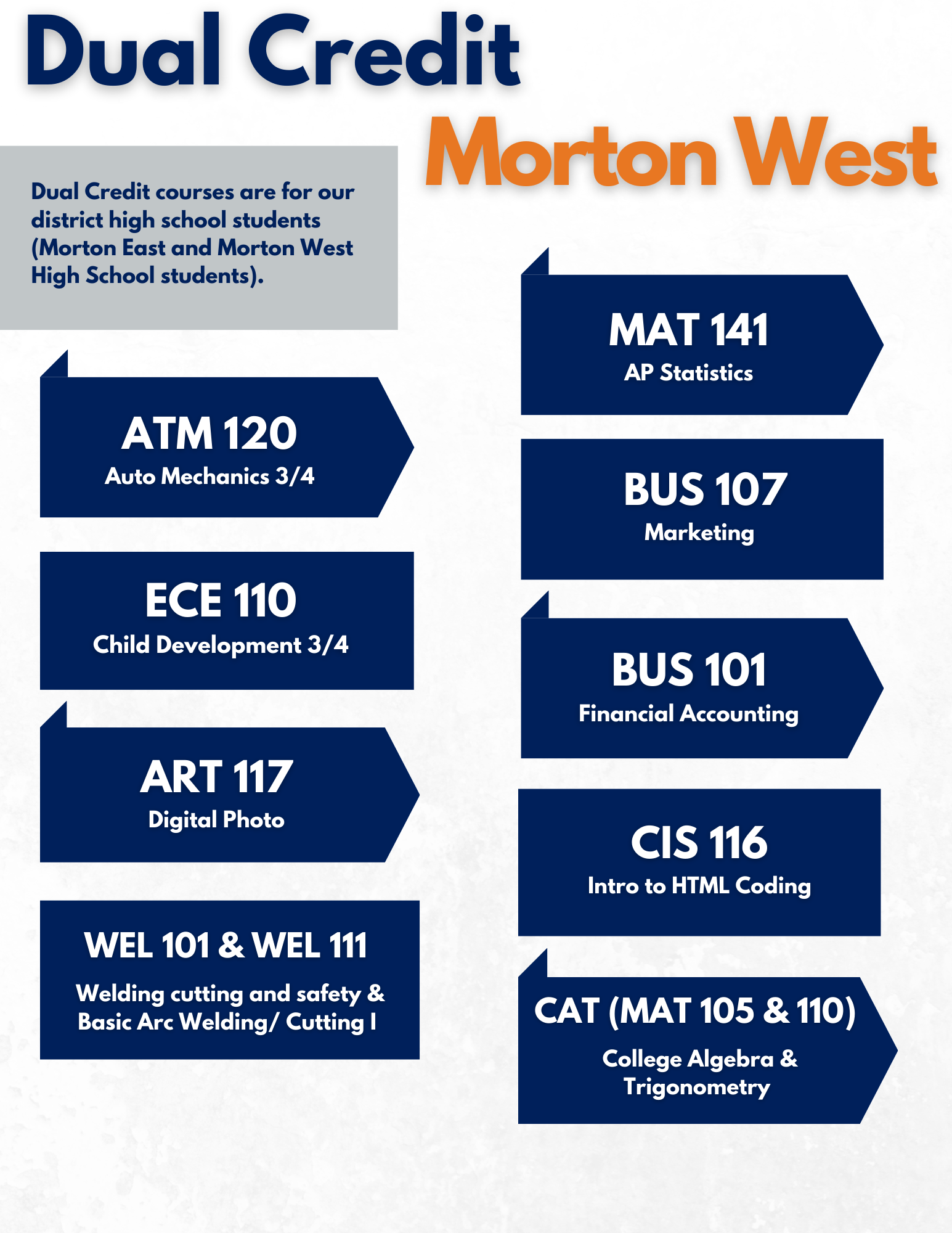
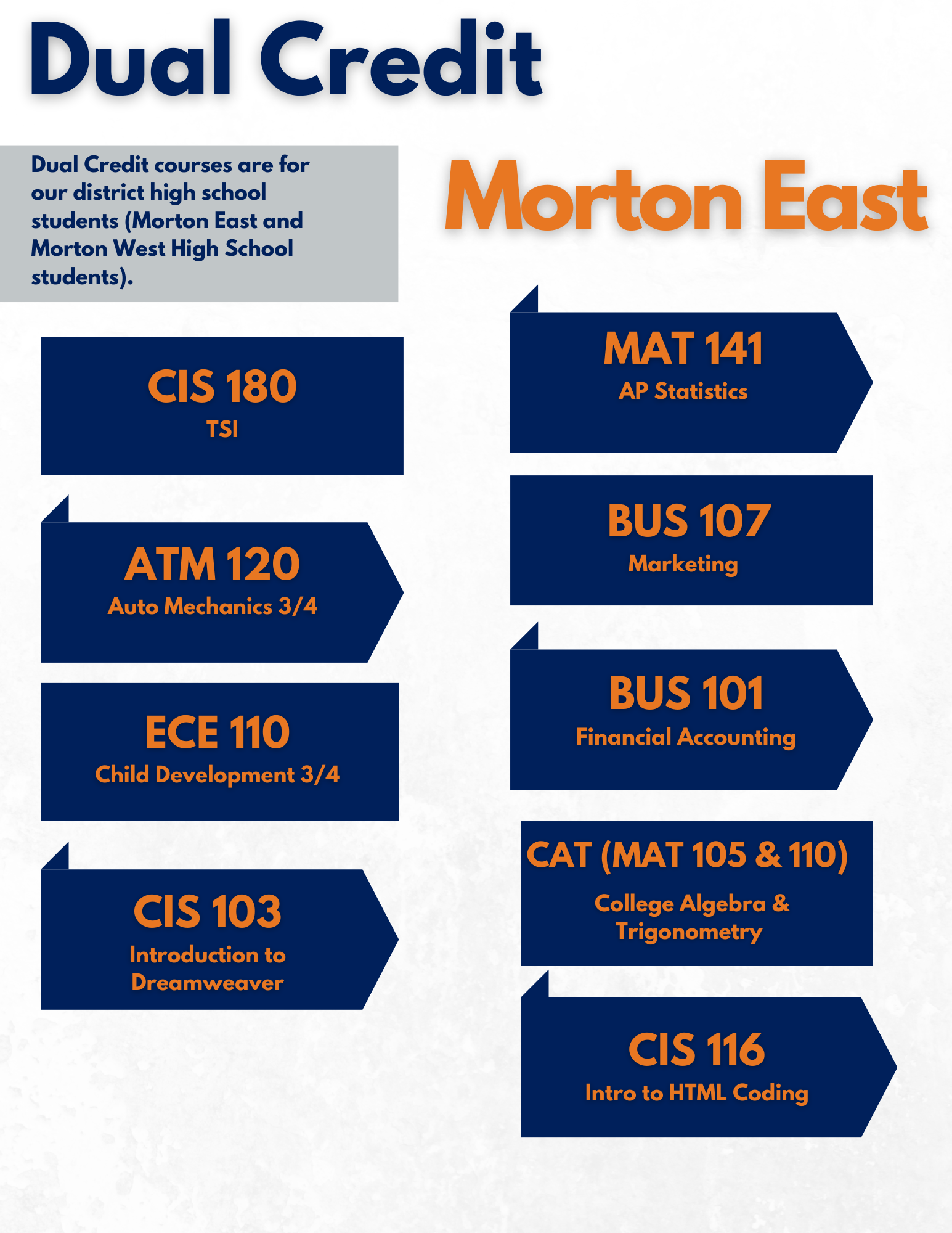
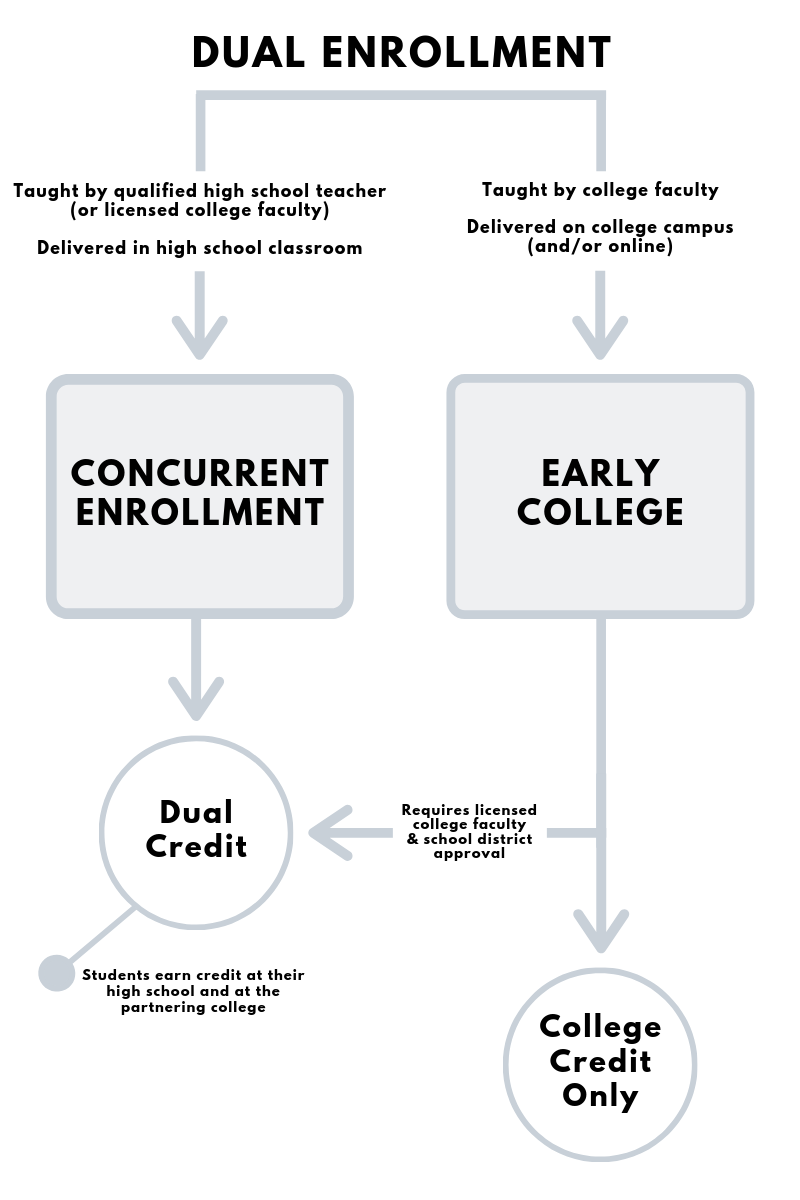
Dual credit courses represent a unique intersection of secondary and post-secondary education. They allow high school students to enroll in college-level courses that simultaneously fulfill high school graduation requirements and earn transferable college credits. From a financial perspective, these programs act as a high-yield investment in a student’s human capital, offering a significant return on investment (ROI) by reducing the total cost of a degree.
Understanding the Economics of Dual Credit Programs
The fundamental appeal of dual credit courses lies in their pricing structure. While a standard credit hour at a private or even a public four-year university can cost hundreds or even thousands of dollars, dual credit hours are often offered at a fraction of that price—or, in many states, entirely for free.
How Dual Credit Differs from Advanced Placement (AP)
From a financial planning standpoint, it is vital to distinguish dual credit from Advanced Placement (AP) courses. While both aim to provide college-level rigor, their “guarantee” of value differs. With AP, a student pays a fee for an exam (roughly $100), and their ability to earn credit depends entirely on their score and the specific policy of the university they eventually attend.
In contrast, dual credit is transcripted college credit. When a student passes the course, they have an official college transcript from the partnering institution (usually a community college or state university). This provides a more predictable financial outcome. You aren’t paying for the chance to earn credit; you are paying for the credit itself, which is often more widely accepted at in-state public institutions.
The Direct Cost Savings on Tuition and Fees
The math behind dual credit is compelling. Consider a student who takes 15 credit hours of dual credit during their junior and senior years of high school. In many jurisdictions, these credits are subsidized by state taxes or offered at a “dual enrollment rate” of $50 to $100 per credit hour.
If that same student were to take those 15 hours at a mid-tier public university, the cost could easily reach $6,000 to $9,000 when including tuition and mandatory student fees. By utilizing dual credit, the family saves the difference—a net gain that can be redirected into a 529 plan, a brokerage account, or used to eliminate the need for high-interest private student loans.
Dual Credit as a High-Yield Investment in Your Future
When we view education through the lens of business finance, we must look at the “time to market.” In the context of a career, this is the time it takes for a student to move from a state of expense (education) to a state of revenue (employment). Dual credit courses significantly accelerate this timeline.
Accelerating Time-to-Degree for Faster Workforce Entry
The traditional bachelor’s degree is designed to take four years. However, data from the National Student Clearinghouse suggests that many students take five or even six years to graduate. Every additional semester spent in college carries a double financial hit: the direct cost of tuition and the “opportunity cost” of a lost salary.
A student who enters college with 30 dual credit hours (equivalent to one full academic year) is positioned to graduate in three years instead of four. If that student enters a field with an average starting salary of $60,000, the financial benefit of dual credit isn’t just the $20,000 saved on tuition; it is the $60,000 in earned income they gain by entering the workforce a year early. This $80,000 swing in net worth is a massive head start in early adulthood.
Protecting Your Net Worth by Minimizing Student Loans
The long-term impact of student loan interest is one of the greatest detractors from personal net worth for young professionals. By reducing the “principal” amount needed for a degree through dual credit, students also reduce the total interest paid over the life of a loan.
For example, saving $10,000 on tuition through dual credit doesn’t just save $10,000. If that $10,000 would have been borrowed at a 6% interest rate over a 10-year repayment period, the actual savings is closer to $13,300. By avoiding the debt upfront, students can begin investing in 401(k)s or real estate much earlier, allowing for the power of compound interest to work in their favor rather than against them.
Navigating the Financial Logistics of Dual Enrollment
While the benefits are clear, maximizing the financial utility of dual credit requires careful navigation of the “fine print.” Not all credits are created equal, and administrative hurdles can impact the actual ROI.
Grant Opportunities and State-Funded Vouchers
Many states have recognized the economic benefit of a highly educated workforce and have implemented programs to fund dual credit. For instance, some states offer “dual enrollment vouchers” that cover the cost of up to two courses per semester for high school juniors and seniors.
Before paying out of pocket, families should research state-specific grants. In many cases, these programs are not based on financial need but are available to all students who meet the academic prerequisites. Utilizing these grants turns an “affordable” option into a “free” one, maximizing the financial efficiency of the student’s high school years.
Hidden Costs: Textbooks, Lab Fees, and Transportation
A comprehensive financial analysis must include the “soft costs” of dual credit. Even if tuition is waived, students may be responsible for college-level textbooks, which can cost upwards of $200 per course. Furthermore, if the course is held on a college campus rather than at the high school, transportation costs and parking fees must be factored into the budget.
To mitigate these costs, students should look for “OER” (Open Educational Resources) courses that use free digital textbooks. Additionally, many colleges now offer online dual credit options, which eliminate the need for a daily commute, further protecting the student’s (or their parents’) gas and maintenance budget.
The Long-Term ROI: Beyond the Initial Tuition Break
The financial benefits of dual credit extend beyond the immediate savings on a college bill. These courses serve as a “stress test” for a student’s career path, which can prevent much larger financial mistakes down the road.
Increased Earning Potential through Specialized Education
Dual credit often allows students to finish their general education requirements (like English Comp, Psychology, and College Algebra) before they even start their freshman year. This frees up their college schedule to pursue double majors, minors, or specialized certifications that would otherwise be impossible to fit into a four-year window.
In a competitive job market, a candidate with a specialized skill set or an additional certification often commands a higher starting salary. By using dual credit to “clear the deck” of basic requirements, students can focus their college years on high-value, specialized coursework that directly correlates to higher earning potential.
Transferability and Ensuring Your Credits Hold Their Value
From a “business strategy” perspective, the greatest risk to the dual credit model is the lack of transferability. If a student earns 20 credits that do not transfer to their chosen university, the ROI drops to zero.
To protect this investment, students should utilize tools like “Transferology” or consult state-wide articulation agreements. Generally, credits earned at a public community college are mandated by law to transfer to public universities within the same state. If a student is eyeing an out-of-state private institution, they must verify the transfer policy beforehand. The goal is to ensure that every dollar and hour spent on dual credit results in a direct reduction of the future college bill.
Conclusion: Making a Strategic Financial Choice
In the landscape of modern personal finance, education is often the largest expenditure a family will face outside of a home purchase. Treating education as a series of strategic financial decisions rather than a traditional rite of passage is the key to long-term wealth building.
Dual credit courses are more than just an academic challenge; they are a sophisticated financial instrument. They offer a rare opportunity to buy “units” of a degree at a massive discount, hedge against the rising costs of tuition, and accelerate the path to professional income. For the student who is mindful of their financial future, enrolling in dual credit isn’t just about getting ahead in the classroom—it’s about getting ahead in life. By minimizing debt and maximizing time, dual credit provides the foundation for a secure and prosperous financial journey.
aViewFromTheCave is a participant in the Amazon Services LLC Associates Program, an affiliate advertising program designed to provide a means for sites to earn advertising fees by advertising and linking to Amazon.com. Amazon, the Amazon logo, AmazonSupply, and the AmazonSupply logo are trademarks of Amazon.com, Inc. or its affiliates. As an Amazon Associate we earn affiliate commissions from qualifying purchases.