
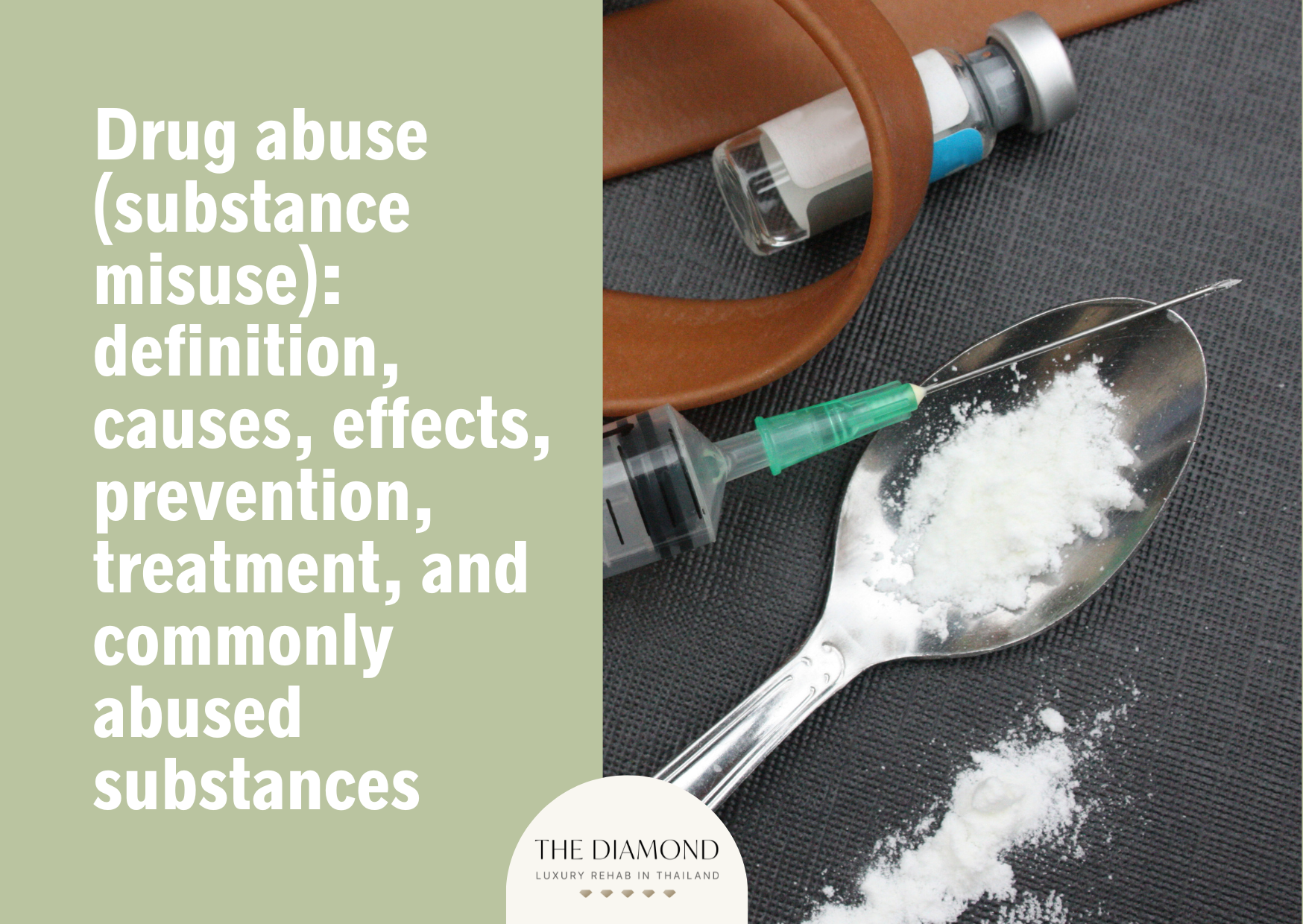
In the traditional sense, “drugs of abuse” refers to chemical substances—opioids, stimulants, or depressants—that hijack the brain’s reward system, leading to compulsive use despite harmful consequences. However, as we move deeper into the 21st century, the definition of “abuse” is expanding beyond the biological and into the technological. Today, software engineers and data scientists have inadvertently (or by design) created “digital drugs of abuse.” These are platforms, algorithms, and applications engineered to trigger the same neurochemical pathways as traditional narcotics.
In this exploration, we analyze the technology behind digital dependency, the AI tools that drive compulsive behavior, and the emerging software ecosystem designed to help users regain control over their cognitive autonomy.

Defining Digital Drugs: The Software Behind the Craving
When we discuss drugs of abuse in a tech context, we are looking at the architecture of the “Attention Economy.” Just as a chemist refines a substance to maximize its potency, software developers refine user interfaces (UI) and user experiences (UX) to maximize engagement. The goal is to keep the user within the ecosystem for as long as possible, often at the expense of their mental well-being.
The Dopamine Loop: How UI/UX Triggers the Brain
The primary mechanism of digital abuse is the “dopamine loop.” Dopamine is a neurotransmitter associated with pleasure, but more importantly, with anticipation. Tech platforms utilize “variable reward schedules”—the same psychological principle that makes slot machines addictive. When a user pulls down to refresh a feed (the “pull-to-refresh” gesture is identical to a slot machine lever), they don’t know if they will find a boring update or a highly stimulating piece of content. This uncertainty creates a powerful craving that mirrors the behavior of substance seekers.
Infinite Scroll and Gamification: The Mechanics of Dependency
The “infinite scroll,” a feature now standard across almost all social media, is a technological masterpiece of friction reduction. By removing the natural stopping points (like “next page” buttons), software minimizes the “stopping cues” that allow the brain to pause and evaluate behavior. Furthermore, gamification—the use of streaks, badges, and points—transforms mundane software interactions into a competitive environment. These digital rewards function as micro-doses of validation, reinforcing the habit of checking the app hundreds of times a day.
The Role of AI and Machine Learning in Habit Formation
If UI/UX is the delivery mechanism, then Artificial Intelligence (AI) and Machine Learning (ML) are the “chemists” behind the drug. In the past, media was broadcast to a mass audience. Today, it is hyper-personalized, creating a unique “digital substance” for every individual user.
Predictive Analytics: Anticipating the User’s Next Hit
Modern AI tools utilize predictive analytics to understand a user’s psychological profile better than they understand it themselves. By analyzing trillions of data points—including hover time, scroll speed, and biometrics from wearable tech—algorithms can predict exactly when a user is about to leave a platform. To prevent this “churn,” the AI injects a high-value piece of content—a “digital hit”—at the precise moment of waning interest. This level of personalized manipulation is a hallmark of how software becomes a drug of abuse.
Recommendation Engines as Virtual Dealers
The recommendation engines utilized by video platforms and commerce apps are designed to maximize “time spent.” These engines use deep learning to identify patterns in behavior. If a user shows a slight interest in a topic, the AI will provide increasingly sensationalized content to maintain the dopamine spike. This “rabbit hole” effect is not a glitch; it is the software performing its primary function: keeping the user engaged at any cost. For many, this leads to a state of “flow” that mimics the dissociation found in heavy substance use, where hours pass without the user being aware of their physical surroundings.

Technological Solutions: Apps and Software to Combat Abuse
As the conversation around “digital drugs of abuse” matures, a new sector of the tech industry has emerged: Digital Wellness. If the problem is software-based, the solution is increasingly being found in sophisticated software designed to act as a “digital rehab.”
Digital Health Tools and Screentime Management
Apple and Google have integrated native “Digital Wellbeing” and “Screen Time” dashboards into their operating systems. These tools provide users with data-driven insights into their own “consumption” habits. Advanced software like Freedom, Forest, and Cold Turkey allows users to create “blacklists” of digital substances. These apps use system-level permissions to block access to distracting websites and applications, effectively acting as a digital barrier against the compulsive urge to check one’s phone.
AI-Powered Monitoring for Substance and Behavioral Recovery
Beyond just managing screen time, tech is being used to treat traditional substance abuse. AI tools are now being deployed in the form of “Digital Therapeutics” (DTx). These are FDA-cleared software applications designed to deliver cognitive behavioral therapy (CBT). Apps like Reset or Pear Therapeutics use AI to track a patient’s triggers and provide real-time interventions. By monitoring patterns in a user’s typing speed, location data, and even vocal cues, these tools can predict a potential relapse into drug abuse and alert a healthcare provider before it occurs.
The Cybersecurity of the Self: Protecting Cognitive Autonomy
As we look toward the future, the relationship between humans and their devices is becoming increasingly intimate. The concept of “Digital Security” is shifting from protecting our data to protecting our actual neural processes from being abused by external software.
Ethics in Software Development: Designing for Well-being
There is a growing movement within the tech community toward “Humane Technology.” This philosophy argues that software should be designed to respect human limitations rather than exploit them. This includes the implementation of “Gray Mode” (removing the color stimuli that trigger dopamine), the elimination of “dark patterns” in UX design, and the use of AI to encourage “mindful” consumption. The goal is to move away from a model where the user is a “product” to be farmed for attention, toward a model where software serves as a tool for human flourishing.
The Future of Neural Interfaces and Digital Regulation
With the advent of Brain-Computer Interfaces (BCIs) like Neuralink and advanced Virtual Reality (VR), the line between the digital and the biological will blur. In this future, the potential for “drugs of abuse” to be purely digital becomes even more significant. Regulatory bodies are beginning to look at the “addictive potential” of software in the same way they look at the chemical composition of pharmaceuticals. Future tech policy may require “Nutrition Labels” for apps, detailing the psychological tactics used within the software and providing users with a “Safety Score” regarding its addictive properties.
Conclusion: Navigating the High-Tech Habit
“What are drugs of abuse?” is a question that no longer has a purely medical answer. In our hyper-connected world, the most potent “drugs” are often the ones we carry in our pockets. They are the lines of code that know our weaknesses, the algorithms that predict our cravings, and the interfaces that keep us coming back for more.
However, technology is not inherently the enemy. While software can be a “drug,” it can also be the “cure.” Through the rise of Digital Wellness tools, ethical AI, and a new focus on cognitive cybersecurity, we have the opportunity to rewrite the code of our relationship with technology. The challenge of the next decade will be to ensure that we remain the masters of our tools, rather than the subjects of our software. By understanding the mechanics of digital abuse, we can leverage technology to enhance our lives without surrendering our autonomy to the algorithm.
aViewFromTheCave is a participant in the Amazon Services LLC Associates Program, an affiliate advertising program designed to provide a means for sites to earn advertising fees by advertising and linking to Amazon.com. Amazon, the Amazon logo, AmazonSupply, and the AmazonSupply logo are trademarks of Amazon.com, Inc. or its affiliates. As an Amazon Associate we earn affiliate commissions from qualifying purchases.