
The unassuming door jamb, often overlooked, forms the foundational framework for every doorway in a structure. Far more than just a decorative trim, it is the sturdy skeleton that supports the door, facilitating its smooth operation and ensuring the security and energy efficiency of a building. For homeowners, real estate investors, and those managing property, understanding door jambs isn’t merely about construction knowledge; it’s a critical insight into property value, maintenance costs, security investments, and long-term financial planning. A robust and well-maintained door jamb contributes significantly to a property’s financial health, while a failing one can lead to a cascade of costly issues.

The Essential Framework: Understanding Door Jambs and Their Financial Value
At its core, a door jamb is the vertical and horizontal frame into which a door fits when closed. It defines the opening, providing the surface against which the door seals and offering the necessary structure for hinges and strike plates. Its integrity is paramount not just for functionality but also for numerous financial considerations related to a property. From the initial build cost to long-term operational expenses and eventual resale value, the humble door jamb plays a surprisingly significant monetary role.
Anatomy of a Door Jamb: Components and Their Cost Significance
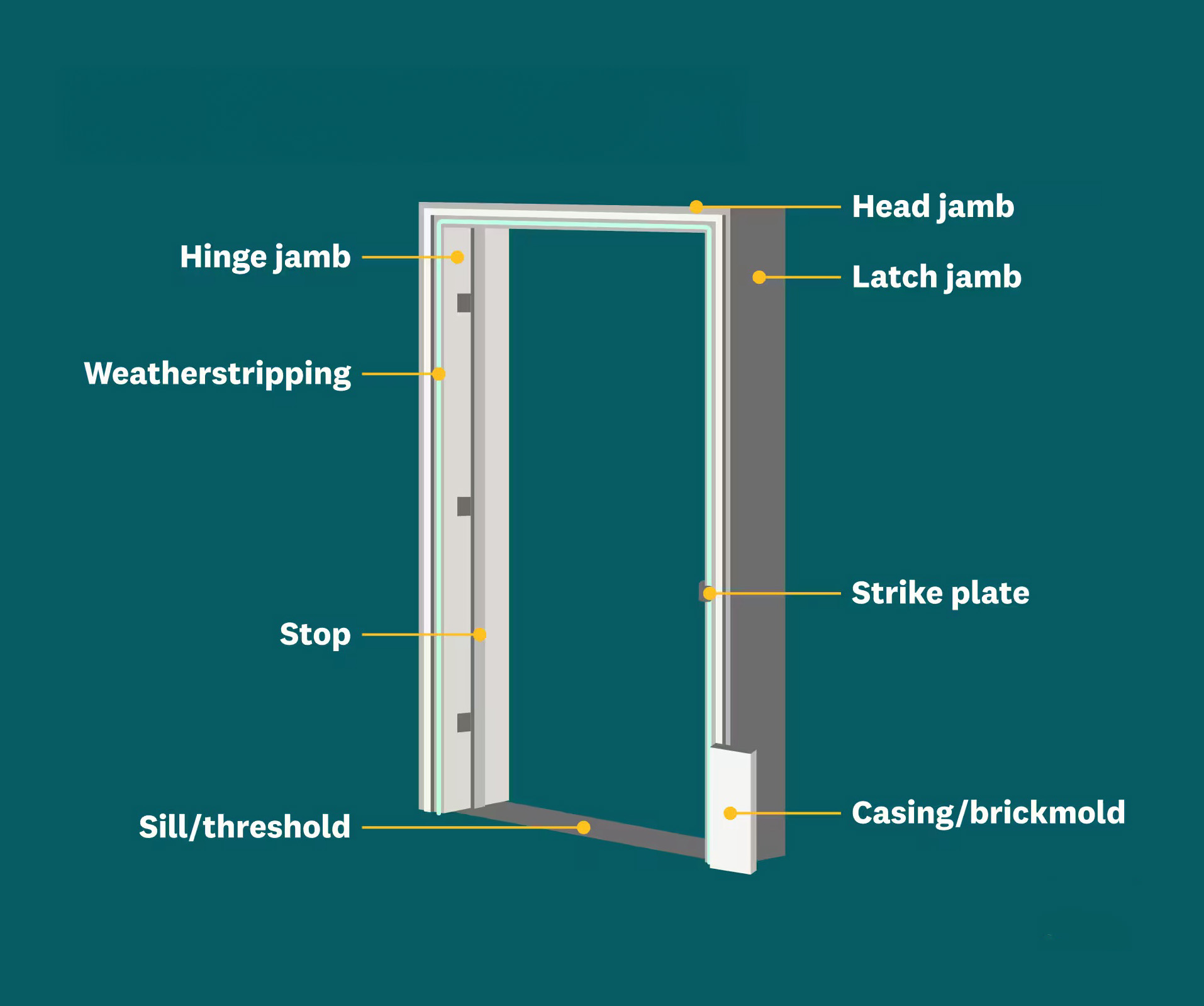
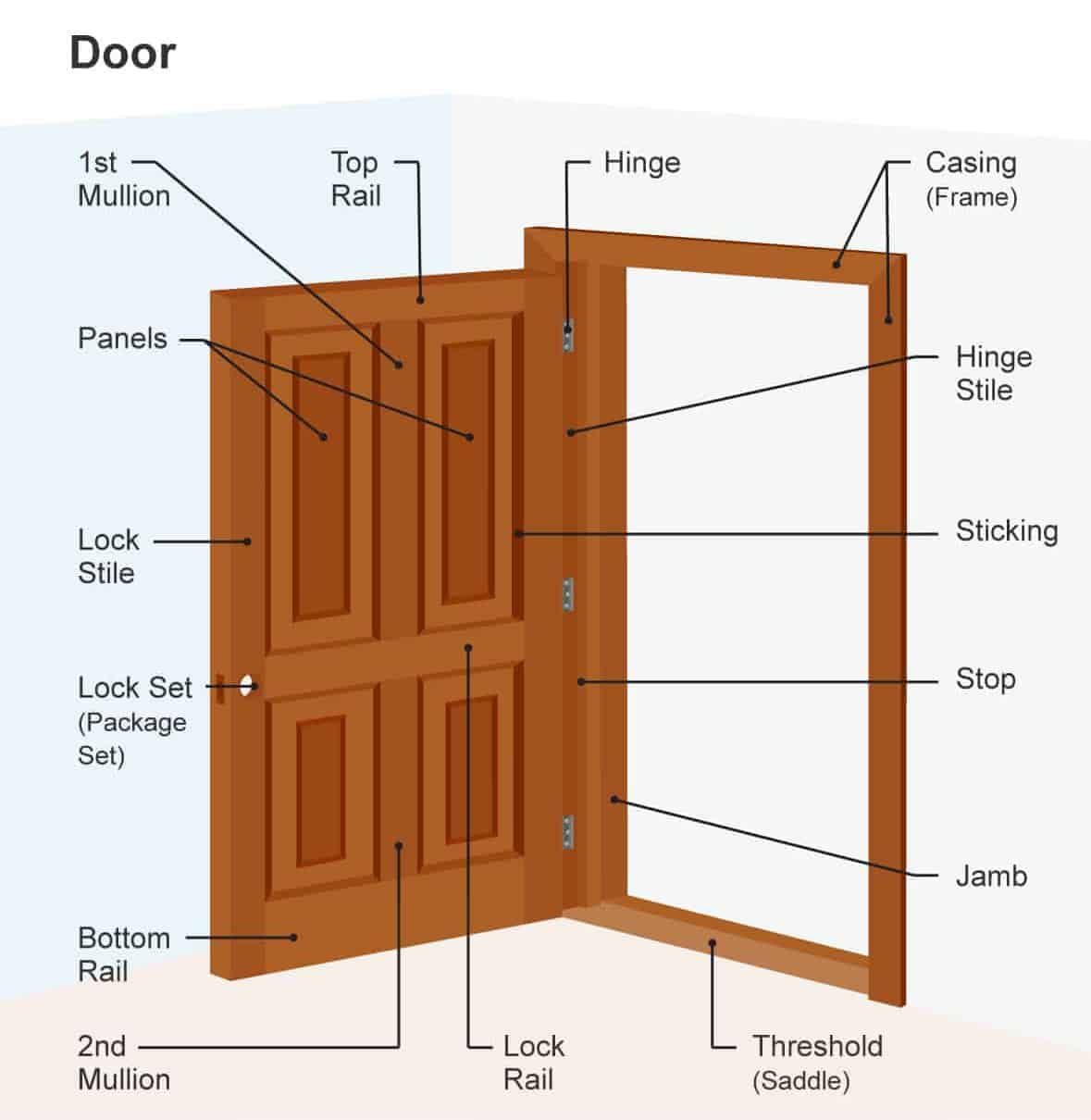
A standard door jamb assembly consists of several key components, each bearing its own cost and contributing to the overall financial performance of the doorway:
- Header (or Head Jamb): The horizontal piece at the top of the door frame. It supports the load from above and plays a crucial role in maintaining the structural integrity of the opening. A warped or damaged header can necessitate significant structural repairs, escalating costs far beyond a simple door fix.
- Side Jambs: The two vertical pieces on either side of the door opening. One side jamb typically houses the hinges, while the other contains the strike plate for the door latch. The material and installation quality of side jambs directly impact the security and longevity of the door. Inferior materials or poor installation can lead to costly security upgrades or premature replacement.
- Door Stop: A thin strip of wood or metal fastened to the jambs, extending around the perimeter of the frame. Its purpose is to prevent the door from swinging too far in either direction when closed, creating a tight seal. A missing or damaged door stop compromises the door’s seal, leading to increased energy bills due to drafts. Replacing these can be a minor cost, but neglecting them results in ongoing financial drain.
- Threshold (or Sill): While technically not part of the jamb, the threshold is the piece that sits on the floor at the bottom of the doorway. It offers protection against weather elements for exterior doors and acts as a transition between different flooring types. A worn-out threshold not only looks bad, diminishing curb appeal, but also allows moisture infiltration, potentially leading to costly water damage to flooring or subflooring.
Understanding these components allows for a more informed assessment of repair costs, replacement estimates, and the financial implications of maintenance decisions. Each piece contributes to the overall function and, consequently, the monetary value and operational efficiency of the door system.
Why Jamb Integrity Matters: Beyond Aesthetics, A Financial Imperative
The structural integrity of door jambs transcends mere aesthetics. A failing door jamb can be a significant financial liability, leading to:
- Security Vulnerabilities: A compromised jamb, especially around the strike plate, can significantly weaken the door’s resistance to forced entry. This not only puts occupants and belongings at risk but can also impact insurance premiums or the ability to file successful claims after a break-in. Investing in robust jambs is an investment in security.
- Increased Energy Costs: Gaps or warps in the jamb prevent the door from sealing properly, allowing conditioned air (heated or cooled) to escape and outdoor air to enter. This leads to higher utility bills, a constant drain on household finances.
- Premature Door Wear: A misaligned door due to a faulty jamb can cause the door itself to rub, stick, or sustain damage, shortening its lifespan and necessitating earlier, more expensive door replacements.
- Decreased Property Value: From a real estate perspective, visibly damaged or poorly functioning door jambs detract from a property’s appeal and perceived quality. This can lower appraisal values and reduce buyer interest, potentially impacting the final sale price and return on investment.
Thus, recognizing the condition of door jambs is not just about cosmetic fixes; it’s about protecting significant financial assets and ensuring cost-effective property operation.
Financial Implications of Door Jamb Condition and Selection
When dealing with door jambs, property owners face critical financial decisions regarding repair, replacement, and material choices. These choices have direct and lasting impacts on budgets, property value, and long-term expenses.
Repair vs. Replacement: Calculating the Cost-Benefit
Deciding whether to repair a damaged door jamb or replace the entire unit is a common dilemma with clear financial implications.
- Repair Costs: Minor damages like small cracks, rot in localized areas, or loose strike plates can often be repaired. This usually involves sanding, filling with epoxy or wood putty, reinforcing, or replacing small sections. Repair is generally the less expensive option in the short term, suitable for preserving budgets. However, it’s crucial to assess if the repair is a lasting solution or merely a temporary fix that will lead to more significant expenses down the line. A superficial repair on a structurally compromised jamb is a poor financial decision.
- Replacement Costs: If the jamb is severely rotted, warped beyond repair, infested with pests, or has significant structural damage, full replacement is often the more financially prudent long-term solution. While initially more expensive due to labor and material costs, a new, properly installed jamb eliminates ongoing issues, improves security, boosts energy efficiency, and enhances property value. Consider the lifecycle cost: frequent minor repairs often accrue to more than a single, comprehensive replacement.
A thorough cost-benefit analysis, factoring in labor, materials, longevity, and future financial implications (like energy savings or security enhancements), is essential for making the right choice. Sometimes, spending more upfront saves substantially in the long run.
Material Choices and Their Budgetary Impact
The material chosen for door jambs directly influences costs, durability, and maintenance requirements.
- Wood: Common materials include pine, fir, oak, or mahogany.
- Pros: Aesthetic appeal, ease of customization, good insulation properties. Pine and fir are more budget-friendly. Oak and mahogany are more durable and expensive, adding a premium feel and value.
- Cons: Susceptible to rot, warping, and pests, especially in high-moisture environments. Requires regular painting or sealing, incurring ongoing maintenance costs.
- Financial Insight: While cheaper wood jambs reduce initial outlay, they may demand more frequent maintenance or earlier replacement, increasing long-term expenditure. Investing in rot-resistant or higher-quality wood can offer better ROI through durability.
- MDF (Medium-Density Fiberboard): Engineered wood product.
- Pros: Inexpensive, smooth finish, consistent quality, resistant to warping compared to natural wood.
- Cons: Highly susceptible to moisture damage; swells and degrades rapidly when wet. Not suitable for exterior doors or high-humidity interior areas.
- Financial Insight: Best for interior, low-moisture applications where budget is a primary concern. Misusing MDF can lead to immediate failure and costly replacements.
- Vinyl/PVC: Synthetic plastic material.
- Pros: Highly resistant to moisture, rot, and pests; low maintenance. Good for exterior applications.
- Cons: Can be less rigid than wood, limited aesthetic options, can become brittle over time with UV exposure. Initial cost often higher than basic wood.
- Financial Insight: Excellent long-term value for exterior doors due to minimal maintenance and extreme durability, offsetting higher upfront costs.
- Metal (Steel/Aluminum): Primarily used in commercial or heavy-duty residential applications.
- Pros: Superior strength, security, and fire resistance. Extremely durable.
- Cons: More expensive, can rust if not properly coated, offers less thermal insulation (especially steel), limited aesthetic appeal for residential.
- Financial Insight: A significant investment, but offers unparalleled security and longevity, reducing long-term replacement costs and potentially lowering insurance premiums.
Careful material selection, aligned with the door’s location and desired financial outcome, is crucial. The cheapest option upfront is rarely the most economical over the lifespan of the property.
Installation Costs: Professional Service vs. DIY Savings
The installation of a door jamb is a task that requires precision. The financial implications differ significantly between hiring a professional and undertaking a DIY project.
- Professional Installation:
- Cost: Typically ranges from a few hundred to over a thousand dollars per jamb, depending on complexity, location (interior/exterior), and regional labor rates. This includes labor, specialized tools, and expertise.
- Benefits: Ensures correct installation, proper sealing, optimal door function, and adherence to building codes. Professionals guarantee their work, reducing the risk of costly re-dos. This protects your investment in the door and jamb itself.
- Financial Insight: While higher upfront, professional installation minimizes the risk of future problems that lead to costly repairs (e.g., drafts, structural issues, security breaches), potentially saving more in the long run.
- DIY Installation:
- Cost: Primarily material costs, potentially tool rental if specialized equipment is needed. Significantly cheaper in terms of direct outlay.
- Risks: Requires significant skill, precision, and the right tools. Improper installation can lead to misaligned doors, drafts, security vulnerabilities, water infiltration, and damage to the door or surrounding wall structure. Rectifying these mistakes can easily exceed the cost of professional installation.
- Financial Insight: While tempting for immediate savings, DIY should only be considered by those with proven carpentry skills. The financial risk of errors and the subsequent costs of repair or professional correction can quickly negate any initial savings, making it a false economy.
For most homeowners, especially for exterior doors where security and weatherproofing are paramount, professional installation represents a sound financial decision, safeguarding both their immediate investment and long-term property value.
Door Jambs as a Factor in Property Value and Investment
For real estate investors, property managers, and homeowners looking to sell, the condition of door jambs is a subtle yet significant factor impacting property valuation and market appeal. They contribute to the overall impression of quality, security, and efficiency, all of which directly translate into monetary value.
Curb Appeal and Resale Value: The First Impression’s Price Tag
Damaged or poorly maintained door jambs are immediately noticeable, especially for exterior doors. They contribute to a negative first impression, signaling neglect and potential underlying issues to prospective buyers or renters.
- Negative Impact: Cracked, rotted, or visibly loose door jambs reduce a property’s curb appeal. Buyers subconsciously equate poor exterior finishes with a poorly maintained interior or structural problems, leading to lower offers or a lack of interest. The cost of replacing a few jambs is minimal compared to the potential loss in sale price or rental income.
- Positive Impact: Well-maintained, sturdy, and aesthetically pleasing door jambs complement the entrance, enhancing the overall appeal of the property. They convey a sense of quality, security, and attention to detail, which can justify a higher asking price and attract buyers more quickly. This translates into a quicker sale and a better return on investment.
Investing in high-quality door jambs and ensuring their pristine condition before listing a property is a cost-effective strategy to maximize resale value and attract discerning buyers.
Energy Efficiency and Operational Savings
The energy efficiency of a home is a significant financial concern for buyers and a continuous operational cost for owners. Properly installed and maintained door jambs play a critical role.
- Leaky Jambs, High Bills: Worn-out or improperly sealed door jambs create air leaks, leading to substantial heat loss in winter and cool air escape in summer. This forces HVAC systems to work harder, directly increasing utility bills. Over time, these cumulative energy losses can amount to thousands of dollars.
- Tight Jambs, Lower Bills: A door with a tight-fitting jamb and effective weatherstripping forms an excellent seal, minimizing air infiltration. This directly translates to lower energy consumption, resulting in tangible monthly savings.
- Financial Insight: When evaluating a property for purchase or renovation, assessing the condition and sealing effectiveness of door jambs is an important step. Investing in new, energy-efficient jambs is often a quick-return investment through reduced energy costs, improving the property’s financial attractiveness.
Security and Insurance Premiums: Protecting Your Investment
Door jambs are a critical line of defense against intruders, and their strength can have direct financial consequences regarding security and insurance.
- Vulnerability and Risk: A weak or damaged door jamb, particularly around the strike plate, is a common point of forced entry. This vulnerability not only endangers occupants and belongings but also increases the risk of property damage and theft.
- Insurance Impact: Homes with evident security vulnerabilities, including compromised door jambs, may face higher insurance premiums. Furthermore, in the event of a break-in, insurers might scrutinize the security measures in place. A demonstrably weak jamb could potentially affect the payout of a claim if negligence is implied.
- Financial Insight: Reinforcing door jambs, especially on exterior doors, with longer screws for hinges and strike plates, or using metal-reinforced jambs, is a relatively inexpensive security upgrade. This investment significantly reduces the risk of break-ins, potentially lowering insurance costs, and providing invaluable peace of mind, thus protecting the financial and emotional investment in a home.
Strategic Maintenance and Long-Term Financial Planning
The longevity and performance of door jambs, and by extension, their financial impact, are heavily influenced by ongoing maintenance. Proactive care is not just about aesthetics; it’s a strategic approach to avoid costly future repairs and maximize the return on your property investment.
Proactive Care: Preventing Costly Future Repairs
Regular inspection and maintenance of door jambs can significantly extend their lifespan and prevent minor issues from escalating into expensive problems.
- Routine Inspection: Periodically check jambs for signs of rot, cracks, loose screws, or warping. Pay particular attention to the bottom sections of exterior door jambs, which are most exposed to moisture. Early detection of rot or pest activity can save hundreds or thousands in repair costs.
- Weatherstripping and Sealing: Ensure that weatherstripping around the door stop is intact and forming a tight seal. Replace worn-out weatherstripping promptly. Caulk any gaps between the jamb and the wall, especially on exterior doors, to prevent moisture infiltration and air leaks. These simple, inexpensive tasks are crucial for maintaining energy efficiency and preventing water damage that compromises the jamb’s structure.
- Paint and Finish Maintenance: For wooden jambs, keep the paint or sealant in good condition. A well-maintained finish acts as a protective barrier against moisture and UV damage, preventing wood rot and warping. Repainting or resealing as needed is a small preventative cost that avoids large replacement expenditures.
- Tightening Hardware: Periodically check and tighten screws on hinges and strike plates. Loose hardware can stress the jamb, leading to cracking or splitting.
These preventative measures are small investments of time and minimal money that yield substantial financial returns by avoiding major repairs, extending the life of your doors and jambs, and maintaining energy efficiency.
When to Upgrade: Maximizing ROI on Door Jamb Investments
Knowing when to move beyond repairs and invest in an upgrade is a key financial decision for property owners.
- Repeated Repairs: If a particular door jamb requires frequent repairs for the same issues (e.g., recurring rot, constant misalignment), it’s a strong indicator that the underlying problem is not being addressed, and a full replacement with a more durable material or professional installation is warranted. Continuing to patch a fundamentally flawed jamb is a drain on resources.
- Energy Audit Findings: If a professional energy audit identifies door jambs as significant sources of air leakage, upgrading to new, tightly sealed, and insulated jambs (perhaps with a thermal break for metal options) will offer a strong return on investment through reduced utility bills.
- Pre-Sale Renovation: Before selling a property, upgrading visibly worn or damaged door jambs, especially at entry points, can significantly boost curb appeal and perceived value. The cost of a few new jambs can be easily recouped, and potentially surpassed, in a higher sale price.
- Security Enhancement: For properties in areas with higher crime rates or for homeowners prioritizing security, upgrading to steel-reinforced or solid hardwood jambs with extended strike plates is a wise investment that reduces risk and provides peace of mind.
By understanding what door jambs are, their component parts, and their profound financial implications, property owners can make informed decisions that enhance security, reduce operational costs, boost energy efficiency, and ultimately increase the overall value and financial performance of their real estate investments.
aViewFromTheCave is a participant in the Amazon Services LLC Associates Program, an affiliate advertising program designed to provide a means for sites to earn advertising fees by advertising and linking to Amazon.com. Amazon, the Amazon logo, AmazonSupply, and the AmazonSupply logo are trademarks of Amazon.com, Inc. or its affiliates. As an Amazon Associate we earn affiliate commissions from qualifying purchases.