
Understanding the landscape of hepatitis is essential for maintaining long-term health and wellness. While often discussed in general terms, hepatitis is a multifaceted condition that refers specifically to inflammation of the liver. This inflammation can be triggered by a variety of factors, ranging from viral infections and alcohol consumption to autoimmune disorders and certain medications. Because the liver serves as the body’s primary filtration system—responsible for processing nutrients, filtering blood, and detoxifying chemicals—its health is paramount to overall physical performance.
When the liver becomes inflamed, its ability to function optimally is compromised, which can lead to fatigue, jaundice, and more severe systemic issues. To navigate this medical reality, it is necessary to categorize the different types of hepatitis, how they are transmitted, and how they impact the human body. By breaking down these conditions into viral, autoimmune, and toxic categories, we can better understand the preventative measures and medical interventions available today.
Viral Hepatitis: The Most Common Offenders
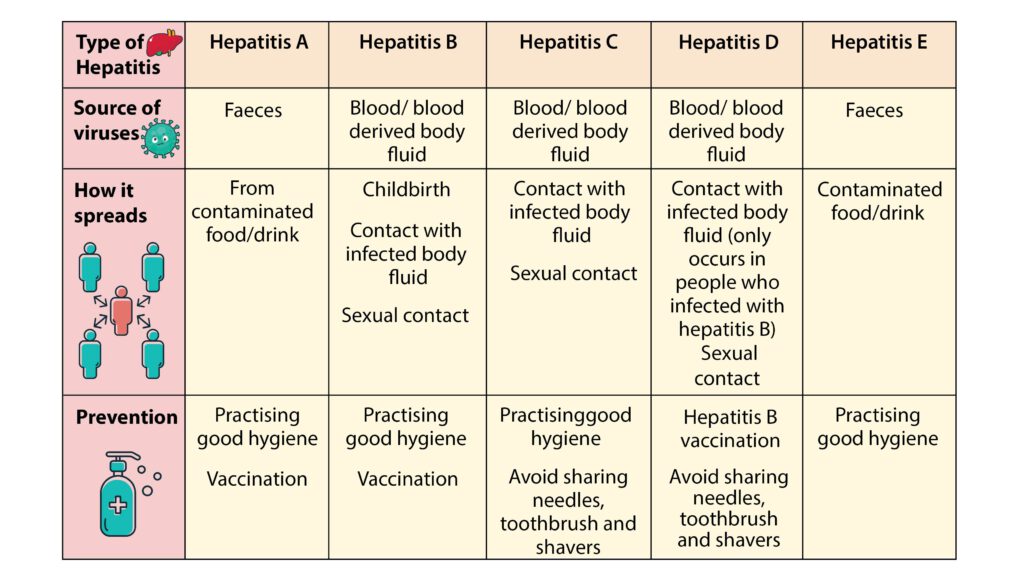
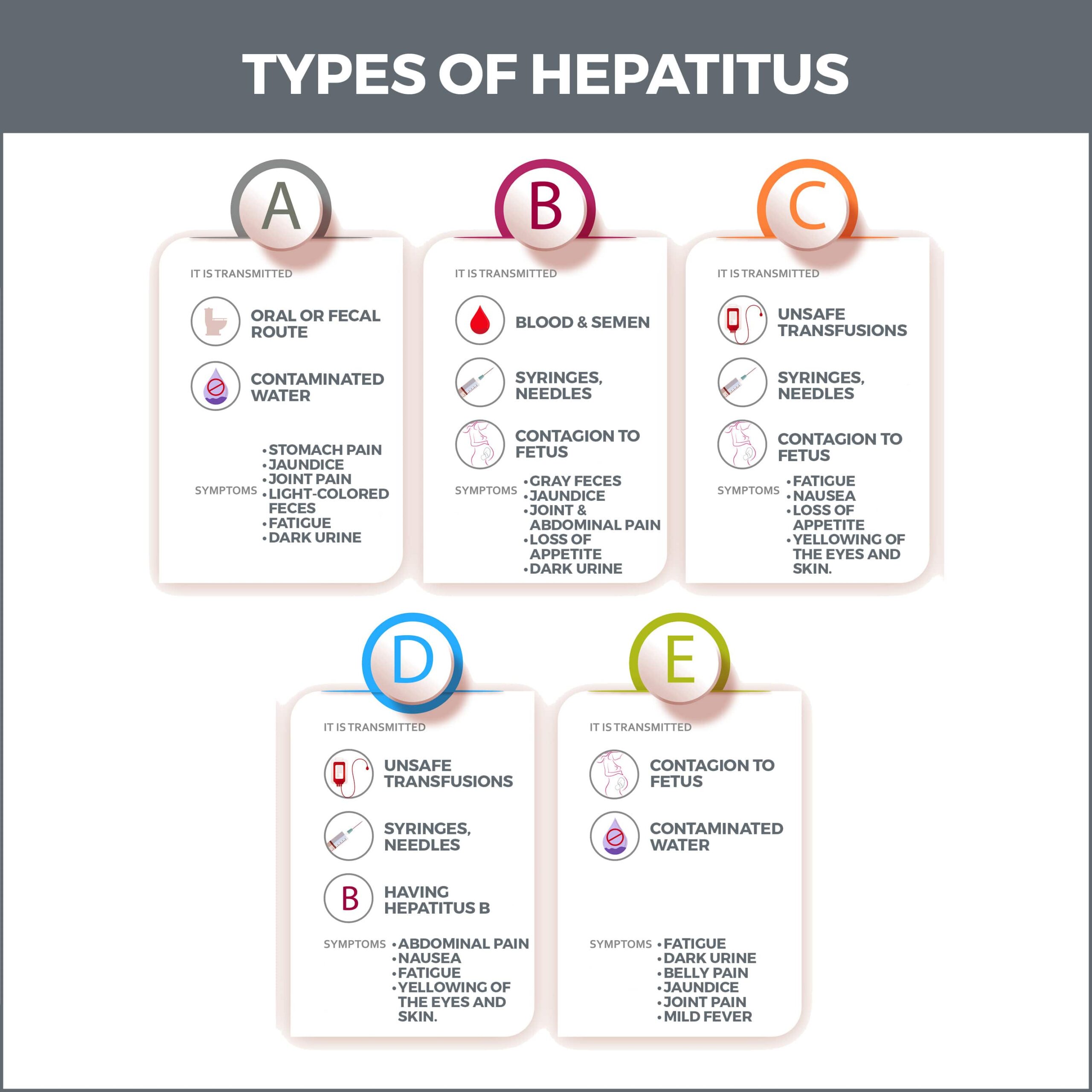
Viral hepatitis is perhaps the most widely recognized form of liver inflammation. It is caused by a group of viruses—designated alphabetically from A through E—that specifically target the liver cells. While these viruses share a common goal of causing inflammation, their modes of transmission, longevity, and long-term health impacts differ significantly.
Hepatitis A: The Food-Borne Concern
Hepatitis A is primarily transmitted through the ingestion of contaminated food or water, often in environments with poor sanitation. Unlike some other forms, it is usually an acute, short-term condition. The body is often capable of clearing the virus on its own over several weeks or months. Because of its transmission route, public health efforts focus heavily on hand hygiene and vaccination, which is highly effective at preventing infection.
Hepatitis B and C: The Chronic Threats
Hepatitis B and C are the most serious forms of viral hepatitis due to their potential to become chronic infections. Hepatitis B is transmitted through contact with infectious body fluids, such as blood, saliva, or semen. It can progress into a lifelong condition that significantly increases the risk of liver failure, cirrhosis, and liver cancer if left untreated.
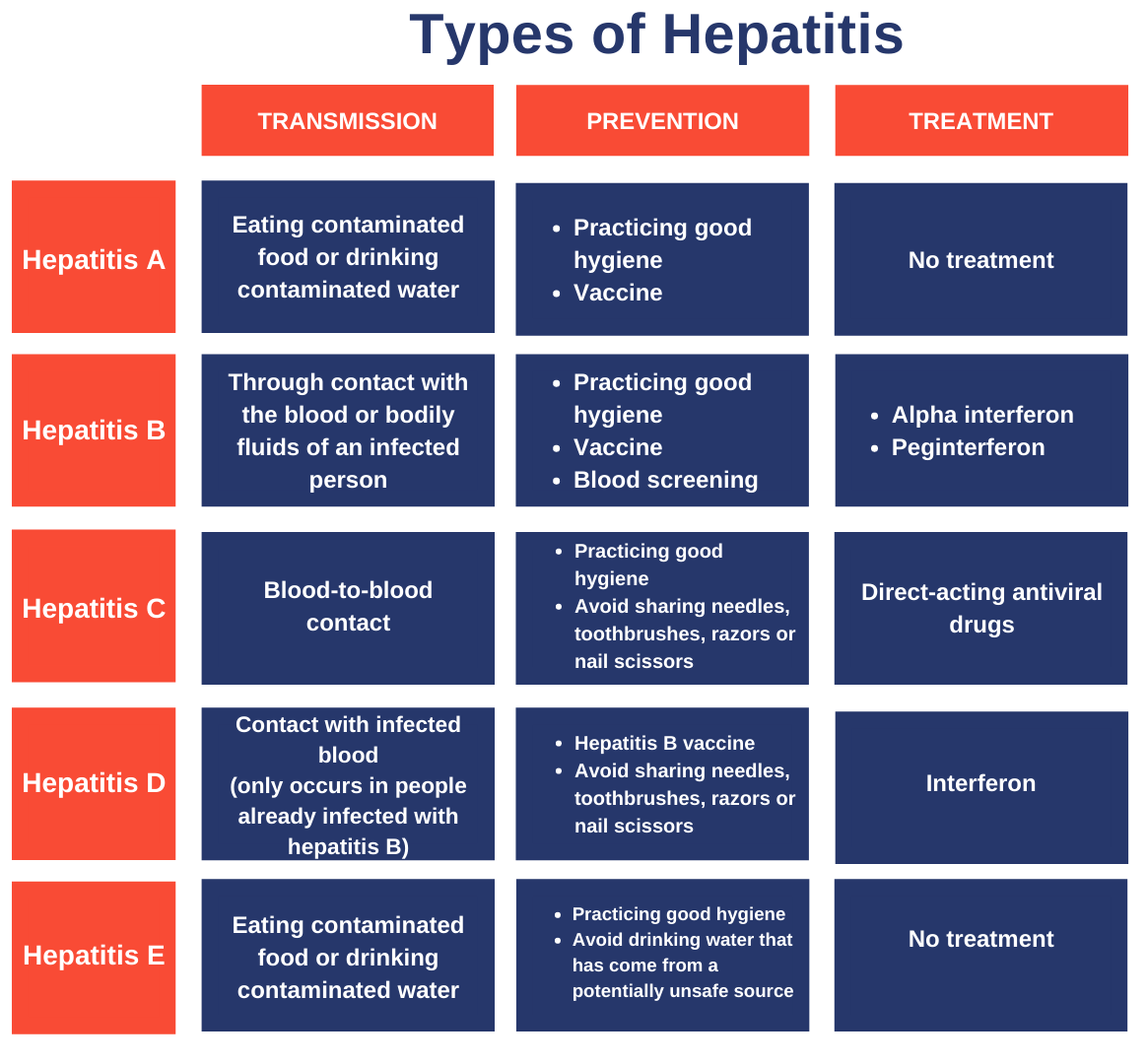
Hepatitis C, while also blood-borne, is notoriously referred to as a “silent epidemic” because many individuals show no symptoms for decades until significant liver damage has occurred. Historically, Hepatitis C was harder to treat, but advancements in medical science have introduced direct-acting antiviral medications that can now cure a high percentage of patients, marking a major turning point in modern medicine.
Hepatitis D and E: The Specialized Cases
Hepatitis D is unique in that it only occurs in individuals already infected with Hepatitis B. It requires the presence of the Hepatitis B virus to replicate, effectively making it a co-infection that exacerbates the severity of the original liver condition. Hepatitis E, similar to Hepatitis A, is typically spread through contaminated water in regions with limited sanitation systems. While usually acute, it can be particularly dangerous for pregnant individuals.
Non-Viral Causes: Alcohol, Toxins, and Autoimmunity
While viruses are the most famous culprits, they are not the only ways to develop hepatitis. Non-viral hepatitis encompasses a broad range of conditions where the liver is damaged by external substances or the body’s own immune system. These conditions demonstrate that maintaining liver health is not just about avoiding infectious diseases but also about managing lifestyle choices and systemic health.
Alcoholic Hepatitis
As the name suggests, alcoholic hepatitis is caused by excessive alcohol consumption over an extended period. The liver breaks down alcohol into toxic byproducts, which, when produced in excess, lead to inflammation and scarring. This condition serves as a stark reminder of the liver’s limitations; it can regenerate, but it cannot withstand constant toxic bombardment indefinitely. The severity of alcoholic hepatitis can range from mild, reversible inflammation to life-threatening liver failure, often serving as a precursor to alcoholic cirrhosis.
Toxic and Drug-Induced Hepatitis
The liver processes everything we ingest, including over-the-counter medications, prescription drugs, and herbal supplements. In some cases, these substances can trigger a toxic reaction. Drug-induced hepatitis occurs when the liver is unable to metabolize a particular medication, leading to cell death and inflammation. Acetaminophen overdose is a classic example of this phenomenon. Even common supplements, when taken in high doses or combinations, can lead to unexpected liver distress, emphasizing the importance of consulting medical professionals before starting new supplement regimens.
Autoimmune Hepatitis
Autoimmune hepatitis occurs when the body’s immune system, which is meant to protect us from pathogens, turns against the liver. In this scenario, the immune system mistakes the liver’s healthy cells for foreign invaders and attacks them. This is a chronic condition that requires lifelong management to suppress the immune response and prevent the permanent scarring of liver tissue. While the exact cause remains unknown, it is often linked to genetic factors and other existing autoimmune disorders.
Recognizing Symptoms and Seeking Diagnosis
Regardless of the type, the symptoms of hepatitis often overlap, which is why clinical testing is the only definitive way to identify the underlying cause. Because the liver has a high capacity for compensation, many people remain asymptomatic during the early stages of liver inflammation.
Common Clinical Indicators
When symptoms do manifest, they often present as non-specific issues. Patients may experience profound fatigue, nausea, abdominal pain, or a loss of appetite. One of the most visible indicators is jaundice—a yellowing of the skin and eyes—which occurs when the liver can no longer effectively process bilirubin, a waste product of red blood cells. Dark-colored urine and pale, clay-colored stools are also common signals that the liver’s biliary system is malfunctioning.
The Diagnostic Process
Diagnosis typically begins with a blood test to check for liver enzymes. If these enzymes are elevated, it indicates that liver cells are damaged and are leaking their contents into the bloodstream. Following this, healthcare providers may order specific viral panels to rule out Hepatitis A, B, or C. In instances where non-viral causes are suspected, doctors may look into a patient’s medical history, medication list, or perform an ultrasound or biopsy to assess the level of inflammation and fibrosis (scarring) within the liver tissue.
Management, Prevention, and Future Outlook
The landscape of hepatitis management has evolved rapidly, moving from general supportive care to highly specific, targeted therapies. The strategy for management depends entirely on the type and severity of the condition.
Prevention Strategies
Prevention remains the most effective form of treatment. Vaccines are available for Hepatitis A and B, and they are widely recommended for children and at-risk adults. For Hepatitis C, prevention relies on safe medical practices, such as the use of sterilized needles and screening of blood supplies. For non-viral forms, prevention is rooted in lifestyle management: limiting alcohol intake, monitoring medication use, and maintaining a balanced weight to prevent conditions like Non-Alcoholic Fatty Liver Disease (NAFLD), which is becoming increasingly prevalent in modern society.
Current Therapeutic Trends
For those living with hepatitis, the outlook is brighter than ever. For chronic viral infections, antiviral medications have drastically improved the quality of life and prognosis for millions. For autoimmune hepatitis, corticosteroids and immunosuppressants help control the inflammatory response. In severe cases where the liver has sustained significant, irreversible damage (cirrhosis), liver transplantation remains a viable and life-saving option.
Ultimately, the liver is a resilient organ, but it is not invincible. By understanding that “hepatitis” is an umbrella term for many different conditions, individuals can become better advocates for their own health. Whether it involves getting vaccinated, discussing medication side effects with a doctor, or being mindful of alcohol consumption, proactive steps are the best defense. As medical research continues to advance, the goal is to shift from reactive treatment to a model of early detection and complete prevention, ensuring that the body’s most hardworking organ is protected for a lifetime.
aViewFromTheCave is a participant in the Amazon Services LLC Associates Program, an affiliate advertising program designed to provide a means for sites to earn advertising fees by advertising and linking to Amazon.com. Amazon, the Amazon logo, AmazonSupply, and the AmazonSupply logo are trademarks of Amazon.com, Inc. or its affiliates. As an Amazon Associate we earn affiliate commissions from qualifying purchases.