
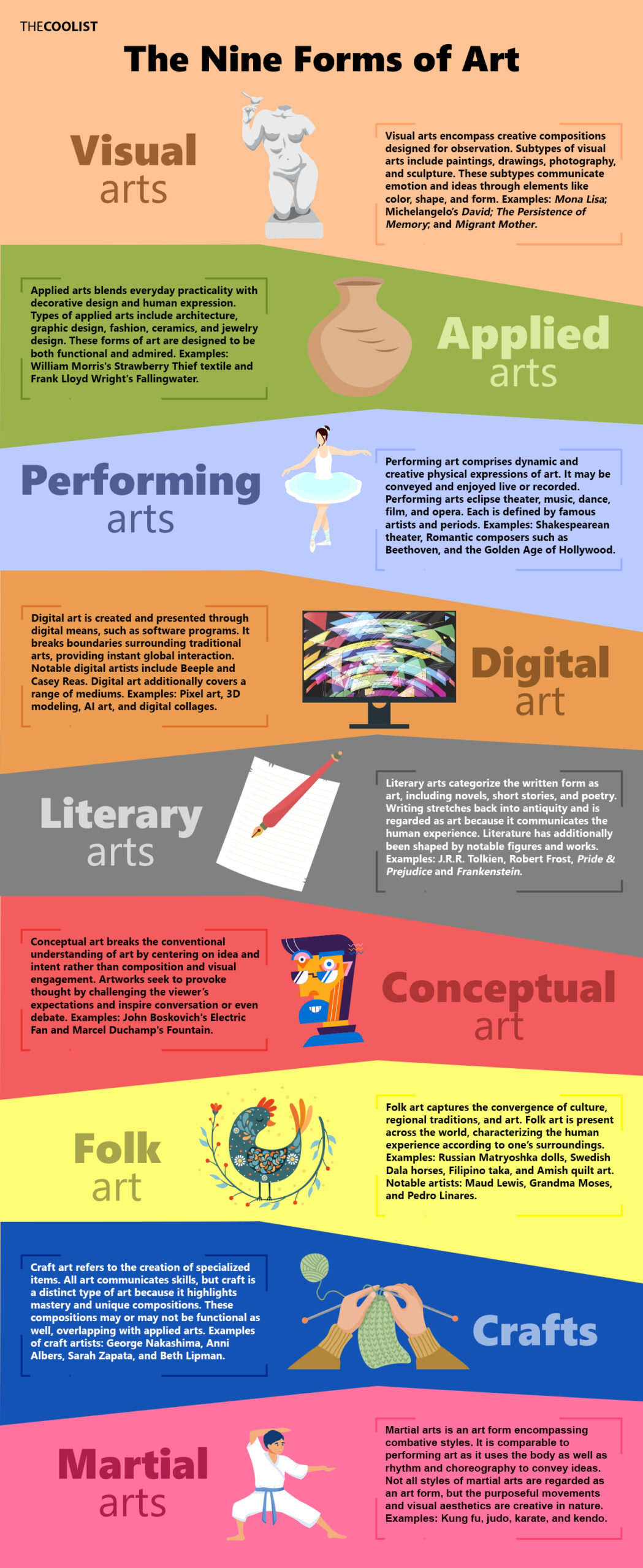
Art is the physical manifestation of human creativity, a visual and sensory language that transcends cultural barriers. In the professional world of branding and design, understanding the taxonomy of art forms is essential for visual communication, aesthetic strategy, and the cultivation of a distinct corporate or personal identity. By categorizing art, we gain the ability to leverage specific mediums to evoke particular emotional responses and establish brand authority.
The Fine Arts: The Foundation of Aesthetic Identity
The fine arts represent the purest form of human expression, often intended for aesthetic or intellectual stimulation rather than purely utilitarian function. Within a branding context, fine art is frequently used to establish prestige, sophistication, and cultural relevance.
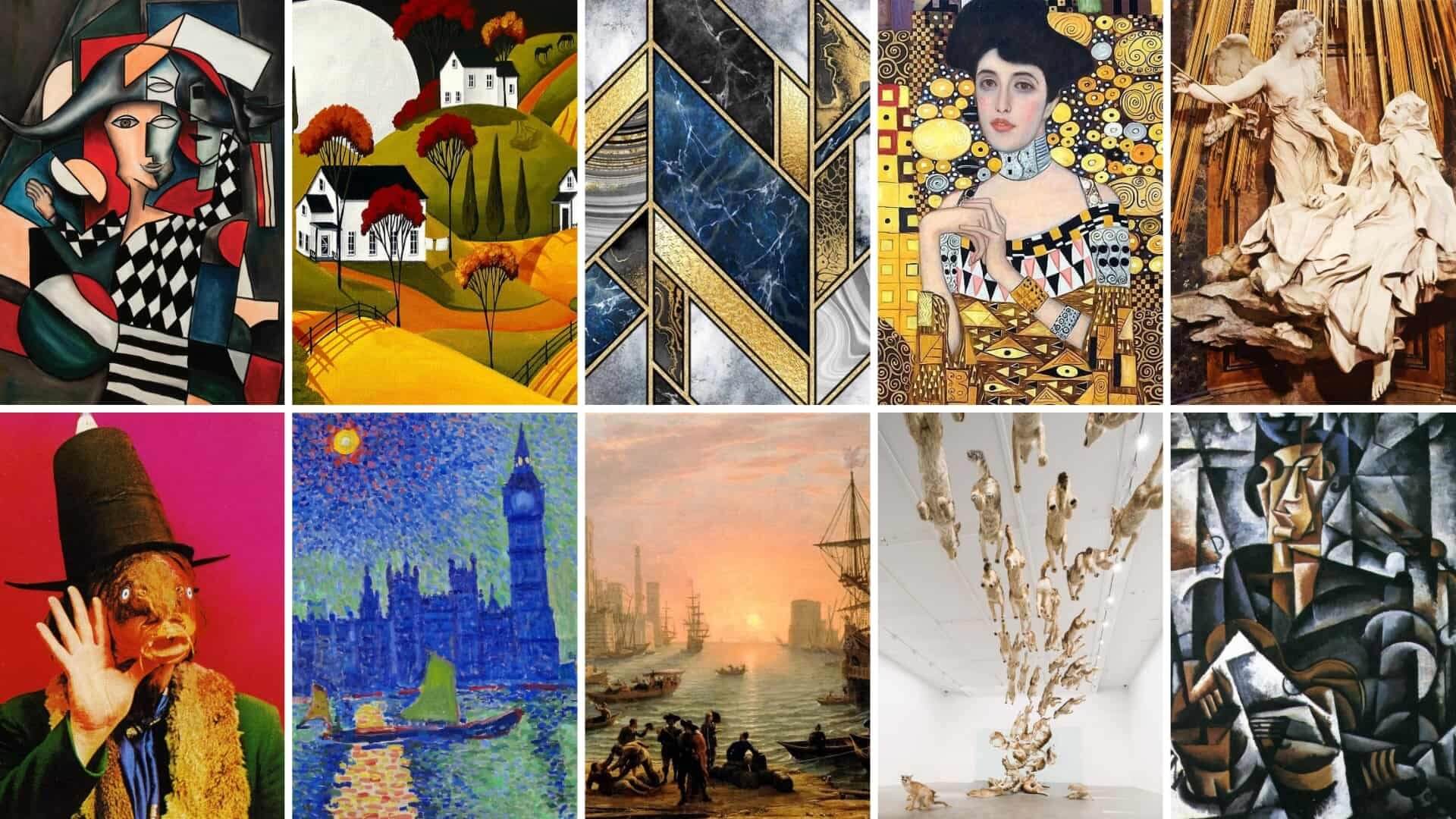
Painting and Drawing
Painting and drawing remain the bedrock of visual art. From the high-contrast drama of oil paintings to the minimalist precision of charcoal sketches, these mediums define the classic visual vocabulary. In branding, the “painterly” aesthetic—often characterized by visible brushstrokes and emotive color palettes—is used to convey human touch, history, and authenticity. Luxury brands, in particular, often leverage classical fine art references to anchor their identity in legacy and timelessness.
Sculpture and Three-Dimensional Installation
Sculpture demands interaction with space. As brands transition from two-dimensional digital experiences to physical retail environments, sculpture informs the way we think about spatial design. A brand’s interior architecture, the materials chosen for a flagship store, and even the physical design of its products are forms of sculpture. Understanding volume, mass, and negative space allows a brand to create a tangible presence that digital assets simply cannot replicate.
Printmaking
Printmaking—encompassing woodcuts, lithography, and screen printing—introduces the concept of editioning and mechanical reproduction. For a brand, this is the precursor to modern graphic design. The limitations and specific aesthetic qualities of print (such as the texture of ink on paper) are often replicated in digital branding to provide a sense of grit, craftsmanship, and tactile depth.
The Applied Arts: Utility Meets Creative Expression
While fine art exists for its own sake, the applied arts are inextricably linked to functionality. This category is of paramount importance in corporate identity and product design, where the goal is to solve a user problem while maintaining a high aesthetic standard.
Graphic Design and Visual Communication
Graphic design is the bridge between art and commerce. It utilizes typography, color theory, and layout to convey complex information or brand messaging. This is perhaps the most critical art form for the modern marketer. Every logo, social media graphic, and website interface is an exercise in applied art. The discipline requires an understanding of semiotics—the study of signs and symbols—to ensure that a brand’s visual output communicates the intended message to the target demographic immediately and effectively.
Industrial and Product Design
Industrial design is the art of the manufactured object. It sits at the intersection of ergonomics, engineering, and aesthetics. A brand’s product design dictates how a consumer physically interacts with the brand on a daily basis. Consider the silhouette of a high-end smartphone or the weight of a premium pen; these are deliberate artistic choices that shape the user’s perception of value. When form follows function seamlessly, the art becomes invisible, which is often the highest mark of design success.
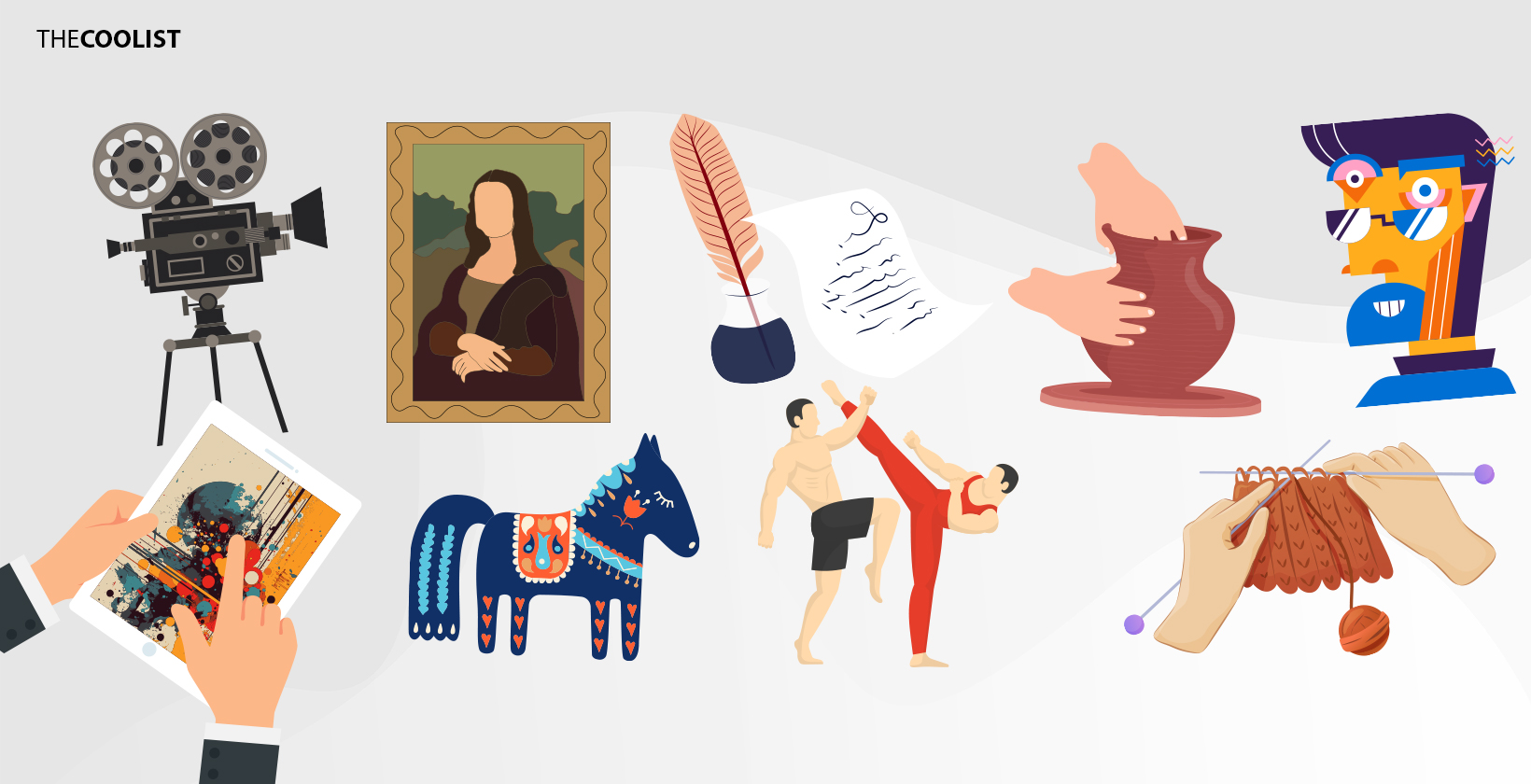
Fashion and Textile Design
Fashion is a dynamic, evolving art form that communicates identity through movement and materiality. For brands, fashion design is about the “uniform” of the customer. It involves the careful selection of textures, patterns, and silhouettes to align with a specific lifestyle. Whether it is a corporate dress code or high-fashion streetwear, clothing is a branding tool that signals status, membership, and personal values.
The Performative and Temporal Arts: Designing for Experience
In a digital-first world, branding has shifted from static imagery to temporal experiences. The performative arts—those that exist in time and require movement or sequence—are now the primary drivers of engagement in digital marketing.
Cinematic Arts and Motion Graphics
Film and video have become the primary mediums for brand storytelling. A cinematic ad is not merely a advertisement; it is a narrative work that utilizes pacing, sound design, and color grading to manipulate viewer emotion. Motion graphics, the art of animating graphic elements, have become the standard for modern interface design. The way a menu unfolds or a logo transitions on a website is an artistic decision that defines the brand’s “rhythm” and “personality.”
Sound Design and Auditory Branding
Though often overlooked, the auditory arts are a critical component of a comprehensive brand identity. Sound design creates an immersive environment. From the “jingle” of a commercial to the specific auditory feedback of a software interface, sound dictates the tempo of the user experience. An artful use of silence and sound creates a psychological hook that keeps users engaged far longer than visuals alone.
Performance Art and Brand Activations
Performance art focuses on the live, interactive experience. For contemporary brands, this translates into “activations”—pop-up events, immersive workshops, and live social media broadcasts. These are not merely sales events; they are curated performances designed to break the fourth wall between the corporation and the consumer. By treating an event as a piece of performance art, a brand can foster a deeper, more memorable connection with its audience.
The Digital Frontier: The Convergence of Mediums
The digital age has blurred the lines between these categories, creating a hybrid space where all art forms coalesce. This convergence is the current playground of brand strategists.
Generative and Algorithmic Art
We are currently witnessing the rise of generative art, where code acts as the brush. Algorithms can now produce infinite variations of visual assets, allowing for dynamic, personalized brand identities. This represents a fundamental shift: the brand is no longer a static logo, but a living, breathing entity that evolves based on real-time data.
Interactive and Immersive Design
The pinnacle of modern applied art is the creation of immersive environments, such as Augmented Reality (AR) and Virtual Reality (VR) experiences. These mediums synthesize graphic design, motion, sound, and spatial awareness into a single experience. For a brand, this is the ultimate tool for consumer engagement. By allowing a customer to “step inside” the brand’s world, the distinction between the art and the brand experience evaporates.
The Role of Curation
Finally, in an era of content saturation, curation itself has become an art form. The ability to select, organize, and present different art forms in a cohesive way is the defining skill of a creative director. Curation ensures that while a brand may utilize painting, film, and industrial design, these elements remain part of a unified narrative.
To master brand strategy, one must view these art forms not as silos, but as tools in a vast, interconnected kit. Whether it is the precision of a logo’s typeface (Graphic Design), the emotional resonance of a brand film (Cinematic Arts), or the tactile quality of product packaging (Industrial Design), every artistic choice is a building block of corporate identity. By intentionally applying these disciplines, brands can create experiences that are not only functional but deeply resonant, transforming mere commerce into meaningful human connection.
aViewFromTheCave is a participant in the Amazon Services LLC Associates Program, an affiliate advertising program designed to provide a means for sites to earn advertising fees by advertising and linking to Amazon.com. Amazon, the Amazon logo, AmazonSupply, and the AmazonSupply logo are trademarks of Amazon.com, Inc. or its affiliates. As an Amazon Associate we earn affiliate commissions from qualifying purchases.