
In the traditional landscape of brand strategy, the “safe” route has historically been the standard. For decades, corporate identity was built upon a foundation of relentless positivity, aspirational imagery, and a polished, “customer-first” facade. However, as consumer skepticism toward traditional advertising reaches an all-time high, a new strategic archetype has emerged: the use of dark comedy.
When we ask “what are dark comedies” in the context of branding, we aren’t just talking about movies with morbid jokes. We are referring to a sophisticated marketing framework that utilizes irony, nihilism, and “gallows humor” to build authentic connections with an audience. Dark comedy branding rejects the saccharine sweetness of traditional ads in favor of a raw, often cynical perspective that mirrors the lived experience of modern consumers.

Defining Dark Comedy within a Brand Identity
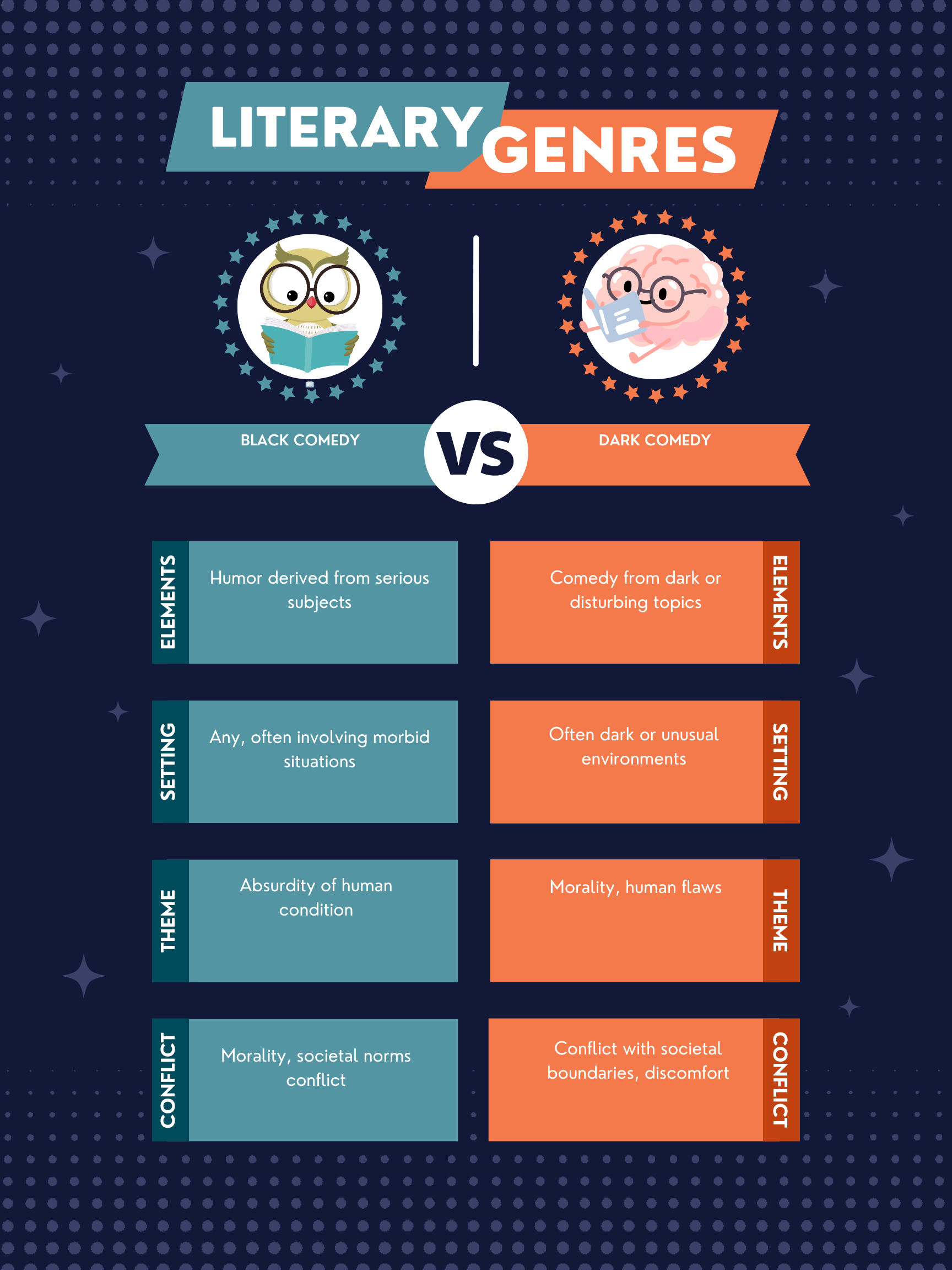
In branding, dark comedy is a tonal strategy that finds humor in subjects generally considered taboo, morbid, or “too real” for polite corporate conversation. It is a subversion of expectations. While a traditional brand might show a happy family eating breakfast, a dark comedy brand might highlight the existential dread of a Monday morning, using that shared struggle as a point of relatability.
The Psychology of “Gallows Humor” in Marketing
At the heart of dark comedy branding is the “Benign Violation Theory.” This psychological concept suggests that humor occurs when something seems wrong, unsettling, or threatening (a violation), but is ultimately perceived as okay or harmless (benign). In branding, this means pushing the envelope just far enough to surprise the consumer without actually alienating them.
Dark comedy works because it signals a high level of self-awareness. When a brand acknowledges that the world isn’t perfect, or that their product is “just a product,” it breaks the fourth wall of marketing. This honesty creates a psychological bond; the consumer feels like they are “in on the joke,” transforming the brand from a distant corporate entity into a relatable, albeit cynical, peer.
Moving Beyond Traditional Corporate Safe-Zones
The shift toward dark humor is largely a reaction to “bland-branding”—the sea of minimalist logos and overly earnest mission statements that dominated the 2010s. For a modern brand to stand out, it must take a stance. By adopting a dark comedic persona, a brand moves out of the safe zone and into a niche that demands attention. This is not about being offensive for the sake of it; it is about using sharp, intellectual wit to critique the very industry the brand inhabits.
The Strategic Benefits of a Dark Comedy Approach
Why would a business choose to associate its corporate identity with the macabre or the cynical? The answer lies in the data of attention and retention. In a saturated digital economy, the most valuable currency is a “scroll-stopping” moment.
Cutting Through Digital Noise with Shock and Relatability
The average consumer is exposed to thousands of marketing messages a day. Most are filtered out by the brain as background noise. Dark comedy acts as a pattern interrupt. When a brand uses a headline that seems “wrong” for a company to say—such as a funeral home using humor or a bottled water company talking about death—the brain’s novelty detectors fire. This immediate engagement is the first step in the marketing funnel, and dark humor achieves it faster than almost any other tonal strategy.
Building Unfiltered Brand Authenticity
Gen Z and Millennial consumers have a high “cringe” sensitivity toward forced corporate sincerity. They value authenticity above all else. Dark comedy provides a vehicle for this authenticity because it feels unpolished and “real.” When a brand is willing to make fun of itself, or the absurdity of the market, it demonstrates a level of confidence that “safe” brands lack. It suggests that the brand is so secure in its value proposition that it doesn’t need to hide behind a veil of professional perfection.
Case Studies: Brands that Mastered the Macabre

To understand the practical application of dark comedy in brand strategy, we must look at the pioneers who turned “unmarketable” themes into multi-million dollar identities.
Liquid Death: Turning Hydration into a Horror Show
Perhaps the most prominent example of dark comedy in modern branding is Liquid Death. On paper, they sell water in a can. However, their brand strategy is built entirely on the aesthetics of heavy metal and horror movies. Their slogan, “Murder Your Thirst,” and their grotesque, high-budget commercials featuring monsters and extreme violence are classic dark comedy.
By treating water—the most “pure” and “boring” product—with a dark, aggressive comedic lens, they transformed a commodity into a lifestyle brand. They didn’t focus on the pH balance or the mountain source; they focused on the entertainment value of their dark persona. This strategy allowed them to achieve a multi-billion dollar valuation in a category previously dominated by “clean” brands like Evian and Fiji.
Cards Against Humanity: The Power of Self-Deprecation and Nihilism
Cards Against Humanity built an entire empire on dark comedy. Their branding often borders on the anti-consumerist. On Black Friday, they have famously engaged in stunts like raising their prices by $5 or selling “nothing” for $5, and even digging a “Holiday Hole” for no reason other than because people paid for it.
This is dark comedy as a brand philosophy. By mocking the absurdity of consumer culture, they attract a loyal following that appreciates the meta-commentary. Their corporate identity is one of the “honest provocateur,” a position that is incredibly difficult to replicate without a deep understanding of dark comedic timing.
Navigating the Risks: When Dark Humor Becomes a Brand Liability
While the rewards are high, dark comedy is the “high-wire act” of branding. If the balance is off, the brand risks permanent damage to its reputation.
Identifying Your Audience’s Threshold
The success of dark humor depends entirely on the audience’s “line.” What is funny to a 22-year-old urban professional might be deeply offensive to a 60-year-old rural retiree. Before adopting this niche, a brand must conduct extensive demographic and psychographic research. Dark comedy branding requires a surgical understanding of what the target audience finds frustrating or absurd. If the brand mocks something the audience holds sacred, the strategy will fail.
Crisis Management and the “Line of Offense”
There is a thin line between “dark and edgy” and “tone-deaf.” Brands must be wary of punching down—that is, making fun of marginalized groups or genuine tragedies. True dark comedy in branding should usually be “punching up” (at institutions, at the industry, or at the brand itself). When a brand crosses the line, the backlash is swift in the age of social media. A brand utilizing this strategy must have a robust crisis management plan and a creative team that understands nuance.
Implementing Dark Comedy into Your Brand Strategy
If a brand decides that a dark comedic tone fits its corporate identity, the implementation must be holistic. It cannot be a one-off tweet; it must be woven into the fabric of the organization.
Consistency Across Touchpoints
For the dark comedy persona to be believable, it must be consistent. This means the voice used in a TikTok video must match the voice used in customer service emails and packaging copy. If a brand is “edgy” on social media but “stiff and corporate” in its return policy, the illusion of authenticity is shattered. This requires a comprehensive brand style guide that defines the specific “brand of humor”—whether it is dry and British, slapstick and dark, or nihilistic and observational.
The Role of Visual Design in Dark Comedy Branding
Dark comedy is not just about words; it’s about visual irony. This involves using design elements that contradict the product’s nature. For example, using “heavy metal” typography for a health food product, or using bright, “bubblegum” colors to illustrate dark, cynical slogans. The visual contrast reinforces the comedic tension. Design should serve as the visual “straight man” to the copy’s “funny man,” or vice versa, creating a multi-layered brand experience that rewards the consumer for paying attention.
In conclusion, “what are dark comedies” in the business world is a question of strategic bravery. It is a commitment to being interesting rather than just being “good.” By embracing the dark, the cynical, and the absurd, brands can forge a path of radical differentiation, building a loyal tribe of consumers who are tired of being sold to and are ready to laugh at the absurdity of it all. In an era of “perfect” Instagram feeds, the brand that is willing to be a little dark is often the one that shines the brightest.
aViewFromTheCave is a participant in the Amazon Services LLC Associates Program, an affiliate advertising program designed to provide a means for sites to earn advertising fees by advertising and linking to Amazon.com. Amazon, the Amazon logo, AmazonSupply, and the AmazonSupply logo are trademarks of Amazon.com, Inc. or its affiliates. As an Amazon Associate we earn affiliate commissions from qualifying purchases.