
Understanding the landscape of current loan rates is essential for anyone looking to make a significant financial move, whether that involves purchasing a home, expanding a business, or consolidating high-interest debt. In the current economic climate, interest rates are the primary lever used by central banks to manage inflation, and their fluctuations have a direct, profound impact on the monthly payments and total interest costs for millions of borrowers.
To navigate the current market, one must look beyond a single percentage point and understand the macroeconomic forces, institutional policies, and individual financial profiles that dictate the cost of borrowing. The “cheap money” era of the previous decade has transitioned into a “higher-for-longer” environment, necessitating a more strategic approach to personal and business finance.
Residential Mortgage Rates: The New Normal
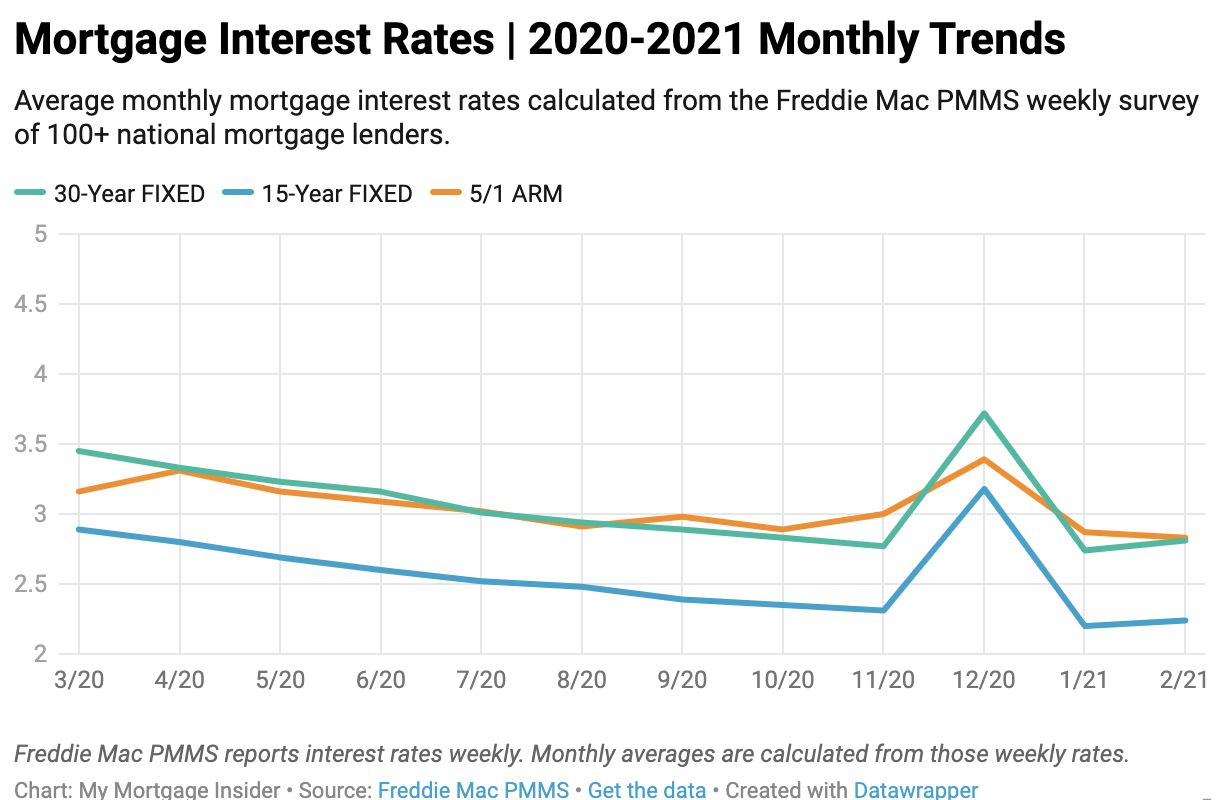
The mortgage market is perhaps the most visible indicator of interest rate trends. For many years, homeowners enjoyed historically low rates, often dipping below 3%. Today, the market has stabilized at a much higher plateau, reflecting the Federal Reserve’s aggressive stance against inflation.
30-Year Fixed-Rate Mortgages
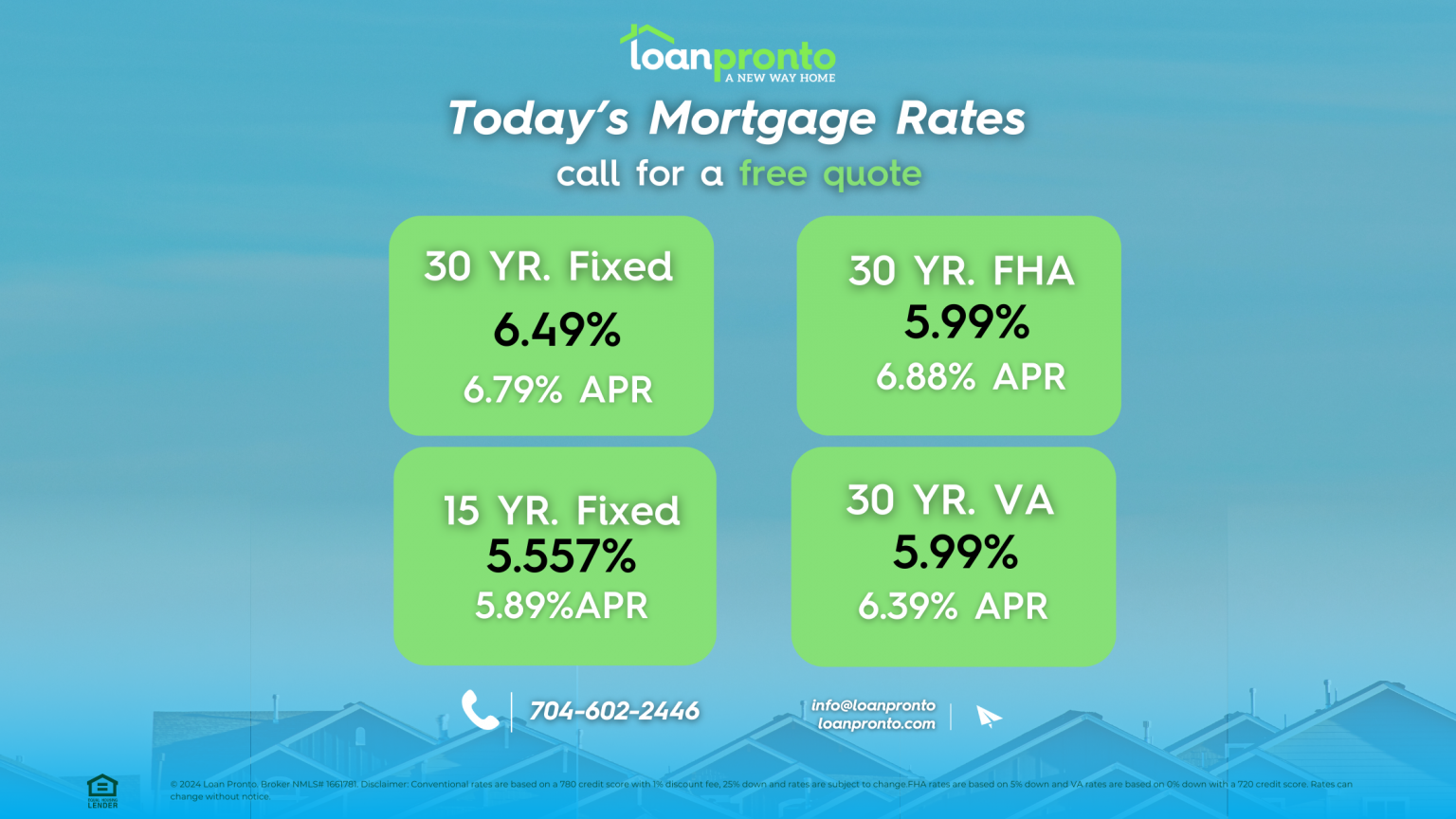
The 30-year fixed-rate mortgage remains the gold standard for American homebuyers. Current rates for this product generally fluctuate between 6.5% and 7.5%, depending on the week’s economic data releases and the 10-year Treasury yield. While these rates feel high compared to 2021, they are closer to the long-term historical average of the last 50 years. For a borrower, a 7% interest rate on a $400,000 mortgage results in a significantly higher monthly payment than a 3% rate, often adding hundreds of dollars to the cost of homeownership and reducing overall purchasing power.
15-Year Fixed-Rate and Adjustable-Rate Mortgages (ARMs)
For those looking to save on interest over the life of the loan, 15-year fixed-rate mortgages typically offer a lower interest rate, often by 0.50% to 1.00% compared to the 30-year option. However, the trade-off is a much higher monthly payment due to the shorter amortization period.
Adjustable-rate mortgages (ARMs) have also regained some popularity. These loans often start with a lower “teaser” rate for an initial period (typically 5, 7, or 10 years) before adjusting based on market indices. In a volatile market, ARMs carry the risk of future rate hikes, but they can be a strategic choice for borrowers who plan to sell or refinance before the adjustment period begins.
The Influence of the 10-Year Treasury Yield
It is a common misconception that mortgage rates move in direct lockstep with the Federal Funds Rate. In reality, mortgage lenders look to the 10-year Treasury yield as a benchmark. When investors are nervous about inflation, they demand higher yields on government bonds, which pushes mortgage rates upward. Conversely, when the economy shows signs of cooling, yields often drop, providing a window of relief for prospective homebuyers.
Consumer Loans: From Personal to Auto
While mortgages are tied to long-term bond yields, consumer loans—including personal loans, auto loans, and credit cards—are more closely linked to the Prime Rate and the short-term moves of the Federal Reserve.
Personal Loans and Debt Consolidation
Personal loans are versatile tools often used for home improvements or debt consolidation. Because these are typically unsecured loans (meaning they aren’t backed by collateral like a house or car), the interest rates vary wildly based on the borrower’s creditworthiness.
Currently, borrowers with excellent credit (740+) might see rates ranging from 8% to 12%. However, for those with fair or poor credit, rates can soar above 30%. In the current environment, many consumers are using personal loans to consolidate high-interest credit card debt, as the fixed rate of a personal loan is often significantly lower than the compounding interest of a revolving credit card balance.
Auto Loan Trends
The cost of financing a vehicle has risen sharply. Current rates for new car loans average between 6% and 9% for well-qualified buyers, while used car loans are often 1% to 3% higher. Lenders have tightened their standards in response to rising delinquency rates, meaning that the “0% APR” deals once common from manufacturers are now reserved for only the most elite tier of borrowers. When shopping for an auto loan, it is increasingly important to check with credit unions, which often offer more competitive rates than traditional banks or dealership financing.
Credit Card APRs
Credit cards represent the most expensive form of consumer debt. As the Federal Reserve raised rates, the average credit card APR climbed to record highs, often exceeding 21%. Unlike fixed-rate loans, most credit cards have variable rates that adjust almost immediately when the Fed moves. For consumers carrying a balance, these high rates can create a “debt trap” where the majority of the monthly payment goes toward interest rather than the principal balance.
Business Financing and Commercial Lending

For entrepreneurs and business owners, the cost of capital is a critical factor in growth and operational sustainability. The current loan rates for businesses reflect both the base interest rate environment and the perceived risk in the specific industry.
SBA Loans and Small Business Financing
Small Business Administration (SBA) loans are a popular choice for small to mid-sized enterprises. The most common, the SBA 7(a) loan, typically has a rate tied to the Prime Rate plus a spread. Currently, the Prime Rate is significantly higher than it was a few years ago, putting many SBA loan rates in the 9% to 11.5% range. While this increases the cost of expansion, SBA loans still offer longer terms and lower down payments than many conventional commercial loans.
Commercial Real Estate and Equipment Financing
Commercial real estate (CRE) lending has faced significant headwinds. Lenders are more cautious due to the shift in office space demand and higher interest rates. Rates for commercial mortgages are generally higher than residential rates and often come with shorter terms (such as a 5-year or 10-year balloon).
Equipment financing, on the other hand, remains a robust sector. Businesses can often secure competitive rates by using the equipment itself as collateral. However, as with all business debt in the current market, the focus has shifted from “growth at all costs” to “sustainable cash flow,” as higher interest payments eat into profit margins.
The Mechanics of Rate Determination
To understand why current loan rates are where they are, one must look at the “under the hood” mechanics of the financial system. No lender picks a number out of thin air; rates are a calculation of cost, risk, and profit.
The Federal Reserve’s Mandate
The Federal Reserve has a dual mandate: maximum employment and stable prices (low inflation). To combat high inflation, the Fed raises the Federal Funds Rate—the rate at which banks lend to each other overnight. This makes it more expensive for banks to borrow money, a cost they pass on to consumers in the form of higher interest rates on loans. When the Fed signals a “pause” or a “pivot” toward cutting rates, the market reacts by lowering long-term yields in anticipation of cheaper money.
Risk Premiums and Credit Spreads
Lenders also factor in a “risk premium.” This is the extra interest charged to compensate the lender for the possibility that the borrower might default. In a strong economy, risk premiums are narrow. In an uncertain economy, lenders become “risk-averse” and widen their spreads. This is why even if the Fed holds rates steady, a lender might increase the rates they offer to borrowers if they believe the economic outlook is worsening.
Liquidity and Capital Requirements
Banks are also governed by regulations regarding how much capital they must hold. If a bank has too many “low-rate” loans on its books from previous years, it may be less inclined to issue new loans unless it can charge a high enough rate to offset its own costs. This liquidity crunch can lead to a tightening of credit, where only the strongest borrowers can secure financing at all.
Strategies for Securing the Best Rates Today
Despite the higher-rate environment, there are still ways for savvy borrowers to minimize their costs and secure the most favorable terms possible.
Credit Score Optimization
In a high-rate environment, the gap between “good” credit and “excellent” credit can translate into tens of thousands of dollars over the life of a loan. Before applying for a major loan, borrowers should focus on reducing their credit utilization ratio and ensuring there are no errors on their credit reports. Even a 20-point increase in a credit score can move a borrower into a lower interest rate tier.
Comparison Shopping and Pre-Approval
The “first offer” is rarely the best offer. Borrowers should solicit quotes from at least three different types of institutions: a national bank, a local community bank, and a credit union. Online-only lenders also often have lower overhead costs, which they pass on to consumers in the form of slightly lower rates. Getting pre-approved not only gives the borrower leverage but also provides a clear picture of what is realistically affordable before they fall in love with a property or a vehicle.
Rate Locks and Timing
Because rates are currently volatile, “rate locks” are a vital tool during the mortgage process. A rate lock guarantees a specific interest rate for a set period (usually 30 to 60 days) while the loan is being processed. If rates rise during that time, the borrower is protected. Conversely, some lenders offer a “float-down” option, which allows the borrower to take advantage of a lower rate if market conditions improve before closing.
Considering Shorter Terms or Higher Down Payments
One of the most effective ways to combat high interest rates is to borrow less or pay it back faster. Increasing a down payment reduces the Loan-to-Value (LTV) ratio, which lowers the risk for the lender and often results in a better rate. Similarly, choosing a shorter loan term (like a 15-year mortgage or a 36-month auto loan) usually carries a lower interest rate and dramatically reduces the total interest paid over the life of the loan.
The current loan rate environment requires a shift in perspective. While the era of ultra-low rates is in the rearview mirror, the current market offers a more disciplined landscape for both lenders and borrowers. By understanding the factors that drive these rates and taking proactive steps to improve their financial profile, borrowers can still achieve their goals without overextending their long-term financial health. Strategies that prioritize credit quality, comparison shopping, and an awareness of macroeconomic shifts remain the best defense against the rising cost of capital.
aViewFromTheCave is a participant in the Amazon Services LLC Associates Program, an affiliate advertising program designed to provide a means for sites to earn advertising fees by advertising and linking to Amazon.com. Amazon, the Amazon logo, AmazonSupply, and the AmazonSupply logo are trademarks of Amazon.com, Inc. or its affiliates. As an Amazon Associate we earn affiliate commissions from qualifying purchases.