
Understanding current mortgage interest rates is not merely an academic exercise; it’s a critical component of personal finance that directly impacts the cost of homeownership and the financial health of millions. Whether you’re a first-time homebuyer, looking to refinance, or an investor considering new properties, the prevailing interest rates dictate your monthly payments, the total cost of your loan over its lifetime, and ultimately, your financial flexibility. Mortgage rates are dynamic, influenced by a complex interplay of economic indicators, central bank policies, and global financial markets. Staying informed is paramount to making astute financial decisions in the ever-shifting landscape of real estate.
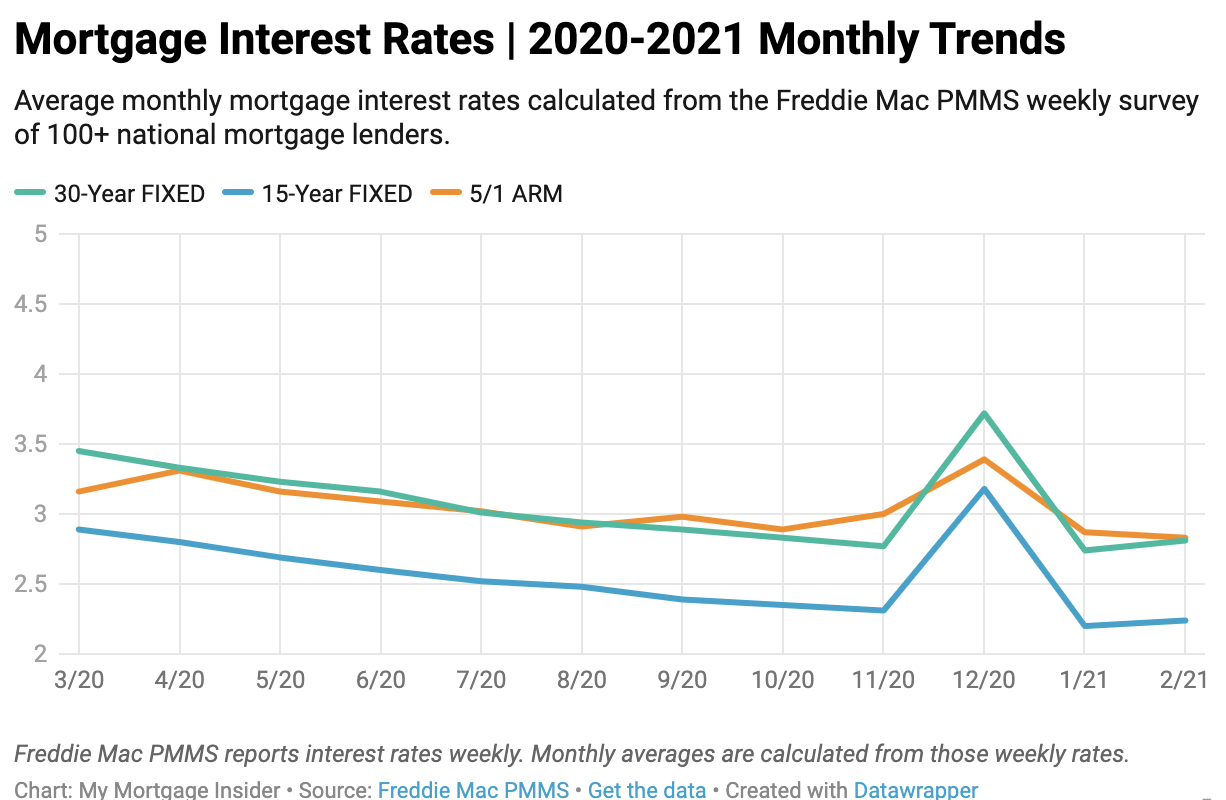
At any given moment, mortgage rates are a snapshot of various market forces. They reflect not only the perceived risk of lending but also the broader economic outlook. Small fluctuations can translate into significant differences in thousands of dollars over a 15-year or 30-year mortgage term. This article will delve into the current environment for mortgage rates, explore the factors that drive their movements, illuminate the different types of mortgages and their associated rate structures, and offer strategies for securing the most favorable terms for your financial situation.
Understanding the Shifting Landscape of Mortgage Rates
Mortgage rates are rarely static, instead behaving like a barometer of the broader economy. Their frequent adjustments can be attributed to a confluence of powerful economic forces, making it essential for prospective homeowners and those looking to refinance to grasp these underlying mechanics.
The Federal Reserve’s Role and Monetary Policy
The Federal Reserve (the Fed) does not directly set mortgage rates, but its monetary policy decisions exert a powerful indirect influence. The Fed’s primary tool is the federal funds rate, the target rate for overnight lending between banks. When the Fed raises or lowers this rate, it impacts other short-term interest rates throughout the economy. While mortgage rates are more closely tied to the yield on the 10-year Treasury bond, which is influenced by longer-term economic expectations, changes in the federal funds rate signal the Fed’s stance on inflation and economic growth. A hawkish Fed (indicating potential rate hikes) generally pushes bond yields and, consequently, mortgage rates higher, as lenders anticipate higher borrowing costs themselves. Conversely, a dovish stance (suggesting rate cuts or holding steady) can create downward pressure.
Economic Indicators and Market Sentiment
Beyond the Fed, a host of economic indicators shape market sentiment and, by extension, mortgage rates. Inflation is perhaps the most significant. When inflation is high, the purchasing power of money erodes, and lenders demand higher interest rates to compensate for the diminished value of future repayments. Employment reports, GDP growth figures, and consumer confidence surveys also play crucial roles. A strong economy, characterized by robust job growth and healthy consumer spending, often leads to higher inflation expectations and, thus, higher mortgage rates. Conversely, signs of economic slowdown or recession can drive rates down as investors seek the relative safety of bonds, increasing their demand and lowering their yields.
The Influence of the Bond Market
The bond market is arguably the most direct driver of mortgage rates. Specifically, the yield on the 10-year Treasury note serves as a benchmark for long-term interest rates, including fixed-rate mortgages. When investors buy Treasury bonds, they are essentially lending money to the government. The yield is the return they receive. If demand for bonds increases, their prices go up, and their yields (return) go down. This often happens during times of economic uncertainty when investors flock to “safe-haven” assets. Conversely, when economic growth is strong or inflation fears rise, investors might sell bonds in favor of riskier, higher-returning assets like stocks. This increased supply of bonds drives prices down and yields up, pushing mortgage rates higher in tandem.
Deconstructing Mortgage Types and Their Rate Structures
The “current interest rate” isn’t a singular figure; it varies significantly depending on the type of mortgage loan you choose. Each loan product is designed with different borrower needs and risk tolerances in mind, leading to distinct rate structures and implications for your long-term financial planning.
Fixed-Rate Mortgages: Stability in a Volatile Market
The most common and perhaps simplest mortgage product is the fixed-rate mortgage. With this loan, your interest rate remains constant for the entire life of the loan, typically 15, 20, or 30 years. This predictability means your principal and interest payment will never change, providing unparalleled stability and ease of budgeting. For many homeowners, especially those who plan to stay in their homes for an extended period, the security of a fixed rate is highly appealing, insulating them from potential future rate hikes. While fixed rates are often slightly higher than initial adjustable rates, they offer peace of mind, making them a cornerstone of responsible home financing.
Adjustable-Rate Mortgages (ARMs): Flexibility vs. Risk
Adjustable-Rate Mortgages (ARMs) offer a different approach, characterized by an interest rate that changes periodically after an initial fixed-rate period. Common ARM structures include 5/1, 7/1, or 10/1 ARMs, meaning the rate is fixed for the first 5, 7, or 10 years, respectively, and then adjusts annually thereafter. The initial fixed rate for an ARM is typically lower than that of a comparable fixed-rate mortgage, making it attractive to borrowers who anticipate selling or refinancing before the fixed period ends, or those who expect their income to increase significantly. However, ARMs carry the inherent risk that rates could rise substantially after the adjustment period, leading to higher monthly payments. Most ARMs have caps that limit how much the rate can increase in a given period and over the life of the loan, offering some protection.
Government-Backed Loans: FHA, VA, and USDA Options
For specific borrower profiles, government-backed loans offer distinct advantages and often more lenient qualification criteria.
- FHA Loans: Insured by the Federal Housing Administration, these loans are popular among first-time homebuyers or those with less-than-perfect credit or smaller down payments (as low as 3.5%). While FHA rates are competitive, borrowers must pay an upfront and annual mortgage insurance premium (MIP).
- VA Loans: Guaranteed by the U.S. Department of Veterans Affairs, these loans are available to eligible service members, veterans, and surviving spouses. VA loans are renowned for offering no down payment requirement and typically lower interest rates than conventional loans, with no private mortgage insurance (PMI).
- USDA Loans: Backed by the U.S. Department of Agriculture, these loans are designed for low-to-moderate-income individuals purchasing homes in designated rural areas. They also offer no down payment options and competitive rates, contributing to rural development.
These government-backed options often provide pathways to homeownership that might otherwise be out of reach, though they come with specific eligibility requirements and, in some cases, additional costs.
Jumbo Loans and Niche Products
For properties that exceed the conforming loan limits set by government-sponsored enterprises like Fannie Mae and Freddie Mac, borrowers need a jumbo loan. These loans are typically for higher loan amounts and may come with slightly higher interest rates and stricter underwriting standards due to the increased risk for lenders. Beyond standard conventional and government-backed loans, the market also offers niche products such as interest-only mortgages (where borrowers only pay interest for an initial period), construction loans, or bridge loans, each with unique rate structures and specific use cases, catering to specialized financial needs and situations.
Strategies for Securing Favorable Mortgage Rates
While market forces are largely beyond an individual’s control, there are concrete steps borrowers can take to position themselves for the most attractive mortgage rates available. Proactive planning and a thorough understanding of the process can significantly reduce the overall cost of borrowing.
Optimizing Your Financial Profile: Credit Score and Debt-to-Income Ratio
Lenders assess your creditworthiness primarily through your credit score and debt-to-income (DTI) ratio. A high credit score (typically FICO scores above 740-760) signals to lenders that you are a responsible borrower, often qualifying you for the lowest advertised rates. Improving your credit score involves paying bills on time, reducing outstanding debt, and correcting any errors on your credit report. Your DTI ratio, which compares your total monthly debt payments to your gross monthly income, is also crucial. Lenders generally prefer a DTI ratio below 43%, as a lower ratio indicates you have sufficient income to manage your mortgage payments comfortably. Reducing existing debt before applying for a mortgage can significantly improve your DTI and enhance your chances of securing a better rate.
The Art of Rate Shopping and Lender Comparison
One of the most impactful strategies is to actively shop around and compare offers from multiple lenders. Mortgage rates can vary significantly between different banks, credit unions, and mortgage brokers, even for the same borrower profile on the same day. Obtain quotes from at least three to five different lenders within a short window (typically 14-45 days to minimize impact on your credit score from multiple inquiries, which are then treated as a single inquiry). Don’t just compare the interest rate; also consider the annual percentage rate (APR), which reflects the total cost of the loan including fees, and review all closing costs. Online mortgage marketplaces can streamline this process, allowing you to quickly compare personalized offers.
Deciphering Discount Points and Closing Costs
When reviewing loan offers, you’ll encounter discount points and various closing costs. A discount point is an upfront fee paid to the lender at closing, typically costing 1% of the loan amount, in exchange for a lower interest rate. Paying points can reduce your monthly payment and total interest over the life of the loan, but it increases your upfront cash outlay. You need to calculate the “break-even point” to determine if paying points is worthwhile – how long it will take for the monthly savings to offset the initial cost. Beyond points, other closing costs include origination fees, appraisal fees, title insurance, and escrow fees. A lower interest rate might come with higher closing costs, so it’s essential to analyze the entire financial package and negotiate where possible.
Locking in Your Rate: Timing is Everything
Once you find a desirable rate and lender, you’ll want to “lock” that rate. A rate lock guarantees that your interest rate won’t change between the time you apply and the day you close, typically for a period of 30 to 60 days. This protects you from potential rate increases during the underwriting process. Timing is crucial: if you anticipate rates dropping, you might delay locking, but this carries the risk of rates increasing instead. If rates are rising or seem volatile, locking in a favorable rate can be a smart move. Understand your lender’s policy on rate locks, including any fees for extending the lock period if your closing is delayed.
The Broader Impact: Affordability, Refinancing, and Future Outlook
The prevailing mortgage interest rates ripple through the economy, profoundly affecting everything from individual household budgets to the broader housing market dynamics. Understanding these wider implications is key for both current and prospective homeowners.
How Rates Influence Home Affordability and Monthly Payments
The direct impact of interest rates on home affordability cannot be overstated. A higher interest rate means a larger portion of your monthly payment goes towards interest, increasing the total cost of borrowing and reducing the amount of home you can afford for a given monthly budget. For example, a difference of just one percentage point on a $300,000, 30-year fixed-rate mortgage can translate to hundreds of dollars more or less per month, and tens of thousands over the life of the loan. This directly affects purchasing power, making homes less accessible when rates climb, and more affordable when they fall. It also influences demand, as lower rates stimulate buyer activity, while higher rates can cool a hot market.
The Dynamics of Refinancing in a Changing Rate Environment
For existing homeowners, fluctuations in mortgage rates offer opportunities or challenges related to refinancing. When rates drop significantly below your current mortgage rate, refinancing can be an attractive option to lower your monthly payments, reduce the total interest paid over the life of the loan, or shorten your loan term. Cash-out refinances also allow homeowners to tap into their home equity for other financial needs. Conversely, in a rising rate environment, refinancing to achieve a lower rate becomes less feasible, pushing homeowners to weigh other financial strategies or simply maintain their current loan. Refinancing decisions always involve weighing the interest rate savings against the new closing costs incurred.
Navigating Market Volatility: A Look Ahead
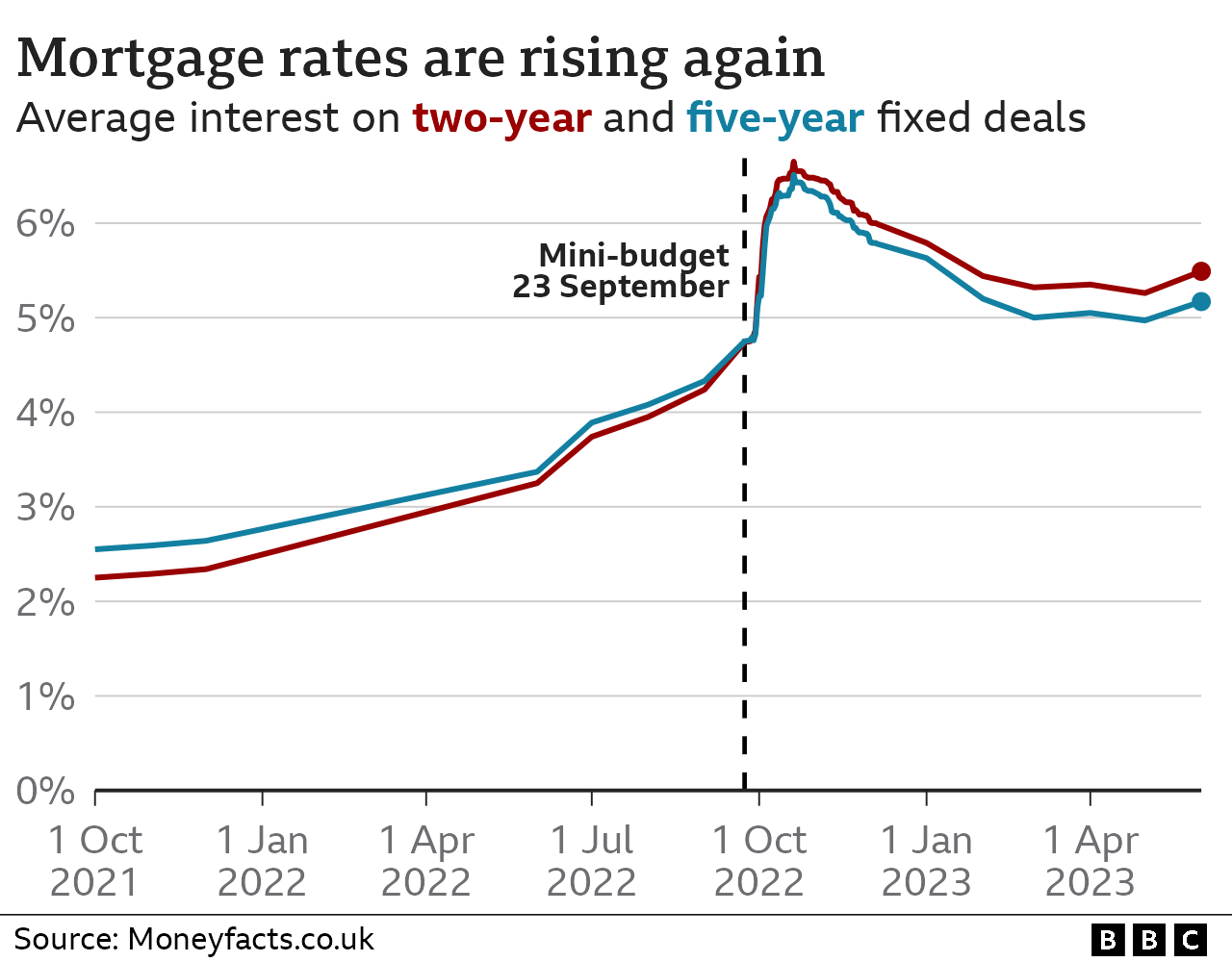
The future trajectory of mortgage rates is inherently uncertain, tied as it is to the broader economic performance, inflation outlook, and central bank policy. Analysts and economists continuously monitor these indicators, but predictions are subject to rapid change. Borrowers should expect continued volatility driven by global economic events, geopolitical developments, and domestic policy decisions. Being prepared for either upward or downward movement means having a solid financial plan, maintaining excellent credit, and understanding your risk tolerance for different loan products.

Expert Insights and Predictions
While no one has a crystal ball, expert insights often provide valuable perspectives. Financial institutions, real estate economists, and industry analysts routinely publish their forecasts on mortgage rate trends. These predictions usually factor in the Federal Reserve’s projected actions, anticipated inflation rates, and employment growth. Many experts suggest that while rates may continue to fluctuate in the short term, the long-term trend is often influenced by underlying economic growth and inflation targets. Staying abreast of these expert opinions, alongside your own due diligence, can help inform your decision-making process. However, always remember that predictions are not guarantees and personal financial circumstances should always guide your choices.
In conclusion, current interest rates on mortgages are a vital piece of information for anyone engaging with the housing market. They are a reflection of economic health, central bank policy, and market sentiment, constantly in motion. By understanding the forces that shape them, the different loan products available, and strategies to secure the best terms, individuals can navigate this complex financial landscape with greater confidence and make informed decisions that align with their long-term financial goals.
aViewFromTheCave is a participant in the Amazon Services LLC Associates Program, an affiliate advertising program designed to provide a means for sites to earn advertising fees by advertising and linking to Amazon.com. Amazon, the Amazon logo, AmazonSupply, and the AmazonSupply logo are trademarks of Amazon.com, Inc. or its affiliates. As an Amazon Associate we earn affiliate commissions from qualifying purchases.