
The pursuit of homeownership often begins with a fundamental question: “What are current home mortgage rates?” This seemingly simple inquiry unlocks a complex world of financial markets, economic indicators, and personal financial strategies. For prospective homebuyers, those looking to refinance, or even seasoned investors, understanding the current landscape of mortgage rates is paramount. These rates are not static figures but rather a dynamic reflection of broader economic health, monetary policy, and supply and demand within the credit markets. Navigating this intricate environment requires an informed perspective, allowing individuals to make timely and financially sound decisions that impact their long-term financial well-being.
Understanding the Landscape of Current Mortgage Rates
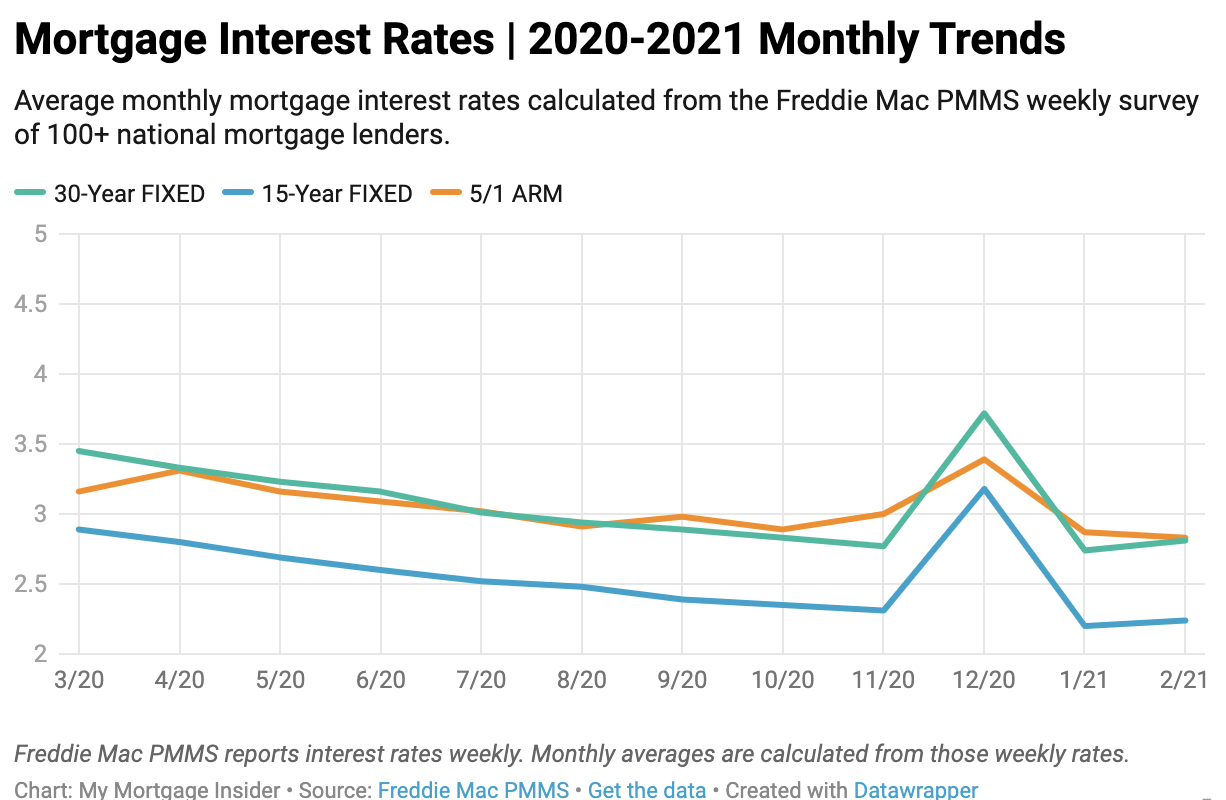
Current home mortgage rates are the lifeblood of the real estate market, influencing affordability, purchasing power, and the overall pace of transactions. They are influenced by a multitude of factors, making them a constantly shifting target. An astute understanding of these forces is the first step toward securing a favorable mortgage.
The Dynamic Nature of Mortgage Rates
Unlike the fixed price tags on consumer goods, mortgage rates are in perpetual motion, fluctuating daily, sometimes even hourly. This dynamism stems from their deep connection to the broader financial ecosystem. Lenders adjust their rates in response to market conditions, assessing risk and opportunity. While national averages provide a general benchmark, the rate an individual borrower receives can vary significantly based on their unique financial profile and the specific lender. It’s crucial to look beyond headline figures and delve into the underlying mechanics that cause these shifts.
Key Factors Driving Rate Fluctuations
Several powerful forces conspire to determine the direction and magnitude of mortgage rate movements. The Federal Reserve’s monetary policy decisions, particularly changes to the federal funds rate, exert a significant indirect influence. While the Fed doesn’t directly set mortgage rates, its actions impact the cost of borrowing for banks, which then passes on to consumers. Inflation expectations also play a pivotal role; if investors anticipate higher inflation, they demand higher yields on bonds, which often correlates with higher mortgage rates.
Furthermore, the bond market, specifically the yield on the 10-year Treasury note, is a critical indicator. Mortgage rates tend to track the 10-year Treasury yield because mortgage-backed securities (MBS), which are packaged loans sold to investors, compete with Treasuries for investor capital. Economic data releases, such as unemployment figures, GDP growth, and consumer confidence reports, offer insights into the economy’s strength, further influencing investor sentiment and, consequently, rates. Global economic events, geopolitical tensions, and even supply chain disruptions can also send ripples through financial markets, impacting domestic mortgage rates.
Types of Mortgages and Their Rate Structures
When considering a home loan, understanding the different types of mortgages available is just as important as knowing the current rates. Each mortgage product comes with its own rate structure and risk profile, catering to diverse financial situations and risk tolerances.
Fixed-Rate Mortgages: Stability in an Unpredictable Market
Fixed-rate mortgages are arguably the most popular choice, offering borrowers predictability and stability. With a fixed-rate mortgage, the interest rate remains constant for the entire life of the loan, typically 15 or 30 years. This means your principal and interest payment will never change, regardless of market fluctuations. This certainty allows for easier budgeting and protects homeowners from potential rate hikes in the future. While the initial rate might sometimes be slightly higher than an adjustable-rate mortgage, the peace of mind derived from predictable payments often outweighs this difference, especially in periods of rising rates.
Adjustable-Rate Mortgages (ARMs): Balancing Risk and Potential Savings
Adjustable-Rate Mortgages (ARMs) present a different proposition, characterized by an initial fixed-rate period, after which the rate adjusts periodically, typically once a year. Common ARM structures include 5/1 ARM, 7/1 ARM, or 10/1 ARM, where the first number indicates the length of the fixed-rate period (in years), and the second number indicates how often the rate adjusts thereafter. The initial interest rate on an ARM is often lower than that of a comparable fixed-rate mortgage, making it attractive to borrowers who anticipate selling their home or refinancing before the fixed-rate period ends, or those who expect their income to increase significantly in the future. However, ARMs carry the risk of higher payments if interest rates rise after the adjustment period. Most ARMs have caps that limit how much the interest rate can increase per adjustment period and over the life of the loan, providing some level of protection.
Government-Backed Loans: FHA, VA, and USDA Options
Beyond conventional loans, several government-backed mortgage programs offer distinct advantages, particularly for borrowers who might not qualify for traditional financing or those seeking specific benefits.
- FHA Loans: Insured by the Federal Housing Administration, FHA loans are ideal for first-time homebuyers or those with lower credit scores and smaller down payments. They typically require a down payment as low as 3.5% and have more lenient credit requirements compared to conventional loans.
- VA Loans: Guaranteed by the U.S. Department of Veterans Affairs, VA loans are an invaluable benefit for eligible active-duty service members, veterans, and their spouses. They often feature 0% down payment options, no private mortgage insurance (PMI), and competitive interest rates, making them one of the most powerful homebuying tools available.
- USDA Loans: Backed by the U.S. Department of Agriculture, USDA loans are designed to help low- and moderate-income individuals purchase homes in eligible rural areas. These loans also offer 0% down payment options and reduced mortgage insurance premiums, fostering rural development and homeownership.
Strategies for Securing Favorable Mortgage Rates
While market conditions largely dictate prevailing mortgage rates, borrowers are not entirely at their mercy. Several proactive steps can significantly improve your chances of securing the best possible rate, potentially saving tens of thousands of dollars over the life of your loan.
Boosting Your Credit Score
Your credit score is arguably the most critical factor influencing the interest rate you’ll be offered. Lenders use credit scores to assess your creditworthiness and the likelihood of you defaulting on the loan. A higher credit score (generally above 740-760) signals a lower risk, translating into more favorable interest rates. Strategies to improve your credit score include paying bills on time, reducing outstanding debt, avoiding new credit applications before applying for a mortgage, and correcting any errors on your credit report.
Optimizing Your Down Payment
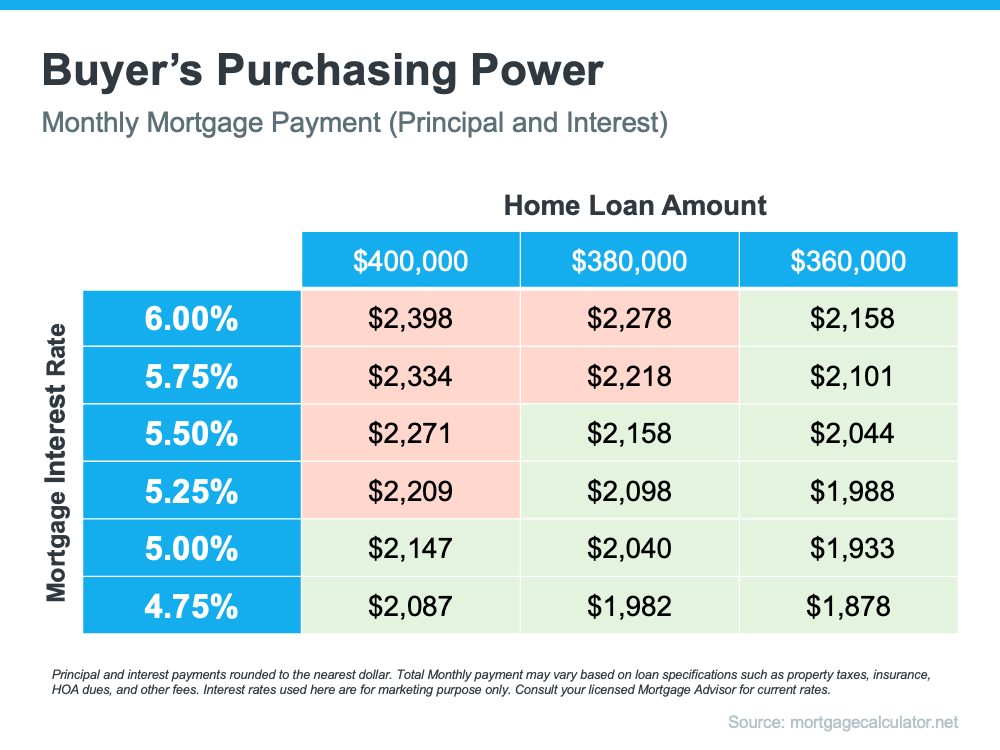
A larger down payment not only reduces the amount you need to borrow, thus lowering your monthly payments, but it can also lead to a better interest rate. Lenders perceive borrowers with substantial equity from the outset as less risky. Putting down 20% or more typically allows you to avoid private mortgage insurance (PMI) on conventional loans, further reducing your monthly housing costs and potentially freeing up funds to qualify for a better rate.
Shopping Around for Lenders
It’s a common mistake to accept the first mortgage offer received. Mortgage rates and terms can vary significantly among different lenders—banks, credit unions, and online mortgage brokers. Applying to multiple lenders within a short window (typically 14-45 days, depending on the credit scoring model) counts as a single inquiry on your credit report, minimizing the impact on your score. This “shopping around” allows you to compare loan estimates, identify the most competitive rates, and negotiate better terms.
Understanding Discount Points
Discount points are a form of prepaid interest that borrowers can pay at closing to reduce their interest rate over the life of the loan. One discount point typically costs 1% of the loan amount and reduces the interest rate by a certain fraction (e.g., 0.25%). While paying points increases your upfront closing costs, it can lead to substantial long-term savings, especially if you plan to stay in your home for many years. Calculating the break-even point for discount points is crucial to determine if this strategy makes financial sense for your situation.
The Broader Economic Impact and Future Outlook
Mortgage rates are inextricably linked to the broader economic health of a nation. Understanding this relationship and keeping an eye on expert projections can help homeowners and prospective buyers anticipate future movements and plan accordingly.
How Economic Indicators Influence Rates
Key economic indicators serve as barometers for the financial markets, directly influencing the trajectory of mortgage rates. A strong job market, as evidenced by low unemployment rates and consistent wage growth, typically signals a healthy economy, which could lead to concerns about inflation and potentially push rates higher. Conversely, signs of economic slowdown or recession often prompt the Federal Reserve to adopt more accommodative monetary policies, such as lowering the federal funds rate, which can indirectly lead to lower mortgage rates to stimulate borrowing and economic activity. Consumer Price Index (CPI) reports, detailing inflation trends, and Gross Domestic Product (GDP) figures, measuring economic output, are also closely watched as they directly impact bond yields and, subsequently, mortgage rates.
Expert Projections and Market Trends
Predicting future mortgage rates with absolute certainty is impossible, given the multitude of unpredictable variables. However, financial economists and housing market experts provide projections based on current trends, anticipated monetary policy shifts, and global economic developments. While these projections offer valuable insights, they should be viewed as informed estimates rather than guaranteed outcomes. Current trends might point towards continued volatility, especially in periods of economic uncertainty or when central banks are actively adjusting their policies. It’s common to see experts anticipate slight increases or decreases, but significant, sustained shifts often depend on unforeseen economic events. Staying informed through reputable financial news sources and consulting with mortgage professionals can help in understanding the consensus view and preparing for potential scenarios.
Preparing for Rate Changes
Given the inherent volatility of mortgage rates, proactive preparation is key. For those looking to buy, getting pre-approved for a mortgage locks in a rate for a specific period, protecting you from potential increases while you search for a home. For current homeowners, closely monitoring rates for refinancing opportunities can be beneficial. If rates drop significantly, refinancing could lower your monthly payments or reduce the loan term, leading to substantial savings. Conversely, if you have an adjustable-rate mortgage and rates are projected to rise, exploring options to refinance into a fixed-rate loan could protect you from future payment shocks. Regularly reviewing your financial situation and staying informed about market forecasts allows for strategic decision-making in response to, or even in anticipation of, rate changes.
Navigating the Mortgage Application Process
The journey from curiosity about mortgage rates to receiving the keys to your new home involves a comprehensive application process. Understanding what to expect can streamline this crucial financial undertaking.
Essential Documentation and Preparation
Before you even begin formally applying, gathering essential documents is paramount. Lenders will require proof of income (pay stubs, W-2s, tax returns), bank statements to verify assets, credit reports, and details of any outstanding debts. For self-employed individuals, a more extensive financial history will be required. Ensuring all your financial records are organized and accurate will expedite the application process and present you as a well-prepared, responsible borrower, which can subtly influence the lender’s perception and potentially the terms offered.
The Role of Mortgage Lenders and Brokers
Choosing between a direct lender (banks, credit unions) and a mortgage broker is an important decision. Direct lenders offer their own products and services, potentially providing a more streamlined process if you already bank with them. Mortgage brokers, on the other hand, act as intermediaries, working with multiple lenders to find the best rates and terms for your specific situation. They can be invaluable for finding niche products or for borrowers with unique financial profiles. Both options have their merits, and exploring both avenues through initial inquiries can provide a broader view of available options and competitive offers.

Closing Costs and Fees to Anticipate
Beyond the principal and interest, the mortgage process involves various closing costs and fees that borrowers must anticipate. These can include origination fees, appraisal fees, title insurance, attorney fees, recording fees, and prepaid expenses like property taxes and homeowners insurance. These costs typically range from 2% to 5% of the loan amount and are paid at the closing of the loan. Understanding these fees upfront, as detailed in the Loan Estimate provided by lenders, is critical for accurate budgeting and preventing last-minute surprises. Negotiating certain fees or asking the seller to contribute to closing costs are potential strategies to reduce your out-of-pocket expenses.
In conclusion, current home mortgage rates are a vital component of the homeownership dream, subject to continuous evolution driven by economic forces and market dynamics. By understanding the types of mortgages available, employing smart strategies to optimize your financial profile, staying abreast of economic indicators, and meticulously navigating the application process, you can position yourself to secure a favorable mortgage that aligns with your financial goals and opens the door to your next home.
aViewFromTheCave is a participant in the Amazon Services LLC Associates Program, an affiliate advertising program designed to provide a means for sites to earn advertising fees by advertising and linking to Amazon.com. Amazon, the Amazon logo, AmazonSupply, and the AmazonSupply logo are trademarks of Amazon.com, Inc. or its affiliates. As an Amazon Associate we earn affiliate commissions from qualifying purchases.