
The landscape of personal finance is constantly shifting, and few areas have experienced as much volatility in recent years as the automotive market. For many consumers, the question “What are current auto loan rates?” is the starting point for one of the most significant financial decisions they will make. Unlike the era of nearly “free money” characterized by 0% APR offers, today’s borrowers face a more complex environment influenced by central bank policies, inflationary pressures, and a tightening credit market.
Understanding auto loan rates is not merely about looking at a single percentage; it is about understanding how that percentage impacts your long-term wealth, your monthly cash flow, and your overall financial health. In the current economic climate, rates for new and used vehicles vary significantly based on creditworthiness, the lender’s institution type, and the duration of the loan.
The Current State of Auto Loan Interest Rates
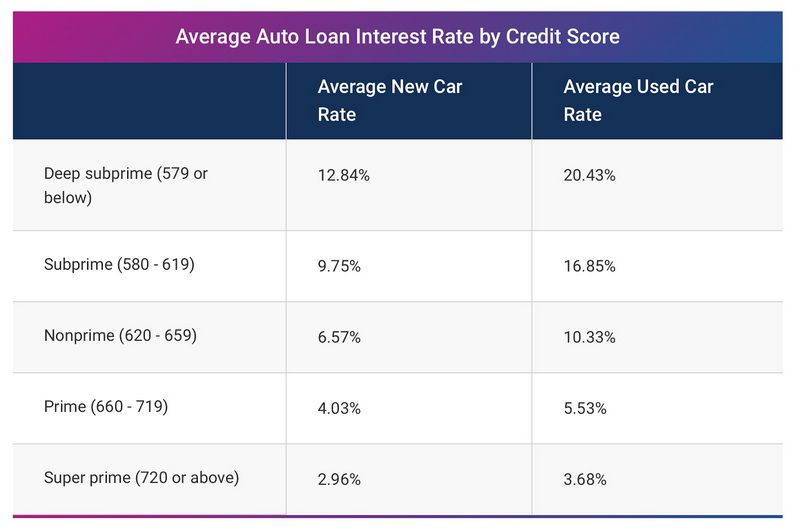
As of late 2023 and moving into 2024, auto loan rates have stabilized at levels significantly higher than the previous decade’s average. For borrowers with excellent credit, rates for new cars typically hover between 5% and 7%, while used car rates are often 1% to 3% higher. However, these averages only tell part of the story.
The Macroeconomic Influence: Inflation and the Federal Reserve
The primary driver behind the current uptick in auto loan rates is the Federal Reserve’s monetary policy. In an effort to curb inflation, the Fed has implemented a series of interest rate hikes over the past twenty-four months. While the Fed does not set auto loan rates directly, the federal funds rate serves as the benchmark for the “prime rate,” which banks use to price their consumer loans. When it costs banks more to borrow money, that cost is invariably passed down to the consumer in the form of higher APRs (Annual Percentage Rates).
Average Rates by Credit Tier
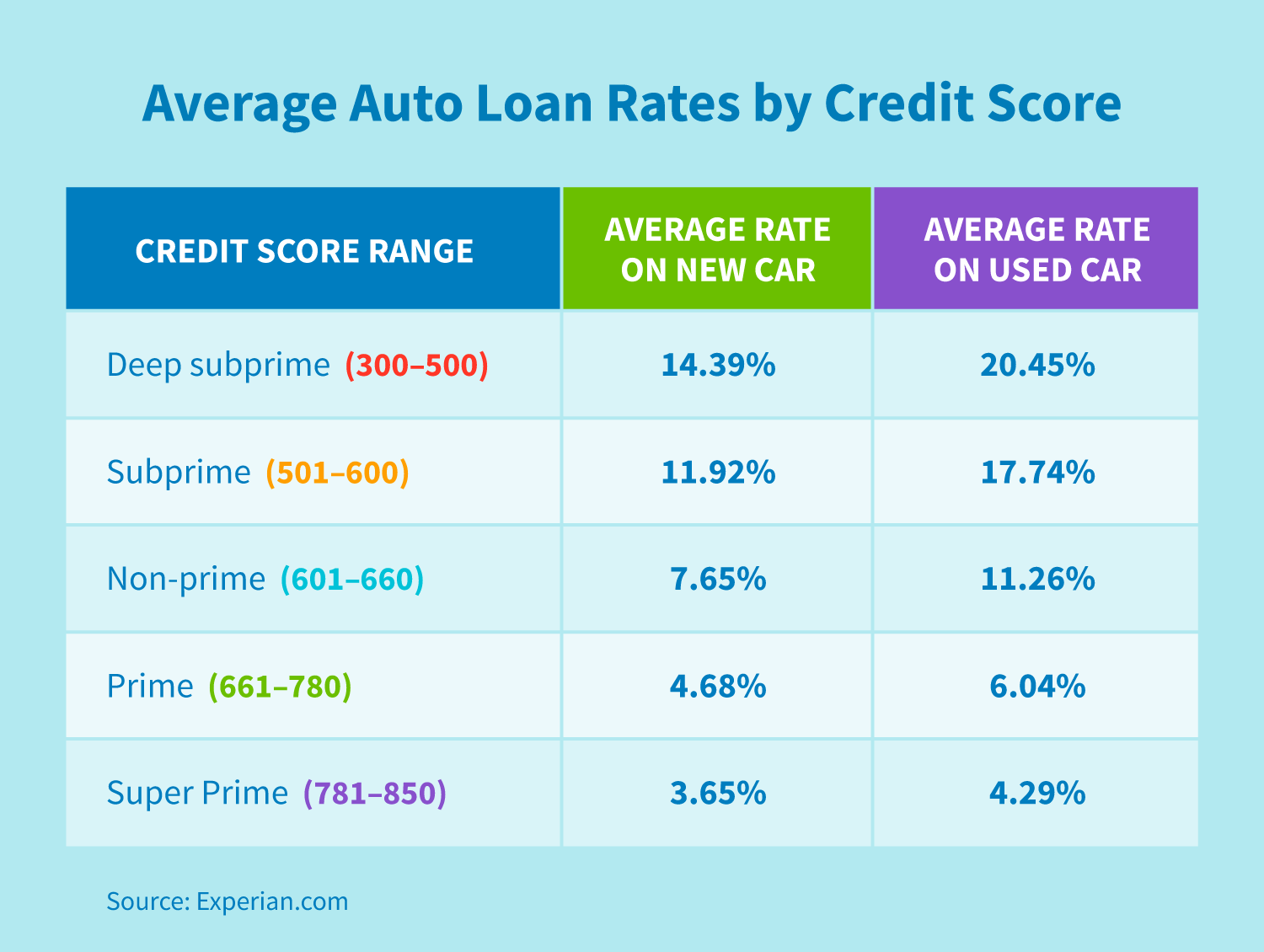
In the world of personal finance, your credit score is your most valuable currency. Current market data suggests a massive disparity between “Super Prime” borrowers (781–850) and “Deep Subprime” borrowers (300–500).
- Super Prime: Often see rates in the 5.5% to 6.5% range for new vehicles.
- Prime (661–780): Rates typically land between 7% and 9%.
- Subprime (501–600): Rates can skyrocket to 11% or even 18%, significantly increasing the total cost of the vehicle.
Understanding which tier you fall into is the first step in determining what a “fair” rate looks like for your specific financial profile.
Key Determinants of Your Personalized Interest Rate
While the broader economy sets the baseline, several individual factors determine the specific rate a lender will offer you. Financing a vehicle is a risk-assessment exercise for the lender, and they price that risk through the interest rate.
The New vs. Used Car Dilemma
Historically, new car loans have carried lower interest rates than used car loans. This is because new cars are easier for lenders to value and serve as better collateral. If a borrower defaults, a new car is generally easier to resell at a predictable price. Current trends show that while used car prices have begun to stabilize, the interest rates for used vehicles remain elevated—often averaging 11% or higher for the typical borrower. This makes the “total cost of ownership” calculation vital; sometimes, a slightly more expensive new car with a lower interest rate is cheaper over five years than a less expensive used car with a high interest rate.
Loan Term Length and Its Correlation with Risk
The “term” of your loan—how many months you have to pay it back—has a direct impact on your rate. In today’s market, 60-month and 72-month loans are the standard, but 84-month loans are becoming increasingly common as consumers try to lower their monthly payments. However, longer terms represent higher risk for the lender. As a result, an 84-month loan will almost always carry a higher interest rate than a 48-month or 60-month loan. Furthermore, longer terms increase the likelihood of becoming “upside down” or “underwater” on the loan, where you owe more than the car is worth.
Strategic Comparison: Where to Find the Most Competitive Financing
Securing the best auto loan rate requires looking beyond the dealership’s finance office. In the realm of business finance and personal wealth management, the source of the capital is just as important as the cost.
Direct vs. Indirect Lending
Direct lending involves obtaining a loan directly from a financial institution, such as a bank or credit union, before you ever step foot on a car lot. This allows you to walk into a dealership with a “pre-approval” in hand, effectively making you a cash buyer in the eyes of the salesperson. Indirect lending occurs when the dealership acts as an intermediary, sending your application to multiple lenders. While convenient, dealerships often add a “markup” to the interest rate offered by the lender as a commission for facilitating the deal.
The Credit Union Advantage
For those seeking the lowest possible rates, credit unions are currently the “gold standard.” Because credit unions are member-owned, not-for-profit entities, they often return their “profits” to members in the form of lower interest rates and reduced fees. In many cases, a local credit union may offer a rate that is 1% to 2% lower than a major national bank. For a $35,000 loan, a 1.5% difference in interest can save a borrower thousands of dollars over the life of the loan.
The Long-Term Financial Implications of Auto Financing
Auto loans are often viewed through the lens of a monthly payment, but a sophisticated approach to personal finance requires looking at the “Total Cost of Borrowing.”
Understanding Total Cost of Ownership (TCO)
When rates are high, the interest paid over the life of the loan becomes a significant portion of the vehicle’s price. For example, on a $40,000 loan at 8% interest over 72 months, the borrower will pay nearly $10,500 in interest alone. This brings the total cost of the vehicle to over $50,000. When you factor in depreciation—the fact that the car’s value is dropping while you are paying interest—the financial impact is even more pronounced. This “wealth leakage” can hinder your ability to invest in assets that appreciate, such as stocks or real estate.
The Hidden Dangers of Extended Loan Terms
As vehicle prices rise, the temptation to opt for a 7-year (84-month) loan is strong. While this lowers the monthly payment, it is often a poor financial move. Not only do you pay more in interest, but you also remain in a debt cycle longer. By the time the loan is paid off, the vehicle may require significant repairs, leading the consumer to trade it in for a new loan before ever experiencing the “debt-free” stage of vehicle ownership.
Practical Steps to Secure a Lower Rate in a High-Rate Environment
If you must buy a vehicle in the current market, there are several levers you can pull to mitigate the impact of high interest rates.
Optimizing Your Credit Profile Before Application
Before applying for an auto loan, take three to six months to polish your credit score. This includes paying down revolving credit card balances to lower your credit utilization ratio and ensuring there are no errors on your credit report. A jump of just 30 points in your credit score could move you from one “rate tier” to another, potentially saving you 2% or more on your APR.
Leveraging Down Payments to Reduce Lender Risk
The “20/4/10 rule” is a classic benchmark in personal finance: put 20% down, finance for no more than 4 years, and keep total transportation costs (loan, insurance, fuel) under 10% of your gross income. In a high-rate environment, the “20%” down payment is more critical than ever. A larger down payment reduces the “Loan-to-Value” (LTV) ratio. Lenders view a lower LTV as a lower-risk investment, which can often trigger a reduction in the interest rate offered.

Conclusion: Navigating the Road Ahead
Current auto loan rates reflect a broader economic shift toward more expensive borrowing. While the days of near-zero interest may be gone for the foreseeable future, consumers who approach the market with a disciplined, “money-first” mindset can still find value. By focusing on credit optimization, shopping at credit unions, and avoiding the trap of long-term financing, you can secure a vehicle without derailing your long-term financial goals. Always remember that an auto loan is a tool for mobility, but it should never become a barrier to your financial freedom.
aViewFromTheCave is a participant in the Amazon Services LLC Associates Program, an affiliate advertising program designed to provide a means for sites to earn advertising fees by advertising and linking to Amazon.com. Amazon, the Amazon logo, AmazonSupply, and the AmazonSupply logo are trademarks of Amazon.com, Inc. or its affiliates. As an Amazon Associate we earn affiliate commissions from qualifying purchases.