
The Core Functionality of Credits in Battlefront II’s Digital Ecosystem
In the vast, immersive galaxy of Star Wars Battlefront II, “Credits” serve as the fundamental in-game currency, acting as the digital backbone of its internal economy. These virtual units are indispensable for players aiming to unlock, customize, and enhance their experience within the game’s intricate systems. Unlike Battle Points, which are accumulated and spent dynamically within a single match to access special units, Credits represent a persistent form of wealth that carries over between play sessions, defining a player’s long-term progression and strategic options. Their utility is deeply embedded into the game’s design, influencing everything from character acquisition to aesthetic customization.
Credits as the Primary In-Game Currency
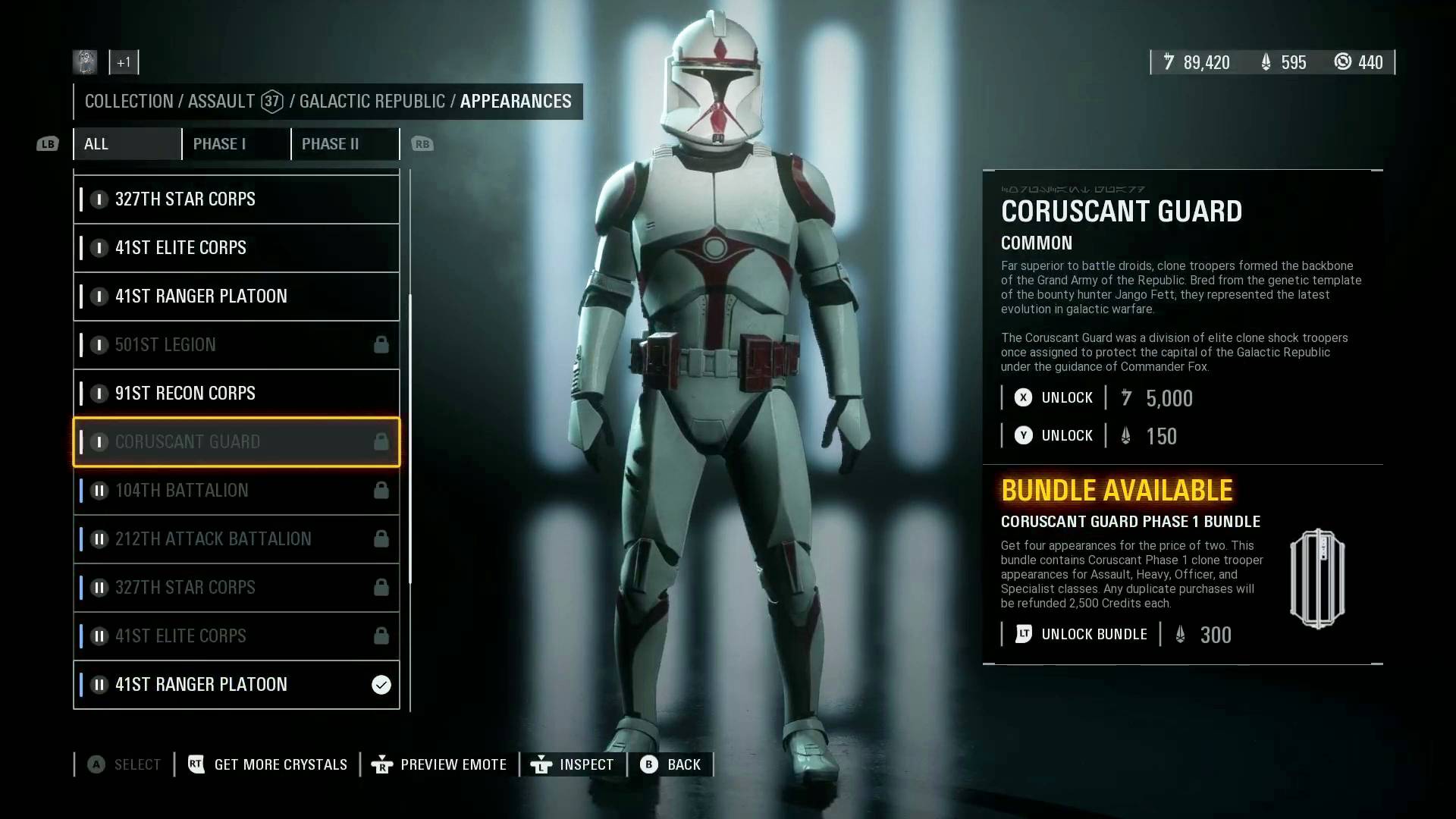
Credits are the singular, non-premium virtual currency in Battlefront II. This means they are earned solely through gameplay and cannot be directly purchased with real-world money, a significant design choice that distinguishes Battlefront II’s current economic model from many other live-service titles. This decision was a direct response to early controversies surrounding its launch, which involved loot boxes and a “pay-to-win” perception. Developer DICE and publisher EA subsequently overhauled the entire progression and monetization system, repositioning Credits as the exclusive medium for acquiring most unlockables. This strategic shift solidified Credits as the gatekeeper to a wealth of in-game content, making their acquisition and strategic spending a central pillar of the player experience.
Historical Context: From Launch Controversy to Player-Centric Design
The evolution of Battlefront II’s credit system is a compelling case study in game design adaptation and player feedback integration. At its 2017 launch, the game featured a progression system heavily reliant on loot boxes, which could be purchased with both in-game Credits and premium currency (Crystals, which could be bought with real money). These loot boxes contained Star Cards (gameplay-altering abilities), crafting parts, and cosmetics, leading to widespread criticism about unfair advantages for paying players. In response, EA and DICE implemented a sweeping rework in early 2018. The loot box system was entirely removed, and Star Cards were moved to a linear progression system tied to specific classes and heroes. Crucially, Credits were re-established as the sole currency for unlocking new heroes and acquiring cosmetic items directly. This pivot ensured that all substantial gameplay-affecting content became earnable exclusively through time spent playing, making the credit system a testament to a more equitable, skill- and effort-based reward structure.
Methods of Acquisition: Integrating Player Activity with Reward Systems
Earning Credits in Battlefront II is intrinsically tied to player engagement and performance across its various game modes. The game employs a multifaceted reward system designed to encourage participation and skilled play. Players accrue Credits primarily through completing matches, with the amount earned influenced by individual score, match duration, and whether the game mode is a multiplayer versus AI. Daily Challenges provide additional, consistent credit streams, rewarding players for specific actions like achieving a certain number of kills with a particular class or winning a set number of rounds. Furthermore, completing Milestones – long-term achievements that track cumulative progress – often grants significant one-time credit bonuses. This layered approach ensures that continuous play, coupled with strategic engagement with challenges, is consistently rewarded, making credit farming an organic part of the gameplay loop.
Operationalizing Credits: Unlocking Digital Assets
The primary purpose of accumulating Credits in Battlefront II is to operationalize them into tangible in-game assets that enhance both gameplay and aesthetic expression. These assets fall into several key categories, each contributing to a player’s ability to diversify their tactical approach or personalize their avatar within the Star Wars universe.
Accessing Hero Characters and Special Units
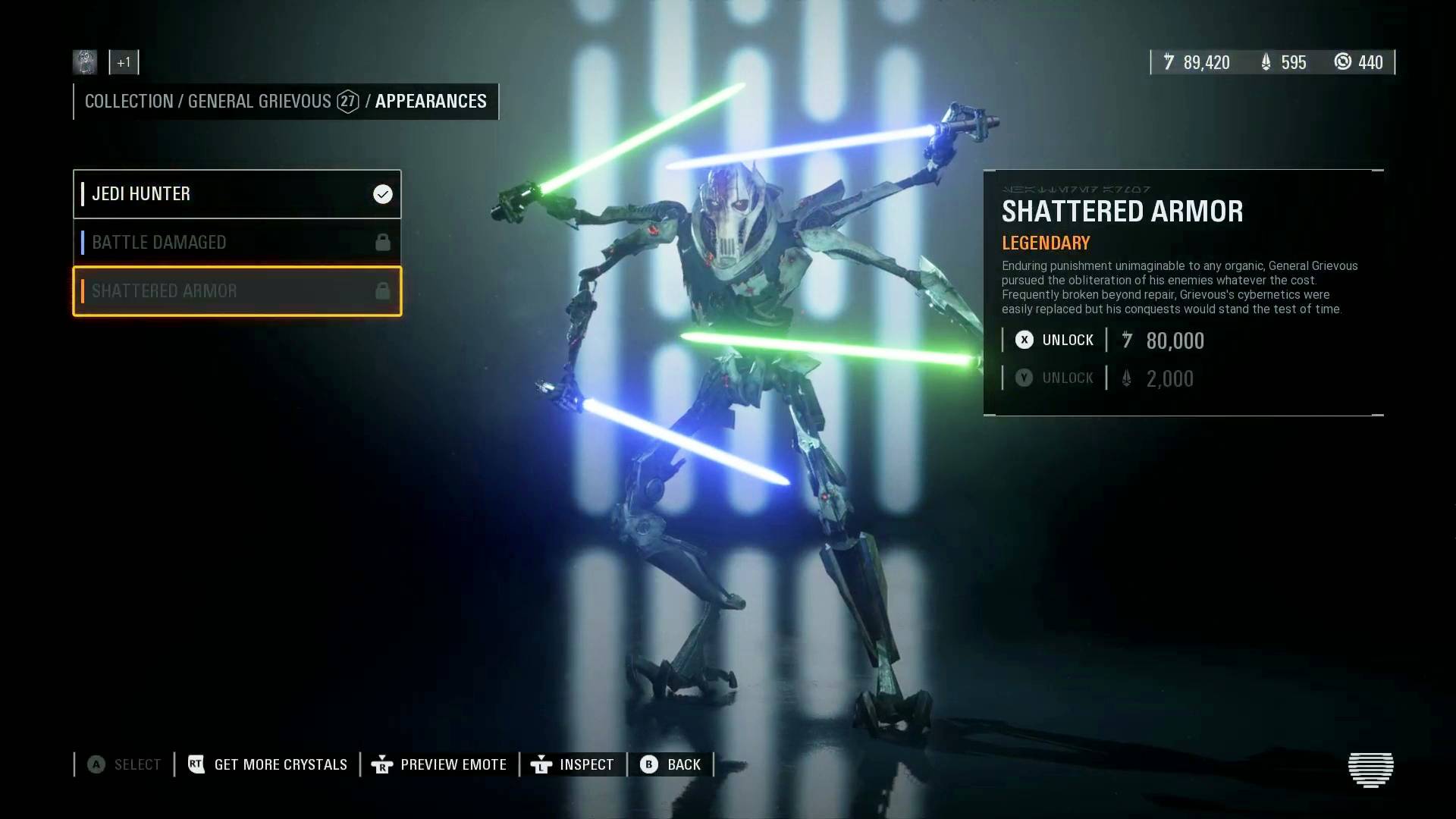
Perhaps the most impactful use of Credits is the unlocking of iconic hero characters and formidable villain units. At launch, many fan-favorite characters such as Luke Skywalker, Darth Vader, Leia Organa, and Emperor Palpatine were initially locked behind credit paywalls, requiring players to accumulate a significant sum to bring them into their roster. While a subsequent update unlocked all base game heroes for everyone, any new heroes added post-launch (like General Grievous or Obi-Wan Kenobi) have typically been introduced as credit-unlockable content. This system allows players to strategically invest their earned currency into characters that best suit their playstyle or align with their personal preferences, directly impacting the diversity of their playable roster in Galactic Assault, Supremacy, and Heroes vs. Villains modes. Similarly, specific reinforcement units, like the ARC Trooper or Commando Droid, might also become unlockable via Credits, expanding tactical options on the battlefield.
Customizing Player Experience Through Cosmetics
Credits are also the gateway to a vast array of cosmetic items, allowing players to personalize their troopers, heroes, and starfighters. This customization is purely aesthetic and has no impact on gameplay balance, focusing instead on player expression and immersion. Players can spend Credits on:
- Skins: These alter the appearance of hero characters or trooper classes, offering different looks, factions, or eras. For example, a player might unlock a “Farmboy Luke” skin or a “Wounded Chewbacca” skin, or equip their clone troopers with unique legion colors and markings.
- Emotes: Short animations performed by characters, used for communication or playful interaction in-game.
- Posing: Victory poses displayed on the end-of-round screen.
- Voice Lines: Additional dialogue options for heroes.
The ability to personalize one’s presence on the digital battlefield fosters a deeper connection to the game and its characters, allowing players to visually distinguish themselves and express their fandom.
Reinforcement Procurement: Strategic In-Game Enhancements
While not as prevalent as hero unlocks or cosmetics, Credits can also be utilized for certain reinforcement units or specific starfighters, depending on content updates. These digital assets provide players with additional tactical options, allowing them to adapt their in-game strategy. For instance, specific unique units for certain factions might be purchasable, giving players access to specialized combat roles. This enables players to fine-tune their arsenal and deploy units that complement their team’s composition or counter enemy tactics, thereby enriching the strategic depth of the game’s combat encounters.
Credits and the Game’s Progression Architecture
The design of Battlefront II’s progression system is intricately linked with the accumulation and expenditure of Credits. Far from being a simple currency for purchases, Credits play a pivotal role in dictating the pace and direction of a player’s journey through the game’s unlockable content. This digital resource directly influences how quickly players can access new characters, customize their appearance, and diversify their tactical options, thereby shaping their overall engagement and long-term retention within the game’s ecosystem.
Linking Credits to Player Advancement and Unlock Trees
Battlefront II’s progression is structured around a series of unlock trees for various classes, heroes, and vehicles. While Star Cards (abilities) are primarily leveled up through experience gained by playing specific units, the initial access to certain heroes or cosmetic variants is almost exclusively gated by Credits. This system ensures that advancement is directly proportional to a player’s commitment and time invested. By accumulating Credits, players effectively “buy their way” deeper into the content offerings, accessing characters that might offer new gameplay mechanics or cosmetic styles that allow for richer personal expression. This model encourages sustained play, as the desire for new content directly translates into a motivation to earn more Credits.
The Role of Credits in the Skill Card System (Post-Rework)
Following the aforementioned progression overhaul, the Skill Card system was decoupled from loot boxes and directly tied to experience points for each class or hero. Players earn Skill Points as their units level up, which can then be used to unlock and upgrade Star Cards. While Credits are not directly spent on Skill Cards, their role is more indirect but still significant. By unlocking new heroes or classes with Credits, players gain access to entirely new sets of Skill Cards to develop. This expands the player’s potential tactical loadouts and encourages experimentation with different hero abilities, fostering a broader understanding of the game’s combat mechanics. Essentially, Credits provide the key to new branches of the Skill Card progression, even if they don’t fund the individual card upgrades themselves.
Strategic Resource Management for Optimal Gameplay Outcomes
Effective credit management is a subtle but crucial skill in Battlefront II. Players must decide whether to save for a high-value cosmetic item, invest in a new hero, or spend on smaller customization options. This decision-making process encourages strategic planning beyond just in-match tactics. For example, a player might prioritize unlocking a specific hero like Captain Phasma to counter particular enemy strategies in Heroes vs. Villains, or save up for a highly anticipated character skin released during a seasonal event. This constant evaluation of wants versus available Credits adds a layer of economic strategy to the game, empowering players to tailor their progression path to their individual preferences and play goals. It transforms credit accumulation from a passive outcome of gameplay into an active decision-making process that directly impacts their digital asset portfolio.
Algorithmic Earning and Optimization Strategies
Maximizing Credit accumulation in Battlefront II is not merely about playing more; it involves understanding the underlying algorithms and reward structures that govern credit distribution. By strategically engaging with various game mechanics and modes, players can significantly optimize their credit earnings, thereby accelerating their access to desirable digital assets.
Performance-Based Credit Distribution Mechanics
The core of Battlefront II’s credit earning system is performance-based. After each match, players receive Credits proportional to their individual score, reflecting their contribution to the team’s objective and their combat prowess. Higher scores, achieved through kills, assists, objective play, and various other actions, directly translate to larger credit payouts. This incentivizes skilled gameplay and objective-oriented play, ensuring that active and effective participation is tangibly rewarded. The algorithm also considers match duration, providing a baseline amount, but ultimately, superior individual performance within a given timeframe yields better results. Understanding how points are awarded for different actions (e.g., healing allies, capturing objectives, defeating specific units) allows players to tailor their in-game strategy to maximize their end-of-match credit bonus.
Daily Challenges and Milestone Systems: Encouraging Engagement through Structured Rewards
Daily Challenges serve as a consistent and reliable source of Credits. These short-term objectives, such as “Get 20 kills with a Heavy Trooper” or “Win 2 matches in Galactic Assault,” reset every 24 hours and offer a fixed credit reward upon completion. Actively pursuing and completing these challenges is a highly efficient way to supplement passive match earnings. Milestones, on the other hand, are long-term, cumulative achievements that track player progress across various aspects of the game (e.g., “Achieve 500 kills with Darth Maul,” “Play 100 hours as a Starfighter”). While some Milestones unlock cosmetic rewards, many also provide substantial one-time Credit bonuses. Focusing on Milestones that align with a player’s preferred playstyle can lead to significant credit boosts over time, providing a clear progression path with tangible financial rewards.
Analyzing Game Mode Efficiency for Credit Generation
Different game modes in Battlefront II offer varying levels of credit efficiency. Longer game modes, such as Galactic Assault or Supremacy, generally yield higher credit payouts per match due to their extended duration and the potential for higher individual scores. However, the time investment per match is also greater. Shorter modes like Heroes vs. Villains or Strike can offer quicker credit gains per hour if played efficiently, as matches conclude faster, allowing for more frequent reward cycles. Players looking to maximize credit farming often experiment with different modes to find a balance between time investment, personal enjoyment, and credit output. For instance, some players might find playing specific PvE (Player vs. Environment) modes against AI to be a more consistent, albeit less exciting, method for steady credit accumulation without the pressure of competitive multiplayer.
Maximizing Output: Leveraging Event Multipliers and Login Bonuses
Occasionally, Battlefront II introduces special in-game events, such as double XP weekends or credit multiplier events. These periods are prime opportunities for accelerated credit accumulation. Staying informed about the game’s event calendar and actively participating during these multipliers can dramatically increase earnings in a shorter timeframe. Furthermore, regular login bonuses or special community challenges can also provide unexpected credit injections. Maintaining consistent engagement with the game, even if for brief periods to check for challenges or events, is a simple yet effective strategy for optimizing credit flow.
The Broader Implications of In-Game Digital Currencies in Game Design
The architecture and purpose of Credits in Battlefront II extend beyond mere in-game transactions; they reflect broader principles of game design, player engagement, and the technical implementation of virtual economies within modern software. Understanding this system offers insights into how developers leverage digital currencies to shape user experience and manage content flow.
Player Economy as a Retention Mechanism
The credit system in Battlefront II serves as a powerful player retention mechanism. By gating desirable content behind credit requirements, the game incentivizes continued play. The desire to unlock a new hero, acquire a unique skin, or access specific reinforcements keeps players coming back, contributing to the game’s active user base. This model encourages long-term engagement by providing clear, achievable goals that are directly tied to time spent within the digital environment. The constant flow of new challenges and unlockables, funded by Credits, creates a perpetual loop of aspiration and reward.
The Technical Implementation of Virtual Economies
From a technical standpoint, the credit system requires robust backend infrastructure. It involves tracking individual player credit balances, managing transaction logs, ensuring secure data integrity to prevent cheating or exploits, and integrating seamlessly with content delivery systems for unlocking items. The overhaul of Battlefront II’s economy showcased the complexity of altering a live game’s core progression logic, requiring significant development effort to redesign earning algorithms, remove old monetization paths, and implement new, direct purchase options for cosmetics using the revamped credit system. This highlights the intricate engineering involved in maintaining a balanced and fair digital economy within a large-scale online game.
User Experience (UX) and the Psychological Impact of Credit Systems
The design of a game’s currency system has a profound impact on user experience. Battlefront II’s credit system, post-rework, aims to foster a sense of accomplishment and fairness. Knowing that all unlockable heroes and cosmetics are earned through gameplay, rather than bought with real money, can enhance player satisfaction and perceived value. The visible accumulation of Credits and the clear path to unlocking desired items provide transparent goals, reducing frustration and increasing player motivation. Psychologically, the act of “grinding” for credits and then making a significant purchase provides a tangible reward for effort, reinforcing positive gameplay loops and fostering a sense of ownership over digital assets.
Comparing Battlefront II’s Credit Model to Other Digital Game Economies
Battlefront II’s current credit model stands in contrast to many other contemporary titles that employ dual-currency systems (one earnable, one purchasable) or direct real-money microtransactions for premium content. By making Credits the exclusive in-game currency for all meaningful progression and cosmetic unlocks, Battlefront II aligns more closely with older, more traditional game monetization models, albeit within a live-service framework. This approach has positioned it as a case study in how a major AAA title can pivot from a controversial “pay-to-accelerate” model to one that emphasizes pure gameplay as the pathway to digital wealth, impacting discussions around ethical monetization and player-centric design in the broader gaming industry.
aViewFromTheCave is a participant in the Amazon Services LLC Associates Program, an affiliate advertising program designed to provide a means for sites to earn advertising fees by advertising and linking to Amazon.com. Amazon, the Amazon logo, AmazonSupply, and the AmazonSupply logo are trademarks of Amazon.com, Inc. or its affiliates. As an Amazon Associate we earn affiliate commissions from qualifying purchases.