
Credit cards are among the most versatile tools in the modern financial arsenal. They offer convenience, security, and the potential for lucrative rewards. However, for many consumers, the inner workings of credit card interest remains a source of confusion and anxiety. At its core, interest is the price you pay for the privilege of borrowing money. When managed correctly, credit cards are a powerful asset; when misunderstood, the interest rates can become a significant barrier to financial freedom.
To master your personal finances, you must look beyond the plastic and understand the mechanics of Annual Percentage Rates (APR), the nuances of compounding, and the economic factors that dictate how much your debt actually costs. This guide provides an in-depth exploration of credit card interest rates, offering the insight needed to navigate the complexities of the financial landscape.
The Fundamentals of APR: More Than Just a Number
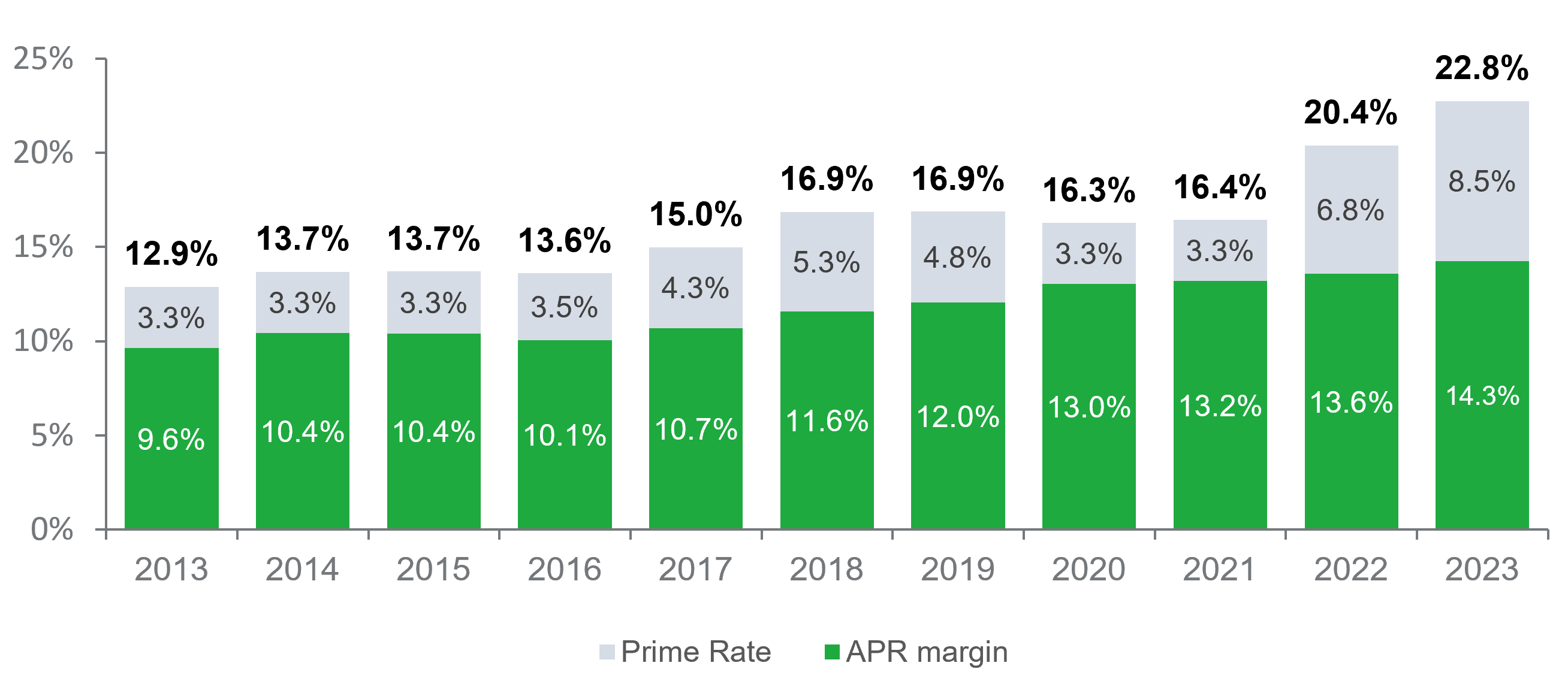
When you receive a credit card offer, the most prominent figure displayed—aside from the credit limit—is the Annual Percentage Rate, or APR. While it is easy to view this as a simple yearly fee, the APR is a multifaceted metric that represents the total cost of credit over a year. It includes not just the interest rate but also other fees or costs associated with the loan, expressed as a percentage.
Fixed vs. Variable Rates
Most modern credit cards utilize variable interest rates. A variable APR is typically tied to an index, such as the U.S. Prime Rate. When the Federal Reserve adjusts interest rates, your credit card’s APR likely follows suit. This means your cost of borrowing can fluctuate even if your spending habits remain the same. In contrast, fixed-rate credit cards maintain a consistent interest rate regardless of market fluctuations. While fixed rates offer predictability, they are increasingly rare in the current consumer market.
How APR is Calculated
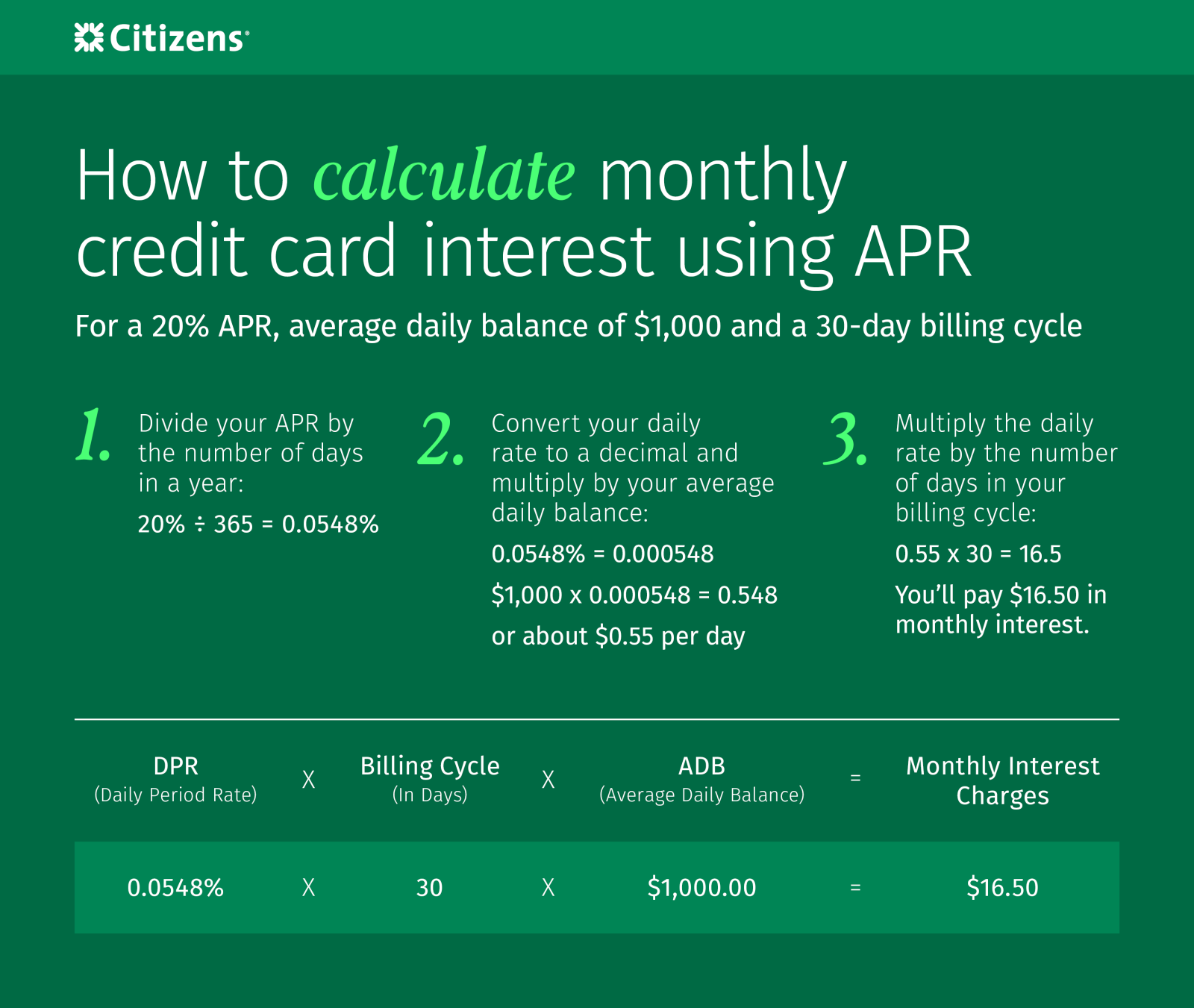
While the “A” in APR stands for “Annual,” interest is rarely calculated on a yearly basis. Instead, most credit card issuers use a Daily Periodic Rate (DPR). To find this, the issuer divides your APR by 365 (or 360 in some instances). This daily rate is then applied to your “average daily balance.” This distinction is vital because it means that every day you carry a balance, you are accruing interest, which is then added to the principal for the next day’s calculation.
Different Types of APR
It is a common misconception that a single credit card has only one interest rate. In reality, different types of transactions trigger different APRs.
-
Purchase APR: The standard rate applied to new purchases.
-
Cash Advance APR: Generally much higher than the purchase APR, this applies when you use your card to withdraw cash. Importantly, cash advances often have no grace period, meaning interest begins to accrue immediately.
-
Balance Transfer APR: A specific rate applied to debt moved from one card to another. Issuers often offer “teaser” rates of 0% for a set period to entice new customers.
-
Penalty APR: If you miss payments or violate the terms of your agreement, the issuer may hike your interest rate significantly, sometimes to as high as 29.99%.
Factors That Influence Your Specific Interest Rate
Not every consumer is offered the same interest rate. Lenders view credit as a product, and the price of that product is determined by the perceived risk of the borrower. Understanding what influences these rates can empower you to take steps to lower your costs.
The Role of Credit Scores
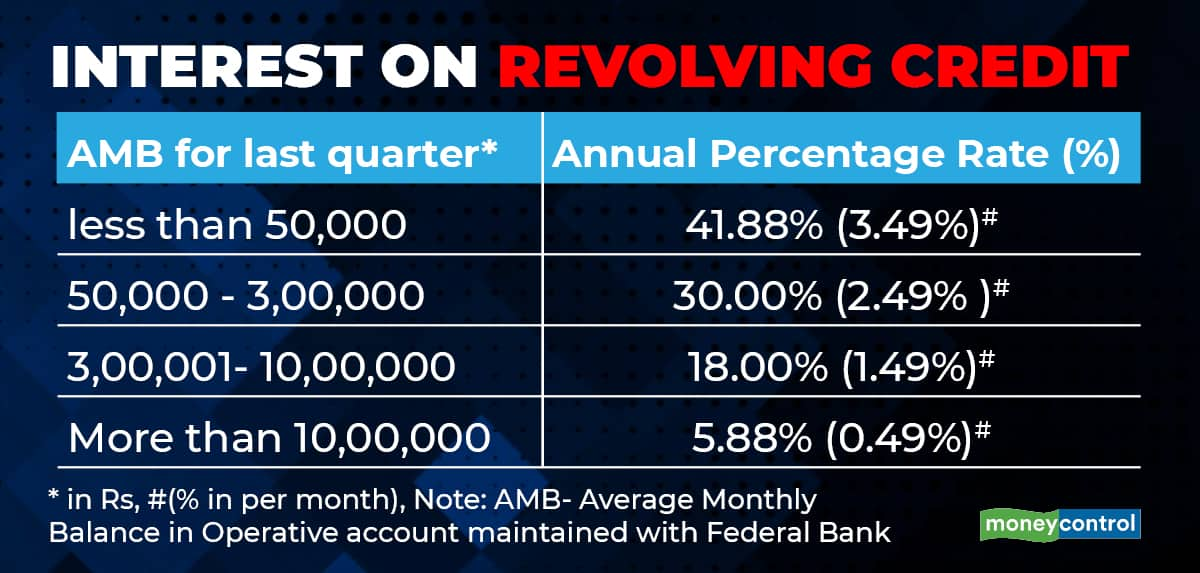
Your credit score is the primary determinant of the interest rate you are offered. It serves as a shorthand for your financial reliability. Borrowers with “Excellent” credit (typically 750 or higher) are rewarded with the lowest available rates because they represent a low risk of default. Conversely, those with “Fair” or “Poor” credit are charged higher rates to compensate the lender for the increased risk. Small improvements in your credit score can lead to significantly lower interest rates, potentially saving you thousands of dollars over a lifetime of borrowing.
The Federal Reserve and Economic Indicators
On a macro level, credit card interest rates are heavily influenced by the Federal Reserve’s monetary policy. When the Fed raises the federal funds rate to combat inflation, the Prime Rate increases. Because most credit cards are variable, this results in an immediate increase in the interest charged to consumers. Keeping an eye on economic trends is essential for anyone carrying a balance, as a shift in national policy can lead to higher monthly minimum payments and longer paths to debt repayment.
Debt-to-Income Ratio and Financial History
Lenders also look at your Debt-to-Income (DTI) ratio. Even if you have a perfect payment history, having too much debt relative to your income suggests that you may be overextended. A high DTI can lead to higher interest rates or lower credit limits. Furthermore, your history with a specific institution matters; long-term customers with a clean record are sometimes eligible for preferential rates that are not advertised to the general public.
The Mechanics of Compounding: How Debt Grows
The most dangerous aspect of credit card interest is compounding. In the world of investing, compounding is your best friend, helping your money grow exponentially. In the world of debt, compounding is your greatest adversary.
Daily Periodic Rates
As mentioned, interest is usually calculated daily. If you have a $5,000 balance at a 20% APR, your daily periodic rate is approximately 0.054%. On day one, you owe roughly $2.70 in interest. On day two, if that interest is added to your balance, you are now paying interest on $5,002.70. While a few dollars may seem negligible, over the course of months and years, this “interest on interest” creates a snowball effect that can make debt feel insurmountable.
The Importance of the Grace Period
Most credit cards offer a “grace period,” which is the gap between the end of your billing cycle and your payment due date. If you pay your balance in full every month, the issuer does not charge interest on your purchases. This is the most effective way to use a credit card. However, the moment you “revolve” a balance—meaning you carry even $1 over to the next month—the grace period usually disappears for all subsequent purchases until the balance is fully cleared.
Avoiding the Minimum Payment Trap
Credit card statements are required by law to show how long it would take to pay off your balance if you only made the minimum payment. For many, this revelation is shocking. Minimum payments are typically calculated as 1% to 3% of the total balance. Because interest is taken out of that payment first, very little goes toward the principal. In many cases, making only the minimum payment ensures that you will remain in debt for decades while paying several times the original purchase price in interest alone.
Strategic Ways to Lower Your Interest Costs
If you find yourself carrying a balance at a high interest rate, you are not without options. There are several professional strategies you can employ to mitigate the damage of interest and accelerate your journey to zero balance.
Negotiation Tactics with Issuers
Many consumers do not realize that interest rates are often negotiable. If you have a history of on-time payments and your credit score has improved since you opened the account, you can call your issuer and request a lower APR. Mentioning competitive offers you’ve received from other banks can provide leverage. Even a 2% or 3% reduction can save hundreds of dollars over time.
Utilizing Balance Transfer Offers
For those with good to excellent credit, a balance transfer card can be a powerful tool. These cards offer a 0% introductory APR for 12 to 21 months. By moving high-interest debt to a 0% card, every dollar you pay goes directly toward the principal. However, this strategy requires discipline; you must pay off the balance before the introductory period ends, or you may be hit with a standard interest rate that is higher than the one you left.
Debt Consolidation and Refinancing
If you have multiple cards with high balances, a debt consolidation loan might be the better path. Personal loans often offer lower, fixed interest rates compared to credit cards. By using a loan to pay off your credit cards, you consolidate your debt into one monthly payment with a clear end date. This stops the compounding cycle and provides a structured roadmap for financial recovery.
The Long-Term Impact on Financial Wellness
Understanding credit card interest rates is not just about saving money this month; it is about protecting your long-term financial health. Interest payments represent an “opportunity cost”—money spent on interest is money that is not being invested in a 401(k), a high-yield savings account, or a down payment on a home.
Opportunity Cost of High-Interest Debt
Consider the difference between paying $300 a month toward credit card interest versus investing that same $300 in the stock market with an average 7% annual return. Over 30 years, that $300 a month would grow to over $350,000. When you carry high-interest debt, you are essentially robbing your future self to pay for past consumption.
Building a Sustainable Financial Foundation
A sophisticated approach to money involves treating credit cards as a transactional tool rather than a source of long-term funding. By prioritizing the elimination of high-interest debt and understanding the mechanics of how interest is calculated, you can shift from a defensive financial posture to an offensive one. Mastery of interest rates allows you to leverage the benefits of the credit system—such as rewards, travel points, and fraud protection—without falling victim to the costs that fund those very perks for the banks.
In conclusion, credit card interest rates are a critical component of personal finance that demand attention and respect. By understanding the types of APR, the impact of your credit score, and the mechanics of daily compounding, you can make informed decisions that preserve your wealth and secure your financial future. Knowledge is the ultimate hedge against high-interest debt.
aViewFromTheCave is a participant in the Amazon Services LLC Associates Program, an affiliate advertising program designed to provide a means for sites to earn advertising fees by advertising and linking to Amazon.com. Amazon, the Amazon logo, AmazonSupply, and the AmazonSupply logo are trademarks of Amazon.com, Inc. or its affiliates. As an Amazon Associate we earn affiliate commissions from qualifying purchases.