
In the world of global footwear, few silhouettes are as instantly recognizable as the Converse Chuck Taylor All Star. From the basketball courts of the 1920s to the punk rock stages of the 1970s and the high-fashion runways of today, Converse has maintained a dominant market presence. However, the brand’s success isn’t just a result of clever marketing or celebrity endorsements; it is deeply rooted in its physical composition. To ask “what are Converse made of” is to explore the very essence of brand strategy, product consistency, and the psychological connection between a consumer and the materials they wear.
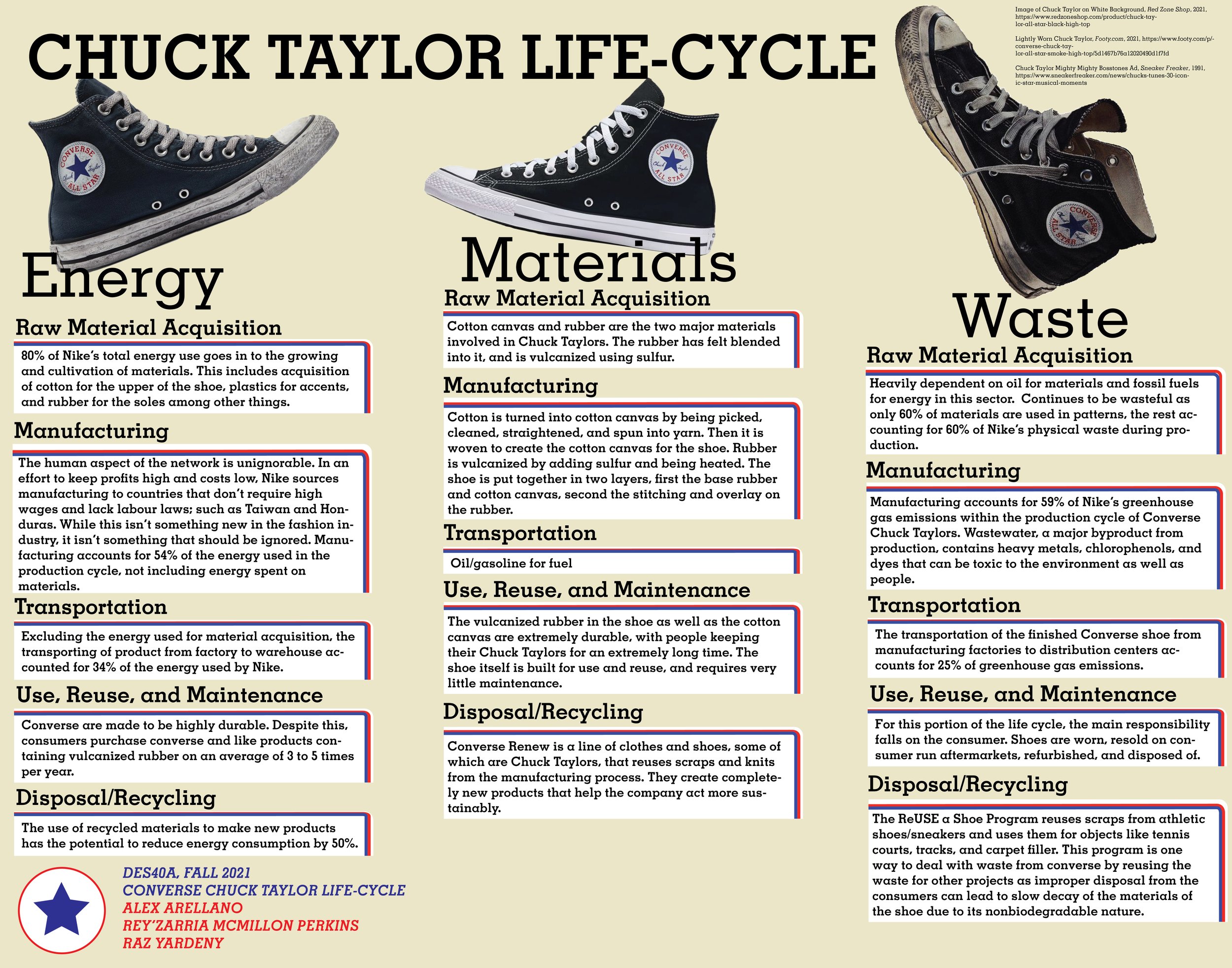
The materials used in a pair of Converse are more than just raw commodities; they are the building blocks of a corporate identity that has survived over a century. By examining the canvas, rubber, and metal that comprise these shoes, we can uncover how Converse uses materiality to maintain brand equity and consumer loyalty.
The Anatomy of an Icon: Materiality as Brand Identity
At its core, the brand identity of Converse is built on simplicity. While other footwear giants like Nike (Converse’s parent company) or Adidas often lead with “space-age” foams and high-tech synthetics, Converse leans into a heritage-based material strategy. This creates a brand perception of authenticity and “timelessness.”
The Canvas Foundation: A Blank Slate for Self-Expression
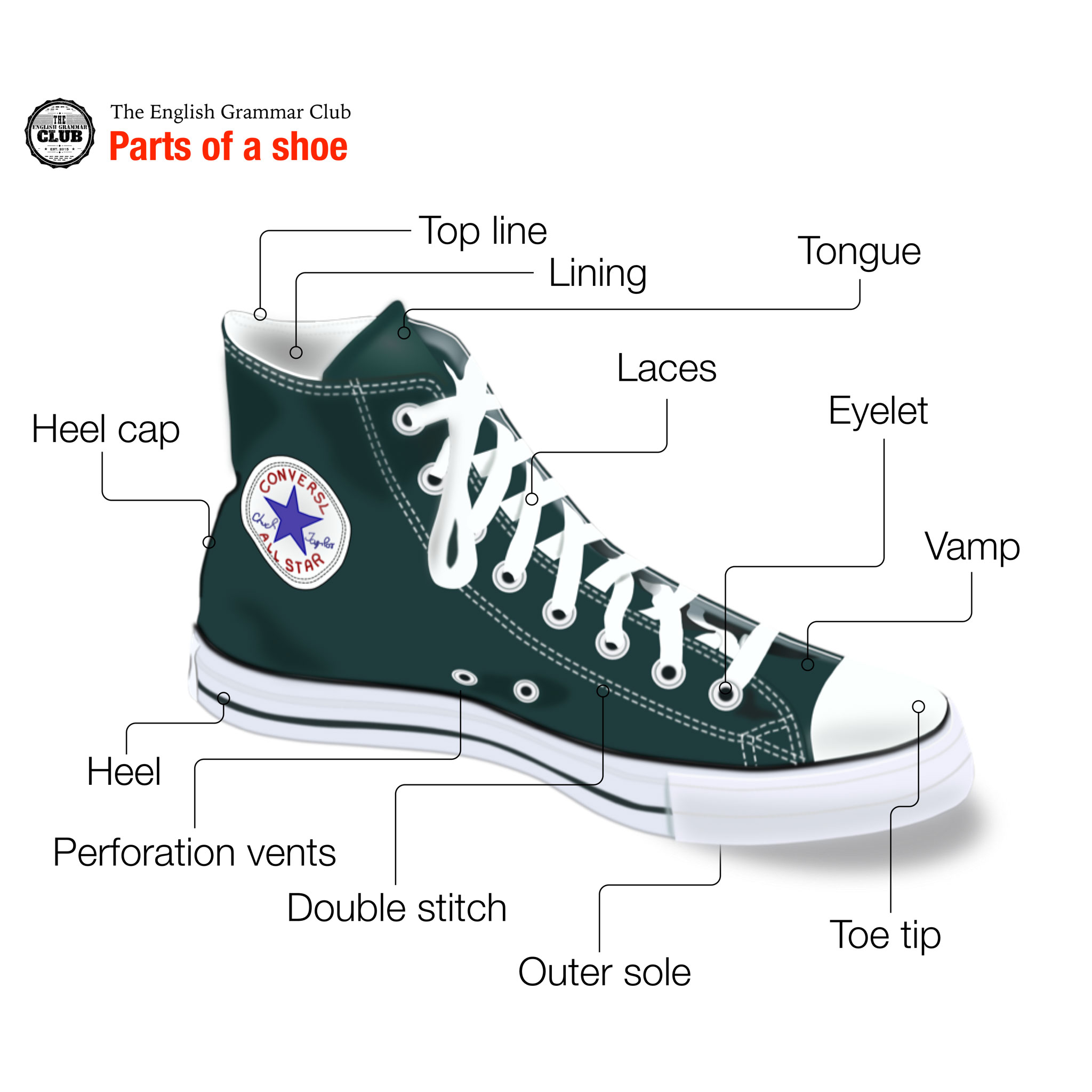
The upper part of most Converse shoes is made from a heavy-grade cotton canvas. From a branding perspective, canvas is a genius choice. Unlike leather, which can feel elitist or stiff, canvas is egalitarian. It is breathable, lightweight, and—most importantly—it ages with the wearer.
For the Converse brand, the “lived-in” look is a key marketing pillar. The canvas is designed to fray, fade, and accumulate scuffs, which the brand encourages as a form of personal storytelling. By choosing a material that records the user’s history, Converse moves from being a mere product to a personal companion.
Vulcanized Rubber: The Grip of History
The hallmark of a Converse shoe is its thick rubber sole and toe cap. Specifically, Converse utilizes vulcanized rubber—a process where rubber is heated with sulfur to create a more durable, flexible, and heat-resistant material.
In the context of brand strategy, this rubber serves two purposes. First, the distinctive “diamond” tread pattern is a trademarked visual asset. Second, the rubber toe cap provides a functional “armor” that makes the shoe recognizable from a distance. This “toe-down” recognition is a vital part of the brand’s visual identity, ensuring that even in a crowded room, a pair of Chucks is unmistakable.
The All-Star Patch: More Than Just Ink
The circular patch found on the ankle of the high-top model is perhaps the most valuable piece of real estate on the shoe. While it serves as a structural reinforcement for the ankle, its primary role is branding. Made of printed leather or high-quality synthetic heat-transfers, the patch carries the signature of Chuck Taylor. It serves as a “seal of approval,” transitioning the shoe from a piece of athletic equipment to a certified cultural artifact.
Manufacturing the Legend: The Process Behind the Product
The brand’s value is inextricably linked to how these materials are put together. The manufacturing process of Converse is a study in “industrial heritage,” a concept used to market the brand’s long-standing reliability.
Vulcanization: The Branding of Durability
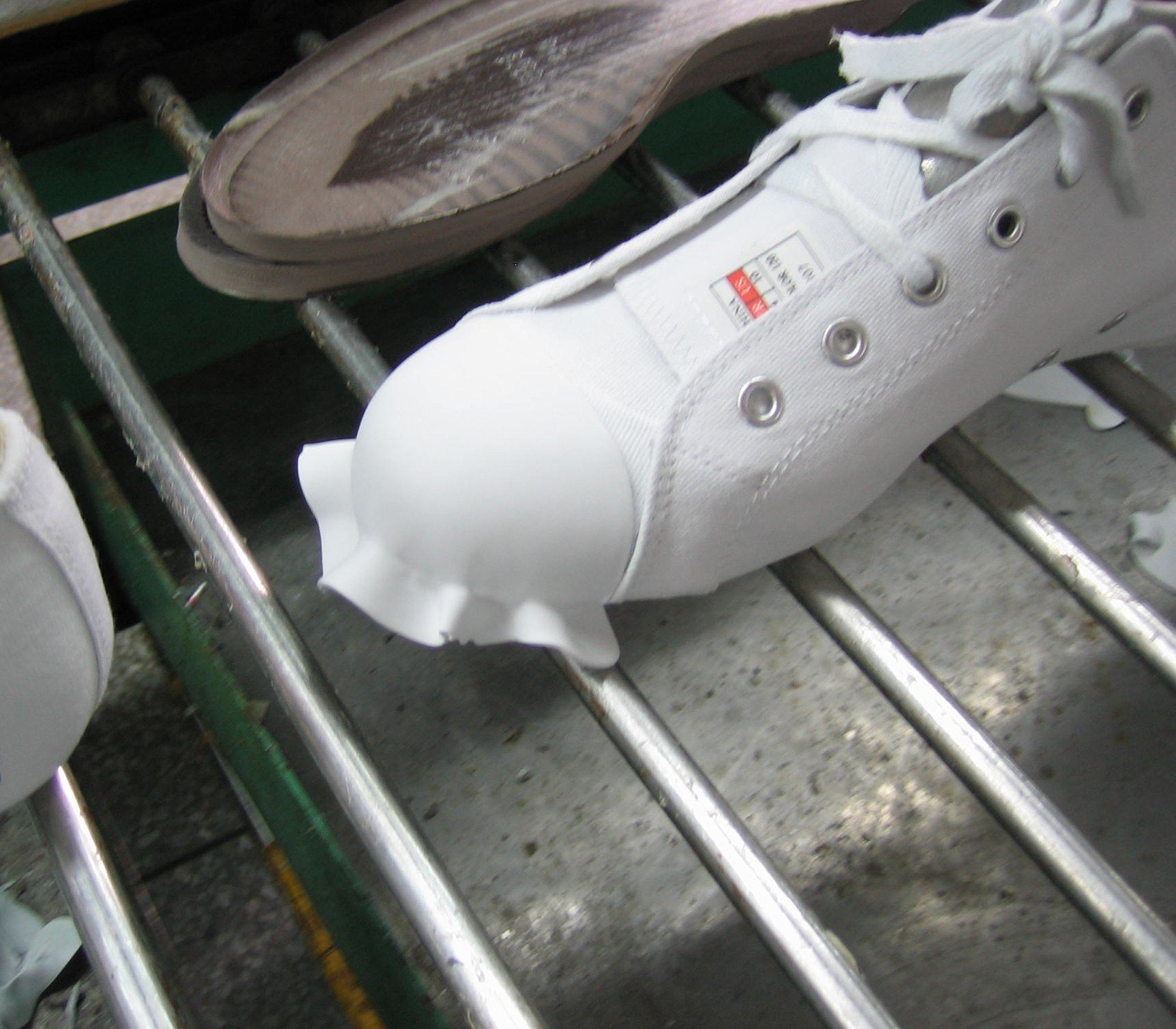
Unlike many modern sneakers that use cold-cementing (gluing the sole to the upper), Converse famously uses a vulcanization oven. The entire shoe is “baked” at high temperatures. This process doesn’t just create a bond; it creates a “fused” product.
From a brand marketing standpoint, this process is sold as a commitment to craft. It suggests a level of ruggedness that modern “plastic” shoes lack. By highlighting the traditional vulcanization process, Converse positions itself as a brand that respects the “old ways” of making things, which resonates deeply with consumers looking for authenticity in a mass-produced world.
Consistency Across Decades
One of the most difficult feats in branding is maintaining product consistency over a century. The recipe for the rubber and the weight of the canvas used in a pair of All Stars today is remarkably similar to what was used fifty years ago. This consistency is a strategic choice. It ensures that the brand remains “multigenerational.” When a teenager buys a pair of Converse today, they are participating in the same material experience as their parents or even grandparents. This material continuity is the secret sauce of the brand’s enduring relevance.
Material Evolution: Adapting the Brand for the Modern Consumer
While the core identity of Converse is rooted in tradition, a brand cannot survive on nostalgia alone. Converse has masterfully used material innovation to expand its market share without diluting its core brand identity.
Sustainability and the “Renew” Initiative
In response to the global shift toward eco-consciousness, Converse launched the “Renew” line. This sub-brand focuses on changing what the shoes are made of while keeping the look identical. They developed a process to turn 100% recycled plastic bottles into a canvas-like fabric.
This is a brilliant brand maneuver. By recreating the classic canvas feel using recycled PET, Converse proves that it can be a “forward-thinking” brand while remaining a “heritage” brand. It allows the company to enter the sustainability conversation without having to change the iconic silhouette that consumers love.
Collaboration-Driven Innovation
Converse frequently uses high-end materials to reposition itself in the luxury and streetwear markets. Collaborations with brands like GORE-TEX (for waterproofing), Missoni (for high-end knits), or Off-White (for translucent synthetics) allow Converse to experiment with “what the shoe is made of” to reach different price points and demographics.
When Converse swaps canvas for premium suede or Italian leather, it signals a shift in brand hierarchy. It tells the consumer that Converse can be both a $60 everyday staple and a $200 fashion statement. The silhouette remains the same, but the material tells a different brand story.
The Psychology of the “Used” Look: Why Materials Matter in Marketing
The branding of Converse is unique because it celebrates the degradation of its materials. Most luxury brands lose value as they wear out; Converse, in many subcultures, gains “cool” as the canvas rips and the rubber yellows.
The Aesthetic of Aging
The cotton canvas and organic rubber used in Converse are prone to oxidation and wear. The brand has leaned into this, often featuring beat-up, dirty sneakers in their “Made by You” marketing campaigns. This strategy shifts the focus from the manufacturer to the consumer. By using materials that “age gracefully,” Converse allows the customer to feel that they have “customized” the brand through their own life experiences.
Personal Branding Through Customization
Because the primary material is canvas, Converse has become the gold standard for DIY customization. From Sharpie drawings to elaborate embroidery, the fabric invites the user to alter the brand.
This is a high-level brand strategy: by providing a “low-tech” material, the brand encourages user engagement. Every time a consumer draws on their shoes, they are deepening their personal brand alignment with Converse. The material choice essentially makes the consumer a co-creator of the brand’s visual output.
Conclusion: The Materiality of Longevity
To understand what Converse are made of is to understand how a brand can achieve immortality through its physical components. The combination of simple cotton canvas and vulcanized rubber has created a product that transcends trends.
Converse’s brand strategy is a masterclass in balancing the old with the new. By sticking to its core material DNA, the brand maintains its “cool” and “authentic” status. Simultaneously, by strategically introducing recycled materials and high-end textiles through collaborations, it stays relevant in an ever-changing market.
Ultimately, Converse are made of more than just fabric and rubber; they are made of a century of cultural history, a commitment to a specific manufacturing heritage, and a brand promise that simplicity is the ultimate sophistication. As long as there is a demand for authenticity, the canvas and rubber of Converse will remain a fixture of the global wardrobe.
aViewFromTheCave is a participant in the Amazon Services LLC Associates Program, an affiliate advertising program designed to provide a means for sites to earn advertising fees by advertising and linking to Amazon.com. Amazon, the Amazon logo, AmazonSupply, and the AmazonSupply logo are trademarks of Amazon.com, Inc. or its affiliates. As an Amazon Associate we earn affiliate commissions from qualifying purchases.