
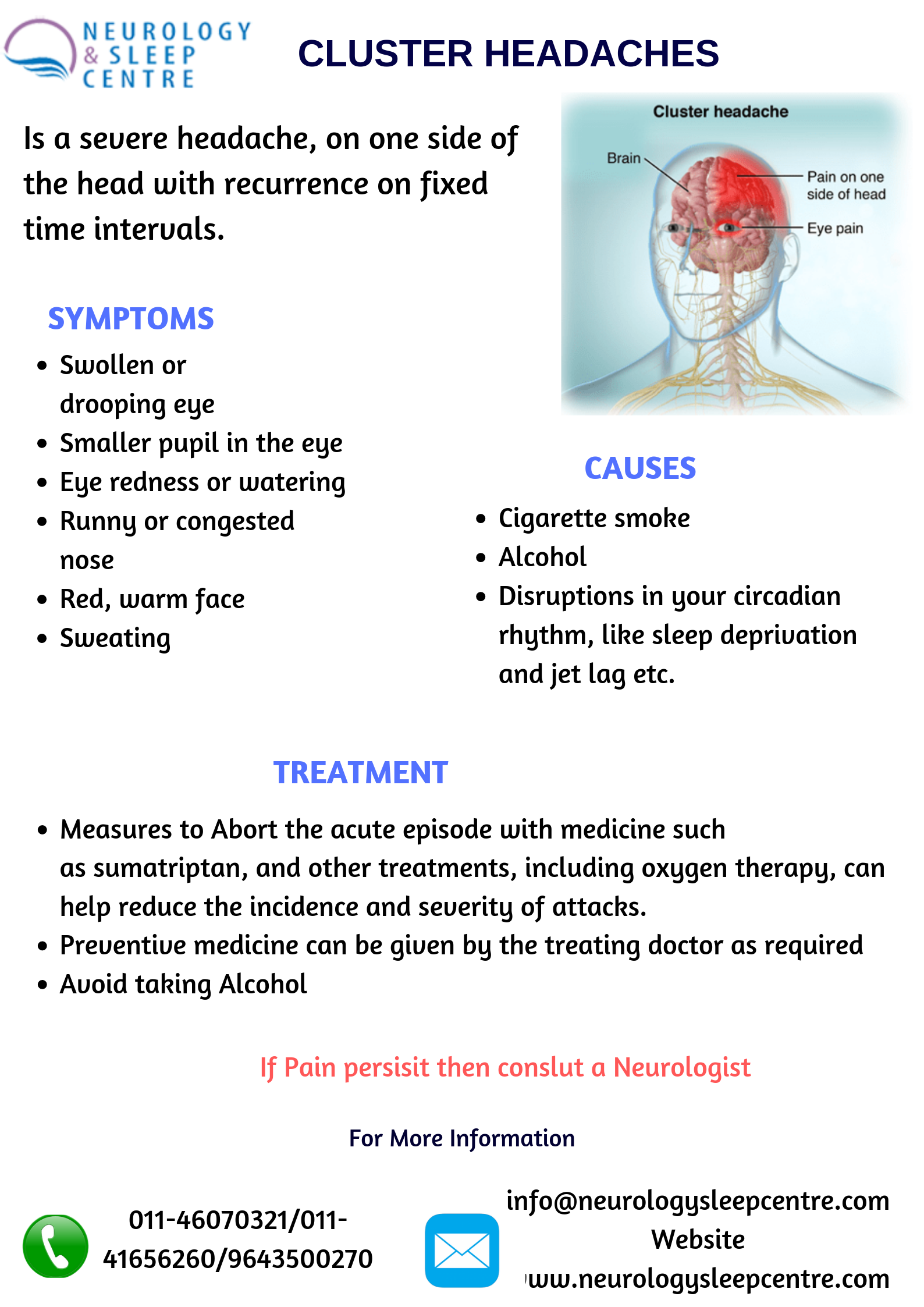
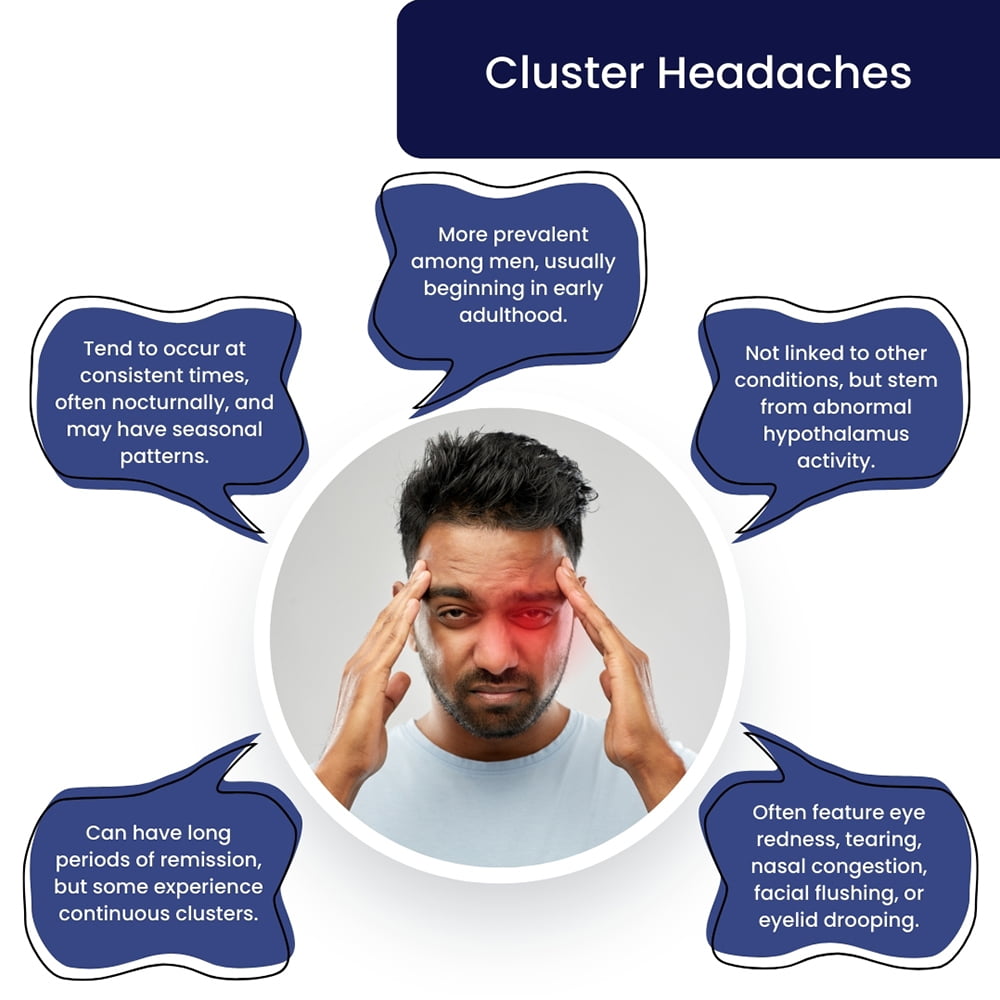
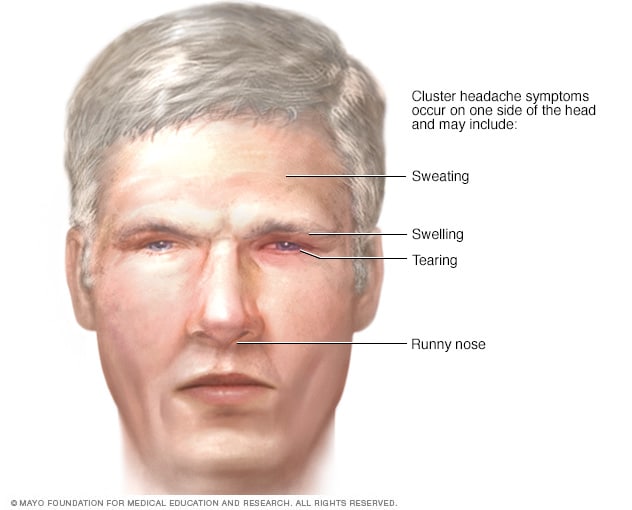
Cluster headaches, often dubbed “suicide headaches” due to their excruciating intensity, represent one of the most severe forms of primary headache disorders. Characterized by recurrent, severe headaches on one side of the head, typically around the eye, accompanied by symptoms like tearing, redness, nasal congestion, and eyelid drooping, these attacks can occur in clusters lasting weeks or months. Despite their devastating impact on individuals’ lives, the precise mechanisms and underlying causes of cluster headaches have remained elusive for decades. This diagnostic enigma not only hinders effective treatment development but also leaves sufferers grappling with uncertainty.
However, we are on the cusp of a revolution. Driven by rapid advancements in technology, the quest to unravel the complex etiology of cluster headaches is accelerating. From sophisticated neuroimaging techniques and genomic sequencing to artificial intelligence and wearable health monitors, technology is providing unprecedented insights into the brain’s intricate workings, offering new hope for understanding, diagnosing, and ultimately treating this debilitating condition. This article will explore how technology is transforming our investigative capabilities, pushing the boundaries of what we know about cluster headaches and other complex neurological disorders.
Decoding the Brain’s Enigma: Neuroimaging Advances
Understanding the causes of a neurological disorder fundamentally requires peering inside the brain. Traditional methods offered limited resolution, but modern neuroimaging technologies provide increasingly detailed structural and functional insights, revealing subtle anomalies and dynamic processes previously undetectable. These advanced tools are crucial in mapping the neural circuits implicated in cluster headaches and identifying potential structural or functional abnormalities.
High-Resolution Structural Imaging: MRI and fMRI
Magnetic Resonance Imaging (MRI) has long been the cornerstone of neurological diagnosis, offering unparalleled soft tissue contrast. High-resolution structural MRI scans can identify macroscopic abnormalities in brain regions, but for conditions like cluster headaches, which often lack overt structural lesions, even more nuanced techniques are necessary. Functional MRI (fMRI) takes this a step further by measuring brain activity through changes in blood flow. By observing which brain areas are active during a cluster headache attack or during periods of remission, researchers can pinpoint specific regions involved in pain processing, autonomic regulation, and circadian rhythms, all of which are believed to play a role in cluster headache pathophysiology. Studies using fMRI have consistently implicated the hypothalamus, a small but critical brain region responsible for many autonomic functions and circadian rhythms, as a key player in cluster headache generation.
Functional Neuroimaging: PET, SPECT, and Metabolic Insights
Beyond blood flow, Positron Emission Tomography (PET) and Single-Photon Emission Computed Tomography (SPECT) scans provide insights into the brain’s metabolic activity and neurotransmitter systems. PET scans, in particular, can map the distribution of specific receptors, enzymes, and transporters, allowing researchers to investigate neurochemical imbalances that might contribute to cluster headache attacks. For instance, PET studies have explored the role of serotonin and dopamine pathways, as well as the opioid system, in the generation and modulation of cluster headache pain. By visualizing these metabolic and chemical signatures, researchers can develop hypotheses about the specific biochemical pathways that are dysregulated, leading to targeted therapeutic interventions. These techniques are vital for understanding the underlying biological mechanisms rather than just observing symptoms.
Diffusion Tensor Imaging (DTI) and Connectomics
The brain doesn’t just consist of isolated regions; it’s a vast network of interconnected pathways. Diffusion Tensor Imaging (DTI) is a specialized MRI technique that maps the white matter tracts, the “wiring” of the brain, by tracking the diffusion of water molecules. This allows researchers to visualize the integrity and connectivity of neural pathways. In the context of cluster headaches, DTI can reveal subtle alterations in the structural connectivity between brain regions involved in pain perception, emotion, and autonomic control. This “connectomics” approach aims to build a comprehensive map of these neural connections, identifying specific circuits that might be functionally or structurally impaired, offering a more holistic view of the neurological underpinnings of the condition.
Genomic and Molecular Frontiers: The Genetic Blueprint
While neuroimaging offers a macroscopic and functional view, the ultimate causes of many complex diseases often lie at the molecular and genetic levels. Advances in genomics and molecular biology are enabling researchers to delve into the intricate genetic predispositions and biological pathways that contribute to cluster headaches.
Next-Generation Sequencing (NGS) and Gene Discovery
Next-Generation Sequencing (NGS) technologies have revolutionized genetics, making it possible to sequence entire human genomes or exomes rapidly and affordably. For cluster headaches, NGS studies are employed to identify specific genetic variants or mutations that increase an individual’s susceptibility to the condition. While cluster headaches are not typically inherited in a simple Mendelian fashion, there is a clear familial component in some cases. Large-scale genomic studies are now underway to identify common genetic polymorphisms that, in combination with environmental factors, might predispose individuals to cluster headaches. Discovering these genetic markers could unlock pathways involved in neuronal excitability, inflammatory responses, or circadian rhythm regulation, providing concrete targets for therapeutic development.
Biomarker Identification and Precision Medicine
Beyond specific gene mutations, the field of proteomics and metabolomics, enabled by advanced mass spectrometry and bioinformatics, aims to identify biological markers (biomarkers) in blood, cerebrospinal fluid, or other tissues. These biomarkers could serve multiple purposes: predicting an individual’s risk, diagnosing the condition more accurately, monitoring disease progression, or even predicting response to specific treatments. For cluster headaches, researchers are hunting for inflammatory markers, neuropeptides (like CGRP, which is already a target for new headache drugs), or metabolic signatures that are uniquely altered during an attack or in individuals prone to the condition. The ultimate goal is precision medicine – tailoring treatment strategies based on an individual’s unique molecular and genetic profile, moving away from a one-size-fits-all approach.
AI and Machine Learning: Pattern Recognition in the Data Deluge
The sheer volume and complexity of data generated by modern neuroimaging and genomic studies are overwhelming for human analysis alone. This is where Artificial Intelligence (AI) and Machine Learning (ML) algorithms become indispensable. These technologies excel at identifying subtle patterns, correlations, and predictive insights hidden within vast datasets, accelerating our understanding of cluster headache causes.
Predictive Analytics for Diagnosis and Risk Factors
AI algorithms can process massive amounts of clinical data—including patient demographics, medical history, symptom descriptions, and imaging results—to identify predictive patterns for cluster headache diagnosis. By analyzing myriad variables that might escape human observation, AI can help in earlier and more accurate diagnosis, potentially differentiating cluster headaches from other headache disorders with similar symptoms. Furthermore, ML models can be trained to identify combinations of genetic, environmental, and lifestyle factors that predict an individual’s susceptibility or risk of developing cluster headaches, allowing for preventative strategies or early intervention.
Uncovering Hidden Correlations in Big Data
The beauty of AI and ML lies in their ability to uncover non-obvious correlations. For instance, an AI might analyze a dataset combining genetic information, fMRI connectivity maps, and detailed symptom diaries to find links between specific genetic variants, altered brain network connectivity, and the timing or severity of headache attacks. These hidden correlations can point researchers towards novel hypotheses about the underlying causes of cluster headaches that might not have been apparent through traditional statistical methods. This could include identifying specific environmental triggers when analyzed alongside patient-reported data.
Accelerating Drug Discovery and Treatment Personalization
AI is also revolutionizing drug discovery. By analyzing vast databases of molecular structures, protein interactions, and existing drug mechanisms, AI can rapidly identify potential drug candidates that could target specific pathways implicated in cluster headaches. Furthermore, machine learning models can predict an individual’s likely response to different treatments based on their genetic makeup and clinical profile, ushering in an era of truly personalized medicine for headache disorders. This significantly reduces the time and cost associated with traditional drug development, bringing effective solutions closer to patients.
Wearable Tech and Digital Phenotyping: Real-World Data Collection
Beyond the lab and clinic, technology is empowering individuals to contribute to research and gather real-world data about their conditions. Wearable devices and smartphone applications are enabling “digital phenotyping,” offering unprecedented insights into the daily lives of cluster headache sufferers.
Passive Monitoring for Early Detection and Trigger Identification
Smartwatches, fitness trackers, and other wearable sensors can passively collect continuous physiological data, such as heart rate, sleep patterns, activity levels, and even stress indicators. For cluster headache patients, this data can be invaluable. AI algorithms can analyze these continuous streams of data to identify subtle physiological changes that precede an attack, potentially allowing for early intervention. Moreover, by correlating these physiological shifts with environmental data (e.g., weather, air quality) and patient-reported symptoms logged via smartphone apps, researchers can identify individual triggers or patterns that contribute to attacks, providing personalized insights into causation.
Personalized Symptom Tracking and Data-Driven Insights
Smartphone apps designed for headache tracking allow patients to meticulously log their symptoms, headache characteristics, severity, accompanying features, and potential triggers in real-time. This highly granular, longitudinal data, when aggregated and analyzed using advanced analytics, provides a rich dataset for researchers. It complements clinical trial data by reflecting the “real world” experience of living with cluster headaches. This “patient-generated health data” (PGHD) can reveal patterns, cyclic behaviors, or novel insights into the progression and precipitating factors of cluster headaches that might be missed in intermittent clinic visits. This data is critical for understanding the dynamic nature of the condition and refining hypotheses about its causes.
Conclusion
The journey to understand what causes cluster headaches is a monumental scientific endeavor, marked by complexity and persistent challenges. However, the synergistic power of technological innovation is fundamentally reshaping this quest. High-resolution neuroimaging allows us to map the brain’s intricacies, while genomics deciphers the underlying genetic blueprints. Artificial intelligence sifts through oceans of data to reveal hidden patterns and accelerate discovery, and wearable technology provides continuous, real-world insights into the lived experience of patients.
By integrating these diverse technological approaches, researchers are gaining an unprecedented, multi-faceted understanding of cluster headaches, moving beyond mere symptom management towards pinpointing specific biological mechanisms and environmental interactions. This technological momentum fuels optimism, promising not only a clearer picture of causation but also paving the way for more accurate diagnostics, targeted therapies, and ultimately, a significantly improved quality of life for those afflicted by this profoundly debilitating condition. The future of headache research is inextricably linked with the relentless march of technological progress, bringing us ever closer to unraveling the brain’s deepest secrets.
aViewFromTheCave is a participant in the Amazon Services LLC Associates Program, an affiliate advertising program designed to provide a means for sites to earn advertising fees by advertising and linking to Amazon.com. Amazon, the Amazon logo, AmazonSupply, and the AmazonSupply logo are trademarks of Amazon.com, Inc. or its affiliates. As an Amazon Associate we earn affiliate commissions from qualifying purchases.