
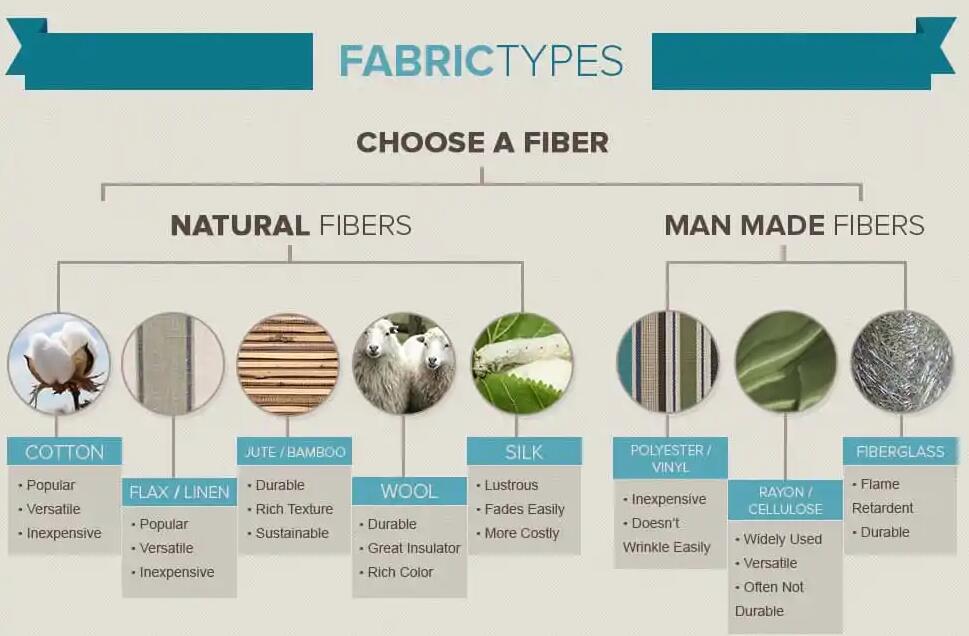
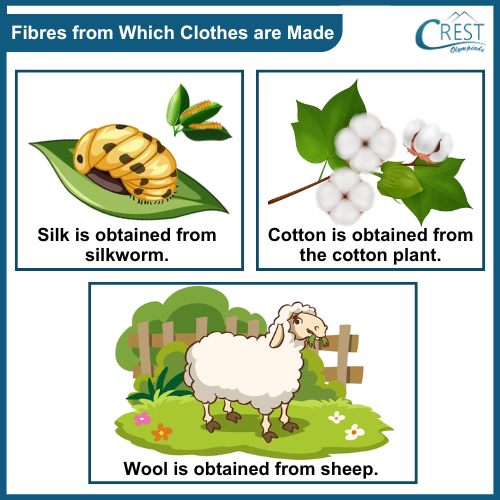
For centuries, the answer to “what are clothes made of” was simple: natural fibers harvested from plants or animals. Cotton, wool, silk, and linen defined the human wardrobe for millennia. However, in the modern era, the composition of our garments has undergone a radical technological transformation. Today, your shirt is as much a product of laboratory engineering and material science as it is of agriculture. From high-performance synthetic polymers to lab-grown biological tissues and smart fabrics embedded with sensors, the technology behind what we wear is evolving at an exponential rate.
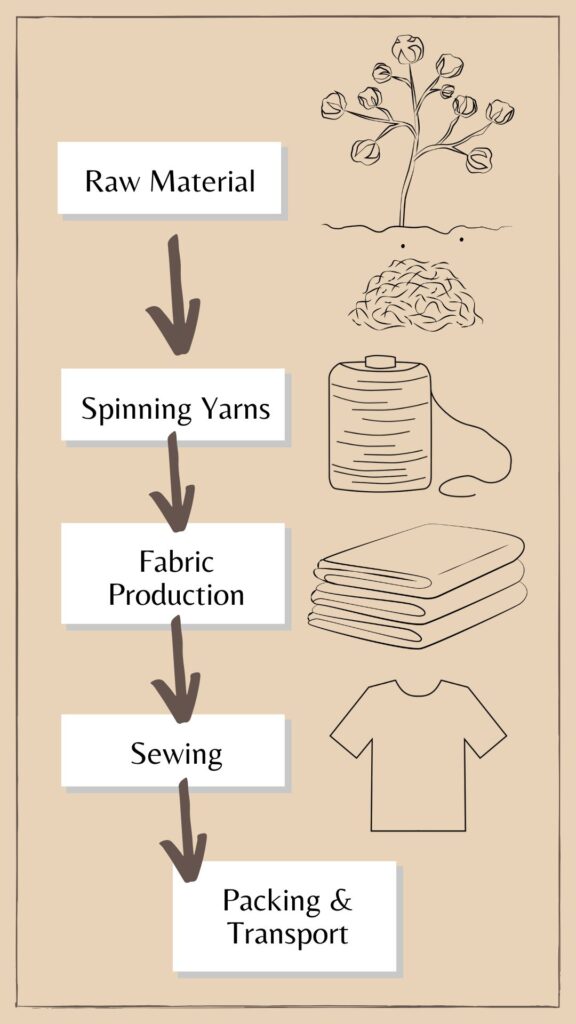
Understanding the modern composition of clothing requires a deep dive into material science, biotechnology, and digital integration. We are moving away from passive fabrics toward “active” materials that interact with the environment and the wearer’s body.
The Chemistry of Synthetics: Engineering Performance at the Molecular Level
The majority of modern clothing is made of synthetic polymers. While “polyester” might sound like a relic of 1970s fashion, it is actually a marvel of chemical engineering that continues to evolve. Most synthetic fibers are derived from petroleum-based hydrocarbons, transformed through a process known as polymerization.
Advanced Polymerization and Extrusion
At its core, polyester (specifically Polyethylene Terephthalate or PET) is created by reacting ethylene glycol with terephthalic acid. This creates a plastic resin that is melted and forced through a “spinneret”—a device similar to a showerhead with microscopic holes. The shape and size of these holes determine the fiber’s properties. By changing the cross-sectional shape of the fiber (e.g., from a circle to a star shape), engineers can create fabrics that “wick” moisture away from the skin through capillary action. This is the technological foundation of almost all modern athletic apparel.
High-Performance Additives and Nanotechnology
The technological frontier of synthetic fibers lies in the integration of additives at the molecular level. We are no longer just making “plastic” threads; we are engineering functional materials. For example, silver nanoparticles are now frequently embedded into synthetic fibers to provide permanent antimicrobial properties, preventing the growth of odor-causing bacteria.
Furthermore, “phase change materials” (PCMs) are being integrated into fibers to regulate body temperature. These materials absorb, store, and release heat as they transition between solid and liquid states (at a microscopic scale). When the wearer’s body temperature rises, the PCMs absorb the excess heat; when it drops, the material releases the stored energy, providing a tech-driven solution to thermal regulation.
Bio-Fabrication: Growing the Future of Fashion in a Lab
As the industry seeks to move away from petroleum-based synthetics, biotechnology has stepped in to redefine the raw materials of fashion. The question of “what are clothes made of” is increasingly being answered with: “DNA and microorganisms.”
Mycelium and Lab-Grown Leather
One of the most significant breakthroughs in material tech is the use of mycelium—the root structure of mushrooms. By feeding mycelium agricultural waste in a controlled environment, biotech companies can “grow” a material that mimics the cellular structure of animal leather. This isn’t just a surface-level imitation; at a microscopic level, the interwoven hyphae create a durable, flexible matrix that can be tanned and finished using traditional methods but with a fraction of the environmental footprint and zero animal involvement.
Synthetic Spider Silk and Protein Engineering
Spider silk is one of the strongest materials in nature, but spiders are notoriously difficult to farm. Technology has solved this through DNA sequencing and fermentation. Companies are now taking the DNA sequences responsible for silk production in spiders and inserting them into yeast or bacteria. These genetically modified organisms are then fermented in large vats, producing silk proteins that can be spun into fibers. This bio-fabricated silk is tougher than steel and more elastic than nylon, representing a pinnacle of “programmable” material science where the physical properties of the clothing are coded into the organism’s genome.
Smart Fabrics: The Convergence of Textiles and Electronics
The most futuristic answer to “what are clothes made of” involves the integration of hardware and conductive materials directly into the weave of the fabric. We are transitioning from “wearable tech” (like a smartwatch) to “textile tech,” where the garment itself is the device.
Conductive Yarns and Carbon Nanotubes
To make a fabric “smart,” it must be able to conduct electricity without losing the comfort and flexibility of traditional clothing. This is achieved through conductive yarns, which are typically made by coating standard fibers (like polyester or cotton) with silver, copper, or graphene.
Graphene, a single layer of carbon atoms arranged in a hexagonal lattice, is particularly revolutionary. It is incredibly conductive, lightweight, and strong. When integrated into fabrics, it allows the garment to act as a heat-spreader, a sensor, or even a flexible battery. Clothes made with graphene-infused fibers can monitor heart rate, track muscle activity, or provide haptic feedback to the wearer, all while remaining indistinguishable from standard apparel to the touch.
E-Textiles and Haptic Feedback
Beyond simple sensing, e-textiles are incorporating actuators. This means clothes are being made of materials that can change shape or provide physical sensations. In the realm of digital security and immersive tutorials, haptic garments use piezoelectric materials—substances that generate a mechanical strain when an electric field is applied. This allows a garment to “tap” the wearer or provide resistance, which is currently being utilized in VR training simulations and high-end athletic coaching apps.
Circularity Tech: Molecular Recycling and Digital Passports
The technology behind what clothes are made of isn’t just about the initial creation; it’s about the end-of-life cycle. The industry is shifting toward a circular model where clothing is designed to be disassembled at the molecular level.
Chemical vs. Mechanical Recycling
Traditionally, recycling clothes meant “mechanical” recycling—shredding old garments into shorter, weaker fibers. However, new technological processes allow for “chemical” or “molecular” recycling. In this process, old polyester or nylon garments are submerged in a chemical solvent that breaks the polymers back down into their original monomers. These monomers are then purified and re-polymerized into “virgin-quality” fibers. This technology ensures that a shirt can be made of the same molecules indefinitely, breaking the link between fashion and resource depletion.
Digital Product Passports and Blockchain
What a garment is made of is often a mystery to the consumer and the recycler. To solve this, “Digital Product Passports” (DPPs) are being integrated into clothes. Using NFC chips or QR codes etched into the trim, these digital markers link to a blockchain-verified database that lists the exact chemical composition of the garment. This tech ensures that when a piece of clothing reaches a recycling facility, automated sorting systems (often powered by AI and near-infrared spectroscopy) can identify the material blend and route it to the correct chemical recycling stream.
The Future Horizon: 4D Printing and Adaptive Garments
Looking ahead, the composition of clothing will likely move into the realm of 4D printing. While 3D printing creates static objects, 4D printing involves materials that change shape or function in response to external stimuli like temperature, moisture, or light.
Imagine a jacket made of a 4D-printed polymer that increases its porosity (breathability) when it senses sweat, or a shoe that adjusts its arch support based on the wearer’s gait as detected by internal pressure sensors. These garments aren’t just “made of” fabric; they are made of “intelligent systems.”
The evolution from natural fibers to engineered polymers and eventually to bio-fabricated and smart materials highlights a broader trend: the digitizing of the physical world. Our clothes are no longer just passive shields against the elements. They are becoming sophisticated interfaces, lab-grown ecosystems, and chemically engineered masterpieces. When we ask what clothes are made of today, we are really asking about the current state of human innovation. We are wearing the results of our most advanced research in physics, biology, and computer science.
aViewFromTheCave is a participant in the Amazon Services LLC Associates Program, an affiliate advertising program designed to provide a means for sites to earn advertising fees by advertising and linking to Amazon.com. Amazon, the Amazon logo, AmazonSupply, and the AmazonSupply logo are trademarks of Amazon.com, Inc. or its affiliates. As an Amazon Associate we earn affiliate commissions from qualifying purchases.