
In today’s digitally-driven world, understanding our bodies and seeking solutions for our well-being often begins with a screen. From diagnosing symptoms with AI-powered health apps to tracking fitness with smartwatches, technology has revolutionized how we approach personal care. This extends to our skin, a complex organ whose health is meticulously analyzed and often managed through a growing array of digital tools. Clogged pores, a common and often frustrating skin concern, are no exception. While the biological underpinnings are straightforward, the modern approach to understanding and addressing them is increasingly entwined with technological advancements. This article delves into what clogged pores are from a technologically-informed perspective, exploring how digital tools can aid in their identification, understanding, and management.
The Digital Lens on Skin Anatomy: Pores in a Connected World
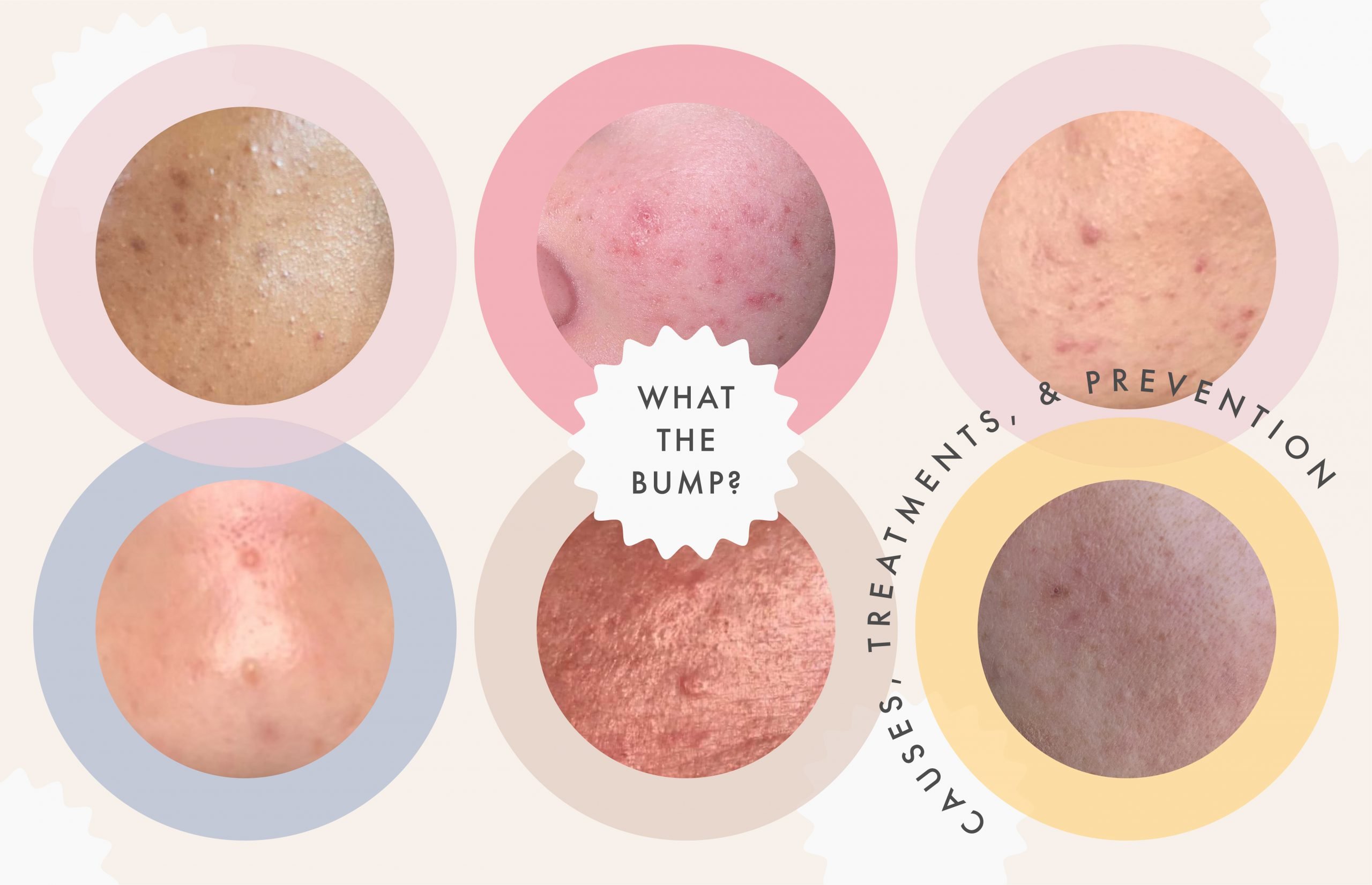
Our skin, a vast and intricate biological interface, is dotted with millions of pores, each a tiny opening to a hair follicle and a sebaceous gland. These pores are fundamental to skin health, allowing for the excretion of sebum (oil) and sweat, which help to lubricate and protect the skin. However, when the natural processes within these pores become disrupted, they can lead to the common issue of clogging.
Understanding the Pore: From Biology to Digital Visualization
At its core, a clogged pore is a physical obstruction. This obstruction typically consists of a buildup of dead skin cells, excess sebum, and sometimes environmental debris or bacteria. This mixture can form a plug within the pore. The sebaceous glands, under various hormonal and environmental influences, can sometimes produce more sebum than is necessary for normal skin function. Simultaneously, the natural shedding process of skin cells (desquamation) can become impaired, leading to an accumulation of these cells on the skin’s surface and within the pore opening.
While this is a biological process, our understanding and visualization of it have been enhanced by technology. Advanced imaging techniques, once confined to clinical settings, are now accessible in user-friendly formats. Dermatological imaging devices, often connectable to smartphones or computers, can magnify the skin surface, revealing the texture, pore size, and even the early stages of pore congestion that might be imperceptible to the naked eye. These devices, coupled with AI-powered skin analysis apps, can process these images to identify specific concerns, including the presence and severity of clogged pores. These applications go beyond simple magnification, using algorithms trained on vast datasets of skin conditions to offer insights that were previously only attainable through professional consultations.
Sebum Production: The Role of Environmental and Digital Triggers
Sebum production is a complex hormonal and physiological process. However, modern life, heavily influenced by digital interactions and environmental factors, can play a significant role in modulating this production. Factors such as stress, diet, and exposure to pollutants, all of which can be influenced by our digital lifestyles (e.g., screen time impacting sleep, online stress), can indirectly affect sebum output.
Technological tools are emerging to help individuals monitor these influencing factors. Wearable biosensors, though still in their early stages of widespread dermatological application, are beginning to track physiological markers associated with stress and sleep patterns, which can correlate with skin health. Furthermore, skincare apps increasingly prompt users to log factors like diet, sleep, and even their daily environmental exposure (e.g., air quality data pulled from online services), creating a comprehensive digital diary that can help users and their chosen tech-enabled skincare routines identify patterns linked to increased oiliness or pore congestion. This data aggregation allows for a more nuanced understanding of the external and internal triggers that might be contributing to excess sebum production, a key component of clogged pores.
Types of Clogged Pores: Digital Identification and Classification
Clogged pores manifest in various forms, each with its own characteristics and implications for skin health. Historically, these were identified through visual inspection by dermatologists. Today, digital tools are making this identification more accessible and, in some cases, more precise.
Blackheads vs. Whiteheads: AI-Powered Distinction
The most common forms of clogged pores are blackheads and whiteheads, also known as open and closed comedones, respectively.
- Blackheads (Open Comedones): These occur when a pore is clogged with sebum and dead skin cells, but the pore opening remains open. The dark appearance is not due to dirt, but rather to the oxidation of the trapped sebum and melanin when exposed to air.
- Whiteheads (Closed Comedones): In this case, the pore opening is completely closed, trapping the sebum and dead skin cells beneath the skin’s surface. This creates a small, flesh-colored or whitish bump.
AI-powered diagnostic tools and apps are increasingly adept at distinguishing between these two. By analyzing high-resolution images of the skin, these algorithms can detect subtle differences in texture, color, and elevation that characterize each type of comedone. This allows users to receive a preliminary classification of their specific pore concerns, guiding them towards more targeted digital skincare advice or product recommendations. For instance, an app might identify a prevalence of blackheads and suggest specific exfoliants or treatments known to be effective for open pores.
Beyond Comedones: Identifying Related Congestion
Clogged pores can also be the precursors to more inflammatory conditions like papules, pustules, and cysts. While these are technically acne lesions, their origin often lies in a clogged pore that becomes infected or inflamed.
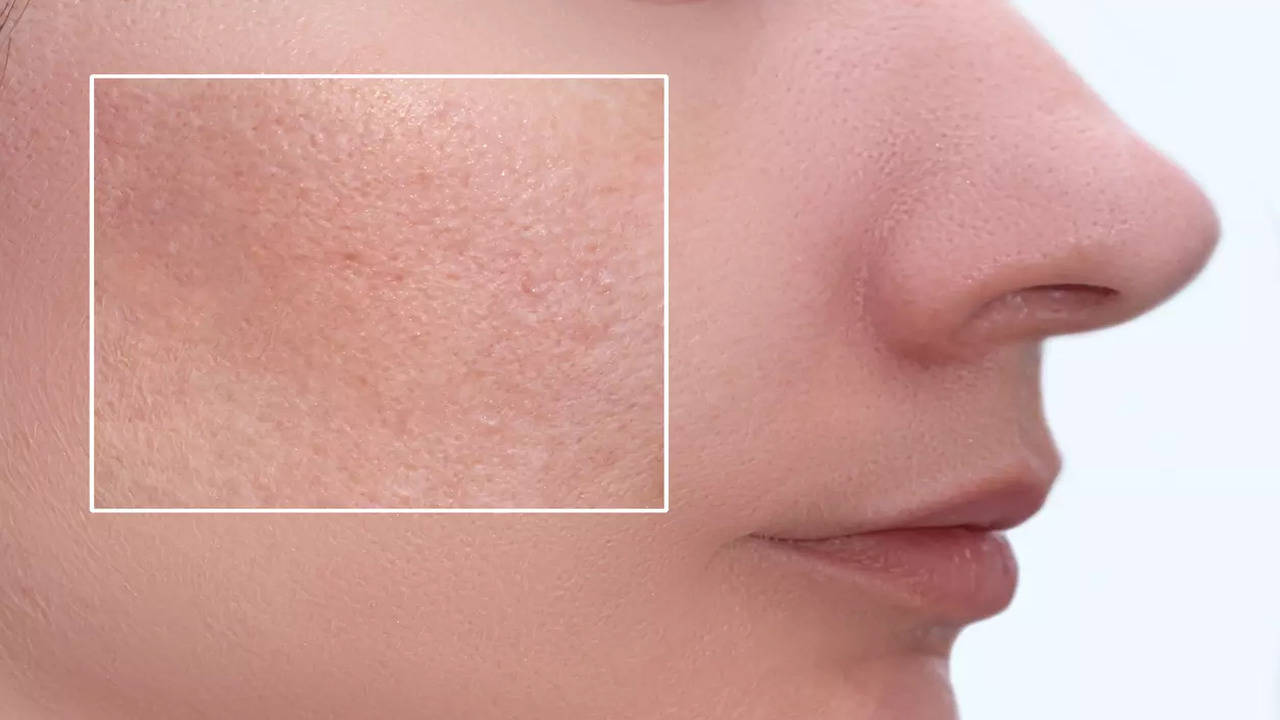
Digital tools are expanding their diagnostic capabilities to identify these more advanced stages of congestion. Advanced skin imaging and analysis platforms can now differentiate between a simple comedone and the early signs of inflammation, such as redness or the presence of a pustule. This early detection is crucial for timely intervention and preventing further exacerbation of skin conditions. The ability of these technologies to provide objective, data-driven assessments empowers individuals to understand the progression of their skin issues and seek appropriate, often tech-assisted, solutions.
Digital Solutions for Unclogging Pores: From Apps to Devices
The technological landscape offers a growing suite of tools designed to assist individuals in managing and treating clogged pores, moving beyond traditional topical treatments to more integrated and personalized approaches.
Smart Skincare Devices: Precision and Personalization
The realm of smart skincare devices is rapidly evolving, offering consumers sophisticated tools for at-home pore management. These devices often leverage various technologies to target clogged pores:
- Ultrasonic Skin Scrubbers: These devices use high-frequency vibrations to loosen dead skin cells and sebum, aiding in their removal from the pores. Many modern scrubbers offer different modes tailored to specific skin concerns, which can be selected based on app-guided analysis.
- Pore Vacuum Extractors: While traditionally a manual process, advanced pore vacuums employ gentle suction to draw out impurities from clogged pores. Smart versions often come with adjustable suction levels and different nozzle attachments, allowing for a customized approach based on skin sensitivity and the depth of the clog, often guided by app recommendations.
- LED Light Therapy Devices: Certain wavelengths of LED light, particularly blue light, have been shown to be effective in targeting acne-causing bacteria and reducing inflammation. Many at-home LED devices are now integrated with apps that guide users on treatment protocols and duration, contributing to a more comprehensive approach to pore health.
The integration of these devices with companion mobile applications is a key trend. These apps can track usage, offer personalized treatment plans based on initial skin scans, monitor progress, and provide reminders, creating a connected ecosystem for skin health management.
AI-Powered Skincare Apps: Personalized Recommendations and Progress Tracking
AI-powered skincare applications are at the forefront of democratizing sophisticated skin analysis and personalized care. These apps typically function in several ways:
- Skin Analysis: Users upload selfies under controlled lighting, and the AI analyzes the images to identify various skin concerns, including pore size, congestion, blackheads, and whiteheads. It can also assess skin hydration, texture, and the presence of hyperpigmentation.
- Personalized Product Recommendations: Based on the analysis, the AI generates tailored recommendations for skincare products. This goes beyond generic advice, suggesting specific ingredients known to help with clogged pores, such as salicylic acid, retinoids, or niacinamide, and even recommending specific brands or product lines.
- Routine Optimization: The apps can help users build and optimize their skincare routines, suggesting the order of application for different products and the frequency of use. They can also advise on lifestyle changes, such as diet or sleep, that may impact skin health.
- Progress Tracking: Users can regularly upload new photos to track their progress over time. The AI can then analyze these updates to assess the effectiveness of the recommended products and routines, making adjustments as needed.
These applications are transforming how individuals approach skincare, offering an accessible and data-driven way to understand and manage complex issues like clogged pores. By leveraging AI and digital imaging, they empower users with knowledge and personalized strategies for achieving clearer, healthier skin.
The Future of Clogged Pore Management: Predictive Analytics and Virtual Consultations
The intersection of technology and dermatology is continually expanding, promising even more sophisticated and proactive approaches to managing clogged pores and other skin concerns. The trajectory points towards a future where understanding and treating these issues becomes even more seamless and personalized.
Predictive Analytics for Skin Health
The future holds the potential for predictive analytics to play a significant role in skin health. By analyzing vast datasets that include an individual’s genetic predispositions, environmental exposures (e.g., climate data, pollution levels), lifestyle choices (tracked through wearables and apps), and historical skin data, AI algorithms may be able to predict an individual’s likelihood of developing clogged pores or other skin issues.
This proactive approach would allow for preventative interventions before pores become significantly clogged. For instance, an AI system might alert an individual that their current lifestyle and environmental conditions put them at higher risk for pore congestion in the coming weeks and suggest specific adjustments to their skincare routine or daily habits. This shift from reactive treatment to proactive prevention marks a significant evolution in how we manage our skin.
Enhanced Virtual Consultations and Tele-dermatology
While AI apps provide valuable insights, the human touch remains crucial. Tele-dermatology platforms are becoming increasingly sophisticated, enabling more comprehensive virtual consultations. Coupled with advanced imaging capabilities, these platforms allow dermatologists to remotely assess skin conditions with a high degree of accuracy.
Future developments will likely see even more integrated virtual consultation experiences. Imagine uploading detailed, high-resolution images of your skin to a secure platform, which are then analyzed by AI for preliminary assessment. This AI-generated report is then shared with a dermatologist, who can conduct a video consultation to provide a definitive diagnosis and personalized treatment plan. This seamless integration of AI analysis and expert medical advice streamlines the process of addressing clogged pores and other skin concerns, making professional dermatological care more accessible and efficient than ever before. The combination of advanced digital tools and expert human oversight promises a future where understanding and managing clogged pores is not just about treating a symptom, but about fostering long-term, data-informed skin health.
aViewFromTheCave is a participant in the Amazon Services LLC Associates Program, an affiliate advertising program designed to provide a means for sites to earn advertising fees by advertising and linking to Amazon.com. Amazon, the Amazon logo, AmazonSupply, and the AmazonSupply logo are trademarks of Amazon.com, Inc. or its affiliates. As an Amazon Associate we earn affiliate commissions from qualifying purchases.