
In the increasingly complex landscape of healthcare delivery and organizational equity, the acronym CLAS stands for Culturally and Linguistically Appropriate Services. While these standards originated within the United States Department of Health and Human Services (HHS) to address racial and ethnic disparities in health outcomes, their application has transcended clinical settings to become a cornerstone of organizational excellence, service design, and brand strategy. Understanding CLAS standards is no longer just a compliance exercise; it is a vital component of building a brand that resonates with a globalized, diverse audience.
When an organization aligns its operational strategy with CLAS, it shifts from a “one-size-fits-all” approach to a nuanced framework that prioritizes accessibility, dignity, and cultural relevance. This alignment is a strategic imperative that influences how a brand is perceived, how effectively it communicates, and how deeply it cultivates loyalty among diverse consumer segments.

The Core Pillars of CLAS Standards
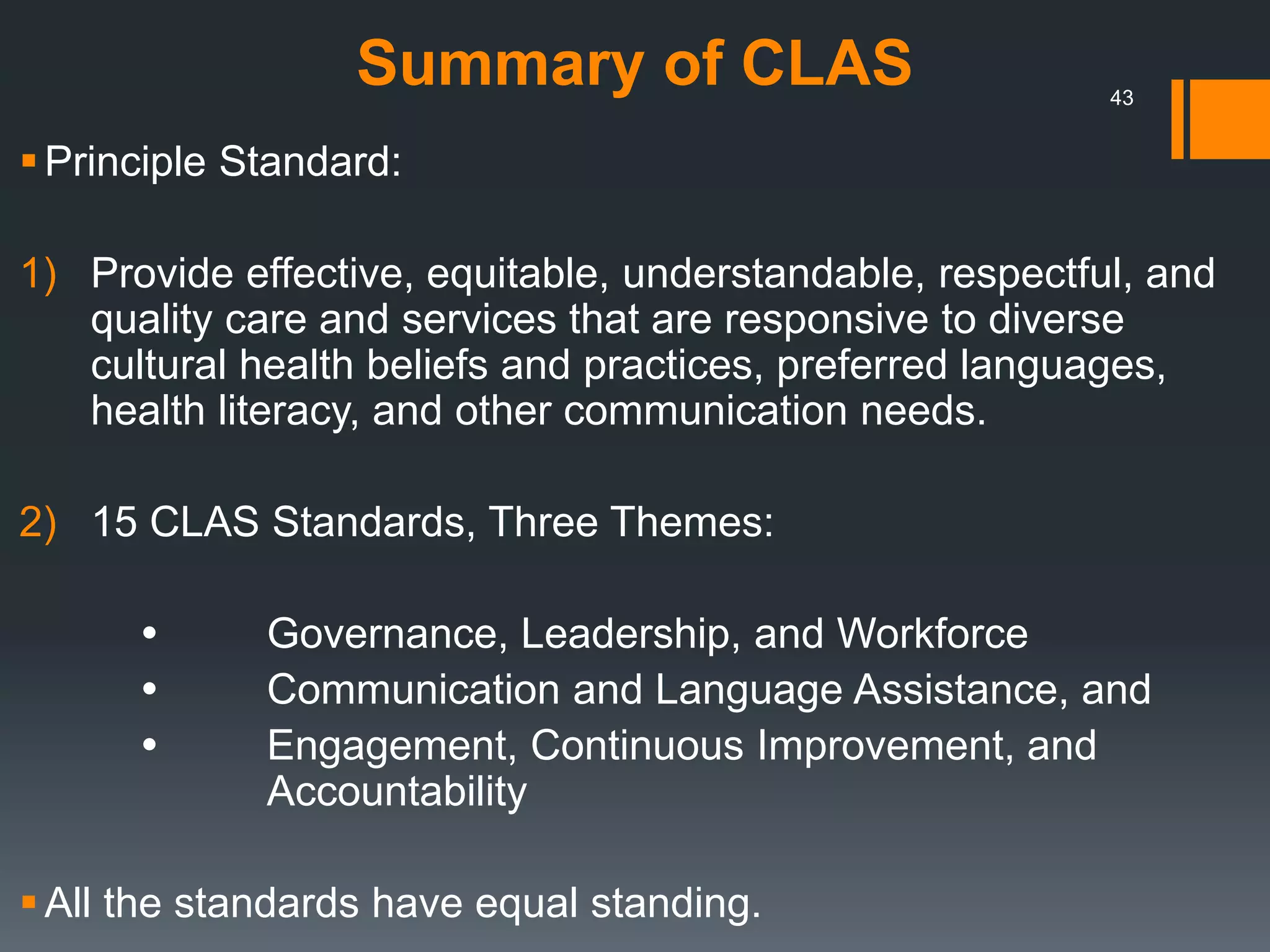
The National Standards for Culturally and Linguistically Appropriate Services in Health and Human Care consist of 15 action-oriented standards. These are categorized into three primary themes: Governance, Leadership, and Workforce; Communication and Language Assistance; and Engagement, Continuous Improvement, and Accountability.
Governance and Workforce Diversity
At the structural level, CLAS dictates that an organization must institutionalize cultural competence. This means that diversity cannot merely be a marketing tagline; it must be reflected in the boardroom and the front-line staff. For a brand to truly embody CLAS, its leadership must represent the community it serves. When the decision-makers share the cultural context of the consumer, the strategic output is naturally more empathetic and less prone to the “blind spots” that lead to failed marketing campaigns or alienated customer bases.
Communication and Language Assistance
Effective brand communication hinges on clarity. CLAS mandates that organizations offer language assistance to individuals who have limited English proficiency or other communication needs. In a broader business context, this translates to the localization of content. Providing services in multiple languages and ensuring that messaging is culturally adapted—not just translated word-for-word—is the gold standard of modern customer experience. By removing linguistic barriers, a brand demonstrates that it values the consumer’s identity, which in turn fosters trust and long-term brand equity.
Integrating CLAS into Modern Brand Strategy
Modern branding is fundamentally about connection. Consumers today gravitate toward brands that demonstrate shared values and show an genuine commitment to inclusivity. Implementing CLAS principles into a corporate strategy is one of the most effective ways to operationalize these values.
Beyond Compliance: Building Brand Equity
Compliance with federal standards is the floor, not the ceiling. Forward-thinking companies use the CLAS framework as a blueprint for market research and product development. By adopting the principles of “continuous improvement and accountability,” brands can establish a feedback loop with their most marginalized or overlooked consumers. This creates a virtuous cycle: the brand learns from the community, adjusts its services to be more inclusive, and in return, secures a loyal customer base that feels heard and understood.
When a brand invests in cultural and linguistic accessibility, it differentiates itself in a crowded marketplace. It signals to the public that it is not merely chasing demographic trends but is fundamentally built to be inclusive. This is the definition of a strong, purpose-driven brand identity.
Eliminating Bias in Marketing and Design
One of the most insidious threats to a brand’s reputation is the inadvertent propagation of cultural stereotypes in design and advertising. The CLAS standard of “Engagement, Continuous Improvement, and Accountability” provides a rigorous safeguard against this. By mandating regular audits of organizational communications and engaging diverse stakeholders in the review process, brands can identify potential biases before they reach the public sphere.

This approach transforms design from an aesthetic task into an ethical one. Designers and marketers who operate under these principles recognize that every image, font choice, and narrative arc carries weight. By vetting creative output through a lens of cultural appropriateness, brands avoid the backlash that often results from tone-deaf or culturally insensitive content.
Operationalizing Inclusivity as a Business Asset
The transition from viewing CLAS as a clinical regulatory requirement to viewing it as a business asset requires a fundamental shift in mindset. Organizations that succeed in this transformation treat cultural intelligence (CQ) as a vital performance indicator.
Training and Development as a Cultural Catalyst
The CLAS standards emphasize the importance of ongoing training. For an organization to remain relevant, its workforce must be educated on the nuances of the communities they serve. This involves more than simple “sensitivity training”; it involves comprehensive professional development that empowers employees to navigate complex cultural landscapes.
From a brand strategy perspective, an educated workforce is a brand-ambassador team. When staff members understand the nuances of the audience, the consistency of the brand message improves. Every touchpoint—from customer support chats to social media interactions—becomes an opportunity to reinforce the brand’s promise of inclusivity and respect.
Leveraging Data for Equitable Outcomes
Data is the lifeblood of modern business, yet data can often reflect the biases of those who collect it. CLAS standards encourage the collection and utilization of data to monitor and evaluate the impact of services. For a brand, this means analyzing customer experience data through the lens of demographics and accessibility.
Are specific customer segments having more trouble navigating your website? Are there linguistic gaps in your knowledge base that prevent certain users from resolving their issues? By applying the rigorous data-gathering standards suggested by CLAS, companies can identify these gaps and solve them systematically. This move toward data-driven inclusivity not only improves the user experience but also broadens the brand’s reach, allowing it to penetrate markets that were previously inaccessible due to hidden barriers.
The Future of Brand Sustainability
As global markets become increasingly interconnected, the “standard” consumer is a rapidly evolving concept. A brand that ignores the principles of Culturally and Linguistically Appropriate Services risks becoming irrelevant or, worse, becoming a target of social criticism for exclusionary practices.
Building Resilience Through Inclusivity
Resilience in business is defined by the ability to adapt to changing environments. By internalizing CLAS standards, organizations create a robust foundation that can withstand social shifts. When a company is built on a framework of respect, accessibility, and accountability, it is inherently more flexible. It is better equipped to enter new international markets, pivot its messaging to address social movements, and maintain its reputation during times of crisis.
The Competitive Advantage of Empathy
Perhaps the most significant realization for modern businesses is that empathy is a competitive advantage. The CLAS standards are, at their core, an expression of empathy institutionalized. When a brand prioritizes the needs of the individual, adapts its language to meet the user where they are, and takes responsibility for its impact on diverse communities, it builds a level of trust that no amount of advertising spend can manufacture.
In conclusion, CLAS standards provide a sophisticated, proven framework for any organization seeking to align its operations with the values of a modern, diverse society. Whether in healthcare, technology, or retail, the goal remains the same: to deliver services that are not only effective but also universally accessible and culturally resonant. By embracing these standards, brands do more than just follow guidelines; they position themselves as leaders in a new era of business—one where success is defined not just by profit, but by the integrity and breadth of the connections a brand forms with its audience. The path forward is one of inclusivity, and the tools to navigate that path are found within the principles of CLAS.
aViewFromTheCave is a participant in the Amazon Services LLC Associates Program, an affiliate advertising program designed to provide a means for sites to earn advertising fees by advertising and linking to Amazon.com. Amazon, the Amazon logo, AmazonSupply, and the AmazonSupply logo are trademarks of Amazon.com, Inc. or its affiliates. As an Amazon Associate we earn affiliate commissions from qualifying purchases.