
In the rapidly evolving landscape of medical technology, few innovations have altered the trajectory of human health as profoundly as checkpoint inhibitors. While the term may sound like a concept from cybersecurity or network infrastructure, checkpoint inhibitors actually represent the cutting edge of biotechnology. They are a class of immunotherapy drugs that have fundamentally “reprogrammed” how we approach the treatment of complex diseases like cancer. By treating the human immune system as a sophisticated biological computer, researchers have developed these inhibitors to act as a software patch, unlocking the body’s innate ability to identify and neutralize threats that were previously invisible to it.
Understanding checkpoint inhibitors requires a shift in perspective: from seeing medicine as a chemical intervention to seeing it as a high-tech interface with biological systems. This article explores the technological architecture of checkpoint inhibitors, the role of AI in their discovery, and the digital future of precision oncology.
The Bio-Tech Architecture: How Checkpoint Inhibitors Re-program the Immune System
To understand what checkpoint inhibitors are from a technical standpoint, one must first view the immune system as a complex network of security protocols. In a healthy body, the immune system uses “checkpoints”—molecules on certain immune cells that need to be activated or inactivated to start an immune response. These act as fail-safes to prevent the system from attacking healthy cells, much like an authentication protocol in a secure digital environment.
The T-Cell Interface and Biological Firewalls
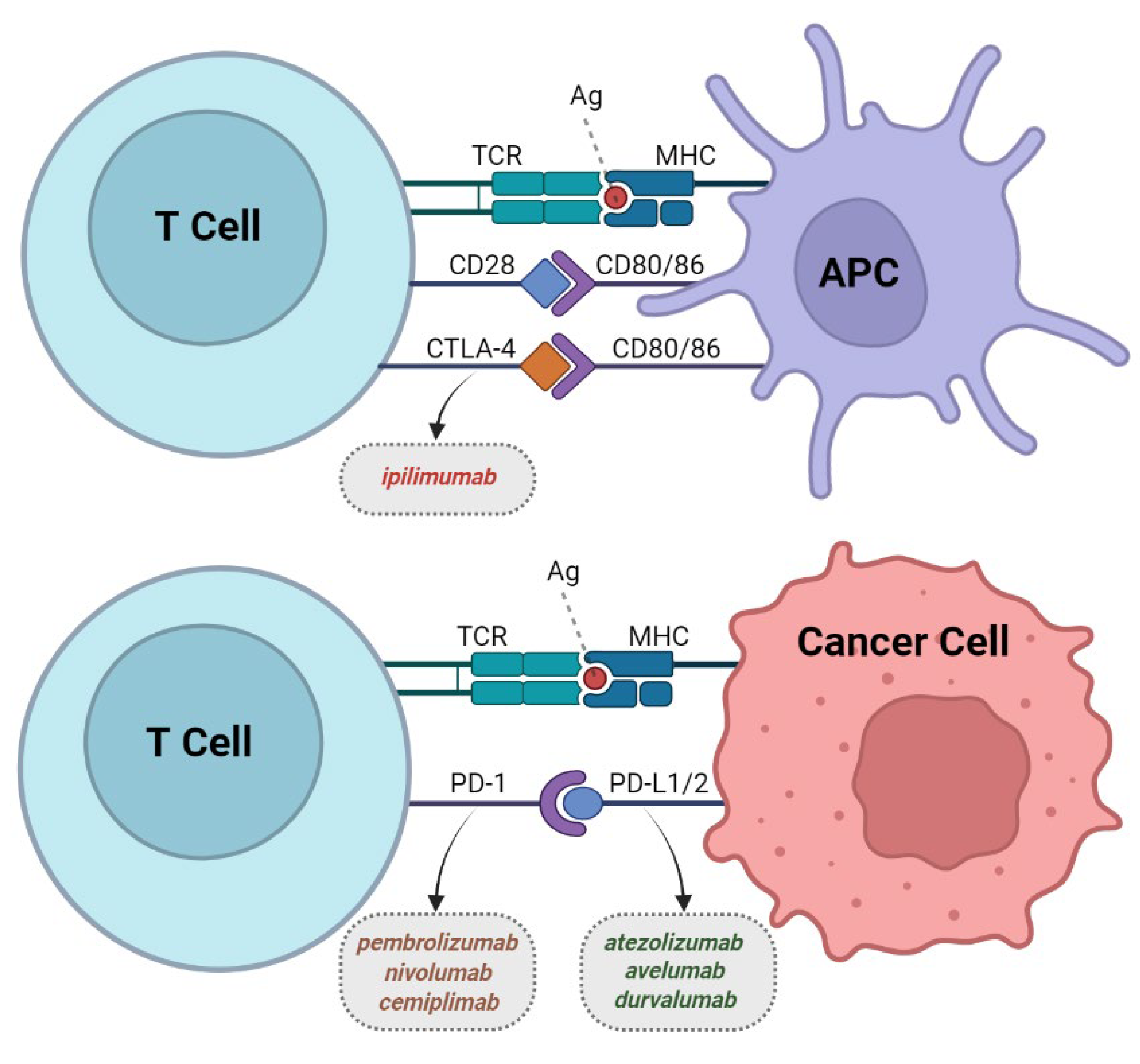
The “hardware” of this system is the T-cell, a type of white blood cell that patrols the body for pathogens. Under normal circumstances, T-cells use surface receptors to scan other cells. If a cell presents as “foreign,” the T-cell initiates a destruction sequence. However, cancer cells are the ultimate biological hackers; they learn to express specific proteins that bind to these T-cell checkpoints, sending a “false signal” that tells the T-cell to stand down. This creates a biological firewall that protects the tumor from the body’s natural defenses.
Biological Protocols: PD-1 and CTLA-4
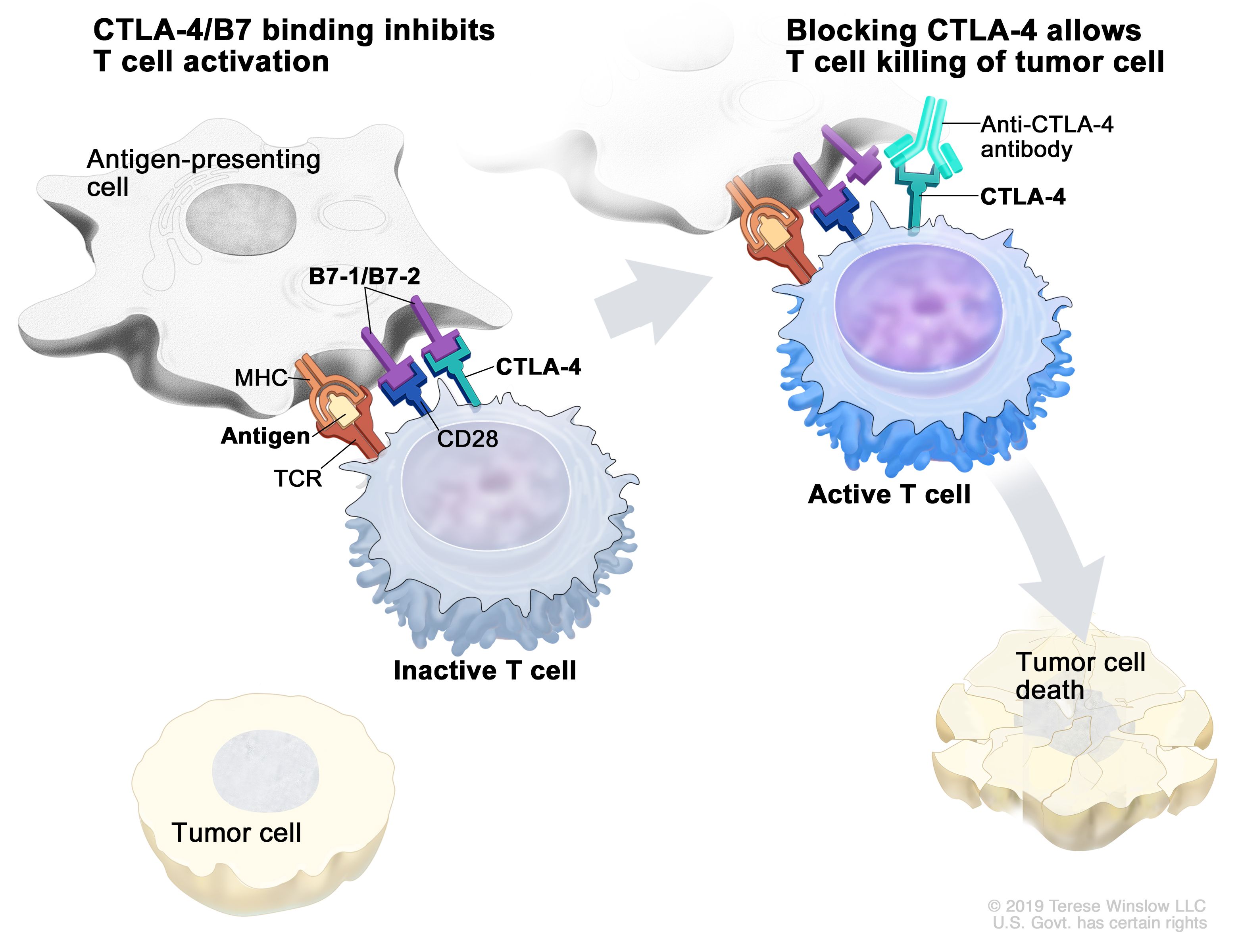
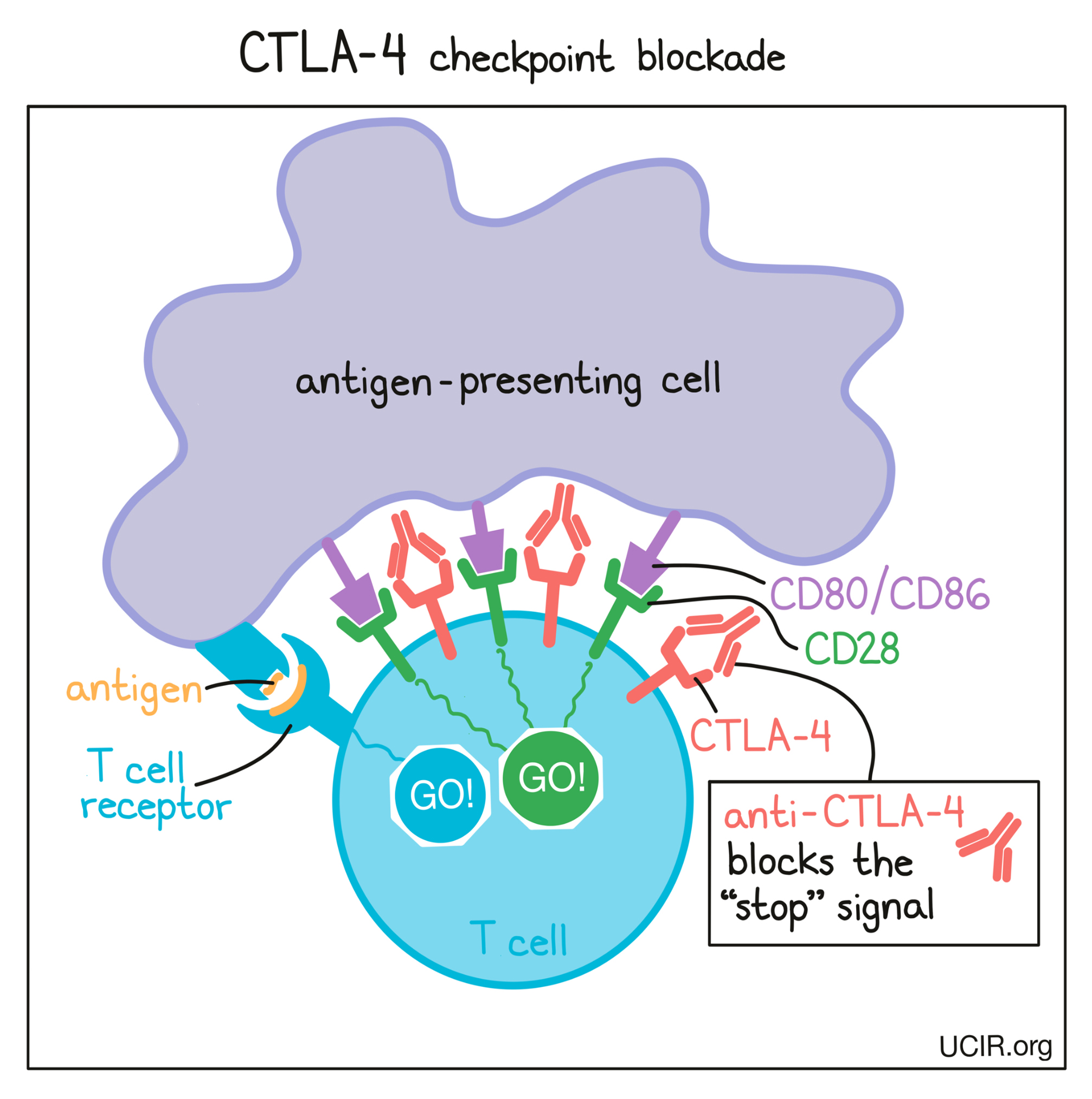
The two most prominent “protocols” targeted by current biotechnology are PD-1 (Programmed Cell Death Protein 1) and CTLA-4 (Cytotoxic T-Lymphocyte-Associated Protein 4). Checkpoint inhibitors are engineered monoclonal antibodies—essentially biological “keys”—designed to plug into these receptors. By blocking the PD-1 or CTLA-4 interface, the drugs prevent the tumor cells from sending the “stop” signal. This effectively “reboots” the immune system, allowing T-cells to recognize and attack the cancer. This process is less about the drug killing the cancer and more about the drug updating the immune system’s threat-detection software.
AI and Machine Learning: Accelerating the Discovery of Next-Gen Inhibitors
The discovery of the first checkpoint inhibitors took decades of traditional laboratory research. Today, the tech sector has integrated deeply with oncology, utilizing Artificial Intelligence (AI) and Machine Learning (ML) to accelerate the identification of new molecular targets. The search for the next generation of inhibitors is no longer just a biological challenge; it is a computational one.
Predictive Modeling in Immuno-Oncology
AI algorithms are now being used to predict which patients will respond to specific checkpoint inhibitors. By analyzing massive datasets of genetic information, protein expressions, and clinical outcomes, machine learning models can identify patterns that human researchers might miss. For instance, tools like AlphaFold, developed by Google’s DeepMind, have revolutionized our understanding of protein folding. Since checkpoint inhibitors are protein-based drugs, the ability to computationally model how an antibody will interact with a checkpoint receptor saves years of “wet lab” trial and error.
Digital Twins and Simulation
One of the most exciting trends in health-tech is the development of “digital twins”—virtual representations of a patient’s biological system. Researchers can use these digital models to simulate how a specific checkpoint inhibitor will interact with a patient’s unique immune profile. This technological simulation allows for “in-silico” testing, where thousands of variables can be adjusted instantly. By the time a drug enters a physical clinical trial, AI has already performed millions of simulations to optimize the dosage and delivery mechanism, significantly increasing the probability of success.
Precision Medicine and the Data Stack
The efficacy of checkpoint inhibitors is highly dependent on the individual’s genetic makeup. This has led to the rise of “Precision Medicine,” a field that treats healthcare as a data-driven enterprise. To make checkpoint inhibitors effective, clinicians must manage a massive “data stack” associated with each patient.
Genomic Sequencing as Big Data
Every tumor has a unique genetic signature. Through Next-Generation Sequencing (NGS), technology allows us to digitize the genome of both the patient and the tumor. This produces terabytes of data that must be processed to determine if a patient is a candidate for checkpoint inhibitor therapy. High-performance computing (HPC) environments are required to analyze these sequences in real-time. We are moving toward a future where a “biochemical fingerprint” is uploaded to a cloud-based diagnostic engine, which then recommends the exact inhibitor protocol tailored to that individual’s DNA.
IoT and Wearables in Patient Monitoring
Because checkpoint inhibitors “unleash” the immune system, they can sometimes lead to immune-related adverse events (irAEs)—the biological equivalent of a system over-correction. To manage this, the tech industry has introduced Internet of Things (IoT) devices and sophisticated wearables. Patients undergoing immunotherapy are often equipped with biosensors that monitor heart rate, temperature, and blood oxygen levels in real-time. This data is streamed to a central monitoring platform, using predictive analytics to alert doctors to potential side effects before they become critical. This integration of hardware and software ensures that the “reprogrammed” immune system remains within safe operating parameters.
The Future of Health-Tech: Beyond Monoclonal Antibodies
As we look toward the next decade, the technology surrounding checkpoint inhibitors is moving beyond the administration of simple drugs. We are entering an era of integrated bio-digital systems where nanotechnology and gene editing play central roles.
Nanotechnology Integration
One of the primary challenges with current checkpoint inhibitors is systemic delivery—the drug goes everywhere in the body, which can cause side effects. The next tech frontier is “smart delivery” via nanobots or lipid nanoparticles. These microscopic machines can be programmed to release the inhibitor only when they reach the specific environmental conditions of a tumor (such as a certain pH level). This “geofencing” of drug delivery represents a massive leap in how we apply biological tech, ensuring that the immune system is only “unlocked” where it is needed.
CRISPR and Gene-Editing Synchronicity
The convergence of CRISPR-Cas9 technology and checkpoint inhibition is perhaps the most ambitious trend in the industry. Rather than injecting an inhibitor, scientists are exploring the possibility of using gene-editing tools to permanently “patch” a patient’s T-cells. By using CRISPR to knock out the gene responsible for the PD-1 receptor, researchers can create a line of “super-immune” cells that are inherently resistant to the tumor’s “stand down” signals. This is effectively moving from a “software-as-a-service” model (regular drug injections) to a “firmware update” (permanent genetic change).
Conclusion: The Convergence of IT and Biology
Checkpoint inhibitors are more than just a medical breakthrough; they are a testament to the power of technological convergence. By viewing the human body through the lens of complex systems engineering, we have unlocked a new paradigm of treatment. We are no longer limited to toxic chemicals that attack cells indiscriminately; we now have the “code” to enable the body to heal itself.
As AI continues to refine our predictive capabilities, as big data streamlines personalized medicine, and as nanotechnology provides precise delivery systems, the definition of a “checkpoint inhibitor” will continue to evolve. It stands as a beacon of the modern tech era—a perfect harmony between the digital tools we build and the biological machines we inhabit. In the fight against disease, the most powerful tool we have is no longer just the microscope, but the algorithm.
aViewFromTheCave is a participant in the Amazon Services LLC Associates Program, an affiliate advertising program designed to provide a means for sites to earn advertising fees by advertising and linking to Amazon.com. Amazon, the Amazon logo, AmazonSupply, and the AmazonSupply logo are trademarks of Amazon.com, Inc. or its affiliates. As an Amazon Associate we earn affiliate commissions from qualifying purchases.