
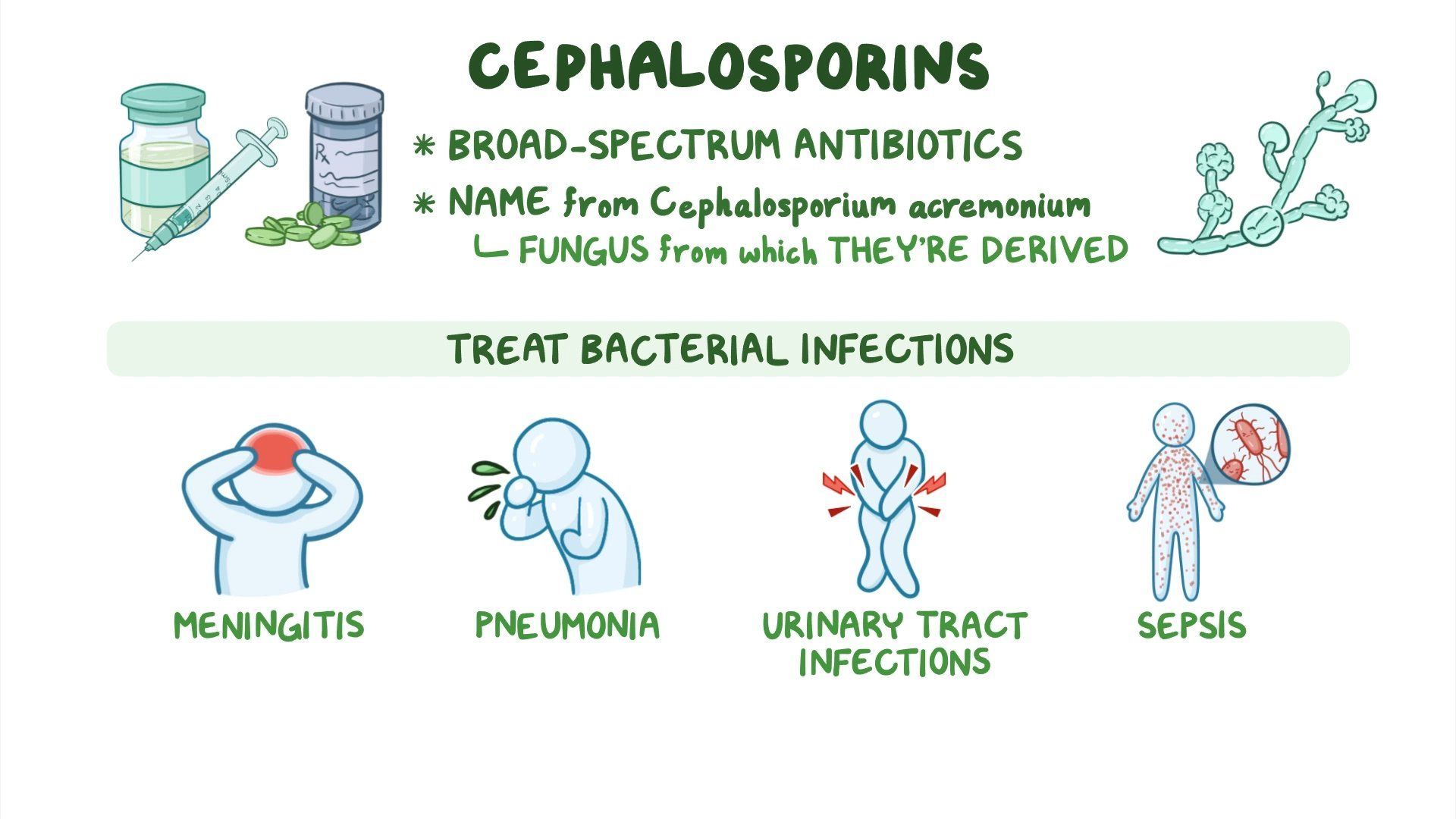
Cephalosporins, a widely recognized class of beta-lactam antibiotics, have been a cornerstone of modern medicine for decades, playing a critical role in combating a vast array of bacterial infections. Yet, beyond their biochemical mechanisms and clinical applications, lies a profound narrative of technological innovation that underpins their very existence, efficacy, and continued relevance in a rapidly evolving medical landscape. This article will explore cephalosporins not merely as pharmaceutical compounds, but as products and subjects of sophisticated technological advancements, from their initial discovery and synthesis to their ongoing management in an era defined by artificial intelligence, digital health, and advanced manufacturing.
The Technological Genesis of Antibiotic Discovery
The journey from a naturally occurring mold to a life-saving drug like a cephalosporin is a testament to persistent scientific inquiry and evolving technological capabilities. The initial isolation and characterization of cephalosporins were feats of early biochemical engineering, paving the way for targeted drug development.
Early Pharmaceutical Innovation and Isolation Techniques
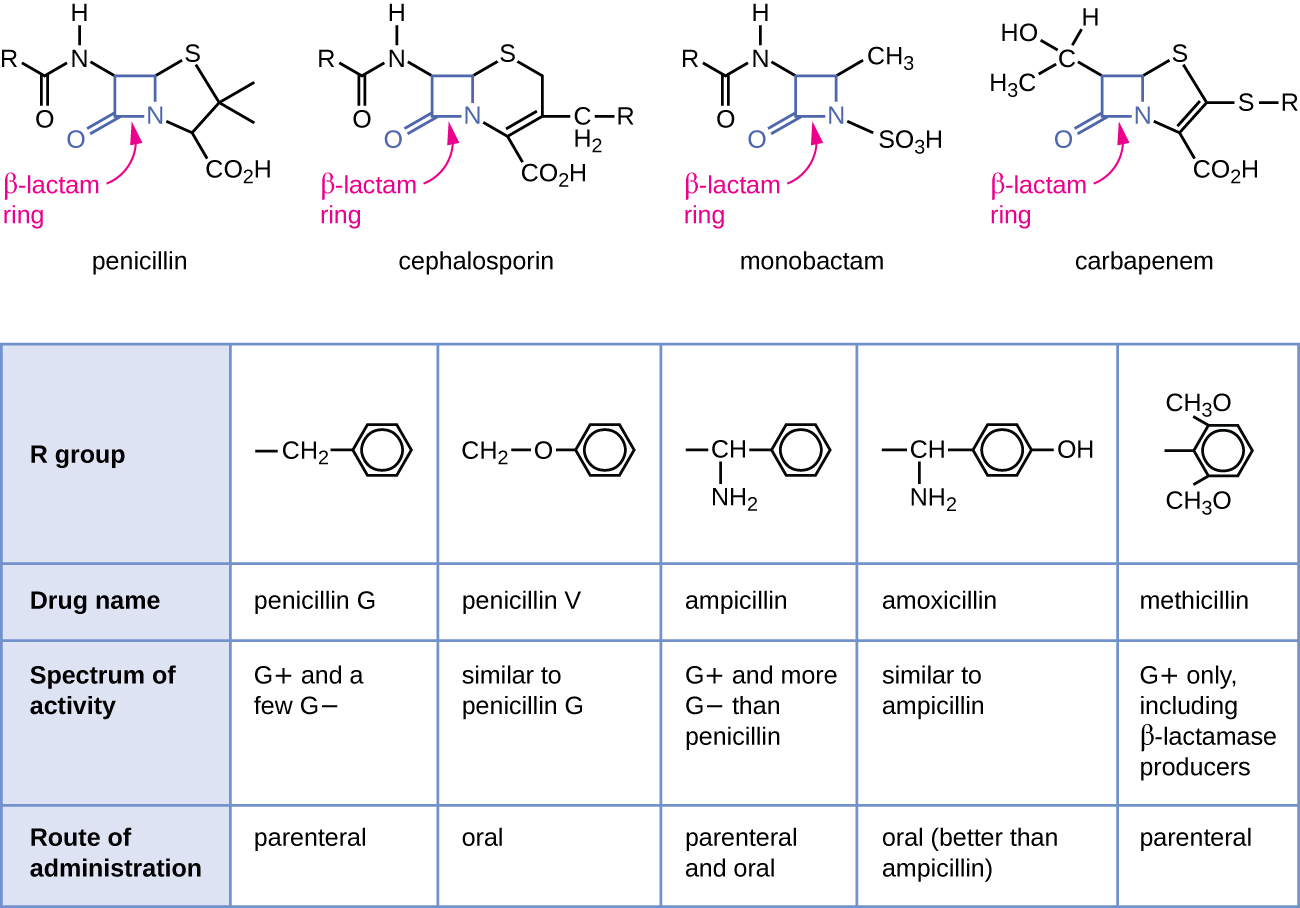
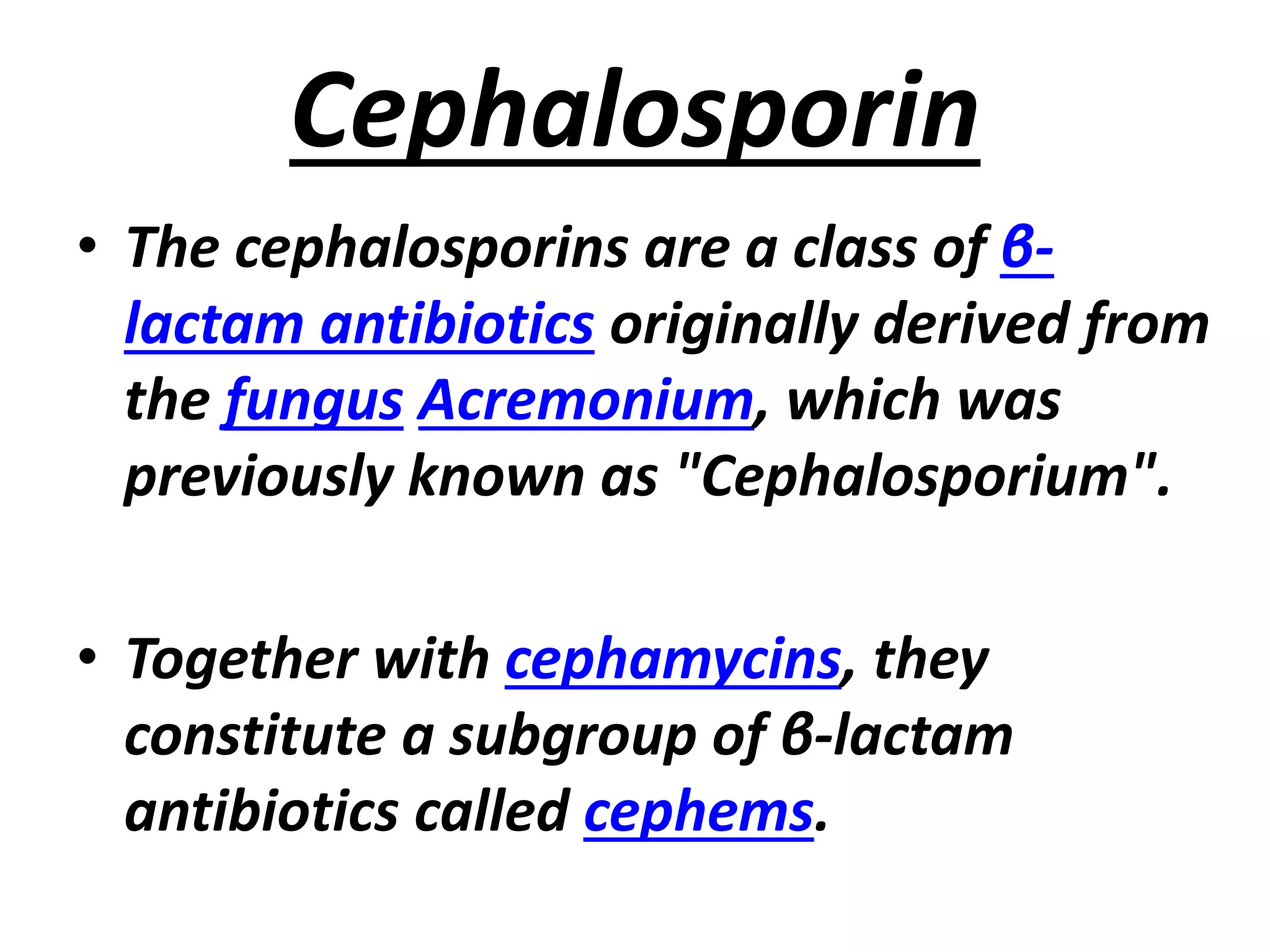
The discovery of cephalosporins originated from the observation of Cephalosporium acremonium mold by Giuseppe Brotzu in Sardinia in 1948. His work, and subsequent research by scientists at the University of Oxford, involved painstaking processes of microbial culturing, filtration, and chemical extraction. These early methods, though rudimentary by today’s standards, represented cutting-edge biotechnology of their time. The ability to isolate specific active compounds from complex biological mixtures, purify them, and test their antimicrobial properties laid the foundational technological groundwork for modern pharmacology. It required novel laboratory equipment, refined sterilization techniques, and systematic chemical analysis—each a technological hurdle overcome. The initial characterization of cephalosporin C, with its distinct beta-lactam ring, was crucial, providing the blueprint for future synthetic modifications.
High-Throughput Screening and Computational Drug Design
Fast forward decades, and the discovery paradigm has been revolutionized by information technology and automation. While the first cephalosporins were found serendipitously, modern pharmaceutical development leverages high-throughput screening (HTS) and computational drug design to accelerate the identification of new antibiotic candidates or modifications. HTS platforms, utilizing robotics and advanced sensors, can screen millions of compounds against bacterial targets in a fraction of the time it would take manually. This massive data generation capability is then complemented by computational drug design. Software tools perform molecular modeling, simulating how potential drug candidates, including novel cephalosporin derivatives, might interact with bacterial enzymes or receptors. This in silico approach predicts efficacy, toxicity, and pharmacokinetic properties, significantly reducing the need for costly and time-consuming in vitro and in vivo experiments. These technologies allow researchers to rationally design cephalosporins with enhanced potency, broader spectrum activity, or improved resistance profiles, moving beyond mere trial-and-error.
Advanced Manufacturing and Delivery Technologies
The transition from lab-scale discovery to mass production and effective patient delivery of cephalosporins involves a sophisticated interplay of chemical engineering, materials science, and biotechnological processes.
Precision Fermentation and Synthetic Chemistry at Scale
Producing cephalosporins at a global scale requires highly optimized manufacturing processes. Initially, many antibiotics, including early cephalosporins, relied heavily on fermentation, a biological process. Modern biotechnology has refined this with precision fermentation, where genetically engineered microorganisms are used to produce specific precursors or even the antibiotic itself with higher yields and purity. This involves advanced bioreactor design, real-time process monitoring using sophisticated sensors, and computational control systems to maintain optimal conditions for microbial growth and product synthesis. For semi-synthetic cephalosporins, which involve chemically modifying a natural core structure, advanced synthetic chemistry techniques are paramount. These include catalyst development, green chemistry principles to reduce environmental impact, and process analytical technology (PAT) to ensure consistent quality and efficiency. These technologies are crucial for meeting global demand, reducing production costs, and ensuring the consistent quality and safety of these essential medicines.
Smart Drug Delivery Systems and Nanotechnology
Beyond production, the efficacy of cephalosporins can be further enhanced by innovative delivery technologies. Traditional oral or intravenous administration may have limitations in terms of bioavailability, targeted delivery, or maintaining consistent therapeutic levels. Nanotechnology, for instance, is exploring ways to encapsulate cephalosporins within nanoparticles or liposomes. These “smart” delivery systems can improve drug solubility, protect the antibiotic from degradation, or even target specific infection sites, thereby reducing systemic side effects and potentially overcoming resistance mechanisms by delivering higher local concentrations. Implantable devices, microneedle patches, and advanced inhalation systems are also examples of how materials science and engineering are being leveraged to administer cephalosporins more effectively, leading to better patient outcomes and adherence, especially in complex or chronic infections.
AI and Data Analytics in Antibiotic Stewardship
The rise of antimicrobial resistance (AMR) is a major global health crisis, threatening to nullify the effectiveness of antibiotics like cephalosporins. Technology, particularly artificial intelligence and big data analytics, is emerging as a critical tool in the fight to preserve antibiotic efficacy and guide responsible usage.
Predicting Antimicrobial Resistance with Machine Learning
AI and machine learning (ML) algorithms are transforming our ability to understand, predict, and combat AMR. By analyzing vast datasets—including genomic sequences of bacteria, clinical outcomes, prescription patterns, and geographical resistance trends—ML models can identify emergent resistance patterns specific to cephalosporins and other antibiotic classes. These tools can predict which strains of bacteria are likely to develop resistance to certain drugs, allowing clinicians and public health officials to anticipate outbreaks and implement preventative strategies. For instance, ML can process bacterial whole-genome sequencing data to quickly identify resistance genes, informing faster and more accurate treatment decisions. This predictive capability is vital for preserving the utility of existing antibiotics and guiding the development of new ones.
Personalized Treatment Algorithms and Clinical Decision Support
One of the most promising applications of AI in antibiotic stewardship is the development of personalized treatment algorithms. Rather than relying on generalized guidelines, AI-powered clinical decision support systems can integrate a patient’s unique data—such as medical history, allergies, current infection details, local resistance epidemiology, and even genomic information—to recommend the most effective cephalosporin, dosage, and duration. These systems can help physicians choose the narrowest spectrum antibiotic possible, reducing unnecessary broad-spectrum use that contributes to resistance. They can also flag potential drug interactions or adverse events, improving patient safety. By providing real-time, evidence-based recommendations, these technologies empower healthcare providers to make more informed decisions, optimizing individual patient care while contributing to broader efforts to combat AMR.
Digital Health and Global Antibiotic Management
The global management of antibiotics, including cephalosporins, extends beyond the clinic, relying heavily on digital infrastructure for surveillance, education, and supply chain integrity.
Telemedicine, Remote Prescribing, and Diagnostic Apps
Digital health platforms are revolutionizing access to and management of antibiotics. Telemedicine allows for remote consultations, enabling patients in underserved areas to access expert medical advice and, where appropriate, receive prescriptions for cephalosporins without a physical visit. Coupled with point-of-care diagnostic apps that can quickly identify bacterial infections and their susceptibility profiles, these technologies streamline the diagnostic-to-treatment pathway. Secure digital prescription systems reduce errors and provide valuable data for surveillance. While remote prescribing necessitates careful regulatory oversight to prevent misuse, its potential for expanding access and improving efficiency in antibiotic delivery, especially during public health crises, is undeniable.
Supply Chain Optimization with Blockchain and IoT
Ensuring a steady and secure supply of essential medicines like cephalosporins globally is a complex logistical challenge. Technologies like blockchain and the Internet of Things (IoT) are offering unprecedented solutions for supply chain optimization and security. Blockchain can create an immutable, transparent ledger of an antibiotic’s journey from manufacturer to patient, verifying authenticity and combating counterfeiting—a significant problem in the pharmaceutical industry. IoT sensors can monitor storage conditions (temperature, humidity) throughout the supply chain, ensuring product integrity and preventing degradation. This level of traceability and transparency enhances patient safety, improves inventory management, reduces waste, and helps ensure that cephalosporins are available where and when they are needed most, especially in remote or crisis-affected regions.
Future Technological Horizons in Antibiotic Research
The ongoing battle against resistance, coupled with the slow pace of new antibiotic discovery, demands continuous innovation. Future technologies promise to open entirely new avenues for understanding, developing, and deploying antibiotics like cephalosporins.
Novel Modalities and Gene Editing Technologies
Beyond traditional small-molecule antibiotics, future technologies are exploring entirely new therapeutic modalities. Phage therapy, using viruses that specifically target bacteria, is experiencing a resurgence, buoyed by genomic sequencing and synthetic biology tools that allow for precise phage selection and engineering. CRISPR-Cas gene editing, while primarily known for its role in human gene therapy, also holds immense potential in antibiotic research. It could be used to directly target and disable bacterial resistance genes, or to engineer bacteria to be more susceptible to existing antibiotics. Furthermore, advancements in synthetic biology are enabling the design of novel antimicrobial peptides and other biomolecules with unique mechanisms of action, offering alternatives or adjuncts to existing classes like cephalosporins. These technologies represent a radical shift from conventional drug discovery, providing powerful new weapons in the antimicrobial arsenal.
Addressing Resistance with Innovative Tech Beyond Drugs
The fight against resistance is not solely about discovering new drugs; it’s also about innovative technological approaches that augment or replace traditional antibiotic use. Diagnostic technologies are becoming faster and more precise, allowing for rapid identification of pathogens and their resistance profiles, leading to more targeted and effective use of cephalosporins. Wearable sensors and continuous monitoring devices could detect early signs of infection, enabling timely intervention before infections escalate and require heavy antibiotic courses. Furthermore, advancements in sanitation technology, water purification systems, and even personalized hygiene solutions contribute indirectly by reducing the overall burden of bacterial infections, thereby decreasing the pressure for antibiotic use. These broader technological interventions, while not antibiotics themselves, are crucial components of a holistic strategy to preserve the efficacy of cephalosporins and ensure a future where bacterial infections remain treatable.
In conclusion, cephalosporins antibiotics, while fundamentally chemical compounds, are inextricably linked to a rich tapestry of technological innovation. From their initial isolation and subsequent synthetic modifications to their large-scale production, precise delivery, intelligent management via AI, and global distribution through digital platforms, technology has been and will continue to be the driving force behind their past successes and future potential in safeguarding public health against bacterial threats. Understanding cephalosporins through this technological lens offers a more complete picture of their significance and the ongoing efforts required to maintain their effectiveness.
aViewFromTheCave is a participant in the Amazon Services LLC Associates Program, an affiliate advertising program designed to provide a means for sites to earn advertising fees by advertising and linking to Amazon.com. Amazon, the Amazon logo, AmazonSupply, and the AmazonSupply logo are trademarks of Amazon.com, Inc. or its affiliates. As an Amazon Associate we earn affiliate commissions from qualifying purchases.