
In the current economic climate, investors and savers alike are closely monitoring the fluctuating landscape of interest rates. For those seeking a balance between security and yield, Certificates of Deposit (CDs) have re-emerged as a cornerstone of a conservative financial strategy. After years of near-zero interest rates, the recent shifts in Federal Reserve policy have pushed CD rates to levels not seen in over a decade. Understanding what CD rates are today requires more than just looking at a single percentage; it involves understanding the macroeconomic factors at play, the different types of products available, and how to strategically position your capital to maximize returns while maintaining liquidity.
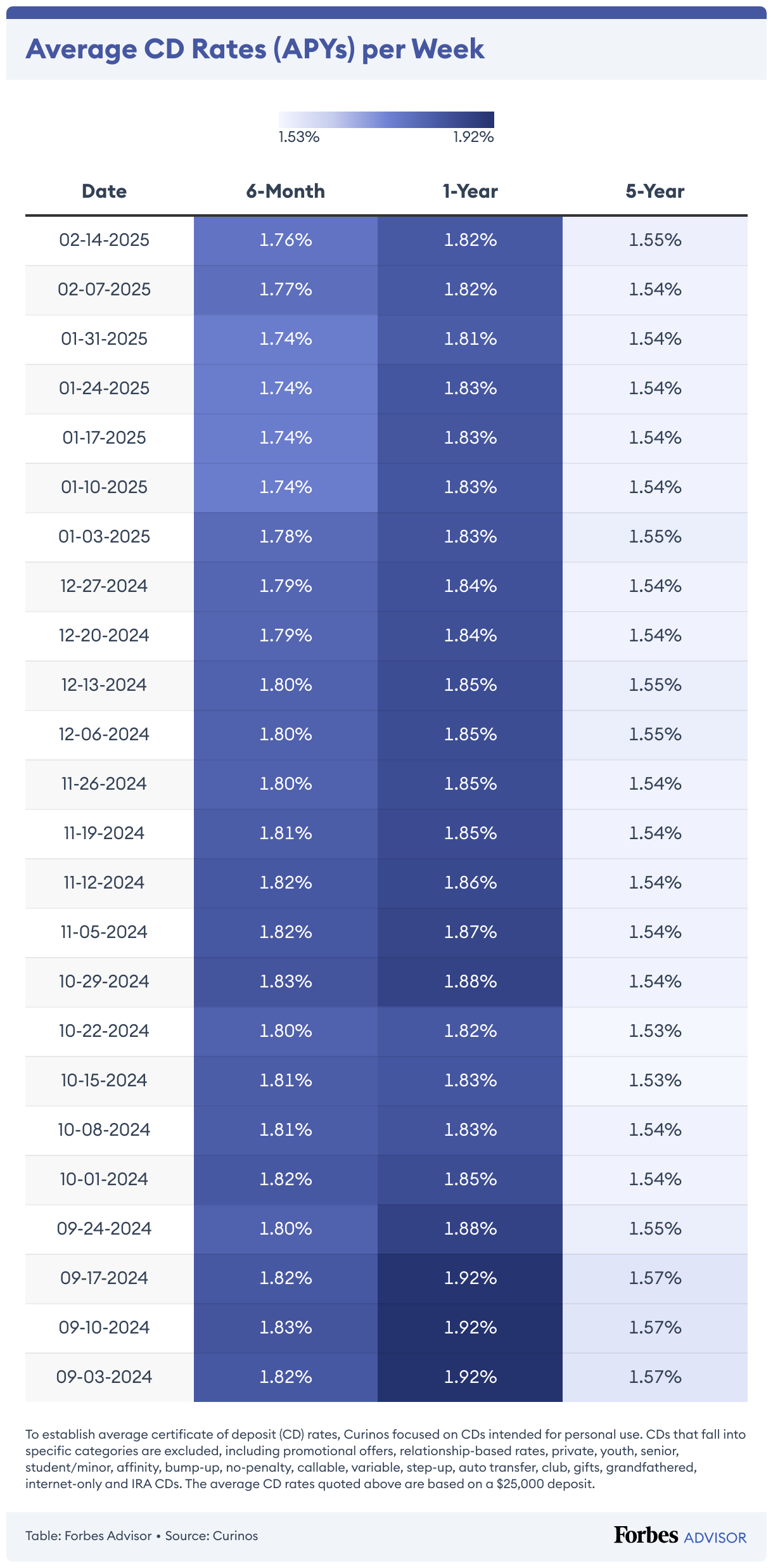
The Current Landscape of CD Rates
The trajectory of CD rates is inextricably linked to the actions of the Federal Reserve. When the Fed raises the federal funds rate to combat inflation, commercial banks typically follow suit by increasing the interest rates they offer on deposit products. Today, we find ourselves in a “higher-for-longer” interest rate environment. This means that while the rapid hikes of previous years may have paused, rates remain at a restrictive level to ensure inflation returns to its 2% target.
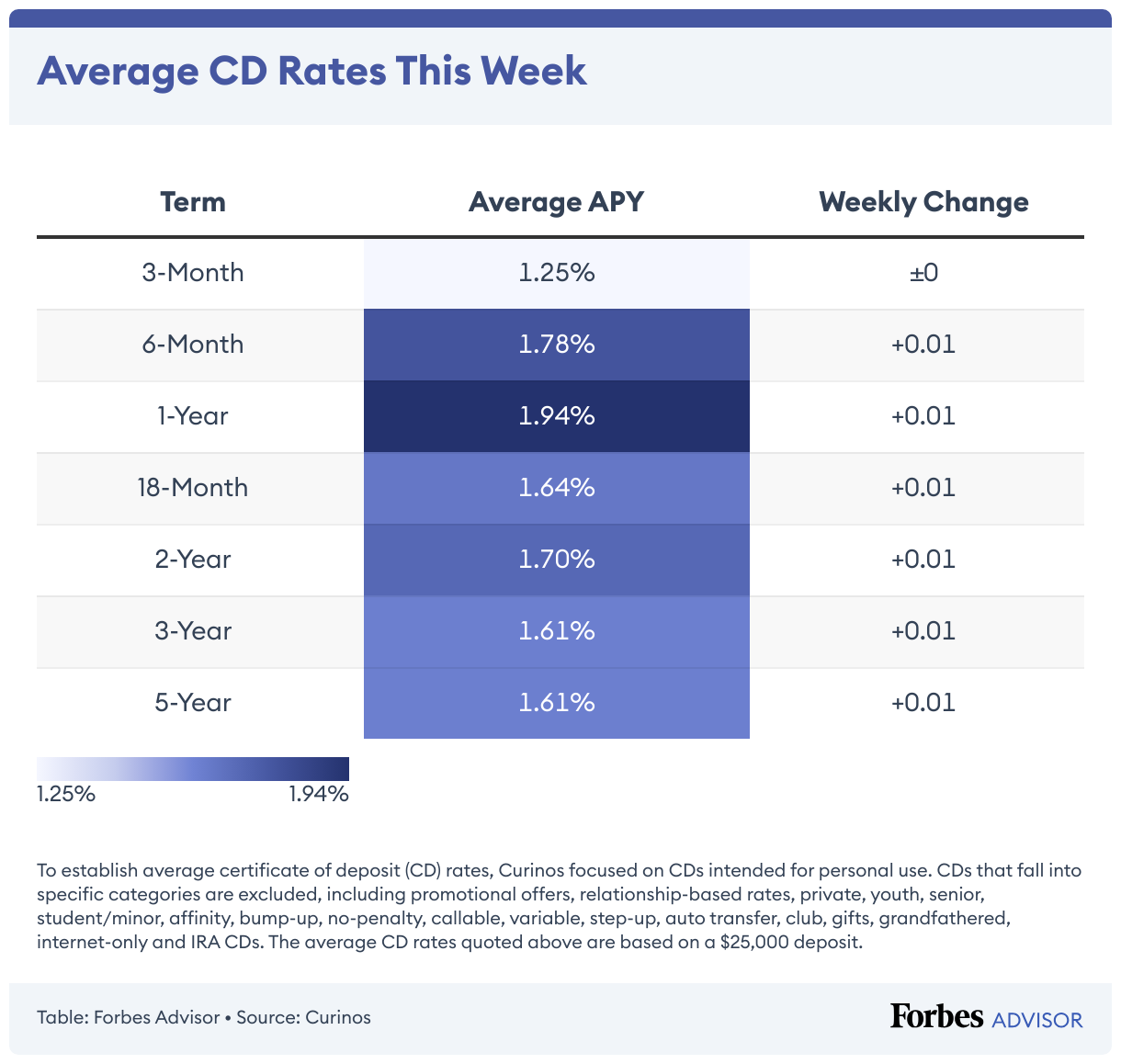
As of the current market cycle, top-tier high-yield CDs are frequently offering annual percentage yields (APYs) ranging from 4.00% to well over 5.00%, depending on the term and the institution. Interestingly, the market is currently experiencing what economists call an inverted yield curve. In a standard economic environment, you would expect a 5-year CD to offer a higher rate than a 1-year CD because you are locking your money away for a longer duration. However, today, many short-term CDs (6 months to 18 months) actually offer higher yields than long-term options. This suggests that banks anticipate interest rates will eventually fall, and they are less willing to commit to paying high yields over a five-year horizon.
For the individual saver, this creates a unique opportunity. It is currently possible to earn significant returns on short-term cash without the volatility associated with the stock market. However, the window of opportunity to lock in these high rates may be narrow, as any signal from the Fed regarding future rate cuts could cause banks to lower their CD offerings almost immediately.
Understanding Different Types of CDs
Not all Certificates of Deposit are created equal. Depending on your financial goals, one specific type of CD may be significantly more advantageous than a standard fixed-rate account.
Traditional Fixed-Rate CDs
The traditional CD is the most straightforward option. You deposit a specific amount of money for a set term—such as six months, one year, or five years—at a fixed interest rate. Your rate is guaranteed for the duration of the term, regardless of how market conditions change. The trade-off is liquidity; if you need to withdraw your funds before the term expires, you will typically face an early withdrawal penalty, which often equates to several months of earned interest.
No-Penalty CDs
In an uncertain interest rate environment, the No-Penalty CD has gained immense popularity. These accounts allow you to earn a higher interest rate than a standard savings account while retaining the ability to withdraw your full balance (plus interest earned) before the term ends without paying a fee. While the APY on a no-penalty CD might be slightly lower than a traditional fixed CD, the flexibility it provides is invaluable if you suspect that rates might rise even further or if you might need emergency access to your cash.
High-Yield and Online-Only CDs
One of the most important trends in personal finance is the disparity between traditional “brick-and-mortar” banks and online-only institutions. National average CD rates are often weighed down by the low offers from massive retail banks that have plenty of deposits and little incentive to compete on price. Conversely, online banks and credit unions frequently offer rates that are 2x to 5x higher than the national average. Because these institutions have lower overhead costs, they pass those savings on to the consumer in the form of higher APYs.
Specialized CDs: Jumbo, Bump-Up, and Step-Up
For investors with significant capital, Jumbo CDs typically require a minimum deposit of $100,000. While they used to offer significantly higher rates, the gap has narrowed recently, though they remain a staple for high-net-worth portfolio management.
Bump-up CDs allow you to request a rate increase if the bank’s offered rates rise during your term. This protects you against “interest rate FOMO” (fear of missing out). Step-up CDs are similar but feature a pre-scheduled interest rate increase at specific intervals. Both are excellent tools when you believe the Fed is not yet done with its tightening cycle.
Strategic Investing: The CD Ladder
Because of the early withdrawal penalties associated with most high-yield CDs, many savers worry about “locking up” their money. The most effective way to mitigate this risk while still capturing high yields is through a strategy known as CD Laddering.
How a CD Ladder Works
A CD ladder involves splitting your total investment into several smaller amounts and depositing them into CDs with different maturity dates. For example, if you have $25,000 to invest, instead of putting it all into a single 5-year CD, you might put $5,000 into each of the following:
-
A 1-year CD
-
A 2-year CD
-
A 3-year CD
-
A 4-year CD
-
A 5-year CD
The Benefits of Maturity Rotation
When the 1-year CD matures, you have a choice: if you need the cash, you can take it. If you don’t, you reinvest it into a new 5-year CD. By following this pattern, you will eventually have a 5-year CD maturing every single year. This provides a steady stream of liquidity while ensuring that a large portion of your money is always earning the higher rates typically associated with longer-term deposits. Furthermore, it protects you from “timing risk.” If you put all your money into one CD today and rates go up next month, you’re stuck. With a ladder, you always have a portion of your portfolio becoming available to take advantage of new, higher rates.
CD Rates vs. Other Low-Risk Investments
To determine if a CD is the right home for your money today, it is essential to compare it against other “cash equivalent” or low-risk instruments.
CDs vs. High-Yield Savings Accounts (HYSA)
The primary difference between a CD and an HYSA is the rate guarantee. An HYSA has a variable rate; the bank can change it at any time without notice. If the Federal Reserve cuts rates tomorrow, your HYSA rate will likely drop within days. A CD, however, locks in your rate. If you believe rates are at their peak, a CD is superior because it protects your yield for the duration of the term. If you need immediate, daily access to your funds, the HYSA is the better choice.
CDs vs. Money Market Accounts (MMAs)
Money Market Accounts are a hybrid between savings and checking accounts. They often offer rates competitive with CDs and HYSAs but come with limited check-writing abilities or debit card access. Like HYSAs, their rates are variable. Today, CDs generally offer a “premium” over MMAs in exchange for the commitment to leave your money untouched.
CDs vs. Treasury Bills
U.S. Treasury Bills (T-Bills) are currently one of the strongest competitors to CDs. T-Bills are backed by the full faith and credit of the U.S. government and, in many cases, are currently offering yields that rival or exceed the best bank CDs. A significant advantage of T-Bills is that the interest earned is exempt from state and local taxes, whereas CD interest is fully taxable at all levels. For investors in high-tax states like New York or California, a 5% T-Bill might actually provide a higher “after-tax” return than a 5.25% CD.
Maximizing Your Returns: What to Look for Today
When shopping for the best CD rates today, you must look beyond the headline APY. Small details in the terms and conditions can have a significant impact on your actual net return.
Compounding Frequency
Interest on CDs can compound daily, monthly, quarterly, or annually. The more frequently the interest compounds, the faster your balance grows. Always compare the APY (Annual Percentage Yield) rather than the “interest rate,” as the APY accounts for the effect of compounding and provides an apples-to-apples comparison between different banks.
Early Withdrawal Penalties (EWP)
Before committing your capital, read the fine print on the EWP. Some banks charge a flat fee, while others charge a specific number of days’ worth of interest. In some cases, if you withdraw very early, the penalty could even eat into your original principal. If you think there is even a 20% chance you will need the money early, look for a “soft” penalty or a no-penalty CD.
FDIC and NCUA Insurance
Safety is the primary reason people use CDs. Ensure that any institution you use is covered by the Federal Deposit Insurance Corporation (FDIC) for banks or the National Credit Union Administration (NCUA) for credit unions. This protects your deposits up to $250,000 per depositor, per institution, in the event of a bank failure. In the current economic climate, this peace of mind is what makes the CD such an attractive alternative to the volatility of equity markets.
The Impact of Inflation
While earning 5% on a CD feels productive, it is vital to consider the real rate of return—which is the APY minus the inflation rate. If inflation is at 3% and your CD earns 5%, your “real” purchasing power is only growing by 2%. Today’s environment is unique because, for the first time in years, CD rates are significantly higher than the rate of inflation, allowing savers to finally achieve true growth in their purchasing power without taking on market risk.
In conclusion, CD rates today represent a rare opportunity for conservative growth. By understanding the nuances of the yield curve, utilizing laddering strategies, and comparing bank offers with government securities, you can ensure that your idle cash is working as hard as possible. Whether you are saving for a down payment, building an emergency fund, or diversifying a retirement portfolio, the Certificate of Deposit remains one of the most reliable tools in the modern financial toolkit.
aViewFromTheCave is a participant in the Amazon Services LLC Associates Program, an affiliate advertising program designed to provide a means for sites to earn advertising fees by advertising and linking to Amazon.com. Amazon, the Amazon logo, AmazonSupply, and the AmazonSupply logo are trademarks of Amazon.com, Inc. or its affiliates. As an Amazon Associate we earn affiliate commissions from qualifying purchases.