
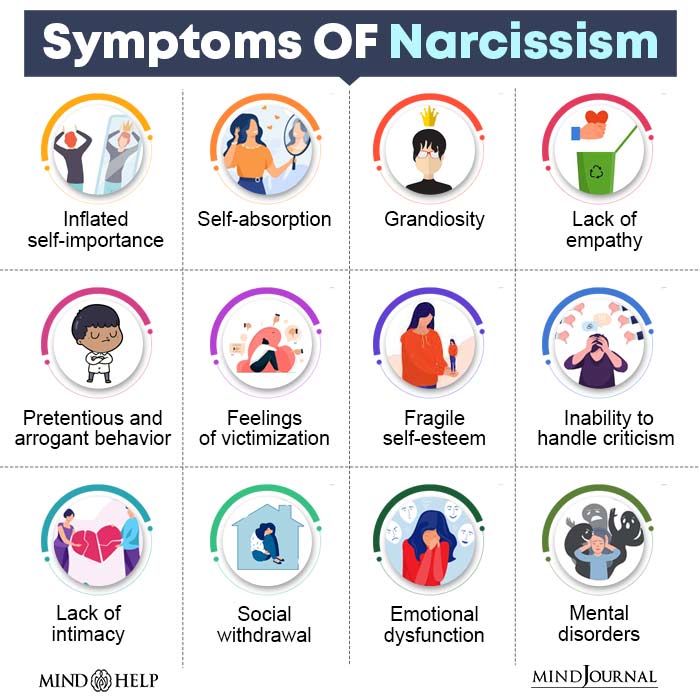
In the clinical sense, narcissism is often defined by a pervasive pattern of grandiosity, a need for admiration, and a lack of empathy. Historically, psychologists pointed to childhood environments or genetic predispositions as the primary drivers of this personality trait. However, in the 21st century, a new catalyst has emerged that is fundamentally altering human behavior: technology. To understand the causes of narcissism in the modern era, one must look beyond the therapist’s couch and toward the silicon valleys of software development, the mechanics of algorithmic feedback, and the hardware that keeps us perpetually tethered to our own digital reflections.
The digital landscape has transitioned from a tool for information sharing into a mirror that reflects—and often distorts—our sense of self. This transformation is not accidental; it is a byproduct of specific technological trends, software architectures, and the evolution of AI tools designed to capture and hold our attention at any cost.
The Architecture of Validation: Software Design and the Ego
The primary software-based cause of narcissism today lies in the way user interfaces (UI) and user experiences (UX) are designed. Modern software is built to prioritize “engagement,” a metric that is often synonymous with ego-inflation. When we ask what causes narcissism in a digital context, we must first look at the design choices that reward self-centered behavior.
The Psychology of the Feedback Loop
At the heart of almost every social app is a variable-ratio reinforcement schedule—the same mechanism that makes slot machines addictive. Software developers have perfected the “Like,” “Share,” and “Follow” buttons to serve as instant hits of dopamine. These features do more than just facilitate interaction; they quantify social value. When a user’s self-worth becomes tied to these digital metrics, the software acts as a catalyst for narcissistic tendencies. The cause is technical: the code is written to trigger a neurological reward every time the user presents themselves for public consumption.
UX Design and the Instant Gratification Reward System
User experience designers have moved toward “frictionless” environments. While this makes apps easier to use, it also fosters an environment of extreme entitlement. When technology responds instantly to our every whim—whether through one-click ordering or immediate algorithmic gratification—it reinforces a worldview where the individual is the absolute center of the digital universe. This technical environment causes a shift in perspective, where the delay of gratification is seen as a system failure rather than a part of life, mirroring the entitlement seen in narcissistic personality structures.
Social Media Platforms: The Breeding Ground for Digital Grandiosity
While software provides the tools, social media platforms provide the ecosystem. These platforms are perhaps the most significant environmental cause of the rise in narcissistic traits among Gen Z and Millennials. By design, these platforms encourage a “performative” existence.
Curation vs. Reality: The Rise of the “Personal Brand” App
Apps like Instagram and TikTok have turned the average user into a brand manager. The technical features of these platforms—filters, editing tools, and highlight reels—allow for the creation of a “False Self.” In psychological terms, the cultivation of a False Self is a hallmark of narcissism. Technology facilitates this by providing the tools to airbrush reality, allowing users to project a perfected, grandiose version of their lives. The cause of this shift is the platform’s incentive structure: content that is visually perfect and self-aggrandizing consistently performs better than content that is authentic or mundane.
Algorithmic Amplification of Outrage and Self-Importance
Algorithms are designed to show us more of what we already like, creating “echo chambers.” From a technical standpoint, this is a masterpiece of data engineering. From a psychological standpoint, it is a recipe for grandiosity. By constantly filtering out opposing views and surrounding a user with content that validates their existing beliefs, the algorithm creates a digital reality where the user is always right. This lack of cognitive friction prevents the development of empathy and humility, directly contributing to the “entitlement” aspect of narcissism.
Hardware and the “Selfie” Revolution

We cannot discuss the causes of narcissism without addressing the physical tools we use. The evolution of hardware has moved the lens of the camera from the world around us back onto ourselves.
Front-Facing Cameras and the Shift in Photographic Perspective
The introduction of the high-quality front-facing camera was a pivotal moment in the history of consumer electronics. Before this technological milestone, photography was primarily an outward-facing endeavor—capturing landscapes, events, or other people. The “selfie” camera changed the fundamental utility of the smartphone. It turned the device into a perpetual mirror. This hardware shift encouraged a constant state of self-surveillance. When the tool in your pocket is optimized for capturing your own image, the psychological result is an increased preoccupation with one’s appearance and public image.
Wearable Tech and the Quantification of the Self
The rise of gadgets like the Apple Watch and Oura Ring has introduced a phenomenon known as “Quantified Self.” While these tools are marketed for health and productivity, they also contribute to an intense internal focus. Constant monitoring of one’s own heart rate, steps, and sleep patterns can, in some users, foster a hyper-fixation on the self. When every physiological function is turned into a data point for self-optimization, the boundary between healthy self-care and narcissistic self-obsession begins to blur. The hardware causes a shift in focus from the community to the individual’s internal metrics.
AI and the Echo Chamber: Personalization as a Mirror
Artificial Intelligence is the latest frontier in the technological causes of narcissism. As AI becomes more integrated into our daily lives, it creates a “curated reality” that is increasingly difficult to escape.
Large Language Models and Personalized Reality
Generative AI and Large Language Models (LLMs) are now capable of acting as personalized assistants, therapists, and companions. Because these models are often fine-tuned to be agreeable and helpful to the user, they can inadvertently act as a “yes-man.” A user who spends hours interacting with an AI that is programmed to cater to their specific tone, preferences, and commands may find real-world human interactions—which require compromise and empathy—frustratingly difficult. The AI provides a relationship without the “otherness” of a real person, which is a key driver in the development of narcissistic social patterns.
Virtual Influencers and the Erasure of Human Flaws
The emergence of AI-generated influencers on platforms like Instagram creates an unattainable standard of “digital perfection.” These entities are software constructs—perfectly symmetrical, perpetually young, and devoid of human error. When real users compete for attention against these AI tools, the pressure to adopt narcissistic defense mechanisms (such as extreme vanity or the pursuit of perfection) increases. The technology sets a baseline for existence that is literally inhuman, causing a psychological rift in those who use these tools as a benchmark for their own success.
Mitigating the Tech-Driven Narcissism Shift
Understanding that technology is a cause of modern narcissism allows us to look for technical and behavioral solutions. The industry is beginning to recognize that “Engagement at All Costs” is a dangerous design philosophy.
Ethical Design and Digital Wellbeing Tools
Software developers are now introducing “Digital Wellbeing” features, such as screen time limits, “focus modes,” and the option to hide “like” counts. These are technical attempts to de-escalate the ego-reinforcement loops built into previous versions of the software. By removing the public quantification of social status (the like count), developers can reduce the narcissistic incentive to post purely for external validation.

The Move Toward Decentralized and Authentic Tech
There is a growing trend toward “anti-narcissist” tech—platforms like BeReal or decentralized social networks that emphasize raw, unedited content and peer-to-peer connection over algorithmic stardom. These tools represent a shift in software philosophy, aiming to return technology to its original purpose: a tool for connection rather than a platform for self-promotion.
In conclusion, while the root causes of narcissism remain complex and multi-faceted, the role of technology cannot be ignored. The combination of dopamine-inducing software design, ego-centric social media ecosystems, self-facing hardware, and hyper-personalized AI creates a perfect storm for narcissistic development. As we continue to integrate these gadgets and apps into every facet of our lives, the challenge for the tech industry will be to design tools that promote empathy, community, and reality, rather than just a digital reflection of our own desires.
aViewFromTheCave is a participant in the Amazon Services LLC Associates Program, an affiliate advertising program designed to provide a means for sites to earn advertising fees by advertising and linking to Amazon.com. Amazon, the Amazon logo, AmazonSupply, and the AmazonSupply logo are trademarks of Amazon.com, Inc. or its affiliates. As an Amazon Associate we earn affiliate commissions from qualifying purchases.