
The concept of “carbon sources” has become increasingly prominent in discussions surrounding sustainability, environmental policy, and technological innovation. While the term might initially evoke images of fossil fuels and industrial emissions, its scope is far broader and more nuanced. Understanding what constitutes a carbon source is fundamental to grasping the complexities of climate change, carbon capture technologies, and the transition to a low-carbon economy. This exploration delves into the definition of carbon sources, their various manifestations, and their critical role in both natural and human-driven environmental processes.
Defining Carbon Sources: The Fundamental Element of Life and Industry
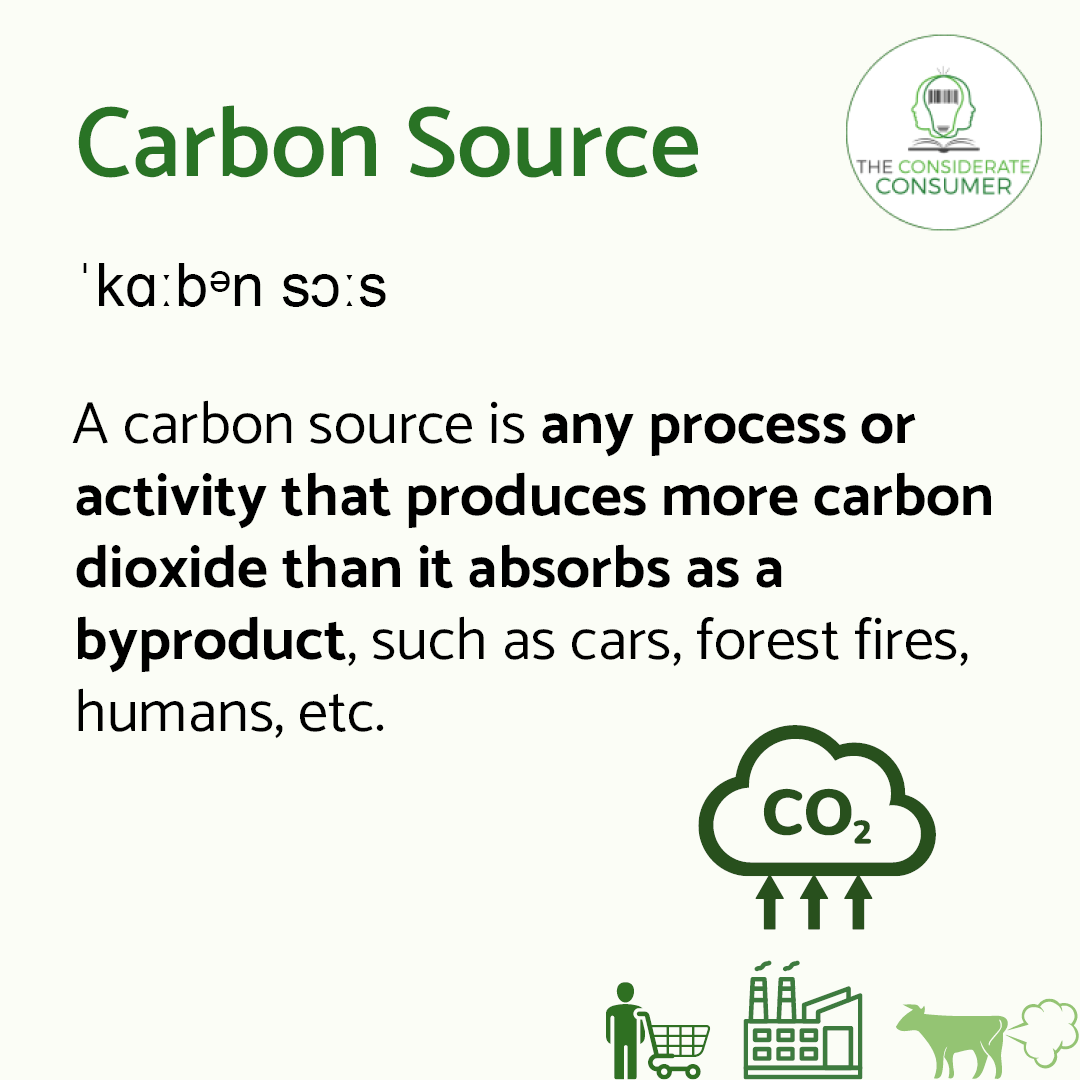
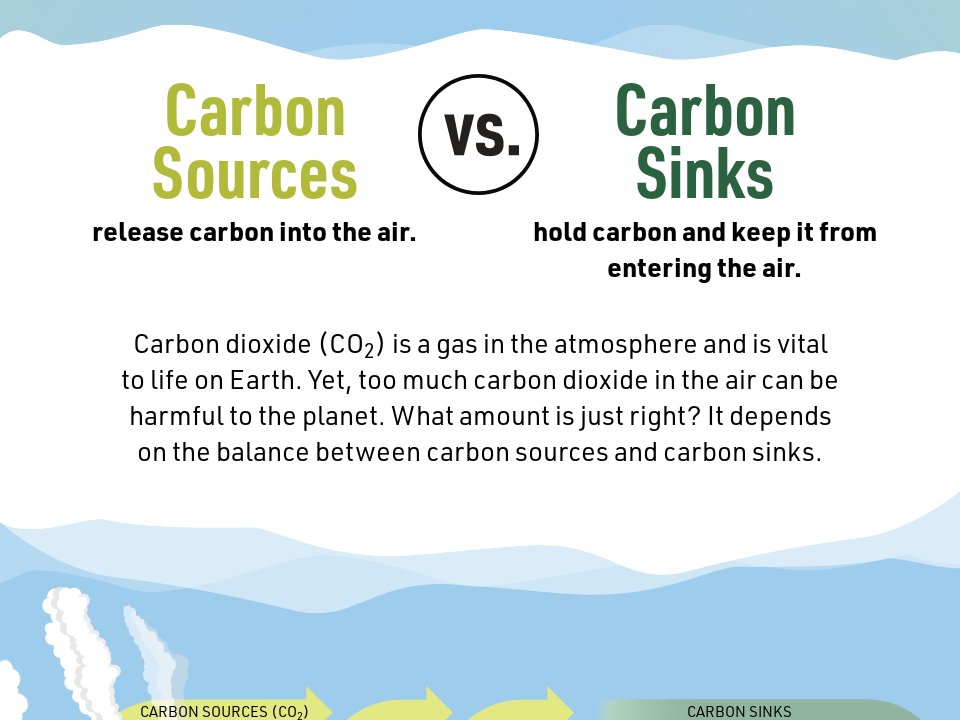
At its core, a carbon source refers to any entity, process, or material that releases carbon into the atmosphere, primarily in the form of carbon dioxide (CO2) or other greenhouse gases (GHGs) containing carbon. Carbon is the fundamental building block of organic life, found in everything from the air we breathe to the food we eat and the materials we use. Its cycling through the Earth’s systems is a natural and essential process. However, human activities have significantly amplified the rate at which carbon is released, leading to an imbalance in the Earth’s carbon budget and contributing to global warming.
Natural Carbon Sources: The Earth’s Enduring Cycles
The Earth’s carbon cycle is a complex and dynamic system that has operated for millennia. Natural processes are responsible for the continuous movement of carbon between the atmosphere, oceans, land, and living organisms.
Respiration: The Breath of Life and the Release of Carbon
All living organisms, from single-celled bacteria to complex animals and plants, respire. This metabolic process involves breaking down organic molecules to produce energy, a byproduct of which is carbon dioxide. For instance, when humans exhale, they release CO2. Similarly, plants, while absorbing CO2 during photosynthesis, also release it through respiration, particularly at night. This continuous exchange of CO2 between living organisms and the atmosphere is a significant component of the natural carbon cycle.
Decomposition: Nature’s Recycling System
When organisms die, their organic matter is broken down by decomposers such as bacteria and fungi. This decomposition process releases carbon back into the environment, primarily as CO2 or methane (CH4), another potent greenhouse gas. Forests, soils, and marine environments are vast reservoirs of organic matter, and their decomposition plays a crucial role in returning carbon to the atmosphere. Natural wildfires also contribute to this, releasing stored carbon from vegetation.
Volcanic Activity: Earth’s Internal Processes
Geological processes, such as volcanic eruptions and hydrothermal vents, release carbon from the Earth’s interior into the atmosphere. While volcanic activity is a natural source of CO2, its contribution to the overall increase in atmospheric carbon concentrations over recent decades is significantly smaller than that of anthropogenic sources. These geological releases are typically slow and spread over vast timescales.
Ocean-Atmosphere Exchange: A Vital Equilibrium
The oceans are the largest active carbon sink on Earth, absorbing vast amounts of CO2 from the atmosphere. However, this exchange is bidirectional. When ocean waters warm, they release dissolved CO2 back into the atmosphere, and conversely, colder waters absorb more CO2. This dynamic equilibrium plays a critical role in regulating atmospheric CO2 levels. Processes like ocean surface turbulence and the upwelling of deep, carbon-rich waters can also contribute to CO2 release.
Anthropogenic Carbon Sources: Human Impact on the Carbon Cycle
While natural processes contribute to the carbon cycle, human activities have become the dominant driver of increased atmospheric carbon concentrations, leading to significant environmental consequences.
Fossil Fuel Combustion: The Primary Driver of Modern Carbon Emissions
The burning of fossil fuels – coal, oil, and natural gas – for energy production, transportation, and industrial processes is by far the largest anthropogenic source of carbon emissions. These fuels are formed from the remains of ancient organic matter, and their combustion releases carbon that has been stored underground for millions of years into the atmosphere at an unprecedented rate. This rapid injection of ancient carbon disrupts the natural carbon balance.
Industrial Processes: Manufacturing and Production
Many industrial activities release carbon into the atmosphere beyond direct fossil fuel combustion. For example, cement production involves a chemical process (calcination) that releases CO2. The manufacturing of plastics, metals, and chemicals often involves energy-intensive processes that rely on fossil fuels, and some chemical reactions themselves release greenhouse gases.
Deforestation and Land-Use Change: Releasing Stored Carbon
Forests act as significant carbon sinks, absorbing CO2 from the atmosphere through photosynthesis and storing it in their biomass and soils. When forests are cleared for agriculture, urban development, or other purposes, the stored carbon is released back into the atmosphere, often through burning or decomposition. Changes in land use, such as draining wetlands or converting grasslands, can also lead to substantial carbon releases from soil.
Agriculture: Methane and Nitrous Oxide Emissions
While CO2 is the most discussed greenhouse gas, agriculture is a significant source of other potent GHGs like methane (CH4) and nitrous oxide (N2O). Methane is produced by livestock (through enteric fermentation) and from the decomposition of organic matter in rice paddies and animal manure. Nitrous oxide is released from the use of nitrogen-based fertilizers in agriculture and from the combustion of agricultural residues.
Waste Management: Decomposition and Incineration
Landfills are a major source of methane emissions as organic waste decomposes anaerobically. Incineration of waste, while sometimes used for energy recovery, can also release CO2 and other pollutants into the atmosphere, depending on the composition of the waste and the efficiency of the incineration process.
The Significance of Identifying Carbon Sources: Towards Mitigation and Innovation
Understanding the diverse origins of carbon emissions is crucial for developing effective strategies to mitigate climate change and foster sustainable practices. This knowledge informs policy decisions, drives technological innovation, and empowers individuals and organizations to make more informed choices.
Policy and Regulation: Setting Targets and Incentives
Governments and international bodies rely on accurate identification of carbon sources to develop climate policies. This includes setting emission reduction targets, implementing carbon pricing mechanisms (like carbon taxes or cap-and-trade systems), and providing incentives for the adoption of cleaner technologies. Policies aimed at reducing emissions from fossil fuel combustion, promoting renewable energy, and protecting forests are direct responses to understanding these major carbon sources.
Technological Innovation: Carbon Capture and Utilization
The identification of carbon sources has spurred significant investment and innovation in carbon capture, utilization, and storage (CCUS) technologies. These technologies aim to capture CO2 emissions from industrial sources or directly from the atmosphere and either store them underground (carbon sequestration) or use them in the production of valuable products (carbon utilization). Understanding the specific chemical and physical properties of CO2 released from different sources is essential for designing efficient capture and utilization systems.
Corporate Responsibility and ESG Frameworks: Moving Towards Sustainability
Businesses are increasingly facing pressure from investors, consumers, and regulators to demonstrate their commitment to environmental sustainability. This involves accurately measuring and reporting their carbon footprint, identifying their primary carbon sources, and developing strategies to reduce their emissions. Environmental, Social, and Governance (ESG) frameworks often mandate such transparency and action, driving companies to invest in sustainable practices and technologies.
Individual Action and Behavioral Change: Empowering Consumers
Awareness of carbon sources empowers individuals to make informed choices that can reduce their personal carbon footprint. This includes adopting energy-efficient practices at home, opting for sustainable transportation, reducing consumption of goods with high carbon footprints, and supporting businesses with strong environmental credentials. Understanding the lifecycle emissions of products and services helps consumers make more sustainable purchasing decisions.
The Evolving Landscape of Carbon Sources: From Problem to Opportunity
The concept of carbon sources is not static. As technology advances and our understanding of Earth’s systems deepens, the discourse around carbon is evolving. While the focus has historically been on reducing emissions from traditional sources, there is a growing emphasis on circular economy principles and the potential to turn carbon emissions into valuable resources.
The Rise of Carbon Capture and Utilization (CCU): Turning a Liability into an Asset
Carbon Capture and Utilization (CCU) is a rapidly developing field that aims to capture CO2 and convert it into useful products. This includes using CO2 as a feedstock for chemicals, fuels, building materials, and even food. For example, captured CO2 can be used to produce synthetic fuels that are chemically identical to fossil fuels but have a net-zero carbon footprint if the captured CO2 is replenished. This shift in perspective transforms carbon emissions from a waste product into a potential raw material.
Biological Carbon Sequestration: Harnessing Nature’s Power
Beyond technological solutions, there is a renewed appreciation for natural methods of carbon sequestration. Reforestation and afforestation efforts, sustainable agricultural practices that enhance soil carbon content, and the restoration of ecosystems like mangroves and peatlands are all critical strategies for drawing down atmospheric CO2. Understanding the biological processes involved in carbon uptake by plants and soils is key to maximizing their effectiveness.

The Future of Carbon: A Source for Innovation
As the world grapples with climate change, the identification and management of carbon sources will remain a central theme. The transition to a low-carbon economy presents both challenges and opportunities. By understanding the origins of carbon emissions, we can develop more effective mitigation strategies, drive innovation in clean technologies, and foster a more sustainable future where carbon is managed responsibly, not just as a pollutant, but as a resource for a new era of industrial and economic development. The continued exploration and understanding of what constitutes a carbon source is fundamental to achieving these goals.
aViewFromTheCave is a participant in the Amazon Services LLC Associates Program, an affiliate advertising program designed to provide a means for sites to earn advertising fees by advertising and linking to Amazon.com. Amazon, the Amazon logo, AmazonSupply, and the AmazonSupply logo are trademarks of Amazon.com, Inc. or its affiliates. As an Amazon Associate we earn affiliate commissions from qualifying purchases.