
For anyone entering the world of international finance, traveling to North America, or exploring diversified investment portfolios, understanding the currency of the Great White North is essential. While the world often looks to the U.S. Dollar as the global reserve benchmark, the Canadian Dollar (CAD) stands as one of the most stable, liquid, and fascinating currencies in the global marketplace.
Commonly referred to by its colorful nicknames, the Canadian dollar is more than just a medium of exchange; it is a “commodity currency” that plays a pivotal role in global trade. In this guide, we will explore what Canadian dollars are called, the economic factors that drive their value, and how to manage this currency within a modern personal finance framework.
The Official Identity and Informal Nomenclature of the CAD
When discussing Canadian currency, it is important to distinguish between its formal financial designation and the colloquialisms used in daily commerce. In the world of banking and international trade, precision is paramount, but on the streets of Toronto or Vancouver, the language of money is much more colorful.
The ISO 4217 Standard: CAD and $
Formally, the Canadian dollar is identified by the ISO 4217 code CAD. In financial markets, this distinguishes it from other dollar-denominated currencies like the USD (United States), AUD (Australia), or NZD (New Zealand). While the symbol “$” is used domestically, “C$” or “Can$” is frequently used in international contexts to avoid confusion with the U.S. Dollar.
Since 1858, the Canadian dollar has been the official unit of currency for the country, replacing the British Pound and various colonial currencies. Today, it is managed by the Bank of Canada, which oversees its issuance and ensures the stability of the nation’s monetary system.
The “Loonie”: A Symbol of National Identity
Perhaps the most famous nickname in the world of currency is the “Loonie.” This term refers specifically to the gold-colored one-dollar coin introduced in 1987. The name is derived from the image of a common loon—a water bird iconic to the Canadian wilderness—floating on the water on the coin’s reverse side.
The introduction of the Loonie was a significant financial move, as it replaced the one-dollar paper bill. From a personal finance perspective, this was a cost-saving measure for the government; while coins are more expensive to produce than paper notes, they last decades longer, providing a better long-term return on the cost of minting.
The “Toonie”: From One Metal to Two
Following the success of the one-dollar coin, Canada introduced a two-dollar coin in 1996. Keeping with the rhyming scheme established by its predecessor, the coin was quickly dubbed the “Toonie” (a portmanteau of “two” and “loonie”).
The Toonie is distinctive for its bimetallic design: an outer ring of nickel and an inner core of aluminum bronze. It features a polar bear on the reverse. Like the Loonie, the Toonie represents Canada’s shift away from low-denomination paper currency toward durable, long-lasting metallic assets.
The Physicality and Security of Canadian Currency
In the realm of business finance and digital security, the physical makeup of money is just as important as its value. Canada has been a global leader in currency innovation, often setting the standard for other nations to follow.
Polymeric Precision: Why Canada Switched from Paper
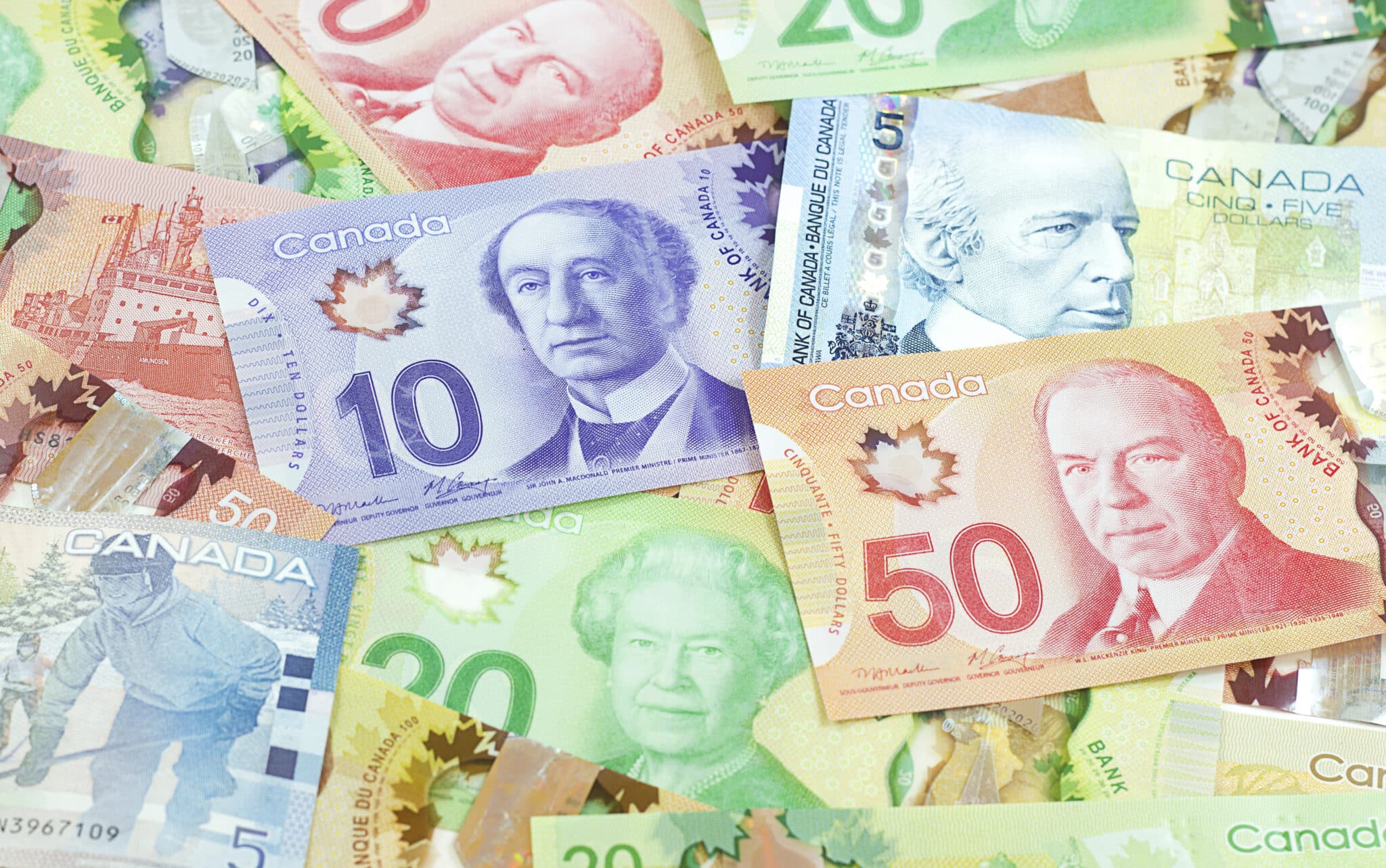
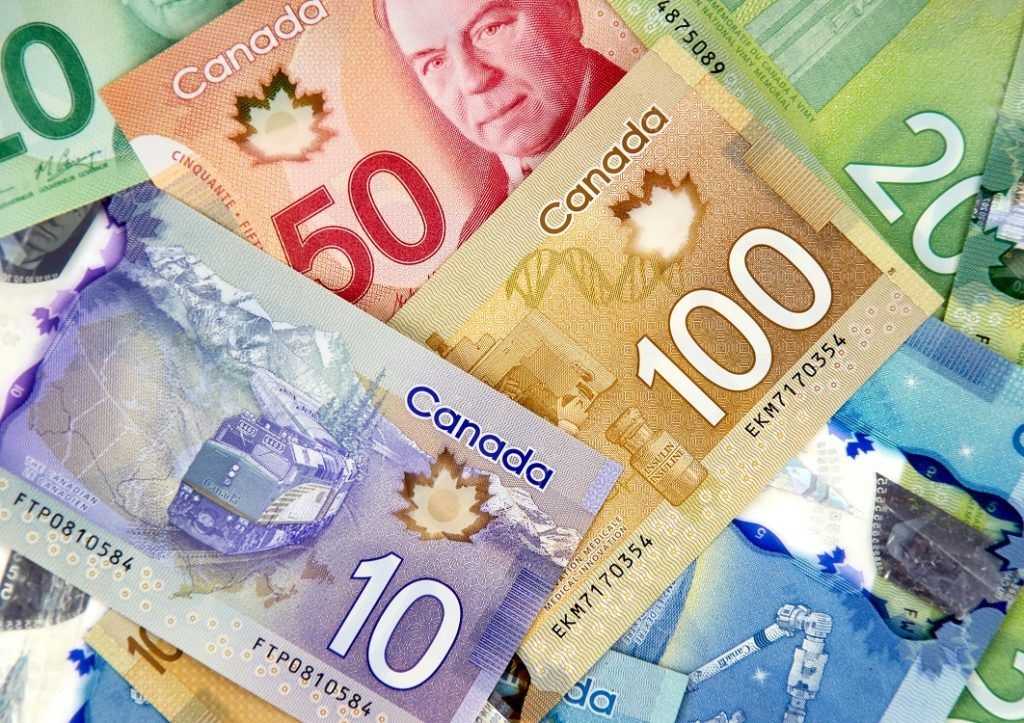
One of the most striking features of Canadian banknotes—available in denominations of $5, $10, $20, $50, and $100—is that they are not made of paper. Starting in 2011, the Bank of Canada transitioned to polymer, a thin, flexible plastic film.
From a financial management standpoint, polymer notes are vastly superior to cotton-paper blends. They are difficult to tear, resistant to moisture (they can even survive a trip through a washing machine), and have a lifespan at least 2.5 times longer than paper notes. This durability reduces the environmental impact of currency production and lowers the overhead costs for the central bank.
Anti-Counterfeiting Measures in Modern Banknotes
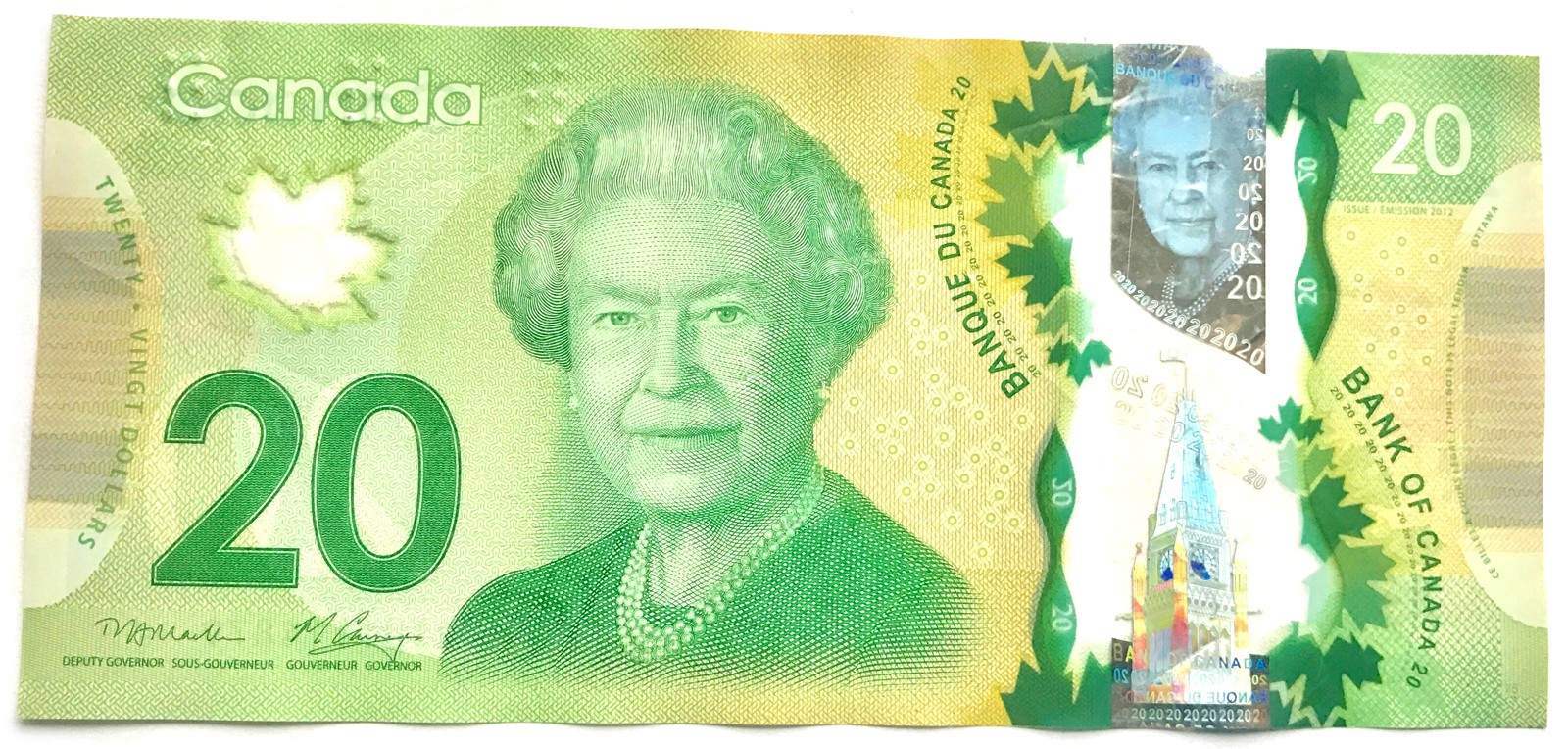
For businesses and retailers, the security of physical cash is a top priority. Canadian polymer bills are among the most difficult in the world to counterfeit. They feature transparent windows, metallic portraits, and raised ink that can be felt by touch.
Furthermore, the “Frontier Series” of banknotes includes “ghost images” and hidden numbers that only appear when viewed under specific lighting conditions. These features protect the integrity of the CAD, ensuring that the currency remains a trusted store of value in both domestic and international markets.
The Future of Physical Cash in a Digital Economy
While Canadian dollars are famous for their physical design, the country is rapidly moving toward a “cash-light” society. For those managing personal finances in Canada, digital tools like Interac e-Transfer have become the standard for peer-to-peer payments. However, the Bank of Canada continues to maintain the physical dollar as a backup, ensuring that the “Loonie” remains accessible to all citizens, regardless of their access to digital banking technology.
The Economic Strength and Value of the Canadian Dollar
Understanding what Canadian dollars are called is only the first step; understanding what they are worth is where the real financial insight lies. The CAD is often referred to as a “hard currency,” meaning it comes from a politically and economically stable nation.
The “Petrodollar” Status: CAD and Global Commodities
In the world of investing, the Canadian dollar is famously categorized as a “commodity currency.” This is because Canada is a massive exporter of natural resources, particularly crude oil, natural gas, and minerals.
There is a historical correlation between the price of oil and the strength of the CAD. When global oil prices rise, the Canadian dollar typically appreciates against the U.S. dollar. For investors, this means that holding CAD can sometimes serve as an indirect hedge against energy market fluctuations. If you are looking to diversify your currency holdings, understanding this link to the energy sector is vital.
Exchange Rates and Personal Finance for Travelers
For those traveling to or from Canada, the exchange rate between the CAD and the USD is a constant point of focus. Historically, the Canadian dollar has traded below the U.S. dollar, often hovering between 0.70 and 0.80 USD.
From a personal finance perspective, this “discount” makes Canada an attractive destination for American tourists and international investors. Conversely, for Canadians, a “weak” Loonie means higher costs for cross-border shopping and international travel. Smart financial planning in Canada often involves “snowbirds” (Canadians who winter in the U.S.) holding dual-currency accounts to mitigate the risks of exchange rate volatility.
Interest Rates and the Bank of Canada’s Role
The value of the Canadian dollar is also heavily influenced by the Bank of Canada’s monetary policy. Like the Federal Reserve in the U.S., the Bank of Canada adjusts interest rates to control inflation. Higher interest rates typically attract foreign investment, increasing demand for the CAD and driving up its value. For those with high-interest savings accounts or GICs (Guaranteed Investment Certificates), these shifts in the “price” of the dollar directly impact their annual returns.
Navigating Business and Personal Finance with CAD
Whether you are a freelancer earning in multiple currencies or a business owner expanding into the Canadian market, managing CAD requires a strategic approach to financial tools and banking systems.
Cross-Border Banking: Managing CAD vs. USD
Given the tight economic integration between Canada and the United States, many financial institutions offer cross-border banking solutions. These accounts allow users to hold both CAD and USD simultaneously. For business owners, this is a crucial tool for avoiding “conversion friction”—the loss of money through repeated exchange fees. By keeping Canadian dollars in a dedicated CAD account, businesses can pay Canadian vendors and employees without being subject to the whims of daily market fluctuations.
Investing in Canadian Markets: TSX and Beyond
If you are looking to put your Canadian dollars to work, the Toronto Stock Exchange (TSX) offers a wealth of opportunities, particularly in the banking and energy sectors. Canada’s “Big Five” banks—RBC, TD, Scotiabank, BMO, and CIBC—are known globally for their stability and consistent dividend payments. Investing in these institutions in their native currency (CAD) allows investors to benefit from both the growth of the companies and the underlying stability of the Canadian economy.
Digital Payments and FinTech in the Canadian Landscape
The Canadian financial landscape is home to a burgeoning FinTech sector. From robo-advisors like Wealthsimple to digital-only banks like EQ Bank, the way Canadians interact with their dollars is changing. These platforms often offer better exchange rates and lower fees than traditional “Big Five” banks. For anyone looking to optimize their personal finance, leveraging these digital tools to manage their Loonies and Toonies is a smart move toward long-term wealth accumulation.
In conclusion, the Canadian dollar is a currency defined by its unique blend of cultural identity and economic power. Whether you call it the CAD, the Loonie, or simply “the dollar,” its role as a stable, commodity-backed currency makes it a cornerstone of North American finance. By understanding its nomenclature, its physical security, and its economic drivers, you can better navigate the Canadian financial landscape with confidence and insight.
aViewFromTheCave is a participant in the Amazon Services LLC Associates Program, an affiliate advertising program designed to provide a means for sites to earn advertising fees by advertising and linking to Amazon.com. Amazon, the Amazon logo, AmazonSupply, and the AmazonSupply logo are trademarks of Amazon.com, Inc. or its affiliates. As an Amazon Associate we earn affiliate commissions from qualifying purchases.