
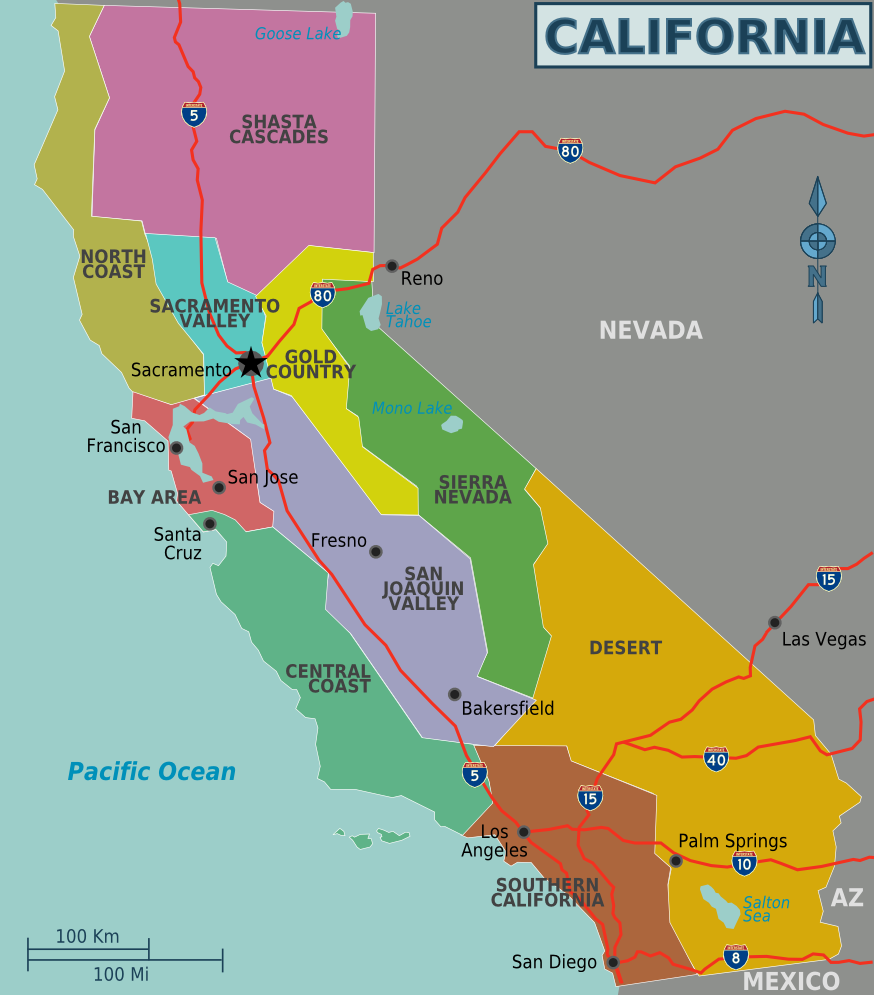
California is often viewed through the lens of its diverse geography—from its rugged northern coastlines to the sun-drenched beaches of the south. However, for the technologist, the entrepreneur, and the digital strategist, California’s regions are defined not by topographical landmarks, but by “innovation clusters.” The state functions as a global engine of progress, where specific geographical zones specialize in distinct sectors of the tech economy.
Understanding California’s regions through a technological lens requires a deep dive into how legacy industries, academic institutions, and venture capital have converged to create specialized hubs. From the semiconductor foundations of the South Bay to the burgeoning AI frontier in San Francisco and the “Silicon Beach” content engines of Los Angeles, the Golden State remains the most influential tech ecosystem in the world.
The Silicon Valley Core: The Epicenter of Global Computing
Silicon Valley is more than a location; it is a global brand and a blueprint for innovation. While the term is often used to describe the entire Bay Area, it technically refers to the Santa Clara Valley. This region remains the bedrock of global hardware and software development.
The South Bay and the Birth of Semiconductors
The story of this region began with silicon—literally. In the mid-20th century, the South Bay became the world’s primary hub for semiconductor research and manufacturing. Companies like Intel and Fairchild Semiconductor paved the way for the digital age. Today, while much of the high-volume manufacturing has moved offshore, the South Bay remains the global headquarters for chip design and architecture.
Cities like San Jose and Santa Clara continue to host the giants of the hardware world. Nvidia’s rise to the top of the AI hardware market is a testament to the region’s enduring relevance. The presence of Apple in Cupertino and Google in Mountain View anchors the region, creating a gravitational pull for talent that is unmatched anywhere else on Earth.
The Peninsula’s Venture Capital Corridor
As you move north from the South Bay toward San Francisco, the “Peninsula” serves as the financial nervous system of the tech world. Sand Hill Road in Menlo Park is home to the world’s most prestigious venture capital firms, including Sequoia Capital and Andreessen Horowitz.
This specific sub-region facilitates the transition from a “garage startup” to a global enterprise. The Peninsula is characterized by its high density of SaaS (Software as a Service) companies and enterprise tech. It is the region where business-to-business (B2B) models are perfected, fueled by an ecosystem that prioritizes rapid scaling and hyper-growth.
San Francisco and the Rise of the AI Frontier
In the last decade, the center of gravity within Northern California has shifted slightly northward. While the South Bay remains the land of tech titans, San Francisco has become the epicenter for the next great wave of digital transformation: Generative Artificial Intelligence and decentralized technologies.
From SaaS to Generative AI: The City’s Evolution
San Francisco’s tech identity has evolved rapidly. In the early 2010s, the city was the playground for the “sharing economy,” giving birth to platforms like Uber and Airbnb. However, post-pandemic, the city has rebranded itself as the “AI Capital of the World.”
The South of Market (SoMa) and Mission Bay districts are now the primary hubs for companies like OpenAI and Anthropic. The proximity of these firms to one another has created a “dense-network” effect, where breakthroughs in large language models (LLMs) and neural networks are shared and iterated upon at an unprecedented pace. For tech professionals, being in San Francisco today is akin to being in Florence during the Renaissance; it is where the fundamental rules of the next digital era are being written.
The Role of Urban Tech Ecosystems
Unlike the sprawling corporate campuses of the South Bay, San Francisco’s tech region is defined by its urbanity. This facilitates a high degree of “serendipitous networking.” Tech incubators, co-working spaces, and nightly “hackathons” define the culture here. This region thrives on disruption and the “move fast and break things” ethos. While the South Bay focuses on sustaining and managing global platforms, San Francisco focuses on building the tools that will eventually replace them.
Silicon Beach and the Convergence of Content and Code

Southern California offers a different flavor of tech innovation. Known as “Silicon Beach,” the region stretching from Santa Monica and Venice to Playa Vista and Culver City has become the global leader in the intersection of technology, entertainment, and digital media.
Los Angeles: The Hub for AdTech and Streaming
If Northern California builds the pipes, Southern California creates the content that flows through them. Silicon Beach is the home of the “Attention Economy.” Companies like Snap Inc. and Hulu have leveraged the local proximity to Hollywood to revolutionize how users consume media.
This region is also a powerhouse for AdTech (Advertising Technology). The fusion of data science and creative storytelling has made LA the go-to region for brands looking to leverage AI for personalized marketing. Furthermore, the expansion of Netflix and Amazon Studios into the area has blurred the lines between a “tech company” and a “media studio,” creating a hybrid professional class of “create-tech” specialists.
The Aerospace Legacy and Modern Robotics
Beyond content, the greater Los Angeles and Orange County regions have a deep-seated history in aerospace and defense tech. This has evolved into a modern cluster for robotics, space exploration (SpaceX in Hawthorne), and autonomous vehicles. The engineering talent in this region is uniquely suited for hardware-software integration, particularly in high-stakes environments like satellite communications and deep-sea exploration. This distinguishes the Southern California tech region as a leader in “Physical Tech” and “Hard Tech.”
Beyond the Coast: The Digital Transformation of San Diego and the Central Valley
While the Bay Area and LA dominate the headlines, California’s other regions are carving out specialized niches that are essential to the global tech supply chain.
San Diego’s Biotech and Life Sciences Cluster
San Diego represents the “Life Sciences” wing of California’s tech landscape. Centered around La Jolla and the University of California, San Diego (UCSD), this region is a world leader in genomics, biotechnology, and health-tech.
Companies like Illumina have turned San Diego into a hub for DNA sequencing. The tech here is focused on the “Bio-Digital” interface—using computing power to solve complex biological problems. This region is less about social apps and more about longevity, personalized medicine, and bioinformatics, attracting a distinct demographic of PhD-level researchers and data scientists.
AgTech: Digitizing the Nation’s Breadbasket
Perhaps the most overlooked tech region is the Central Valley. As the world faces climate change and food security challenges, the Central Valley has become a living laboratory for AgTech (Agricultural Technology).
From Fresno to Sacramento, startups are deploying drones, IoT (Internet of Things) sensors for soil moisture, and AI-driven autonomous tractors. This region is where the “Digital Twin” of the farm is being built. The digital transformation of the Central Valley is a prime example of how tech is moving beyond the screen and into the physical management of natural resources.
The Future of the California Tech Map
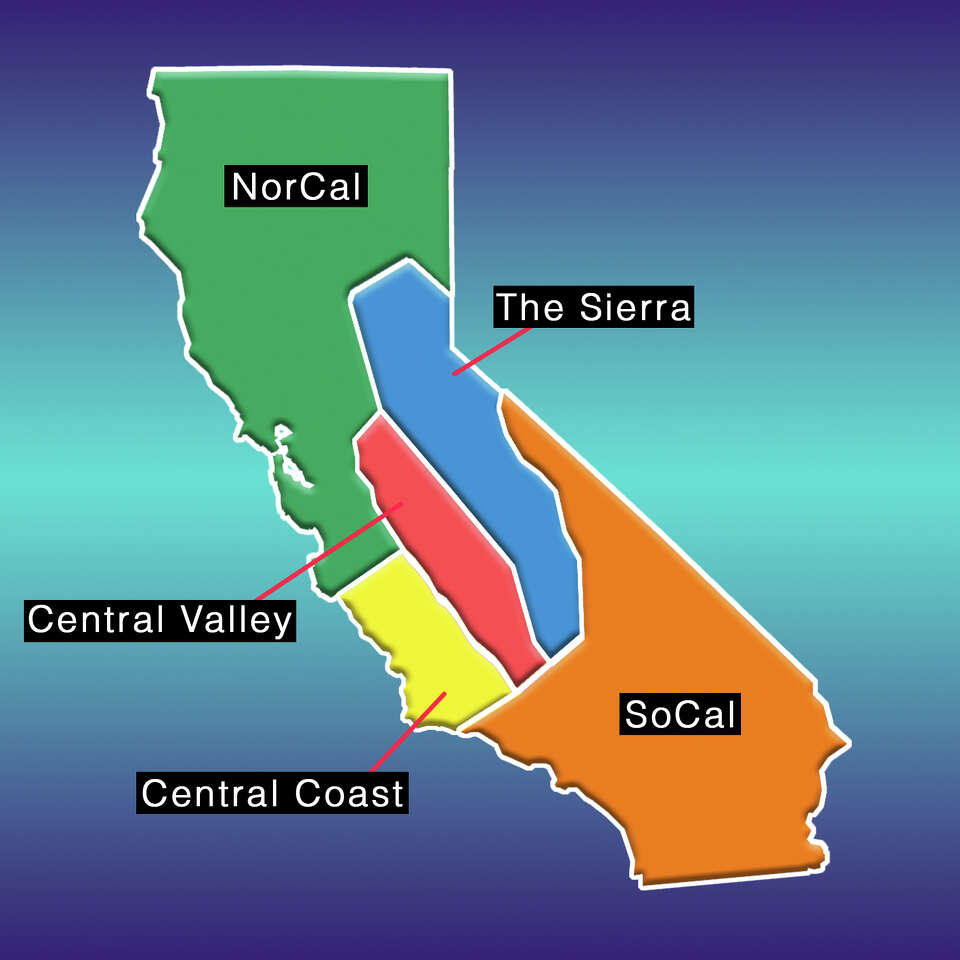
The definition of California’s regions is currently undergoing a period of flux. The rise of remote work and the decentralization of the workforce have prompted some to suggest that geography no longer matters. However, the data suggests otherwise.
Remote Work and the Decentralization of the Tech Hub
While many tech workers moved to the Sierras or the Central Coast during the pandemic, the “hub-and-spoke” model remains dominant. Regional satellite hubs are forming in places like Santa Barbara and San Luis Obispo, offering a “lifestyle-tech” alternative to the high-pressure environments of SF and LA. These regions are attracting senior talent who prioritize quality of life but still require high-speed digital infrastructure and proximity to the main innovation clusters.
Regional Infrastructure and the Green Tech Revolution
As California leads the nation in climate policy, a new “Green Tech” region is emerging, spanning from the lithium-rich Salton Sea in the south to the renewable energy research centers in Northern California. The state’s commitment to an all-electric future is driving tech investment in battery storage, grid management software, and carbon capture technology. This “Climate Corridor” is set to become the next major regional economic driver, proving that California’s regions are not static; they are constantly reconfiguring to solve the world’s most pressing problems.
In summary, California’s regions are much more than just geographical boundaries. They are specialized ecosystems of talent, capital, and legacy expertise. Whether it is the AI-driven streets of San Francisco, the biotech labs of San Diego, or the media-rich shores of Silicon Beach, each region plays a vital role in maintaining the state’s status as the global vanguard of technology. Understanding these regions is essential for anyone looking to navigate, invest in, or contribute to the digital future.
aViewFromTheCave is a participant in the Amazon Services LLC Associates Program, an affiliate advertising program designed to provide a means for sites to earn advertising fees by advertising and linking to Amazon.com. Amazon, the Amazon logo, AmazonSupply, and the AmazonSupply logo are trademarks of Amazon.com, Inc. or its affiliates. As an Amazon Associate we earn affiliate commissions from qualifying purchases.