
In the world of retail and consumer packaged goods (CPG), few items illustrate the power of brand perception as elegantly as the brown egg. To a biologist, a brown egg is simply a reproductive cell encased in a calcium carbonate shell, tinted by pigments known as protoporphyrins. However, to a brand strategist, the brown egg is a quintessential case study in premiumization, cognitive bias, and the strategic decoupling of a product from its commodity roots.
When consumers ask, “What are brown eggs?” they are rarely looking for a lecture on avian genetics or the specific breed of the Rhode Island Red hen. Instead, they are subconsciously inquiring about the value proposition that justifies a higher price point at the supermarket. This article explores how the brown egg transitioned from a rustic byproduct to a symbol of health, sustainability, and premium brand identity, offering vital lessons for modern marketers and corporate strategists.

Decoding the Premium Perception: The Power of Visual Branding
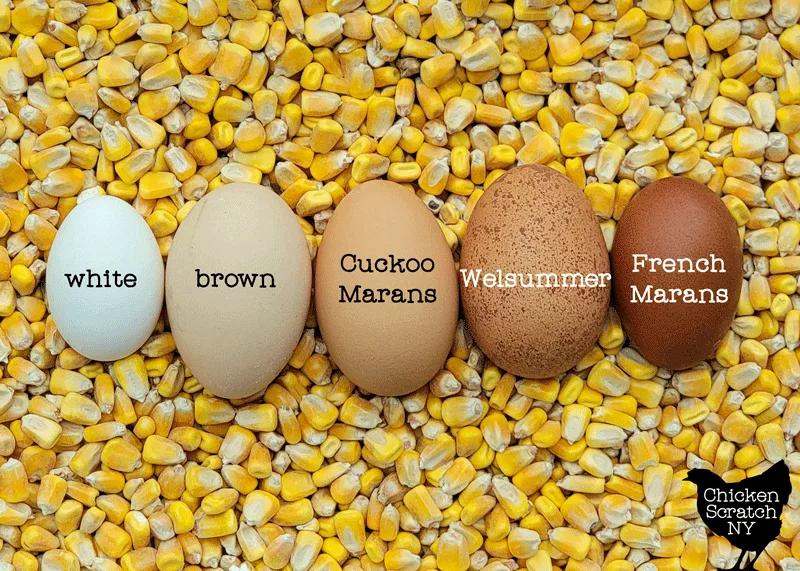
At the core of the brown egg’s market success is the psychological weight of its appearance. In branding, color is never “just” color; it is a primary communicator of intent and quality. The white egg, while functionally identical, has come to represent industrial efficiency, mass production, and clinical sterility. In contrast, the brown egg leverages visual cues to tell a completely different story.
The Psychology of Color in Food Marketing
In food branding, the color brown is frequently associated with “earthiness,” “wholeness,” and “unprocessed” states. Think of the transition from white bread to whole-wheat bread, or white sugar to raw cane sugar. Brand strategists have successfully mapped these existing consumer biases onto the egg category. By maintaining the natural pigment of the shell, producers signal a “closer-to-the-earth” experience. This visual shorthand bypasses the rational brain—which might know that nutrition is identical—and speaks directly to the emotional desire for “real” food.
Challenging the “Healthier” Myth through Brand Association
One of the most significant achievements in the branding of brown eggs is the pervasive myth that they are more nutritious than white eggs. From a scientific standpoint, the nutritional profile of an egg is determined by the hen’s diet, not the color of its shell. However, from a brand equity standpoint, the brown shell has become a “trust mark.” It acts as a proxy for health. Brand managers have capitalized on this by pairing brown eggs with rustic packaging—recycled cardboard, hand-scripted fonts, and imagery of sun-drenched pastures—to reinforce a health-conscious identity that the product alone does not inherently possess.
Strategic Positioning: Moving from Commodity to Lifestyle Asset
The greatest challenge for any brand is escaping the “commodity trap”—a state where products are seen as interchangeable, leading to a race to the bottom on price. For decades, eggs were the ultimate commodity. The shift toward brown eggs represents a masterclass in strategic positioning, where a basic staple is transformed into a lifestyle choice.
Creating the “Farm-to-Table” Narrative
Modern brand strategy is built on storytelling. Brown eggs have become the protagonist in the “Farm-to-Table” narrative. Even when produced on a large scale, the brown egg is positioned as the antithesis of the industrial complex. Brands utilize “heritage” positioning, suggesting that these eggs come from a simpler time and a more ethical process. This narrative is essential for capturing the millennial and Gen Z demographics, who prioritize the “story” behind their purchases as much as the utility of the product itself.
The Role of Packaging and Typography in Brand Trust
If you observe the shelf placement of brown eggs versus white eggs, the branding differences are stark. White eggs often use plastic or foam cartons with bold, primary-colored logos that scream “utility.” Brown egg brands, such as Vital Farms or Pete and Gerry’s, utilize matte-finish cardboard and sophisticated typography. This is “sensory branding” at its finest. The tactile experience of the recycled carton, combined with the visual of the brown shell, creates a cohesive brand identity rooted in transparency and premium quality. It signals to the consumer that they are not just buying protein; they are investing in a superior agricultural philosophy.
Brand Equity and the Willingness to Pay
The ultimate goal of any brand strategy is to increase the consumer’s “Willingness to Pay” (WTP). In the poultry industry, brown eggs consistently command a premium price—often 20% to 50% higher than their white counterparts. While some of this cost is attributed to the fact that brown-egg-laying hens are larger and consume more feed, the majority of the margin is a result of established brand equity.
Analyzing the Price Premium of Brown Eggs
Price is often used by consumers as a signal for quality. In a phenomenon known as “prestige pricing,” the higher cost of brown eggs reinforces the belief that they are a superior product. If a consumer sees two cartons—one for $2.50 (white) and one for $4.50 (brown)—the price gap creates a “curiosity gap.” The consumer justifies the extra $2.00 by attributing it to better taste, better animal welfare, or better health, even if they cannot quantify those benefits. The brand has successfully commodified “the feeling of doing better.”
Sustainability and Ethical Branding as Value Drivers
In the current market, a brand’s corporate identity is inextricably linked to its ESG (Environmental, Social, and Governance) performance. Brown eggs are frequently positioned under the umbrellas of “Organic,” “Free-Range,” or “Pasture-Raised.” Strategically, these labels are almost exclusively paired with brown shells to create a unified “Ethical Brand” package. By aligning the product with the consumer’s values—such as animal welfare and environmental stewardship—brands can build deep-seated loyalty that transcends price fluctuations.
Case Study: How Corporate Identity Reshapes the Grocery Aisle
To understand “what are brown eggs” in a business context, one must look at how corporate identity has been used to disrupt the dairy and poultry aisle. Companies that shifted their focus from “egg production” to “brand experience” have seen exponential growth.
Lessons for Modern Marketers and Brand Strategists
The success of the brown egg offers three critical lessons for any brand, regardless of industry:
- Differentiate through Aesthetics: When the core product is identical to the competition, use visual cues (like color and texture) to create a perceived difference in quality.
- Leverage Cognitive Biases: Understand the “Natural is Better” heuristic. If your brand can align itself with nature, it can bypass many of the logical hurdles consumers have regarding price.
- Own the Narrative: Don’t let the market define your product as a commodity. Use packaging, origin stories, and ethical positioning to turn a basic necessity into a premium lifestyle choice.

The Future of Commodity Branding
As we look toward the future, the “brown egg” strategy is being applied to other sectors. We see it in the branding of “heirloom” vegetables, “craft” water, and “artisan” grains. The core principle remains the same: identify a common commodity, find a visual or historical point of differentiation, and build a brand identity that justifies a premium through emotional and ethical resonance.
In conclusion, brown eggs are far more than a culinary ingredient. They are a triumph of modern branding. They prove that with the right strategy, even the most basic item can be elevated into a symbol of status and virtue. For the brand strategist, the brown egg is a reminder that value is not found in the product itself, but in the story we tell the consumer about it.
aViewFromTheCave is a participant in the Amazon Services LLC Associates Program, an affiliate advertising program designed to provide a means for sites to earn advertising fees by advertising and linking to Amazon.com. Amazon, the Amazon logo, AmazonSupply, and the AmazonSupply logo are trademarks of Amazon.com, Inc. or its affiliates. As an Amazon Associate we earn affiliate commissions from qualifying purchases.