
Often perceived merely as functional objects, bookends stand as steadfast sentinels, propping up literary collections on shelves. Their primary purpose is to prevent books from toppling, maintaining order and structure in libraries, offices, and homes. Yet, to view bookends solely through this utilitarian lens is to overlook their profound, albeit subtle, capacity as potent instruments of brand communication and aesthetic definition. In an era saturated with digital interfaces, tangible elements that anchor an identity in the physical world become increasingly valuable. Bookends, in their diverse forms, materials, and designs, transcend simple utility to become compelling narrators of a brand’s story, values, and discerning taste. They are more than just supports; they are meticulously selected design statements that contribute significantly to the overall perception of a space and the entity it represents, whether corporate or personal.

Beyond Utility: Bookends as Strategic Brand Elements
The strategic integration of design elements into physical spaces plays a crucial role in shaping perceptions and reinforcing brand identity. Bookends, though small, are far from incidental. They operate as silent yet powerful communicators, contributing to the ambient branding of an environment. Every item chosen for a reception area, an executive office, a personal study, or even a virtual background, consciously or unconsciously, sends a message about the brand it inhabits. Bookends, therefore, offer a unique opportunity to articulate brand values, aesthetic preferences, and cultural nuances without uttering a single word.
The Silent Language of Spatial Identity
Spatial identity refers to how a physical environment communicates the essence of an individual or organization. From the layout of furniture to the selection of decor, every detail contributes to this narrative. Bookends, by virtue of their presence on prominent shelves, are inherently part of this visual dialogue. They can evoke tradition, modernity, whimsy, gravitas, or innovation. A pair of sleek, minimalist metal bookends in a tech startup’s office might subtly reflect its forward-thinking, efficient ethos. Conversely, classic, intricate wooden bookends in a law firm could signal heritage, stability, and meticulous attention to detail. This silent language is absorbed by clients, employees, and visitors, influencing their emotional response and cognitive understanding of the brand. It builds an unspoken connection, fostering trust or sparking inspiration through carefully curated visual cues.
Curating Authenticity in Physical Spaces
In an increasingly digital and often impersonal world, authenticity has become a cornerstone of compelling brand identity. Physical spaces offer a vital arena for demonstrating this authenticity. Bookends, as curated objects, can contribute significantly to this effort. They can reflect a brand’s commitment to craftsmanship, art, sustainability, or even local culture, depending on their origin and design. Choosing handcrafted bookends from a local artisan, for instance, speaks to a brand’s support for community and unique artistry. Opting for bookends made from recycled or sustainable materials aligns with an eco-conscious brand ethos. This deliberate selection process transforms ordinary objects into meaningful touchpoints that resonate with the brand’s core values, creating an environment that feels genuine and thoughtfully constructed, rather than generic or mass-produced. Such authenticity fosters deeper connections and strengthens brand loyalty.
Design Philosophy and Brand Expression
The design of bookends—encompassing their materials, forms, and colors—is not merely about aesthetics; it is a deliberate act of brand expression. Each design choice communicates specific attributes and contributes to the overarching brand narrative. Understanding the interplay of these elements allows for strategic deployment of bookends as powerful branding tools.
Materiality, Texture, and Brand Narrative
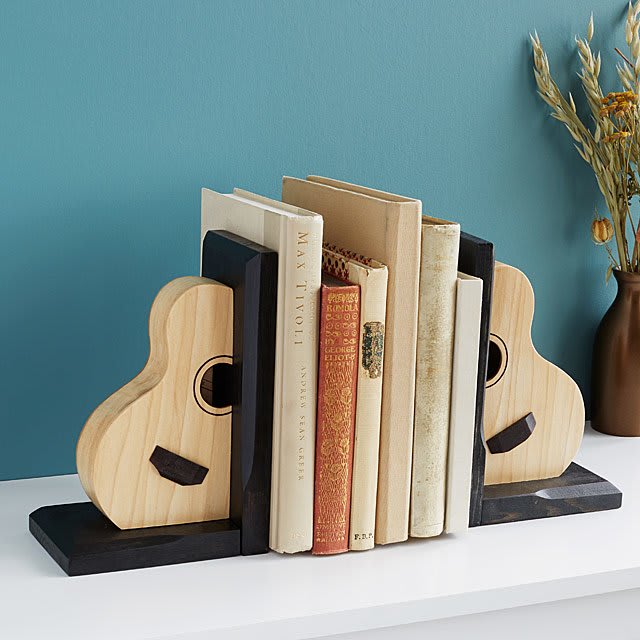
The material composition of bookends is a primary determinant of the message they convey. Solid, weighty materials like polished marble, granite, or bronze exude permanence, stability, and luxury—qualities often associated with established financial institutions or high-end consulting firms. Timber, particularly exotic or reclaimed wood, suggests warmth, tradition, and an appreciation for natural elements, suitable for brands focused on craftsmanship, heritage, or sustainability. Industrial materials such as raw concrete or brushed stainless steel can communicate modernity, innovation, and a minimalist aesthetic, often favored by tech companies or design agencies. Even materials like acrylic or resin, when cleverly designed, can project playfulness, artistic flair, or cutting-edge creativity. The tactile experience and visual weight of these materials contribute significantly to the perceived quality and character of the brand.
Form, Function, and Aesthetic Cohesion
Beyond material, the form or shape of bookends is equally expressive. Sculptural bookends that depict abstract art, iconic symbols, or even miniature architectural elements can serve as focal points, sparking conversation and reflecting a brand’s artistic inclination or intellectual curiosity. Geometric shapes might convey order, precision, and efficiency, aligning with analytical or engineering-focused brands. Figurative bookends, perhaps representing mythical creatures or historical figures, could suggest a narrative approach, storytelling prowess, or a connection to a specific cultural domain. The key is to ensure that the bookends’ form maintains aesthetic cohesion with the overall interior design and the brand’s visual identity, reinforcing a consistent and harmonious message. Their functionality, while crucial, becomes secondary to their communicative power when considered through a branding lens.
Color Palettes and Psychological Resonance

Color is a potent psychological tool in branding, evoking emotions and associations without conscious effort. The color of bookends, whether inherent in their material or applied as a finish, contributes to the overall color palette of a space and, by extension, the brand. Deep blues or greens can signify trust, calm, and professionalism; vibrant reds or yellows might convey energy, creativity, or optimism. Monochromatic or neutral-toned bookends allow other elements to stand out, suggesting sophistication and understated elegance. Contrasting colors can introduce dynamism and visual interest, perhaps reflecting a brand that embraces bold ideas or disruptive innovation. Strategic color selection for bookends ensures they not only blend seamlessly or purposefully stand out but also psychologically reinforce the desired brand attributes, completing the visual story.
Applying Bookends in Brand Strategy
The thoughtful integration of bookends into a brand’s physical presence extends beyond mere decoration; it becomes a deliberate act of strategic communication. From corporate headquarters to personal brand spaces, bookends offer versatile opportunities to reinforce identity.
Corporate Environments: Reinforcing Values and Culture
In corporate settings, bookends can serve as subtle yet powerful anchors for brand identity. In a law firm’s reception area, imposing brass bookends in the shape of scales of justice might silently affirm principles of fairness and balance. A technology firm might opt for sleek, chrome bookends with a futuristic design, signaling innovation and forward-thinking. Beyond client-facing areas, bookends in employee lounges or executive offices can reinforce company culture. A pair depicting a local landmark could emphasize community ties, while bookends showcasing a company’s logo (subtly integrated, not overtly emblazoned) can build internal cohesion and pride. These small details contribute to an immersive brand experience for both internal and external stakeholders, embedding brand values into the everyday environment.
Personal Branding: Crafting a Visual Story
For individuals, particularly those in creative, academic, or public-facing roles, bookends are invaluable tools for personal branding. In a home office used for virtual meetings or content creation, the bookends visible on a shelf can speak volumes about one’s interests, intellectual pursuits, or personal aesthetic. A writer might choose bookends shaped like famous literary figures, hinting at their inspirations. A designer might display minimalist, architecturally inspired bookends, reflecting their professional style. These objects become visual extensions of one’s personal brand, creating a curated backdrop that aligns with their professional persona and enhances credibility. They offer a tangible glimpse into the individual’s world, fostering a sense of authenticity and depth.
Branded Merchandise and Thoughtful Gifting
Bookends also present a unique avenue for branded merchandise or corporate gifting. Rather than generic pens or mugs, a custom-designed pair of bookends can be a memorable and meaningful item. Engraved with a company’s subtle logo, or designed to reflect a key aspect of its mission, these become cherished objects that continue to promote the brand within the recipient’s personal or professional space. They can be presented to long-standing clients, high-performing employees, or esteemed partners as a token of appreciation, embodying quality, thoughtfulness, and lasting value. This elevated form of branded merchandise extends the brand’s reach and strengthens relationships through a distinctive and enduring gift.
The Enduring Relevance of Tangible Brand Touchpoints
In an increasingly digital world, where much of our interaction and information consumption occurs on screens, the role of tangible objects in reinforcing brand identity remains profoundly significant. Bookends, as physical anchors, offer a powerful counterpoint to digital ephemerality.
Anchoring Identity in a Digital World
While digital presence is paramount, physical spaces and objects provide a grounded reality that digital platforms often lack. Bookends, holding real books, offer a tangible connection to knowledge, history, and physical craftsmanship. For a brand operating extensively online, having a strong physical presence, even through small details like carefully chosen bookends in a visible office, can add credibility, substance, and a sense of permanence. They serve as a constant, subtle reminder of the brand’s roots, values, and tangible existence, anchoring its identity in a world that increasingly abstracts it.
Sustainability, Craftsmanship, and Brand Ethos
The renewed global emphasis on sustainability and ethical craftsmanship also elevates the role of objects like bookends. Brands that choose bookends made from sustainably sourced materials, produced through ethical practices, or crafted by artisans, not only acquire a beautiful and functional item but also visibly champion their commitment to responsible consumption and quality. This aligns with a contemporary brand ethos that values transparency, provenance, and positive impact. Such choices communicate a brand’s dedication to values beyond profit, resonating with a discerning audience that prioritizes purpose-driven enterprises. In this context, bookends are not just functional decor; they are embodiments of a brand’s ethical stance and its commitment to a more thoughtful, sustainable future.
aViewFromTheCave is a participant in the Amazon Services LLC Associates Program, an affiliate advertising program designed to provide a means for sites to earn advertising fees by advertising and linking to Amazon.com. Amazon, the Amazon logo, AmazonSupply, and the AmazonSupply logo are trademarks of Amazon.com, Inc. or its affiliates. As an Amazon Associate we earn affiliate commissions from qualifying purchases.