
Blizzards, those awe-inspiring and often terrifying displays of nature’s power, are more than just heavy snowfall. They represent a convergence of meteorological conditions that create a hazardous environment, impacting everything from transportation and infrastructure to daily life. While the raw force of a blizzard is undeniable, the human response to these events is increasingly shaped by technological advancements. From sophisticated forecasting models to resilient infrastructure design and communication systems, technology plays a crucial role in our understanding, preparation for, and eventual recovery from these extreme weather phenomena. This article delves into the technical intricacies of blizzards, exploring the scientific principles behind their formation, the technological tools used for prediction and tracking, and the innovative solutions being developed to enhance safety and resilience in their wake.

Understanding the Meteorological Genesis of Blizzards
At its core, a blizzard is a severe snowstorm characterized by strong winds and low visibility. However, the specific conditions that give rise to these formidable events are a complex interplay of atmospheric forces. Understanding these meteorological underpinnings is the first step in leveraging technology to predict and respond to them effectively.
The Trifecta of Blizzard Conditions: Snow, Wind, and Visibility
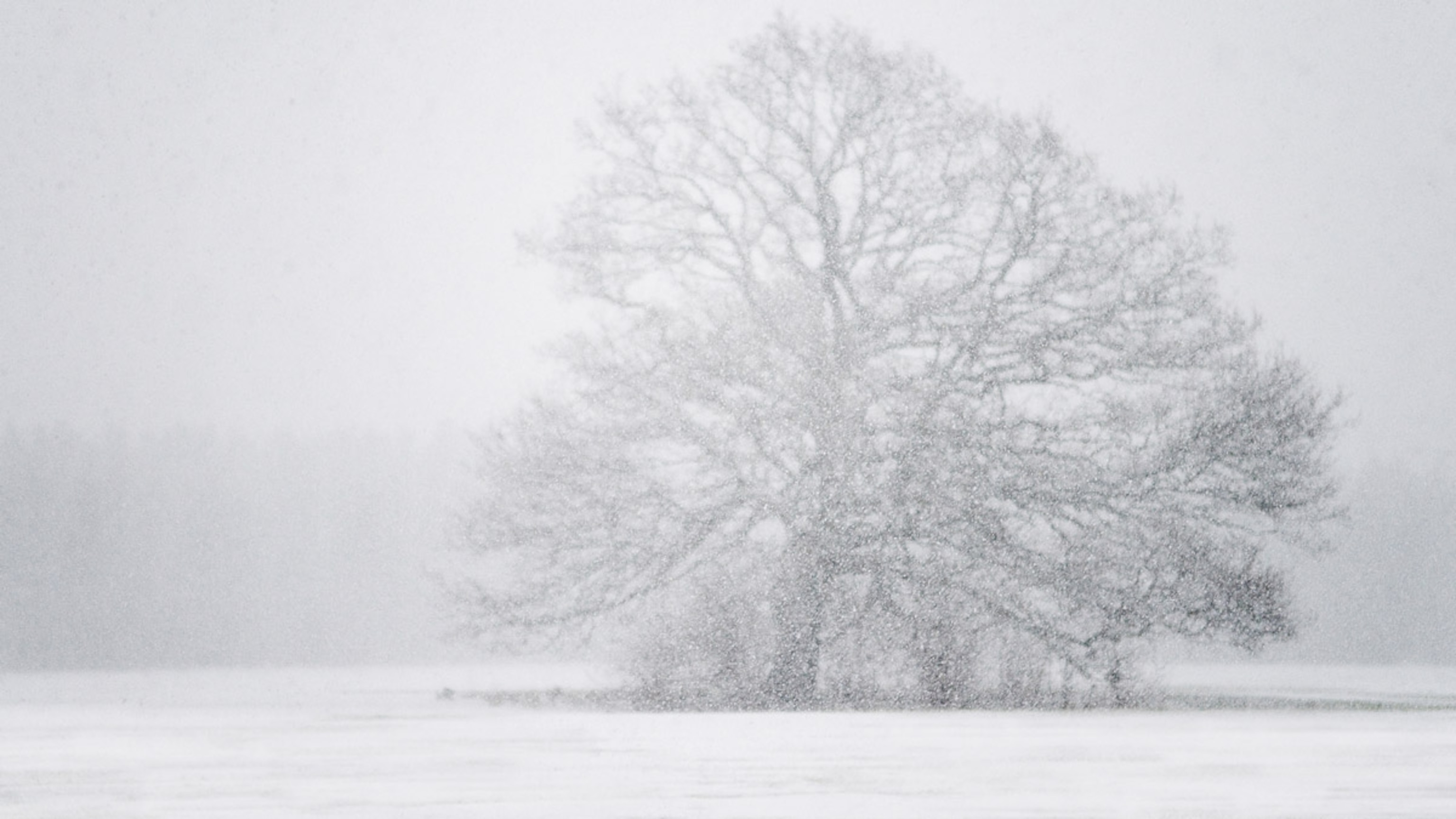
A blizzard is not simply defined by the amount of snow that falls, but by a combination of factors that create hazardous conditions. The National Weather Service in the United States, for instance, defines a blizzard as a storm with winds of at least 35 mph (56 kph), sustained for three hours or more, accompanied by considerable falling or blowing snow that reduces visibility to one-quarter mile or less. This specific definition highlights the critical role of wind in transforming a heavy snowfall into a dangerous blizzard.
The presence of significant snowfall is a prerequisite, as it provides the raw material for blowing snow. However, it is the wind that redistues this snow, creating whiteout conditions and exacerbating the cold. The sustained high winds are typically a result of a strong pressure gradient, often associated with intense low-pressure systems. As air rushes from areas of high pressure to areas of low pressure, the speed of these winds can escalate dramatically, especially when channeled by geographical features or within the storm’s circulation.
Low visibility is the direct consequence of falling and blowing snow, coupled with strong winds. The sheer volume of snow particles suspended in the air can reduce visibility to near zero, making it impossible to navigate safely. This is a critical factor for transportation, as it leads to road closures, flight cancellations, and a general standstill in affected regions. The combination of these three elements – significant snowfall, strong sustained winds, and severely reduced visibility – creates the dangerous and disruptive phenomenon we know as a blizzard.
The Role of Atmospheric Pressure and Temperature Gradients
The formation of a blizzard is intrinsically linked to significant atmospheric pressure differences. Intense low-pressure systems, often referred to as extratropical cyclones, are the engines that drive these storms. These systems develop when warm, moist air from tropical regions meets cold, dry air from polar regions. The collision of these air masses creates a sharp temperature gradient, which is a key ingredient for the development of powerful storms.
As warm air rises and cools, it releases latent heat, further fueling the storm’s development. The pressure at the center of the low-pressure system drops, creating a stronger pressure gradient that, in turn, accelerates the wind speeds. The counter-clockwise rotation of these systems in the Northern Hemisphere (and clockwise in the Southern Hemisphere) brings cold air surging southward and warm, moist air northward, facilitating the continuous supply of moisture needed for heavy snowfall.
Crucially, the temperature within the storm system must be cold enough for precipitation to fall as snow, rather than rain. This typically means temperatures at or below freezing throughout the atmospheric column, from the surface up to the cloud level. The juxtaposition of very cold air and a powerful, moisture-laden low-pressure system is the perfect recipe for a blizzard. Understanding these thermodynamic and dynamic processes is the foundation upon which technological forecasting tools are built.
Technological Arsenal for Blizzard Forecasting and Tracking
The ability to predict and track blizzards has been revolutionized by sophisticated technological tools that leverage vast amounts of data and advanced computational power. These technologies allow meteorologists to identify potential storm development, forecast their intensity, and provide critical warnings to the public.
Advanced Numerical Weather Prediction Models
At the heart of modern weather forecasting are Numerical Weather Prediction (NWP) models. These are complex computer programs that simulate the Earth’s atmosphere using mathematical equations derived from the laws of physics and fluid dynamics. NWP models ingest an enormous amount of data from a global network of sources and use this information to project future atmospheric conditions.
Data sources for NWP models are diverse and technologically advanced. They include:
- Satellites: Geostationary and polar-orbiting satellites provide continuous imagery of cloud cover, temperature, and atmospheric moisture from space. Instruments like radiometers and sounders measure radiation emitted or reflected by the Earth, offering crucial insights into atmospheric composition and structure.
- Weather Balloons (Radiosondes): Launched twice daily from numerous locations worldwide, these balloons carry instruments that measure temperature, humidity, pressure, and wind speed at various altitudes. This data is vital for understanding the vertical structure of the atmosphere.
- Ground-Based Radar: Doppler radar systems can detect precipitation and measure its intensity, as well as infer wind speeds within storms by observing the movement of precipitation particles. This is indispensable for tracking the development and movement of snow bands.
- Surface Weather Stations: Thousands of automated stations across land and sea provide real-time measurements of surface temperature, pressure, wind, and precipitation.
- Aircraft and Buoys: Commercial aircraft often carry sensors that collect atmospheric data during their flights, while ocean buoys provide crucial information from remote marine environments.
The outputs from these NWP models are then analyzed by meteorologists. Different models, running on supercomputers with immense processing power, can produce slightly different forecasts. Forecasters use their expertise to interpret these model outputs, identify areas of agreement or divergence, and make informed predictions about blizzard development, track, and intensity. The continuous refinement and increasing resolution of these models, enabled by advancements in computing power and data assimilation techniques, are continuously improving our ability to forecast severe winter weather.

Doppler Radar and Satellite Imagery in Real-Time Monitoring
While NWP models provide forecasts, real-time monitoring is essential for tracking blizzards as they evolve and for issuing timely warnings. Doppler radar and satellite imagery are the cornerstones of this real-time situational awareness.
-
Doppler Radar: As mentioned earlier, Doppler radar is invaluable for observing precipitation. During a blizzard, radar can reveal the intensity of snowfall, the structure of snow bands, and the presence of strong winds through the detection of wind shear (rapid changes in wind speed or direction). Advanced radar systems can even differentiate between falling snow and blowing snow, providing a more nuanced understanding of the conditions on the ground. The ability to see precipitation in near real-time allows forecasters to track the storm’s movement and anticipate its arrival with greater accuracy.
-
Satellite Imagery: Satellites offer a broader, synoptic view of storm systems. Visible light imagery shows cloud formations, allowing meteorologists to track the overall storm system and identify areas of intense convective activity. Infrared imagery, on the other hand, measures the temperature of cloud tops, which can indicate the height and intensity of storms. For blizzards, satellite imagery is crucial for monitoring the development and movement of the large-scale low-pressure systems that spawn them, as well as for tracking the extent of snow cover and blowing snow. Microwave sensors on satellites can even penetrate clouds to provide information about snowfall rates and water content.
Together, these technologies provide a dynamic, three-dimensional picture of the atmosphere, allowing meteorologists to continuously update their assessments and issue precise warnings to the public, guiding evacuation efforts and safety measures.
Enhancing Resilience and Safety Through Technology
Beyond forecasting, technology is playing an increasingly vital role in mitigating the impacts of blizzards and enhancing the safety of communities. This ranges from infrastructure improvements to advanced communication systems and personal safety devices.
Smart Infrastructure and Predictive Maintenance
The vulnerability of critical infrastructure – power grids, transportation networks, and communication lines – to severe winter weather is a significant concern. However, technological advancements are leading to more resilient designs and proactive maintenance strategies.
-
Grid Modernization (Smart Grids): Modernized power grids are incorporating sensors and automated systems that can detect faults, reroute power, and isolate damaged sections more quickly. This “smart grid” technology aims to minimize the duration and extent of power outages during blizzards, which are often caused by fallen trees, ice accumulation on power lines, and extreme cold affecting equipment. Predictive maintenance, enabled by sensor data analytics, can identify components at risk of failure before a storm hits, allowing for proactive repairs.
-
Intelligent Transportation Systems (ITS): ITS encompasses a range of technologies designed to improve the safety and efficiency of transportation networks. During blizzards, ITS can provide real-time information on road conditions, including closures, hazardous areas, and travel times. Connected vehicle technology, which allows vehicles to communicate with each other and with roadside infrastructure, can warn drivers of impending hazards and help manage traffic flow in adverse conditions. Advanced snowplow and de-icing equipment, often equipped with GPS and sensors, can optimize their routes and applications of materials based on real-time weather data and road surface conditions.
-
Building Resilience: Newer construction standards often incorporate enhanced insulation, stronger materials, and designs that can better withstand heavy snow loads and high winds. Smart building systems can also monitor internal conditions and adjust heating and ventilation to maintain habitability even during prolonged power outages.
Advanced Communication and Warning Systems
Effective communication is paramount during a blizzard. Technological advancements in this area are ensuring that critical information reaches the public swiftly and efficiently.
-
Emergency Alert Systems: Modern emergency alert systems, such as the Wireless Emergency Alerts (WEA) system in the US, allow authorities to send geographically targeted messages to mobile phones. These alerts can provide immediate warnings about approaching blizzards, evacuation orders, and safety instructions.
-
Social Media and Crowdsourced Data: While not always officially sanctioned, social media platforms can serve as a rapid dissemination channel for information, with official agencies using them to provide updates and citizens sharing real-time observations. This crowdsourced data, when validated, can offer valuable on-the-ground insights into current conditions.
-
Robust Communication Networks: Ensuring that communication networks remain operational during a blizzard is a significant technological challenge. Redundant systems, backup power sources, and hardened infrastructure are crucial for maintaining connectivity for emergency responders and the public.
-
Personal Safety Technology: For individuals, technology offers personal safety solutions. This includes battery-powered radios for weather updates, GPS devices for navigation in low visibility, and personal locator beacons for those venturing into remote areas.
In conclusion, blizzards are a potent reminder of nature’s formidable power. However, our ability to understand, predict, and prepare for these events is continually being augmented by technological innovation. From the complex algorithms of numerical weather prediction models to the real-time insights provided by Doppler radar and the resilience built into smart infrastructure, technology is an indispensable ally in our ongoing efforts to navigate and mitigate the challenges posed by severe winter storms. As technology continues to evolve, so too will our capacity to face down the fury of the blizzard.
aViewFromTheCave is a participant in the Amazon Services LLC Associates Program, an affiliate advertising program designed to provide a means for sites to earn advertising fees by advertising and linking to Amazon.com. Amazon, the Amazon logo, AmazonSupply, and the AmazonSupply logo are trademarks of Amazon.com, Inc. or its affiliates. As an Amazon Associate we earn affiliate commissions from qualifying purchases.