
In the modern era, the question “what are biological sciences” can no longer be answered solely through the lens of petri dishes and microscopes. We have entered a transformative phase where biology has effectively become an information science. Today, biological sciences represent a sophisticated intersection of organic life and cutting-edge technology—a field where DNA is treated as code, cells are viewed as programmable hardware, and software algorithms are the primary tools for unlocking the mysteries of the natural world.
The convergence of biotechnology, artificial intelligence, and data science has redefined the biological sciences as a cornerstone of the global tech industry. This article explores how modern biological sciences are being rewritten by technological innovation, from the computational analysis of the human genome to the engineering of synthetic organisms.
The Transformation of Life Sciences into Data Sciences
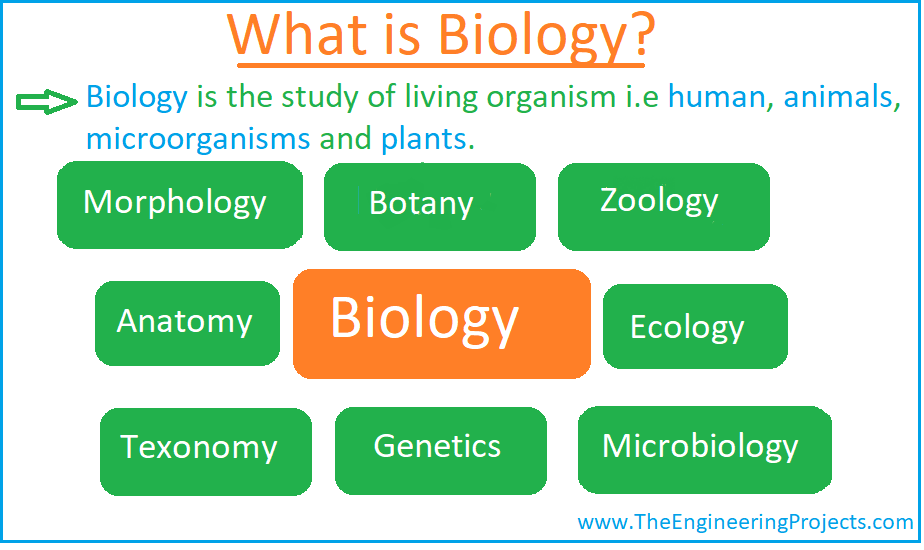
The traditional definition of biological sciences—the study of living organisms—has expanded to include the management and interpretation of massive datasets. In the tech world, this is often referred to as “Digital Biology.” We are no longer just observing nature; we are digitizing it.
From Microscopes to High-Performance Computing
In the past, a biologist’s primary tool was the microscope, used to observe physical structures. Today, the primary tool is often a high-performance computing (HPC) cluster. The sheer volume of data generated by modern genomic sequencing requires petabytes of storage and immense processing power. Biological sciences now rely on “Cloud Biology,” where researchers use scalable cloud infrastructure to run complex simulations that would have been impossible a decade ago.
The Rise of Bioinformatics and Computational Biology
Bioinformatics is the software engine of modern biology. It involves the development of algorithms and software tools for understanding biological data, especially when the datasets are large and complex. By applying computer science to biology, researchers can identify patterns in genetic sequences, predict the structure of proteins, and model the spread of diseases. This niche represents the ultimate marriage of software engineering and organic chemistry, creating a new career path for developers and data scientists.
AI and Machine Learning: The New Architects of Biology
Perhaps the most significant tech trend within the biological sciences is the integration of Artificial Intelligence (AI) and Machine Learning (ML). These tools are doing more than just organizing data; they are making discoveries that the human brain is not equipped to find.
AlphaFold and the Protein Folding Revolution
One of the most monumental achievements in recent tech history is DeepMind’s AlphaFold. For fifty years, the “protein folding problem”—predicting the 3D shape of a protein from its amino acid sequence—was a bottleneck in biological research. Using deep learning, AlphaFold has predicted the structures of nearly all known proteins. This is a “tech-first” solution to a biological problem, providing a digital library that accelerates drug discovery and material science at an exponential rate.
Accelerating Drug Discovery with Neural Networks
The traditional pharmaceutical pipeline is notoriously slow and expensive. However, AI-driven biotech startups are using neural networks to screen millions of chemical compounds in a virtual environment before a single “wet lab” experiment is conducted. By using predictive modeling, tech companies can identify which molecules are most likely to bind to a specific target, reducing the time and cost of drug development by years and billions of dollars.
Generative Biology and Synthetic Design
Just as Large Language Models (LLMs) like GPT-4 can generate text, “Generative Biology” models are being developed to design entirely new proteins and enzymes that do not exist in nature. These AI tools allow scientists to “prompt” a biological system to create a protein that can break down plastic or target a specific cancer cell. This is the pinnacle of biological science as a programmable technology.
Engineering Life: The Software of Genetic Modification
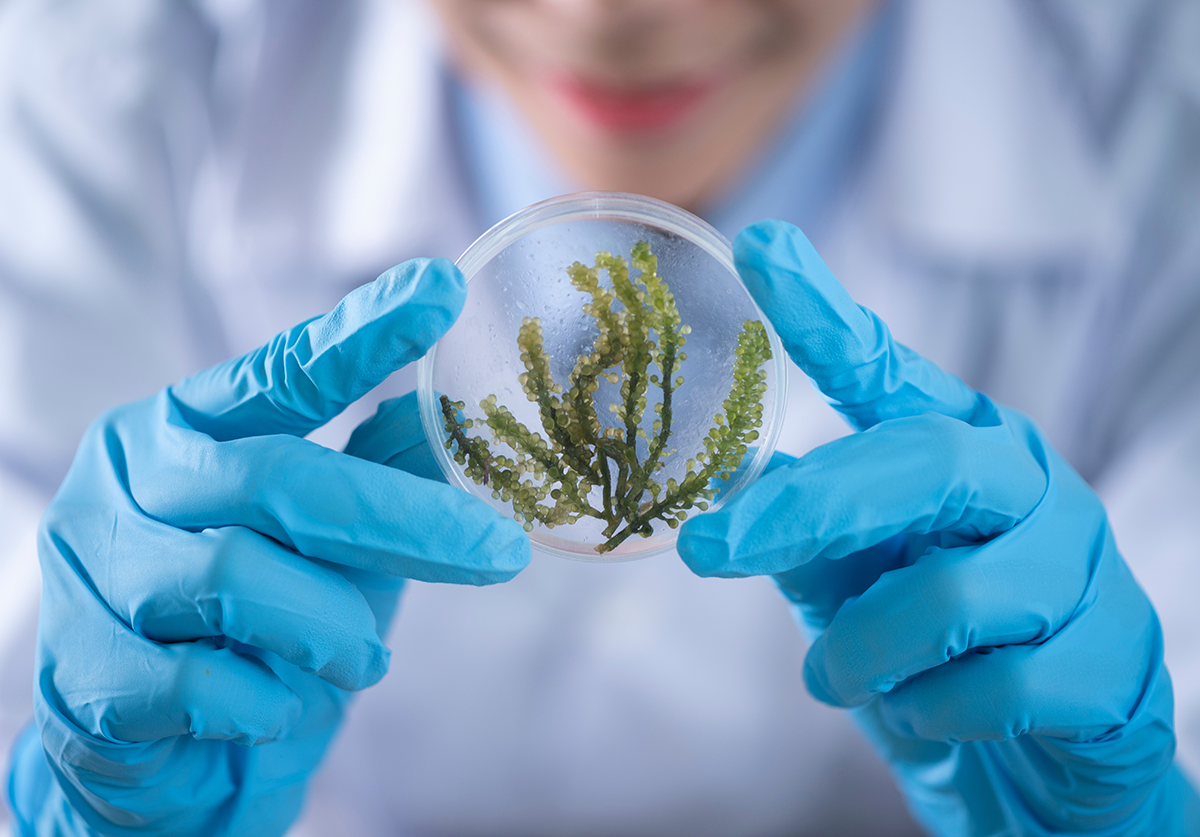
If AI is the architect, then gene-editing technologies like CRISPR are the code editors. In the context of technology trends, we view the genome as the ultimate source code, and biological sciences as the practice of debugging and optimizing that code.
CRISPR-Cas9 as a Precision Editing Tool
CRISPR technology has moved biological sciences into the realm of “Precision Tech.” It allows for the targeted editing of DNA sequences with a level of accuracy that mirrors a developer’s find-and-replace function in a code editor. This technology is being integrated into automated “bio-foundries”—highly roboticized labs where software controls the manipulation of genetic material with minimal human intervention.
Synthetic Biology and Biological Programming
Synthetic biology takes the tech analogy a step further by applying engineering principles to biology. The goal is to create standardized “bio-bricks”—sequences of DNA that perform specific functions—which can be plugged into an organism to give it new capabilities. This is essentially modular programming for life. Tech firms are now investing heavily in synthetic biology to create sustainable fuels, lab-grown leather, and bio-computers that use DNA to store digital information.
DNA Data Storage: The Future of Hardware
One of the most fascinating intersections of biology and tech is the use of DNA as a high-density storage medium. Because DNA is incredibly stable and can pack data much more tightly than silicon-based hard drives, tech giants are researching ways to encode binary data into synthetic DNA strands. In this scenario, biological sciences provide the hardware solutions for the world’s burgeoning data crisis.
Digital Security and Ethics in the Biological Age
As biological sciences become increasingly digital, they inherit the challenges of the tech world, specifically regarding digital security and the ethical use of data. When life becomes code, that code can be hacked, leaked, or misused.
Biosecurity and the Threat of Digital Bio-Hacking
The digitization of genetic sequences means that a virus’s “blueprint” can be sent as an email attachment. This has given rise to the field of biosecurity in the digital age. Ensuring that DNA synthesis machines do not inadvertently print dangerous pathogens requires robust digital screening algorithms. Protecting “Bio-IP” (Biological Intellectual Property) from cyber-espionage is now a top priority for biotech firms and national security agencies.
The Ethics of Human Augmentation and Data Privacy
Biological sciences also intersect with the “Personal Tech” and “Privacy” sectors. As consumer DNA testing becomes ubiquitous, the privacy of one’s genetic data becomes a significant digital concern. Who owns your genetic code? Can it be used by insurance companies or tech firms for targeted marketing? Furthermore, the potential for using tech to enhance human biology (the “Transhumanism” trend) raises profound ethical questions that the tech industry must navigate alongside regulators.
The Future Landscape: Convergence and Connectivity
Looking ahead, the biological sciences will continue to merge with the Internet of Things (IoT) and wearable technology, creating a continuous loop of biological feedback and digital intervention.
Wearable Bio-sensors and Real-Time Monitoring
The next generation of gadgets will move beyond tracking steps to monitoring real-time biological markers like glucose levels, hormone fluctuations, and even early signs of cellular stress. These biological sciences-backed gadgets will turn the human body into a “connected device,” providing a stream of data that AI can use to offer personalized health optimizations.
The Democratization of Biotech through Open Source
We are seeing the rise of “Open Source Biology,” where genetic sequences and research tools are shared freely on platforms similar to GitHub. This movement aims to accelerate innovation by allowing a global community of developers and scientists to collaborate on biological problems. This shift from proprietary, closed-door research to a collaborative tech-style ecosystem is fundamental to the rapid advancement of modern biological sciences.

Conclusion
To ask “what are biological sciences” in the 21st century is to ask about the future of technology itself. We have moved past the era where biology was a separate, “soft” science. It is now a hard tech discipline, driven by software, powered by AI, and secured by encryption. As we continue to bridge the gap between silicon and carbon, the biological sciences will remain the most exciting frontier for technological innovation, offering the tools to not only understand life but to design the future of it.
aViewFromTheCave is a participant in the Amazon Services LLC Associates Program, an affiliate advertising program designed to provide a means for sites to earn advertising fees by advertising and linking to Amazon.com. Amazon, the Amazon logo, AmazonSupply, and the AmazonSupply logo are trademarks of Amazon.com, Inc. or its affiliates. As an Amazon Associate we earn affiliate commissions from qualifying purchases.