
In the realm of global commodities, few products have undergone a more radical identity shift than coconut oil. Once vilified by health organizations and food scientists in the late 20th century as a dangerous source of saturated fat, it has emerged in the modern era as a quintessential “superfood” and a staple of the multi-billion dollar wellness industry. This evolution was not an accident of nature; it was a masterclass in brand strategy, narrative repositioning, and tactical market positioning.
When we analyze the “benefits” of coconut oil from a branding perspective, we are not merely looking at fatty acid profiles. Instead, we are looking at how a product can be decoupled from its chemical reality and re-anchored to a lifestyle aspiration. This article explores how strategic branding transformed coconut oil from an industrial byproduct and a nutritional pariah into a premium consumer obsession.

Rebranding a Villain: How Coconut Oil Overcame Negative Perception
The primary benefit of coconut oil to the marketing world is its status as the ultimate case study in narrative inversion. To understand where the brand stands today, one must acknowledge the “Tropical Oil Scare” of the 1980s and 90s. During this period, intense lobbying from domestic oil industries (such as soybean and corn) branded coconut oil as an artery-clogging hazard. For a brand to survive such a catastrophic reputation, a complete structural overhaul of its identity was required.
The Narrative Pivot from Saturated Fat to Superfood
The first step in the coconut oil rebranding strategy was the “de-stigmatization” process. Brands stopped competing on the traditional terrain of “low fat”—a battle they were destined to lose—and instead introduced a new vocabulary into the consumer consciousness. By focusing on Medium-Chain Triglycerides (MCTs), marketers successfully changed the conversation from “fat is bad” to “this specific fat is fuel.”
This pivot allowed coconut oil to bypass the negative associations of the past by aligning itself with a burgeoning niche: the functional food movement. Brands didn’t just sell oil; they sold cognitive enhancement, metabolic efficiency, and sustained energy. This linguistic shift is a powerful tool in brand strategy, demonstrating that when a product’s core attribute is perceived as a weakness, the solution is often to rename and re-contextualize that attribute as a unique selling proposition (USP).
Leveraging Scientific Ambiguity for Market Growth
Great branding often thrives in the space between established fact and emerging hypothesis. Coconut oil brands leveraged preliminary studies regarding lauric acid and antimicrobial properties to build a “halo effect” around the product. In the branding world, a halo effect occurs when one positive trait (e.g., “natural”) leads consumers to assume other positive traits (e.g., “cures everything”).
By sponsoring wellness influencers and partnering with holistic practitioners, brands created a grassroots legitimacy that traditional advertising could not buy. They positioned coconut oil as a “forgotten ancient wisdom,” contrasting it with “processed industrial oils.” This dichotomy—Nature vs. Industry—is a classic branding archetype that resonates deeply with modern consumers who are skeptical of large-scale food manufacturing.
Strategic Positioning: The Role of Lifestyle Branding
One of the most significant brand benefits of coconut oil is its versatility, which allowed it to occupy multiple “verticals” simultaneously. Most products are confined to a single aisle in the grocery store. Coconut oil, through clever brand positioning, successfully bridged the gap between the pantry, the vanity, and the gym.
The Clean Beauty Influence and Cross-Vertical Integration
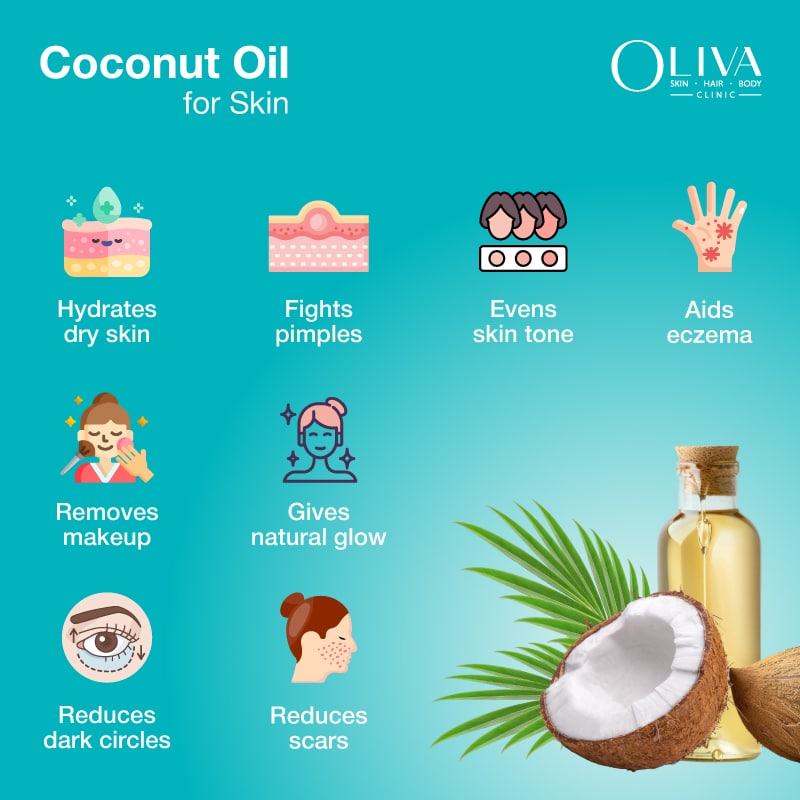
The “Clean Beauty” movement provided the perfect vehicle for coconut oil to expand its brand footprint. By positioning the product as a “one-ingredient wonder,” brands tapped into the consumer’s desire for simplicity and transparency. In an era where cosmetic ingredient lists are long and unintelligible, the coconut oil brand stood for purity.
This cross-vertical integration is a high-level brand strategy. When a consumer uses the same product to sauté vegetables and to moisturize their skin, the brand’s “stickiness” increases exponentially. The product becomes an indispensable part of their daily ritual rather than just an occasional ingredient. Brands like Nutiva and Viva Naturals capitalized on this by ensuring their packaging looked equally at home in a kitchen or a bathroom, utilizing minimalist aesthetics that signaled “apothecary grade” quality.
Targeting the Wellness Demographic through Influencer Synergy
The rise of the Keto and Paleo diets offered a lucrative “hook” for coconut oil branding. Brand managers recognized that these dietary tribes were not just looking for food; they were looking for identity markers. By positioning coconut oil as the “gold standard” fat for these communities, brands were able to command a premium price point.
The strategy involved heavy investment in influencer marketing. When a fitness icon adds a spoonful of coconut oil to their morning coffee (the “Bulletproof” trend), they are performing a brand ritual. For the consumer, purchasing that specific oil is an act of participation in that high-performance lifestyle. This is the pinnacle of personal branding intersecting with product branding: the oil is no longer a commodity; it is a tool for self-optimization.
Corporate Identity and Global Supply Chain Branding
As coconut oil moved into the mainstream, the brand narrative had to evolve to meet the demands of the “conscious consumer.” The benefits of the product were no longer just about the individual’s health, but about the health of the planet and the fairness of the trade.
Sustainability as a Brand Moat
In a crowded market, ethical branding becomes a “moat”—a defensive advantage that competitors find hard to duplicate. As reports surfaced regarding the environmental impact of palm oil, coconut oil brands seized the opportunity to position themselves as the ethical alternative.
Keywords like “Cold-Pressed,” “Extra Virgin,” “Non-GMO,” and “Fair Trade” became essential components of the brand’s visual identity. These weren’t just certifications; they were trust signals. For a premium brand, these signals justify a 200–300% markup over generic vegetable oils. The brand promise moved from “this is good for you” to “this is good for the world,” tapping into the psychological “warm glow” that consumers feel when making an ethical purchase.
Premiumization and Packaging Strategies
The visual language of coconut oil changed significantly during its boom. Early iterations were often sold in industrial-looking plastic tubs. Modern, market-leading brands shifted to heavy glass jars, metallic foils, and earth-toned labels. This is a strategy known as “premiumization.”
By changing the weight, texture, and visual appeal of the packaging, brands communicated that this was not a “grease” but a “luxury lipid.” The use of wide-mouth jars was a functional branding choice—it encouraged consumers to “scoop” the product, mimicking the experience of high-end skin creams. This tactile experience reinforces the brand’s positioning as a high-value, multi-purpose asset.
Future Outlook: Maintaining Brand Relevance in a Volatile Market
The lifecycle of a “superfood” brand is notoriously volatile. As nutritional science continues to evolve and new “miracle” oils (like avocado or algae oil) enter the market, the coconut oil industry faces the challenge of “brand fatigue.”
Navigating Skepticism and Regulatory Scrutiny
In recent years, the American Heart Association and other bodies have pushed back against the “health halo” of coconut oil. For a brand, this is a moment of crisis management. The most successful brands have responded not by arguing with the science, but by diversifying the brand narrative.
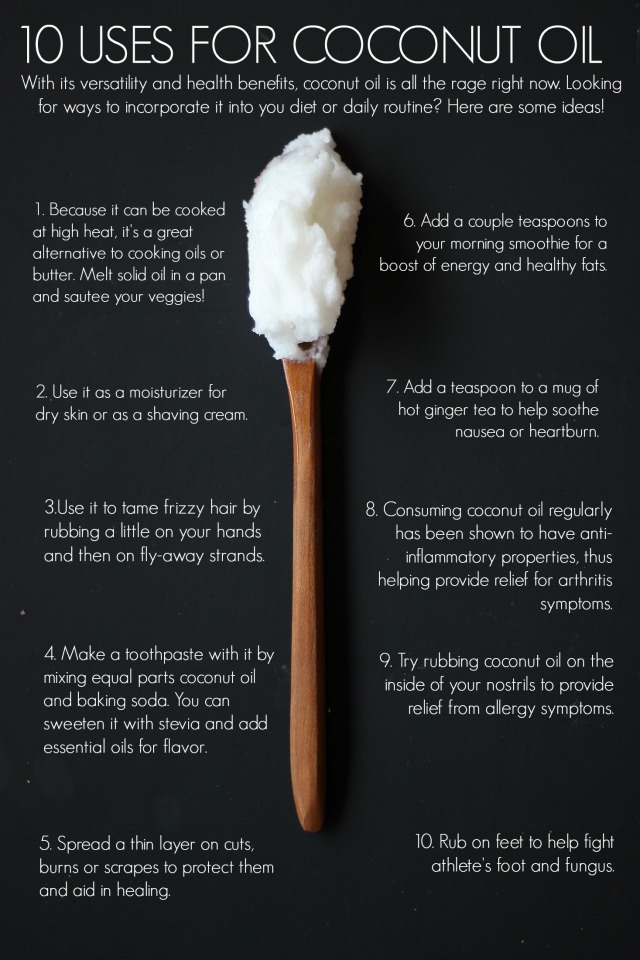
They have shifted focus away from internal consumption (heart health) toward topical applications (hair and skin) and “performance” benefits (MCT energy). This agility—the ability to shift the brand’s primary benefit in response to market sentiment—is what separates enduring brands from short-lived fads.
The Evolution into Value-Added Products
To avoid the “commoditization trap,” where the only differentiator is price, leading coconut oil brands are moving into value-added products. This includes coconut-oil-based coffee creamers, vegan butters, and specialized hair masks. By embedding the “benefit” of coconut oil into a more complex, branded formulation, companies can protect their margins and create deeper customer loyalty.
The story of coconut oil’s benefits is, ultimately, a story of perception management. It demonstrates that with the right brand strategy, a product can overcome a negative legacy, cross into multiple lifestyle categories, and become a cultural icon. The “benefit” of coconut oil isn’t just in the jar; it’s in the story the brand tells the consumer about who they are and what they value. In the world of branding, perception is not just reality—it is the bottom line.
aViewFromTheCave is a participant in the Amazon Services LLC Associates Program, an affiliate advertising program designed to provide a means for sites to earn advertising fees by advertising and linking to Amazon.com. Amazon, the Amazon logo, AmazonSupply, and the AmazonSupply logo are trademarks of Amazon.com, Inc. or its affiliates. As an Amazon Associate we earn affiliate commissions from qualifying purchases.