
The very essence of life, as we understand it, is encoded within Deoxyribonucleic Acid, or DNA. This remarkable molecule, a double helix of astonishing complexity, serves as the blueprint for every living organism on Earth. Understanding the fundamental building blocks of this blueprint is not just a matter of biological curiosity; it’s a cornerstone of modern biotechnology, genetic engineering, and a burgeoning field of technological innovation. At the heart of DNA’s intricate structure lie its bases – the chemical units that dictate the sequence and, therefore, the instructions for life.

The concept of DNA bases might seem abstract, but their implications are profoundly technological. From developing advanced diagnostics and personalized medicine to engineering novel organisms for industrial applications and unraveling the mysteries of evolution, a deep understanding of these molecular components is paramount. In the realm of technology, DNA is no longer just a subject of study; it’s becoming a programmable entity, a substrate for computation, and a target for intricate manipulation. This article will delve into the fundamental nature of DNA bases, their role in the genetic code, and their burgeoning significance within the technological landscape.
The Molecular Architecture: Adenine, Guanine, Cytosine, and Thymine
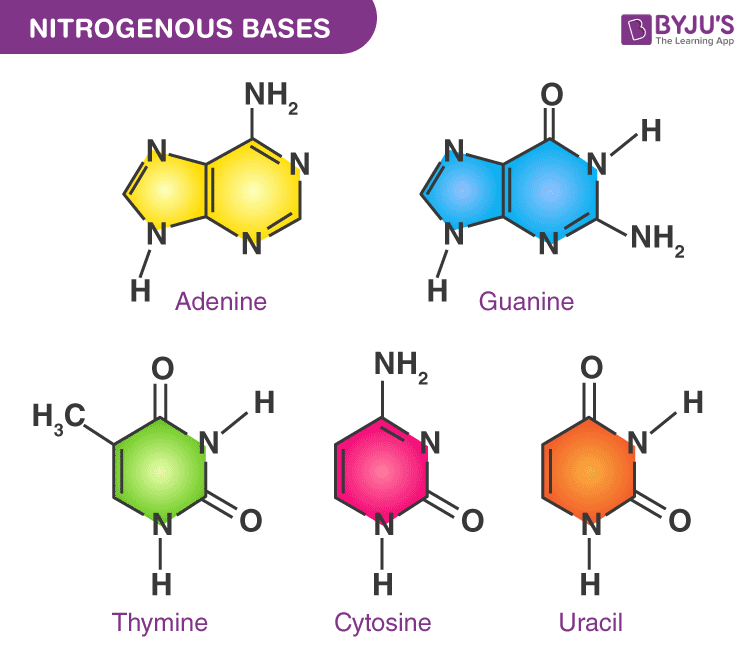
DNA is a polymer, a long chain of repeating units. These repeating units are called nucleotides, and each nucleotide consists of three components: a phosphate group, a deoxyribose sugar, and one of four nitrogenous bases. It is these bases that carry the genetic information. The four fundamental bases found in DNA are Adenine (A), Guanine (G), Cytosine (C), and Thymine (T). These bases are classified into two groups based on their chemical structure: purines and pyrimidines.
Purines: The Double-Ringed Architects
Adenine (A) and Guanine (G) are classified as purines. Their molecular structure features a double-ringed system. This double-ringed structure is crucial for their interaction with other molecules and for the overall stability of the DNA helix. In the context of DNA technology, understanding the specific chemical properties of purines, such as their electron distribution and hydrogen bonding capabilities, is vital for designing synthetic DNA analogs or for developing techniques that selectively target or modify these bases. For instance, in oligonucleotide synthesis, the precise chemical synthesis of these purine bases, often with modified side chains for enhanced stability or functionality, is a critical step. The ability to accurately assemble these purine-containing nucleotides into specific sequences is a testament to advancements in automated DNA synthesis, a core technology in molecular biology and genetic engineering.
Pyrimidines: The Single-Ringed Complementors
Cytosine (C) and Thymine (T) are classified as pyrimidines, characterized by their single-ringed structure. These bases play an equally critical role in the genetic code. Their sizes and shapes are complementary to those of the purines, a fact that underpins the entire structure and function of DNA. The pairing rules, where Adenine always pairs with Thymine (A-T) and Guanine always pairs with Cytosine (G-C), are fundamental to DNA replication and transcription – processes that are extensively studied and manipulated in various technological applications. For example, PCR (Polymerase Chain Reaction), a revolutionary technology used to amplify specific DNA sequences, relies on primers that are designed to bind specifically to complementary pyrimidine-rich regions. The accurate detection and synthesis of these pyrimidine bases are therefore essential for the success of such diagnostic and research tools.
The Language of Life: Base Pairing and the Genetic Code
The specific sequence of these four bases along the DNA strand forms the genetic code, the language that instructs cells on how to build and operate. The pairing of bases – A with T and G with C – is not arbitrary; it’s governed by specific hydrogen bonds, which are relatively weak but sufficient to hold the two strands of the DNA double helix together, while also allowing for them to be separated during essential cellular processes like replication and transcription. This complementarity is a fundamental principle in molecular biology and has been ingeniously harnessed by biotechnological tools.
Watson-Crick Pairing: The Foundation of Information Transfer

The classic Watson-Crick base pairing model, where Adenine always pairs with Thymine via two hydrogen bonds, and Guanine always pairs with Cytosine via three hydrogen bonds, is the bedrock of genetic information storage and transfer. This precise pairing ensures that when DNA replicates, each strand serves as a template for the synthesis of a new, complementary strand, thereby faithfully copying the genetic information. In the technological realm, this principle is exploited in techniques like DNA sequencing. Modern sequencing technologies, such as next-generation sequencing (NGS), rely on detecting these base pairs with incredible accuracy, allowing scientists to read the entire genome of an organism. The development of fluorescently labeled nucleotides and sophisticated detection systems are direct technological outcomes of understanding this fundamental pairing mechanism.
Beyond the Standard Four: Modified Bases and Synthetic Biology
While A, G, C, and T are the canonical bases of DNA, the field of synthetic biology is pushing the boundaries by exploring and even engineering organisms with DNA that contains more than the standard four bases. These “unnatural” base pairs (UBPs) offer the potential for entirely new forms of genetic information storage, protein synthesis, and even novel therapeutic applications. The design and synthesis of UBPs, as well as the development of enzymes capable of replicating and transcribing DNA containing these modified bases, represent cutting-edge technological challenges and opportunities. This research is not just about academic interest; it has the potential to create organisms with tailored properties for producing pharmaceuticals, biofuels, or even novel materials, showcasing how understanding the fundamental bases of DNA can lead to transformative technologies.
Technological Applications: From Sequencing to Synthetic Genomes
The understanding of DNA bases and their pairing rules has unlocked a Pandora’s Box of technological applications that are revolutionizing healthcare, agriculture, and beyond. These applications are direct descendants of comprehending the molecular language written in A, G, C, and T.
DNA Sequencing: Reading the Genetic Code
One of the most profound technological achievements stemming from our knowledge of DNA bases is DNA sequencing. Technologies like Sanger sequencing and the more recent next-generation sequencing (NGS) platforms are essentially advanced methods for determining the precise order of A, G, C, and T along a DNA molecule. These technologies have dramatically reduced the cost and increased the speed of sequencing, making it possible to map the genomes of countless organisms, from humans to microbes. This capability is driving personalized medicine, enabling doctors to tailor treatments based on an individual’s genetic makeup, and is crucial for identifying genetic predispositions to diseases. The intricate chemical processes and sophisticated optical detection systems employed in sequencing machines are marvels of engineering, all built upon the fundamental principles of DNA base interactions.
Gene Editing: Rewriting the Blueprint
Technologies like CRISPR-Cas9, which have revolutionized gene editing, are also deeply intertwined with the understanding of DNA bases. CRISPR systems use guide RNAs, which are short sequences of nucleotides complementary to the target DNA, to direct the Cas9 enzyme to a specific location in the genome. The precision of this targeting relies on the base-pairing rules. By precisely identifying and altering specific sequences of A, G, C, and T, scientists can now disable faulty genes, introduce new genetic traits, or correct genetic mutations. This has immense implications for treating genetic diseases, developing disease-resistant crops, and even for fundamental biological research, pushing the boundaries of what is possible with biological systems. The development of CRISPR systems and their delivery mechanisms is a testament to ongoing technological innovation in manipulating the DNA sequence.
DNA Computing and Data Storage: A New Frontier
The inherent stability and density of information storage within DNA are also being explored for revolutionary technological applications like DNA computing and DNA data storage. The four bases can be used to represent binary data (0s and 1s), and the vast number of possible sequences in even a small amount of DNA allows for an incredibly high density of information storage. Scientists are developing methods to encode digital information into synthetic DNA strands and then retrieve it through sequencing. This technology promises a storage medium far more durable and dense than current digital methods. Furthermore, DNA computing envisions using DNA molecules to perform computations, leveraging molecular interactions to solve complex problems. These emerging fields highlight how the fundamental properties of DNA bases are inspiring entirely new paradigms in information technology, moving beyond silicon-based computing.
In conclusion, the bases of DNA – Adenine, Guanine, Cytosine, and Thymine – are far more than just chemical components. They are the letters of life’s alphabet, forming the words and sentences of our genetic code. The technological innovations that have emerged from deciphering and manipulating this code are already transforming our world. From reading the entire spectrum of human genetic diversity to precisely editing the building blocks of life and exploring novel forms of computation and data storage, the understanding of DNA bases remains a vibrant and rapidly evolving frontier in the technological landscape. As our ability to interact with and engineer DNA continues to advance, the implications for science, medicine, and society at large will only continue to grow.
aViewFromTheCave is a participant in the Amazon Services LLC Associates Program, an affiliate advertising program designed to provide a means for sites to earn advertising fees by advertising and linking to Amazon.com. Amazon, the Amazon logo, AmazonSupply, and the AmazonSupply logo are trademarks of Amazon.com, Inc. or its affiliates. As an Amazon Associate we earn affiliate commissions from qualifying purchases.