
The ubiquitous image of the Babushka doll, with its cheerful painted face and nested layers, transcends its origins as a simple wooden toy. It has become a powerful symbol, a cultural ambassador, and indeed, a meticulously crafted brand that communicates heritage, craftsmanship, and a unique narrative. For centuries, brands have sought to create enduring recognition, emotional resonance, and a clear identity – all qualities that the Babushka doll possesses in spades. Understanding “what are Babushka dolls” necessitates looking beyond their physical form to appreciate their intricate branding strategy, albeit one developed organically through cultural evolution rather than a corporate boardroom. They represent a potent example of how an object can develop an unmistakable corporate identity for an entire culture, acting as a marketing vehicle and a symbol of national heritage.

The Genesis of an Icon: Crafting a Cultural Identity
The journey of the Babushka doll from a local craft to a global brand is a testament to its compelling design and the universal appeal of its core concept. Its brand identity was forged in the late 19th century, drawing inspiration from both traditional Russian folk art and Japanese nesting dolls.
From Folk Art to Global Phenomenon: Establishing Core Brand Values
The first Babushka doll, created around 1890 by Vasily Zvyozdochkin and painted by Sergey Malyutin, was not merely a novelty; it was an encapsulation of Russian rural life and tradition. The initial design depicted a peasant girl holding a rooster, followed by her sisters and a baby. This immediate connection to an idealized pastoral Russia, with themes of family, fertility, and continuity, formed the foundational brand values. These values resonated deeply, giving the dolls an authentic narrative from the outset. Early proponents recognized their potential, showcasing them at the Exposition Universelle in Paris in 1900, where they earned a bronze medal. This strategic early “marketing” move launched the Babushka doll onto the international stage, transforming it from a regional curiosity into an emblem of Russian artistry and cultural identity. This exposure solidified its brand recognition globally, establishing it as a unique product from a specific origin, much like a modern brand seeks to establish its unique selling proposition and geographic indicator. The dolls became synonymous with “Russian Souvenir,” a potent and enduring brand association.
Design Principles and Enduring Appeal: The Visual Brand Language
The core design of the Babushka doll – multiple figures of decreasing size nested within one another – is its most distinctive visual brand language. This ingenious structure is not just functional but deeply symbolic, representing layers of identity, family lineage, and the hidden depths of personality. Each doll is traditionally hand-painted, showcasing intricate details, vibrant colors, and often depicting traditional Russian attire, floral patterns, or characters from folklore. This commitment to artisanal quality and distinctive aesthetic ensures a consistent and recognizable brand image. The nested design offers a unique “unboxing” experience, a form of interactive engagement that predates modern product design by over a century. This experience fosters an emotional connection with the product, a key objective for any successful brand. The enduring appeal lies in this combination of whimsical aesthetics, the surprise element of discovery, and the intrinsic symbolism, making the Babushka doll an instantly recognizable and deeply cherished brand icon across cultures.
The Babushka Brand Ecosystem: Marketing, Adaptation, and Influence
As a brand, the Babushka doll has demonstrated remarkable versatility and market penetration, extending its influence far beyond its original intent. Its ecosystem encompasses diverse product lines, cultural diplomacy, and a pervasive presence in global consciousness.
Beyond Souvenirs: Product Diversification and Market Presence
While their initial success was largely as souvenirs, Babushka dolls have effectively diversified their “product” offerings and market presence. They can be found in a spectrum of forms, from inexpensive mass-produced trinkets sold at tourist markets to high-end, intricately painted collector’s items crafted by master artisans. This tiered approach to the market demonstrates a clever, albeit organic, segmentation strategy. Furthermore, the Babushka concept has inspired countless reinterpretations. Dolls have been created depicting political figures, celebrities, cartoon characters, and even abstract designs, demonstrating the adaptability of the core brand framework to new themes and target demographics. This “licensing” of the Babushka form for various pop culture references expands its market reach and keeps the brand relevant across generations. The sheer ubiquity of the Babushka doll, even outside Russia, speaks volumes about its successful global market penetration, proving its adaptability as a recognizable brand template for various creative expressions and consumer demands.
Cultural Diplomacy and Soft Power Branding: The Ambassadorial Role
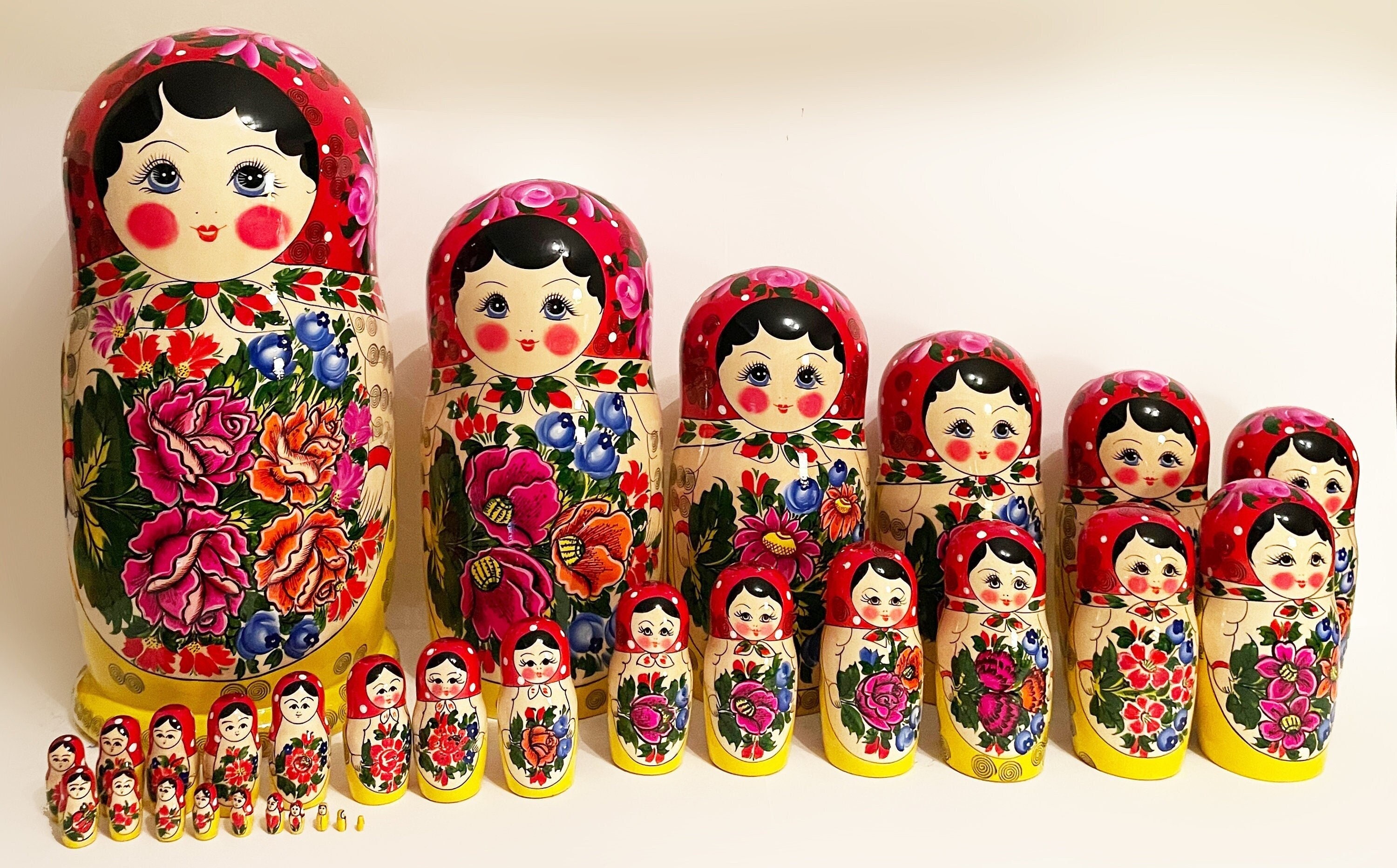
The Babushka doll has played an unwitting yet powerful role in cultural diplomacy, acting as a form of “soft power branding” for Russia. Much like Swiss watches or Japanese kimonos, Babushka dolls serve as tangible ambassadors for their country of origin. They offer a friendly, accessible, and charming representation of Russian culture, often softening perceptions and fostering curiosity. During the Cold War, for instance, these dolls provided a rare, humanizing glimpse into a largely inaccessible nation. When tourists return home with a Babushka doll, they carry not just an object, but a story, a piece of cultural identity that sparks conversation and builds connections. This organic, grassroots marketing strategy has been incredibly effective, far outstripping the reach of formal diplomatic efforts at times. The dolls contribute to a positive national image, subtly influencing global perceptions and encouraging cultural exchange. They exemplify how cultural products, by virtue of their strong brand identity and universal appeal, can transcend commercial value to become instruments of international understanding and goodwill.
Brand Challenges and Evolution: Protecting Identity in a Globalized Market
Like any successful brand, the Babushka doll faces challenges related to authenticity, imitation, and the need for continued relevance in an ever-changing global landscape. These issues highlight the complexities of managing a cultural brand without a formal brand guardian.
Authenticity vs. Imitation: The Challenge of Brand Protection
The global popularity of Babushka dolls inevitably led to widespread imitation. Cheaper, mass-produced versions, often lacking the traditional craftsmanship and artistic detail, flooded the market. This phenomenon presents a significant challenge to the brand’s authenticity and perceived quality. While imitation can sometimes be a sign of success, unchecked counterfeiting can dilute the brand’s value and confuse consumers about what constitutes a genuine Babushka doll. Unlike corporate brands with trademarks and patents, the Babushka doll, as a cultural brand, has no single legal entity to protect its intellectual property or enforce quality standards. The onus often falls on individual artisans and cultural institutions to educate consumers about the hallmarks of authentic, high-quality dolls. This struggle between preserving the integrity of the original brand and the proliferation of imitations is a common dilemma for established cultural symbols, underscoring the importance of origin and craftsmanship as key brand differentiators.
Modern Interpretations and Brand Reinvention: Staying Relevant
To remain vibrant and relevant, even traditional brands must evolve. Babushka dolls have demonstrated a remarkable capacity for reinvention, adapting to contemporary tastes while retaining their core identity. Artists and designers continuously create modern interpretations, using new themes, styles, and even materials. This can range from minimalist designs and abstract patterns to dolls depicting contemporary social commentary or pop culture icons. These modern renditions ensure the Babushka doll remains current, appealing to new generations and preventing it from becoming a mere relic of the past. This process of continuous artistic innovation acts as a form of brand refreshing, demonstrating the flexibility of the core concept. By embracing new ideas and allowing for creative adaptation, the Babushka doll brand successfully navigates the balance between honoring tradition and embracing modernity, a critical strategy for any brand seeking longevity and sustained market interest.
The Enduring Legacy of the Babushka Doll as a Brand Archetype
The Babushka doll’s profound impact extends beyond its status as a popular souvenir; it has solidified its position as a powerful brand archetype, influencing design, storytelling, and even corporate philosophy.
A Symbol of Nested Identity and Storytelling: The Brand’s Narrative Power
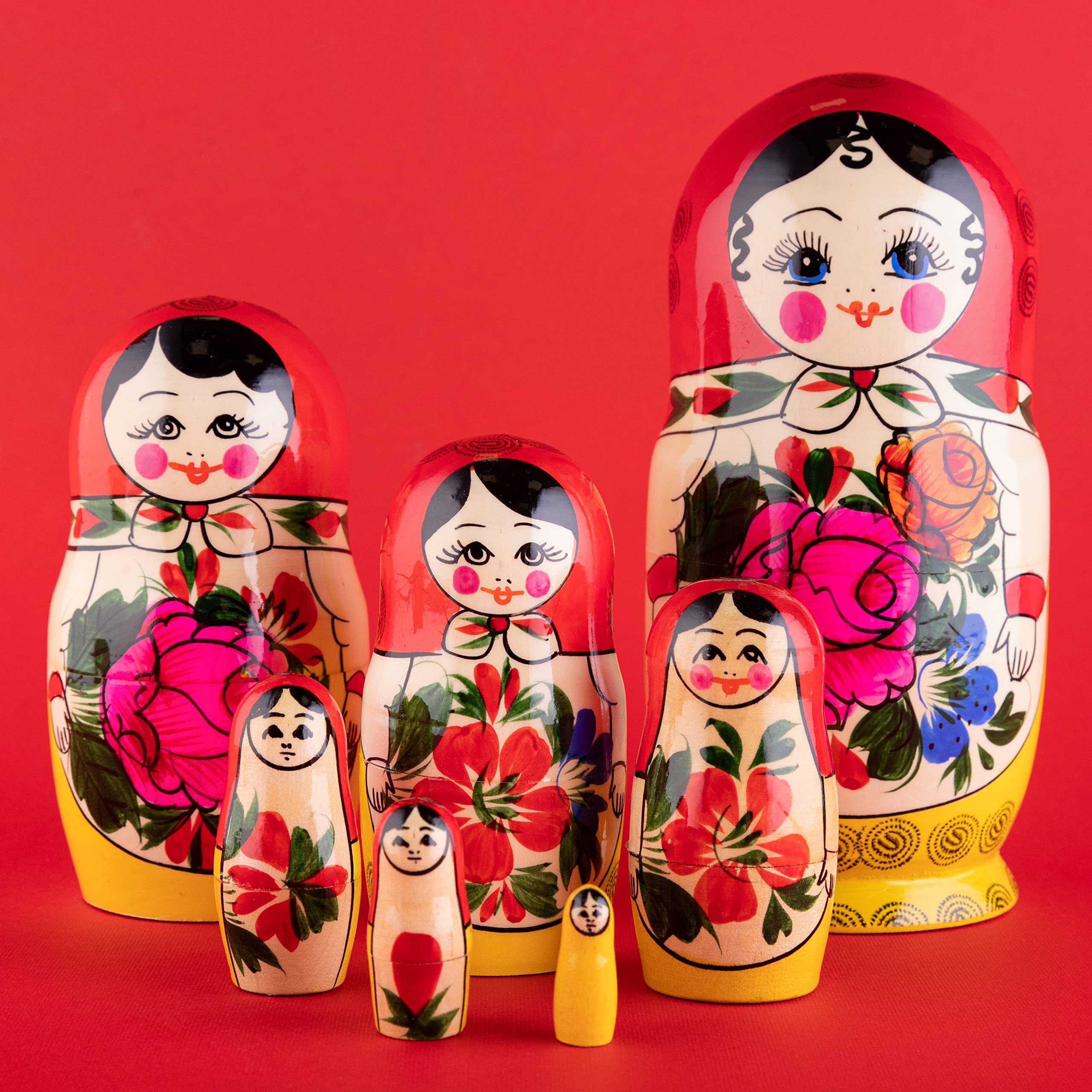
At its heart, the Babushka doll is a master class in brand storytelling. The act of nesting and unnesting reveals layers, creating a narrative of discovery, continuity, and hidden depths. This concept resonates deeply across cultures, making it a universal symbol. It speaks to the idea of an individual comprising multiple facets, a family unit built from interconnected members, or even a nation with a rich, layered history. For brands, this “nested identity” provides a powerful metaphor for conveying complexity, growth, and the revealing of core values over time. Many companies strive to tell a multi-layered story about their origins, their evolution, and their impact – a narrative framework that the Babushka doll effortlessly embodies. Its inherent design communicates a powerful, wordless story, a testament to the strength of visual branding in conveying complex ideas.
Inspiring Global Design and Marketing: A Conceptual Blueprint
The innovative design and symbolic power of the Babushka doll have inspired countless products, marketing campaigns, and even architectural concepts worldwide. The idea of “nested” components, of discovery through layers, has been adopted in various forms. From packaging design that reveals multiple products, to software interfaces that progressively disclose information, the Babushka principle finds practical application. In marketing, the concept of “unveiling” new features or aspects of a product can directly echo the Babushka experience, building anticipation and engagement. Furthermore, its iconic status means it can be subtly referenced in branding to evoke a sense of tradition, craftsmanship, or layered meaning without explicit depiction. The Babushka doll serves as a conceptual blueprint, a timeless example of how a simple yet profound design can become a global brand archetype, influencing creativity and communication across diverse industries and cultures.
In conclusion, “what are Babushka dolls” is a question that reveals a rich tapestry of brand strategy, cultural identity, and global influence. They are not merely painted wooden figures; they are a masterclass in organic brand building. From their distinct visual language and deep cultural narrative to their market adaptability and role in soft power, Babushka dolls embody the core principles of an enduring and successful brand. They demonstrate how authenticity, compelling design, and universal symbolism can transcend commercial intent to create an icon that resonates across generations and borders, a true testament to the power of cultural branding.
aViewFromTheCave is a participant in the Amazon Services LLC Associates Program, an affiliate advertising program designed to provide a means for sites to earn advertising fees by advertising and linking to Amazon.com. Amazon, the Amazon logo, AmazonSupply, and the AmazonSupply logo are trademarks of Amazon.com, Inc. or its affiliates. As an Amazon Associate we earn affiliate commissions from qualifying purchases.