
For prospective homebuyers and current homeowners alike, few financial metrics carry as much weight and generate as much discussion as mortgage rates. These rates directly influence the affordability of a home, the size of monthly payments, and ultimately, the total cost of homeownership over decades. Understanding “what are average mortgage rates today” isn’t merely a matter of curiosity; it’s a critical component of sound financial planning, whether you’re embarking on the journey of purchasing your first home, considering a refinance, or simply assessing the broader economic landscape.
The mortgage market is a complex, ever-evolving ecosystem, swayed by a multitude of economic forces, central bank policies, and global events. Average rates are a snapshot, a dynamic figure that can shift not just daily, but sometimes hourly. This article will delve into the intricacies of current mortgage rates, exploring the factors that shape them, how they impact your financial decisions, and strategies to navigate this crucial financial terrain. By demystifying the variables at play, we aim to provide a comprehensive and insightful guide to help you make informed choices in today’s housing market.
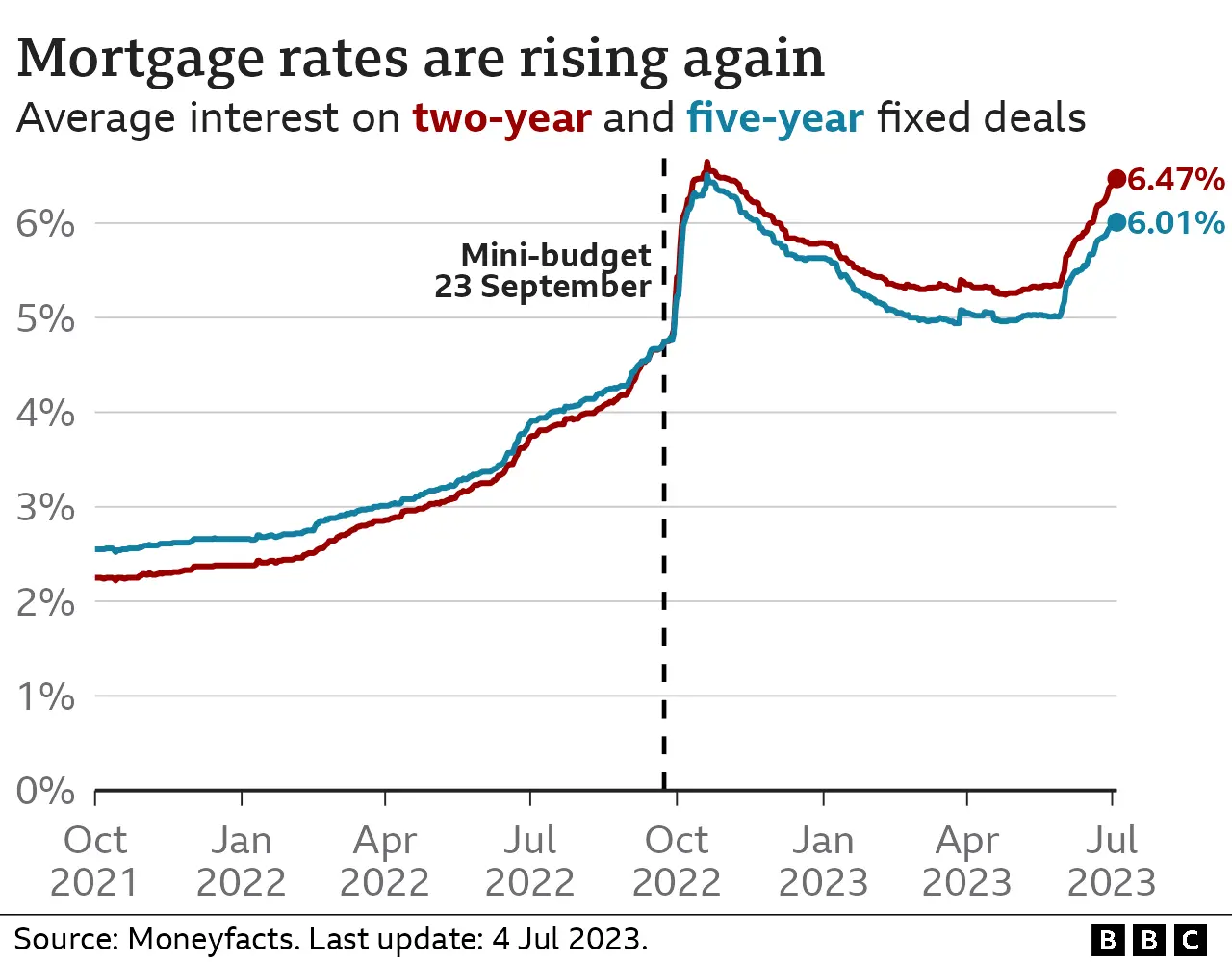
Understanding Mortgage Rates: More Than Just a Number
To truly grasp what average mortgage rates signify, it’s essential to look beyond the headline figure. A mortgage rate is the interest charged on the loan you take out to buy a home, expressed as an annual percentage. However, the simplicity of this definition belies a deeper complexity, with various rate types and underlying mechanisms influencing their calculation and impact.
Fixed-Rate vs. Adjustable-Rate Mortgages (ARMs)
The primary distinction in mortgage products lies between fixed-rate and adjustable-rate mortgages.
- Fixed-Rate Mortgages: These are the most common and often preferred by borrowers seeking stability. With a fixed-rate mortgage, your interest rate remains the same for the entire loan term, typically 15 or 30 years. This means your principal and interest payment will not change, providing predictable monthly expenses and protection against rising interest rates. While fixed rates might be slightly higher than initial ARM rates, the long-term predictability offers significant peace of mind.
- Adjustable-Rate Mortgages (ARMs): ARMs feature an interest rate that is fixed for an initial period (e.g., 3, 5, 7, or 10 years) and then adjusts periodically for the remainder of the loan term. After the initial fixed period, the rate typically resets annually, tied to a specific financial index plus a lender-set margin. While ARMs can offer lower initial interest rates, which might be attractive for borrowers planning to sell or refinance before the fixed period ends, they carry the risk of increased payments if rates rise. This unpredictability makes them a more complex financial instrument, requiring careful consideration of future interest rate environments and personal risk tolerance.
Key Factors Influencing Rates
Several fundamental economic indicators and market dynamics continuously shape average mortgage rates:
- Inflation: The arch-nemesis of fixed-income investments, inflation erodes the purchasing power of money over time. Lenders, to protect their returns, typically demand higher interest rates during periods of high or anticipated inflation. They need to ensure that the money they get back in the future is still worth what they lent today.
- Economic Growth: A strong economy generally leads to higher interest rates. When the economy is robust, there’s greater demand for credit from businesses and consumers, and investors may seek higher returns elsewhere, prompting lenders to increase rates to remain competitive. Conversely, during economic downturns, rates often fall as demand for credit lessens and central banks try to stimulate activity.
- Federal Reserve Policy: While the Federal Reserve doesn’t directly set mortgage rates, its monetary policy decisions—particularly changes to the federal funds rate—have a significant indirect impact. The federal funds rate influences short-term interest rates throughout the economy, and while mortgages are long-term loans, their pricing is still influenced by the overall cost of money. The Fed’s actions, such as quantitative easing or tightening, can dramatically affect the bond market, which in turn influences mortgage rates.
- Bond Market Performance: Mortgage rates are closely tied to the yields on Treasury bonds, especially the 10-year Treasury note. When bond yields rise, mortgage rates tend to follow suit, as mortgage-backed securities (MBS) need to offer competitive returns to attract investors. Conversely, when bond yields fall, mortgage rates often decline. This correlation makes monitoring the bond market an essential part of understanding mortgage rate movements.
The Current Landscape: What’s Driving Today’s Rates?
The prevailing economic environment is a mosaic of interconnected factors, each contributing to the day-to-day fluctuations in average mortgage rates. To understand “what are average mortgage rates today,” one must appreciate the confluence of these powerful forces.
Federal Reserve Policy and Interest Rates
The Federal Reserve plays a pivotal role in shaping the broader interest rate environment. While it doesn’t directly set mortgage rates, its influence is undeniable. The Fed’s primary tool is the federal funds rate, a target rate for overnight borrowing between banks. When the Fed raises this rate, it signals a tighter monetary policy, making borrowing more expensive across the board, which eventually trickles down to consumer loan products, including mortgages. Conversely, rate cuts aim to stimulate economic activity by making credit cheaper.
In recent years, the Fed’s stance on inflation, employment, and overall economic stability has been the single most significant driver of rate movements. Forward guidance from the Fed regarding future rate hikes or cuts is meticulously scrutinized by markets, causing immediate shifts in investor sentiment and, consequently, bond yields and mortgage rates.
Inflationary Pressures and Economic Indicators
Inflation remains a central concern for lenders and central banks alike. When inflation is high, the purchasing power of future repayments on a loan diminishes. To compensate for this erosion, lenders demand higher interest rates. Therefore, any economic data suggesting persistent inflationary pressures—such as the Consumer Price Index (CPI), Producer Price Index (PPI), or wage growth figures—can prompt an upward movement in mortgage rates.
Beyond inflation, other key economic indicators provide a temperature check on the economy’s health, influencing rate expectations:
- Gross Domestic Product (GDP): A measure of economic output. Strong GDP growth can signal a robust economy, potentially leading to higher rates as demand for credit increases.
- Employment Reports: Figures like the unemployment rate and non-farm payrolls are crucial. A strong job market suggests economic health, which can lead to inflationary pressures and higher rates.
- Consumer Confidence: High consumer confidence can translate into increased spending and borrowing, influencing rates.
- Manufacturing and Service Sector PMIs (Purchasing Managers’ Indexes): These surveys offer insights into the health of various economic sectors, indicating potential growth or contraction.
Supply and Demand in the Housing Market
While global economic forces primarily dictate the baseline for mortgage rates, the dynamics of the housing market itself can also exert influence, particularly on the availability and competitiveness of loan products.
- Housing Inventory: A shortage of available homes for sale (low inventory) can drive up home prices, increasing the loan amounts borrowers need, and potentially influencing lender risk assessment, though it doesn’t directly dictate the underlying interest rate.
- Buyer Demand: High demand for homes, especially when coupled with limited supply, can create bidding wars and put upward pressure on prices. While this impacts affordability more directly, it can also create a perception of a strong market that might indirectly influence lender behavior.
- Mortgage-Backed Securities (MBS) Market: Mortgage lenders don’t typically hold onto loans for 30 years. Instead, they package them into mortgage-backed securities (MBS) and sell them to investors. The demand for these MBS in the secondary market directly impacts how much lenders can offer new loans for. When demand for MBS is high, lenders can offer lower rates. When demand slackens, rates tend to rise to attract investors.
How Your Personal Profile Impacts Your Rate
While general market conditions establish the average mortgage rates, the specific rate you qualify for will be highly individualized. Lenders assess your financial risk profile to determine the exact interest rate and terms they are willing to offer. Understanding these personal factors is crucial for securing the best possible rate.
Credit Score and Financial Health

Your credit score is arguably the most significant personal determinant of your mortgage rate. Lenders use scores like FICO and VantageScore to assess your creditworthiness—your history of borrowing and repaying debt.
- Excellent Credit (760+): Borrowers with excellent credit scores are viewed as low-risk. They have a proven track record of managing debt responsibly, which typically qualifies them for the lowest available interest rates.
- Good Credit (670-759): Most borrowers fall into this category. While still considered good, a score in this range might mean slightly higher rates compared to those with excellent credit, but still very competitive.
- Fair to Poor Credit (Below 670): Borrowers with lower credit scores are seen as higher risk. Lenders compensate for this increased risk by charging higher interest rates. In some cases, a very low credit score might even make it difficult to qualify for a conventional mortgage.
Beyond the score itself, lenders also look at your overall credit report for specific details such as payment history, outstanding debts, credit utilization, and bankruptcies or foreclosures. A clean credit history demonstrates reliability and responsibility, translating into better rates.
Down Payment and Loan-to-Value (LTV) Ratio
The size of your down payment plays a critical role in your loan-to-value (LTV) ratio, which is another key factor in determining your mortgage rate. LTV is calculated by dividing the loan amount by the home’s appraised value.
- Larger Down Payment (Lower LTV): A substantial down payment (e.g., 20% or more) means you’re borrowing a smaller percentage of the home’s value. This translates to a lower LTV, indicating less risk for the lender. Lower risk often results in a lower interest rate and can also help you avoid private mortgage insurance (PMI).
- Smaller Down Payment (Higher LTV): Conversely, a smaller down payment increases the LTV, signalling higher risk to the lender. This can lead to a higher interest rate and will almost certainly require you to pay PMI, an additional cost that protects the lender in case you default. While low-down-payment options exist (e.g., FHA loans, VA loans), they often come with their own set of costs or slightly higher rates.
Loan Term and Type
The duration of your mortgage and the specific type of loan you choose also impact your interest rate.
- Loan Term:
- Shorter Terms (e.g., 15-year fixed): Typically offer lower interest rates than longer terms (e.g., 30-year fixed). Lenders view shorter terms as less risky because they get their money back sooner, reducing exposure to long-term economic fluctuations. While the monthly payments are higher, you pay significantly less interest over the life of the loan.
- Longer Terms (e.g., 30-year fixed): Generally come with higher interest rates. The extended repayment period means more risk for the lender. However, the lower monthly payments often make homeownership more accessible and manageable for many borrowers.
- Loan Type:
- Conventional Loans: Standard loans not backed by government agencies. Rates depend heavily on credit score and down payment.
- FHA Loans: Backed by the Federal Housing Administration, these loans are designed for borrowers with lower credit scores or smaller down payments. While they offer more flexible qualification criteria, they require upfront and annual mortgage insurance premiums, which add to the overall cost.
- VA Loans: Guaranteed by the Department of Veterans Affairs, these loans are for eligible veterans, service members, and their spouses. They often offer competitive rates, no down payment requirement, and no mortgage insurance, making them highly attractive for those who qualify.
- USDA Loans: Backed by the U.S. Department of Agriculture, for rural homebuyers with low-to-moderate incomes, often requiring no down payment and offering competitive rates.
Navigating the Mortgage Market: Strategies for Borrowers
Understanding the factors that influence mortgage rates is only half the battle; the other half involves strategically navigating the market to secure the best possible terms for your specific situation. This proactive approach can lead to significant savings over the life of your loan.
Shopping Around for Lenders
One of the most crucial steps you can take is to shop around and compare offers from multiple lenders. Just like buying a car or any other major purchase, mortgage rates and fees can vary significantly between different financial institutions.
- Banks vs. Credit Unions vs. Online Lenders vs. Mortgage Brokers: Explore all avenues. Large national banks, local credit unions, streamlined online lenders, and independent mortgage brokers (who work with multiple lenders) each have their own advantages, rate structures, and fee schedules.
- Get Pre-Approved: Obtain pre-approvals from several lenders within a short timeframe (typically 14-45 days, depending on the credit scoring model). This allows you to compare actual loan offers, including the interest rate, APR, closing costs, and other fees, without multiple hard inquiries negatively impacting your credit score. Each inquiry within this window is usually treated as a single inquiry for scoring purposes.
- Negotiate: Don’t be afraid to use a better offer from one lender to negotiate with another. Lenders are often willing to match or beat a competitor’s rate or waive certain fees to earn your business.
Understanding APR vs. Interest Rate
It’s vital to differentiate between the advertised interest rate and the Annual Percentage Rate (APR) when comparing loan offers.
- Interest Rate: This is the percentage of the principal loan amount that the lender charges you for borrowing the money, expressed annually. It determines your monthly principal and interest payment.
- APR (Annual Percentage Rate): The APR represents the total cost of the loan over its term. It includes the interest rate plus most of the additional fees and costs associated with the loan, such as origination fees, discount points, mortgage insurance, and other lender charges. The APR provides a more comprehensive measure of the true cost of borrowing and is often a better tool for comparing different loan offers. A loan with a lower interest rate might have a higher APR if it comes with substantial fees, making it potentially more expensive in the long run.
When to Lock In Your Rate
Once you’ve received a favorable loan offer, the decision of when to “lock in” your interest rate becomes critical. A rate lock guarantees that your interest rate will not change between the time you lock it and your closing date, typically for a period of 30, 45, or 60 days.
- Monitor Market Trends: If rates appear stable or are trending downwards, you might consider waiting to see if they drop further. However, if rates are volatile or trending upwards, locking in a rate becomes more urgent to protect yourself from higher costs.
- Consider Your Closing Timeline: Ensure your rate lock period is long enough to cover your anticipated closing date. Extending a rate lock can sometimes incur additional fees.
- “Float Down” Options: Some lenders offer a “float down” option, which allows you to take advantage of a lower rate if market rates drop significantly before your closing, even after you’ve locked. This often comes with an extra fee, but can provide peace of mind in a falling rate environment.
Future Outlook: What to Expect
Predicting the future of mortgage rates with absolute certainty is impossible, given the multitude of unpredictable global and domestic factors at play. However, by understanding current trends and expert consensus, borrowers can better prepare for potential shifts and make more informed long-term financial plans.
Expert Forecasts and Market Volatility
Financial institutions and economic analysts constantly publish forecasts for mortgage rates, often based on their projections for inflation, economic growth, and Federal Reserve policy. These forecasts, while not guarantees, offer valuable insights into potential directions.
- Key Economic Drivers: Most experts agree that the trajectory of inflation and the Federal Reserve’s response will remain the dominant forces influencing rates. If inflation proves more stubborn than anticipated, or if the Fed adopts a more hawkish stance, rates could remain elevated or even climb further. Conversely, a significant economic slowdown or successful taming of inflation might pave the way for rate moderation.
- Geopolitical Events: Global conflicts, trade disputes, and other geopolitical developments can introduce significant volatility into financial markets, including the bond market, which directly impacts mortgage rates. These events often lead to “flight to safety” phenomena, where investors flock to U.S. Treasuries, which can temporarily push bond yields down and, consequently, mortgage rates.
- Market Sentiment: The collective sentiment of investors and lenders also plays a role. Broad expectations about future economic conditions can become self-fulfilling prophecies to some extent, influencing how quickly rates adjust to new information.
Long-Term Trends and Your Financial Planning
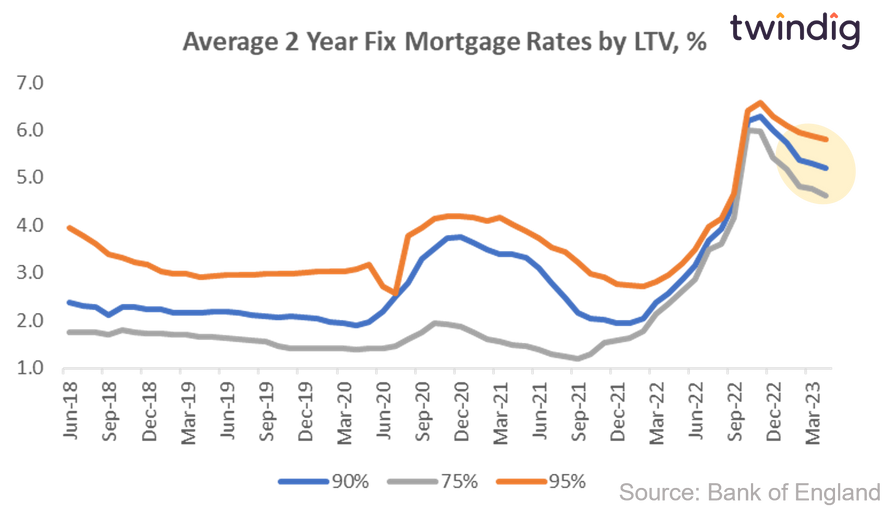
Beyond the short-term fluctuations, it’s beneficial for homeowners and prospective buyers to consider the broader historical context and long-term trends in mortgage rates. While rates have seen periods of unprecedented lows in recent years, they have also historically been much higher.
- Affordability vs. Opportunity: High-interest rate environments can dampen housing demand and potentially lead to more balanced markets, offering opportunities for patient buyers who might face less competition, even if their monthly payments are higher. Conversely, low-rate environments often fuel intense competition and rapid price appreciation.
- Refinancing Opportunities: For current homeowners, understanding the future outlook is crucial for evaluating refinancing opportunities. If rates are projected to decline, waiting for a lower rate to refinance could save substantial money. Conversely, if rates are expected to rise, locking in a lower rate now might be a prudent move.
- Personal Financial Resilience: Regardless of the prevailing rate environment, building strong personal financial resilience remains paramount. This includes maintaining an excellent credit score, accumulating a healthy down payment, and ensuring you have an emergency fund. These measures provide flexibility and better negotiation power, allowing you to secure favorable terms even when market conditions are challenging.
In conclusion, “what are average mortgage rates today” is a question with a complex, multi-faceted answer, influenced by global economics, central bank policies, and individual financial profiles. By staying informed, meticulously comparing offers, and understanding the interplay of these forces, borrowers can navigate the mortgage market with confidence and make choices that support their long-term financial well-being. The journey of homeownership is significant, and an informed approach to mortgage rates is a cornerstone of its success.
aViewFromTheCave is a participant in the Amazon Services LLC Associates Program, an affiliate advertising program designed to provide a means for sites to earn advertising fees by advertising and linking to Amazon.com. Amazon, the Amazon logo, AmazonSupply, and the AmazonSupply logo are trademarks of Amazon.com, Inc. or its affiliates. As an Amazon Associate we earn affiliate commissions from qualifying purchases.