
In the traditional sense, an author was a person who wrote a book, a poem, or a play. For centuries, the title was reserved for those who had successfully navigated the gatekeepers of the publishing world—editors, agents, and publishing houses. However, in the modern landscape of brand strategy and corporate identity, the definition of an “author” has undergone a radical transformation. Today, an author is not merely a writer; an author is an architect of authority, a curator of narrative, and a strategic leader who shapes the public perception of an entity or individual.
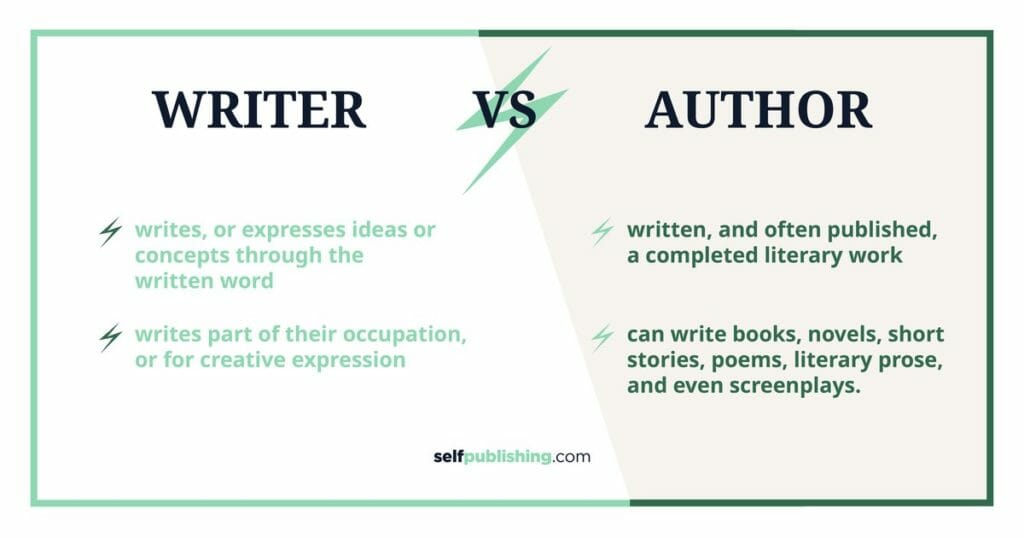
In the context of branding, authorship is the foundation of trust. It is the process by which a brand or a professional establishes themselves as a definitive source of knowledge within their niche. To ask “what are authors” in the current professional climate is to inquire about the very nature of influence and the strategic dissemination of ideas. This article explores how the concept of authorship has become the cornerstone of brand strategy, moving beyond the printed page to define how we build legacy, trust, and corporate identity.
The Evolution of Authorship: From Books to Brand Identity
The etymological root of the word “author” is the Latin auctor, which means “originator,” “promoter,” or “one who causes to grow.” This definition is far more relevant to modern branding than the narrow literary definition. In the digital age, being an author means originating ideas that define a market or a movement. This shift has changed the way we view the role of content in personal and corporate branding.
Shifting from Ghostwriting to Thought Leadership
For a long time, branding was seen as a visual exercise—logos, color palettes, and typography. While these elements remain crucial, the “authorial” element of a brand has taken center stage. We have moved from a period of silent corporate entities to an era of “Thought Leadership.”
An author in the brand space is someone who stakes a claim on a specific perspective. It is no longer enough for a company to say what they sell; they must “author” a viewpoint on why their industry exists and where it is going. Thought leadership is the modern manifestation of authorship. It involves the consistent production of insightful, original content that solves problems and challenges the status quo. When a CEO writes a weekly column on LinkedIn or a brand publishes an exhaustive annual report on industry trends, they are acting as authors. They are not just selling; they are originating the discourse that others follow.
The Author as a Curator of Ideas
In a saturated information market, the role of the author has also evolved into that of a curator. Modern brand authors do not necessarily need to invent every concept from scratch; instead, they provide a unique lens through which existing information can be understood.
Strategic authorship involves synthesizing complex industry data into a narrative that resonates with a specific audience. By doing so, the author becomes a trusted guide. This curation builds a “brand voice”—a distinct personality that makes the brand’s perspective recognizable across different platforms. Whether it is through a blog, a podcast, or a white paper, the brand author selects what is important, thereby defining the “canon” for their community. This selective process is a powerful branding tool because it dictates the conversation and positions the brand as a primary source of truth.
The Author as the Architect of Corporate Identity
For a corporation, authorship is the mechanism through which a mission statement is transformed into a living, breathing identity. Without authorship, a brand is merely a product or service; with it, a brand becomes a story. The strategic use of authorship allows companies to move away from transactional relationships and toward emotional and intellectual connections with their stakeholders.
Narrative Branding: Telling the “Why” Behind the Business
The most successful brands in the world understand that they are the authors of their own mythology. Narrative branding is the practice of using authorial techniques—character, conflict, and resolution—to explain a company’s purpose.
When a brand authors its story effectively, it answers the fundamental “why” of its existence. This narrative provides a framework for every internal and external communication. For example, a brand focused on sustainability might author a narrative about “restoration” rather than just “conservation.” By choosing specific language and themes, the brand authors a world in which the consumer wants to live. This authorial control over the brand narrative ensures that the company is not defined by external critics or competitors, but by its own intentional storytelling.
Establishing Trust Through Written Consistency
Authorship is also a matter of consistency. In the literary world, readers return to an author because they trust the voice and the quality of the work. In branding, this same principle applies. A brand that authors high-quality, consistent content builds “Brand Equity” through the accumulation of trust.
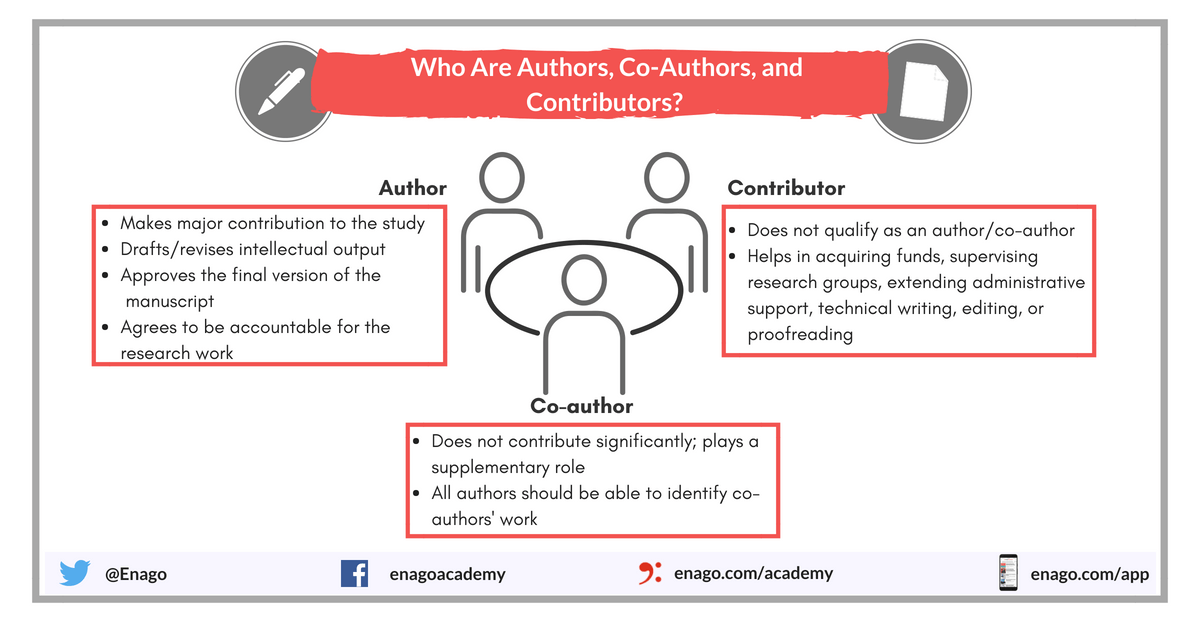
When a corporate entity consistently produces insightful white papers, case studies, and articles, it creates a “paper trail” of expertise. This consistency acts as a signal to the market that the company is stable, knowledgeable, and reliable. In professional services especially, the “author” is the person or entity that has proven their competence through their public record of ideas. This form of authorship reduces the perceived risk for potential clients, making the brand the logical choice in a competitive field.
Strategic Content Creation: The Author’s Toolkit for Brand Growth
To be an author in the professional sense requires more than just the desire to speak; it requires a strategic approach to content creation. The “toolkit” of the modern brand author is diverse, spanning various mediums and formats, all designed to reinforce the brand’s core identity.
Leveraging Multi-Platform Storytelling
The modern author does not limit themselves to a single medium. To build a robust personal or corporate brand, authorship must be “transmedia.” This means that the core ideas—the brand’s “thesis”—must be adapted for different platforms while maintaining a singular voice.
A long-form article might be the “source text,” but it can be broken down into short-form videos, infographics, and social media threads. Each of these iterations is a chapter in the larger book of the brand. This multi-platform approach ensures that the brand’s authorship reaches different segments of the audience in the format they prefer. However, the key to successful branding is ensuring that the “author’s voice” remains consistent across all these touchpoints. If the voice becomes fragmented, the authority is diminished.
The Power of White Papers and Case Studies in B2B Branding
In the B2B (Business-to-Business) sector, the role of the author is perhaps most critical. Here, authorship often takes the form of white papers and case studies. These are not just marketing collateral; they are authoritative documents that prove a brand’s methodology.
A well-authored white paper can define the standards for an entire industry. It demonstrates that the brand has the intellectual depth to solve complex problems. Case studies, on the other hand, allow the brand to author a success story where they are the protagonist’s essential ally. By documenting these “stories” of success, the brand authors a history of excellence that serves as powerful social proof. In B2B branding, being an author is about providing the evidence that supports the brand’s claims of superiority.
Measuring the Impact of Authorship on Brand Equity
Ultimately, the goal of redefining oneself or one’s company as an “author” is to build brand equity. This is the intangible value that a brand holds above and beyond its physical assets. Authorship is one of the most effective ways to increase this value because it creates a proprietary set of ideas that competitors cannot easily replicate.
From Passive Readership to Active Community
One of the most significant indicators of successful authorship is the shift from having “customers” to having a “community.” When an audience identifies with the ideas authored by a brand, they become more than just buyers; they become advocates.
An author creates a world that people want to belong to. In the branding context, this means that the content produced is so resonant that the audience begins to engage with it, share it, and use it as a part of their own identity. This level of engagement is the ultimate goal of brand strategy. It creates a feedback loop where the audience provides insights that the author can then use to create even more relevant content, further solidifying the bond between the brand and its community.

Long-term ROI: Authority as a Competitive Moat
In business, a “moat” is a competitive advantage that protects a company from its rivals. Strategic authorship creates a “moat of authority.” While a competitor can copy a product’s features or undercut its price, it is much harder to copy a brand’s established authority and the trust it has built with its audience through years of insightful authorship.
The long-term Return on Investment (ROI) of being an author is found in the sustainability of the brand. Authority doesn’t vanish overnight. A brand that is recognized as an author in its field enjoys higher margins, better talent acquisition, and greater resilience during market downturns. By investing in the “authorial” side of the brand—prioritizing original thought, consistent narrative, and deep expertise—a company ensures its relevance for years to come.
In conclusion, when we ask “what are authors” today, the answer lies in the intersection of communication and strategy. Authors are the visionaries who use the written and spoken word to carve out a unique space in the marketplace. They are the individuals and brands who understand that in a world of infinite noise, the most valuable asset is the authority to speak and the narrative that makes people listen. Through strategic authorship, a brand moves beyond being a mere provider of goods to becoming a definitive voice that shapes the future of its industry.
aViewFromTheCave is a participant in the Amazon Services LLC Associates Program, an affiliate advertising program designed to provide a means for sites to earn advertising fees by advertising and linking to Amazon.com. Amazon, the Amazon logo, AmazonSupply, and the AmazonSupply logo are trademarks of Amazon.com, Inc. or its affiliates. As an Amazon Associate we earn affiliate commissions from qualifying purchases.