
In the traditional sense, antibiotics are biochemical agents designed to inhibit the growth of or destroy microorganisms. However, as we move deeper into the 21st century, the definition of an “antibiotic” is undergoing a radical technological transformation. We are no longer limited to discovering these life-saving compounds through accidental laboratory growth or soil sampling. Today, antibiotics represent one of the most exciting frontiers in the Tech sector, where artificial intelligence, computational biology, and high-performance computing converge to solve the global crisis of antimicrobial resistance (AMR).
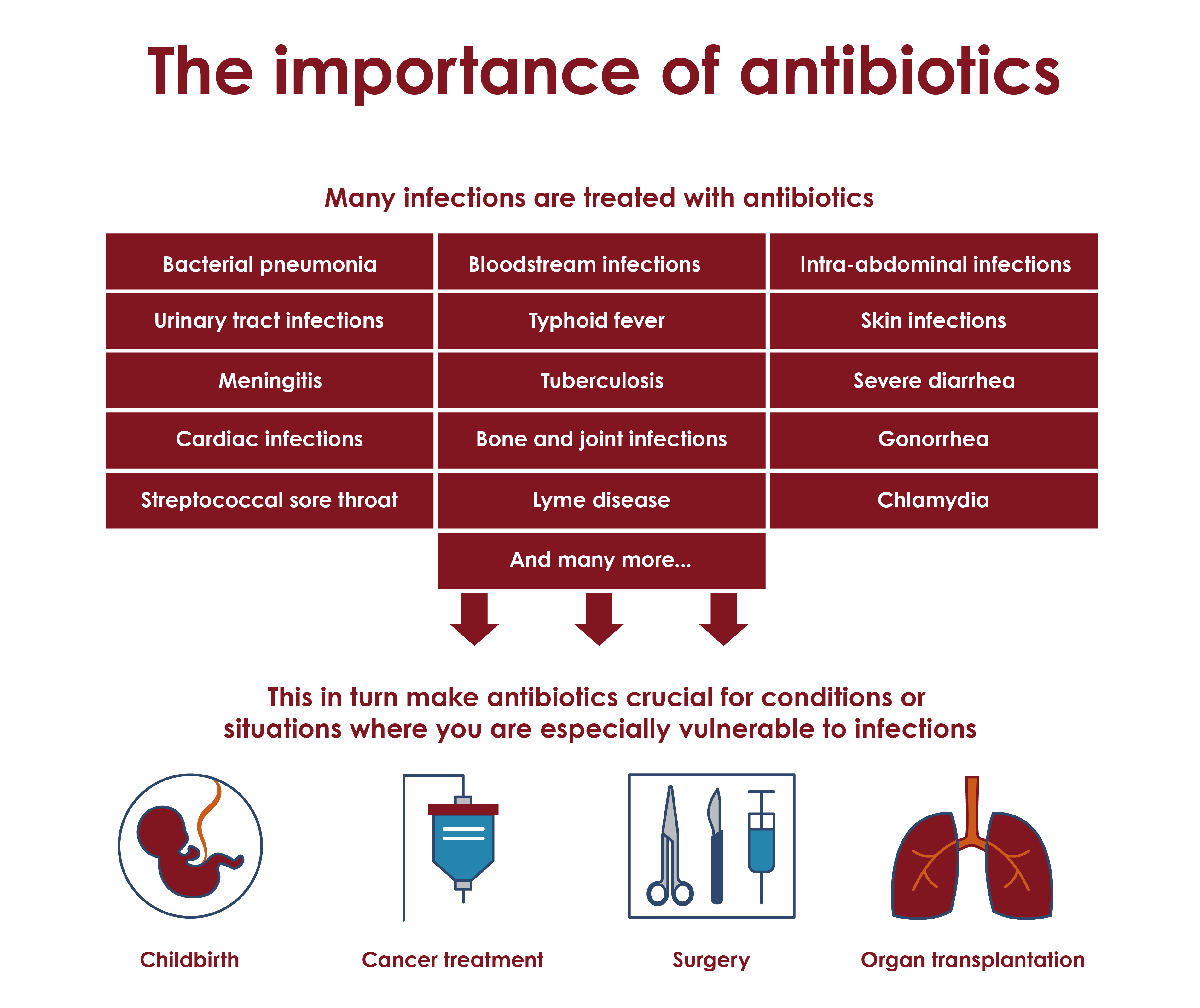
In this technological context, antibiotics are being reimagined as “data-driven solutions.” From the use of deep learning to identify molecular structures to the development of “digital antibiotics” in cybersecurity, the term now encompasses a broad spectrum of innovation. This article explores the technological architecture behind modern antibiotic discovery and how the tech industry is providing the “immune system” for both our biological and digital worlds.
The Intersection of Computational Biology and AI-Driven Discovery
The marriage of biology and technology has birthed a new era of pharmacology. Historically, discovering a new class of antibiotics took decades and cost billions of dollars. With the integration of AI tools, this timeline is being compressed into months.
Machine Learning and Molecular Mapping
At the heart of modern tech-driven medicine is the use of machine learning (ML) to map molecular space. Traditional methods relied on trial and error, but tech giants and specialized biotech startups are now using neural networks to predict which molecules will successfully bind to bacterial proteins. By training models on vast datasets of known chemical compounds, researchers can simulate “virtual” lab tests.
In a landmark tech breakthrough, researchers utilized a deep-learning algorithm to discover Halicin, a potent antibiotic candidate. The AI was trained to identify structural patterns that were effective against E. coli, leading it to suggest a molecule that was structurally different from any previous antibiotic. This is the quintessence of “Tech” solving a biological problem: using algorithmic pattern recognition to see what the human eye cannot.
High-Throughput Screening and Virtual Simulations
The “Tech” behind antibiotics also involves massive hardware capabilities. High-throughput screening (HTS) uses robotics and data processing to test thousands of compounds simultaneously. However, the latest trend is “In Silico” screening—performing these tests entirely within a computer simulation. By utilizing GPU-accelerated computing (such as those provided by NVIDIA), scientists can model how a potential antibiotic interacts with a bacterium’s cell wall at an atomic level. This reduces the need for physical resources and allows for a “fail fast” approach common in software development.
Bioinformatics: The Big Data of Living Systems
If antibiotics are the “code” used to fix a biological “bug,” then bioinformatics is the development environment where that code is written. Bioinformatics represents the application of computer science and statistics to the field of molecular biology.
Genomic Sequencing and Data Mining
The tech industry has revolutionized our ability to sequence bacterial genomes. What used to take years now takes hours, thanks to next-generation sequencing (NGS) platforms. By analyzing the “big data” of bacterial DNA, tech platforms can identify the specific genes responsible for antibiotic resistance. This data mining allows developers to create “narrow-spectrum” antibiotics—highly targeted tools that act like surgical software patches rather than “broad-spectrum” tools that affect the entire system.
The Role of Cloud Computing in Global Health Tech
The sheer volume of genetic data required to understand antibiotics is staggering. Cloud computing providers like AWS and Google Cloud have created dedicated environments for health-tech researchers to store and analyze petabytes of genomic data. This infrastructure allows for global collaboration, where a tech team in Silicon Valley can analyze a resistance strain identified in a clinic in rural Asia in real-time. This connectivity is the backbone of the modern technological response to biological threats.

Digital Antibiotics: Securing the Virtual Ecosystem
While we often think of antibiotics in a medical sense, the tech world has adopted the term to describe advanced cybersecurity measures. In the realm of digital security, “antibiotics” refer to autonomous, self-healing code and AI-driven protocols designed to neutralize “pathogenic” malware and viruses.
Self-Healing Code and Automated Patching
Just as a biological antibiotic seeks out and neutralizes an infection, modern “Digital Antibiotics” are software tools equipped with AI that can detect an intrusion and automatically deploy a patch. This is often referred to as Extended Detection and Response (XDR). These tools monitor the “health” of a network, identifying anomalous behavior—much like a fever in a human body—and isolating the “infected” files before the “virus” can replicate across the server.
AI-Driven Threat Neutralization
The evolution of cyber-threats has moved beyond simple scripts to complex, polymorphic code. To counter this, the tech industry uses AI models that function like a digital immune system. These models are “inoculated” with data from previous attacks, allowing them to recognize the “molecular signature” of a new piece of malware. By treating cybersecurity through the lens of epidemiology, tech professionals are building more resilient digital infrastructures that mimic the efficacy of biological antibiotics.
The Future of Biotech: CRISPR, Synthetic Engineering, and Quantum Computing
As we look toward the horizon, the definition of antibiotics will continue to expand as new technologies like CRISPR and Quantum Computing become mainstream.
CRISPR and Programmable Medicine
CRISPR-Cas9 is essentially “search-and-replace” software for DNA. In the tech-driven future of antibiotics, we may stop using chemicals entirely and move toward “programmable” antibiotics. These would be engineered organisms or viral vectors (phages) programmed via CRISPR to find specific bacteria and “delete” their harmful genetic sequences. This represents the ultimate convergence of software engineering and biology—where the medicine is quite literally a piece of biological code.
Quantum Computing and Molecular Complexity
The biggest limitation in current antibiotic tech is the complexity of molecular modeling. Classical computers struggle to simulate the quantum interactions of atoms within a large molecule. Quantum computing, however, is uniquely suited for this task. As quantum hardware matures, we will be able to simulate every possible interaction of a new antibiotic candidate in seconds. This will mark the transition from “discovering” antibiotics to “engineering” them with 100% precision.
Ethical Tech Frameworks and Decentralized Data
With the rise of such powerful technology comes the need for robust ethical frameworks. The tech industry is currently grappling with how to manage the data privacy of genomic sequences. Blockchain technology is being explored as a way to create decentralized, secure databases for antibiotic research, ensuring that “life-saving code” is accessible to the global community while protecting the intellectual property of the innovators.

Conclusion: The Tech-Infused Future of Survival
What are antibiotics? In the modern era, they are no longer just pills in a bottle; they are the result of sophisticated AI algorithms, the product of massive genomic data sets, and the inspiration for autonomous cybersecurity systems. The “Tech” niche has effectively hijacked the biological concept of the antibiotic and upgraded it for the digital age.
By leveraging machine learning, cloud infrastructure, and quantum aspirations, the technology sector is providing the tools necessary to fight the next generation of superbugs. Simultaneously, by applying these biological principles to our digital networks, we are creating a more secure and resilient technological world. The future of medicine and the future of technology are now inextricably linked, with “antibiotics” serving as the bridge between the two. Through continued innovation in AI and computational biology, we are not just curing infections—we are re-engineering the very fabric of how we protect life and data alike.
aViewFromTheCave is a participant in the Amazon Services LLC Associates Program, an affiliate advertising program designed to provide a means for sites to earn advertising fees by advertising and linking to Amazon.com. Amazon, the Amazon logo, AmazonSupply, and the AmazonSupply logo are trademarks of Amazon.com, Inc. or its affiliates. As an Amazon Associate we earn affiliate commissions from qualifying purchases.