
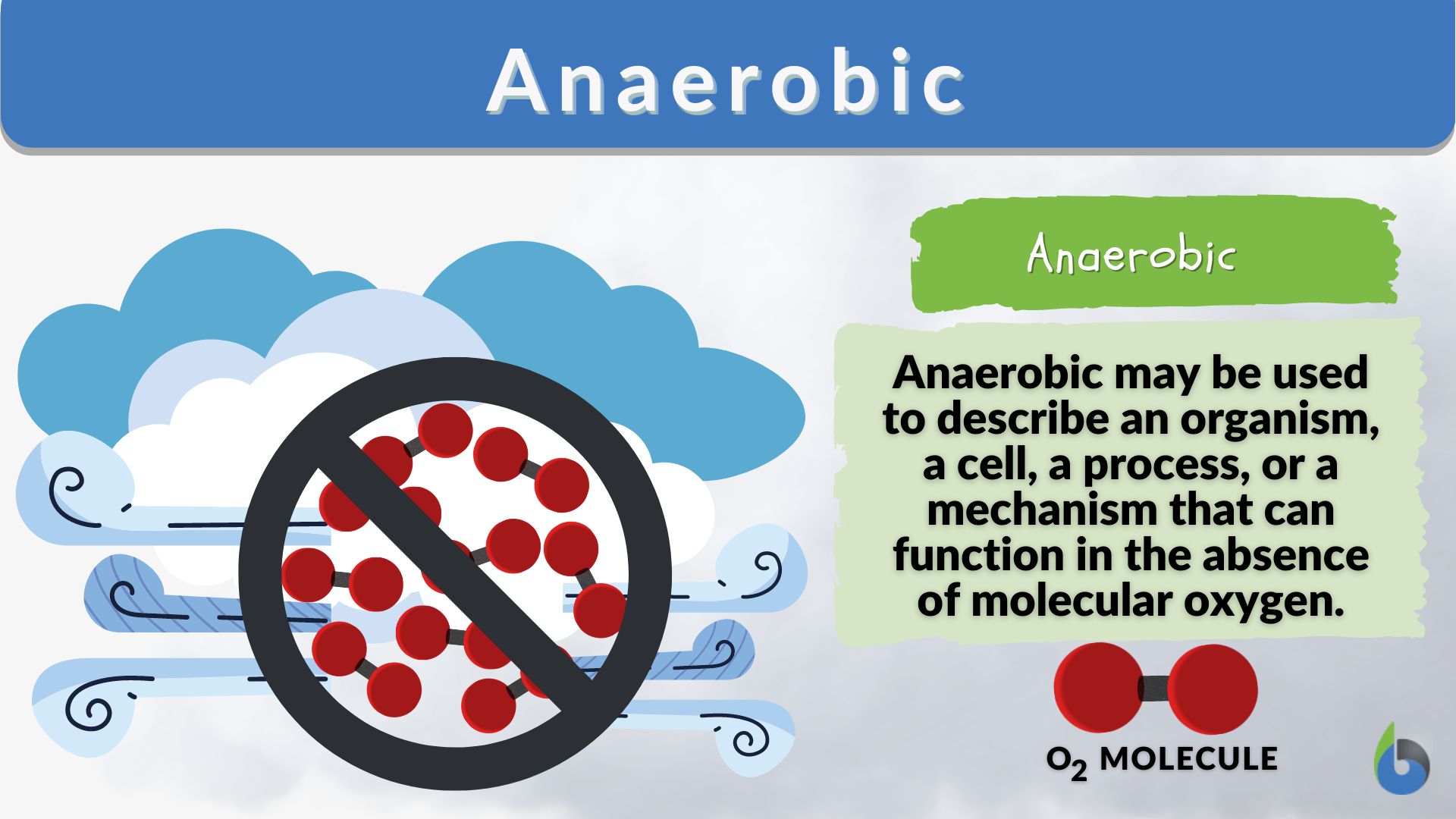
In the rapidly evolving landscape of sustainable technology, the term “anaerobic” has migrated from the specialized fields of biology and wastewater treatment into the forefront of the global Green Tech revolution. At its core, anaerobic technology refers to biological and chemical processes that occur in the absence of free oxygen. While this sounds like a concept relegated to a high school science lab, it is actually the engine behind a multi-billion dollar industry focused on waste-to-energy (WtE) systems, renewable natural gas (RNG), and carbon sequestration.
As tech conglomerates and startups alike pivot toward “Net Zero” targets, understanding the technological stack behind anaerobic digestion and its digital integration is becoming essential. This article explores the mechanisms, software innovations, and infrastructure developments that define modern anaerobic technologies.
The Engineering Architecture of Anaerobic Digestion Systems
To understand what anaerobic technologies are in a modern tech context, one must first look at the hardware and engineering that facilitate these oxygen-free environments. In the industrial sector, this is primarily achieved through Anaerobic Digesters (AD)—sophisticated bioreactors designed to break down organic matter into energy.
Advanced Bioreactor Design and Materials
Modern anaerobic technology relies on high-grade engineering to maintain a perfectly sealed environment. These systems use specialized materials, such as glass-fused-to-steel or high-density polyethylene (HDPE), to prevent any oxygen ingress while resisting the corrosive nature of the gases produced. The “tech” here lies in the modularity of the design. Traditional digesters were massive, stationary concrete vats. Today’s anaerobic tech focuses on modular, scalable units that can be deployed at food processing plants, data centers, or urban waste hubs. This shift from “mega-projects” to “edge-processing” for waste mirrors the shift from centralized mainframes to edge computing in the IT world.
Automated Control Systems and Process Stabilization
The efficiency of an anaerobic system depends on maintaining a delicate balance of temperature, pH levels, and microbial activity. This is where hardware meets sophisticated control logic. Programmable Logic Controllers (PLCs) and Supervisory Control and Data Acquisition (SCADA) systems are the brains of anaerobic plants. These systems monitor thousands of data points per second to ensure the “digestion” process doesn’t “sour” (a state where acid-forming bacteria outpace methane-forming ones). Without these high-speed automated feedback loops, industrial anaerobic processes would be too volatile for commercial energy production.
Digital Integration: AI, IoT, and Predictive Analytics
The “Tech” in anaerobic technology is no longer just about tanks and pipes; it is increasingly about the software layer that optimizes biological performance. The integration of the Internet of Things (IoT) and Artificial Intelligence (AI) has transformed anaerobic digestion from a passive process into a “smart” energy utility.
IoT Sensor Arrays and Real-Time Monitoring
To operate an anaerobic facility at peak efficiency, operators need visibility into what is happening at a molecular level inside the reactor. Modern facilities are outfitted with a suite of IoT sensors that measure methane (CH4) concentration, carbon dioxide (CO2) levels, hydrogen sulfide (H2S) purity, and volatile fatty acids (VFAs). These sensors transmit data via 5G or LoRaWAN networks to a centralized dashboard, allowing engineers to manage multiple decentralized anaerobic sites from a single command center. This connectivity is the backbone of the “Digital Oil Field” equivalent for renewable gas.
Machine Learning for Feedstock Optimization
One of the greatest challenges in anaerobic technology is the variability of “feedstock” (the organic waste put into the system). Different types of waste—such as grocery store scraps, fats, oils, and agricultural residues—produce different energy yields. Machine learning algorithms are now being trained to analyze the chemical composition of incoming waste in real-time. By processing historical data, these AI tools can predict the exact “recipe” of waste needed to maximize methane output while preventing system crashes. This predictive capability reduces downtime and significantly increases the Return on Investment (ROI) for green energy tech firms.
Digital Twins and Simulation
Leading engineering firms are now using “Digital Twin” technology to design anaerobic systems. A digital twin is a virtual replica of the physical digester. By running simulations within this virtual environment, tech teams can test how the system would react to extreme weather, mechanical failures, or changes in waste chemistry without risking the actual hardware. This accelerates the R&D cycle for new anaerobic hardware, making the technology more robust and bankable for large-scale investors.

Infrastructure and Grid Integration: From Waste to Wattage
Anaerobic technology serves as a bridge between waste management and the energy grid. The output of these systems—primarily biogas—is not the end of the technological journey. The real innovation lies in how this gas is refined and integrated into existing energy ecosystems.
Renewable Natural Gas (RNG) Upgrading Tech
Raw biogas produced in an anaerobic environment is roughly 60% methane and 40% CO2. To make it “grid-ready,” it must undergo a process called “upgrading.” This involves membrane separation technology, pressure swing adsorption (PSA), or water scrubbing. The tech used in these upgrading skids is highly specialized, involving molecular sieves that can separate gas molecules based on size and polarity. Once upgraded to 99% pure methane, it becomes Renewable Natural Gas (RNG), which is chemically identical to fossil-fuel natural gas but with a carbon-neutral or even carbon-negative footprint.
Combined Heat and Power (CHP) Units
In many decentralized tech applications, anaerobic gas is used on-site to generate electricity. This is done through Combined Heat and Power (CHP) units—advanced internal combustion engines or micro-turbines optimized for biogas. These units are integrated with smart grid technology, allowing the facility to sell excess electricity back to the utility provider during peak demand hours. For large-scale tech campuses or data centers, anaerobic CHP systems provide a form of “baseload” renewable energy that solar and wind—being intermittent—cannot always match.
Hydrogen Production and Carbon Capture
The next frontier of anaerobic tech is the production of “Green Hydrogen.” Through a process known as steam methane reforming (SMR), the methane derived from anaerobic digestion can be converted into hydrogen. When coupled with Carbon Capture and Storage (CCS) technology, this creates a “carbon-negative” energy source. Tech companies are currently investing heavily in these “Bio-hydrogen” pilots as a way to fuel future fleets of heavy-duty transport and industrial machinery.
The Role of Anaerobic Tech in the Circular Bio-Economy
As the global economy shifts toward a circular model—where waste is treated as a resource—anaerobic technology provides the essential infrastructure for “closing the loop.” This involves not just energy production, but also the recovery of valuable nutrients and data.
Nutrient Recovery and Biosolids Tech
After the anaerobic process is complete, a nutrient-rich liquid called “digestate” remains. In the past, this was a waste product. Now, sophisticated centrifugation and evaporation technologies are used to process digestate into high-grade organic fertilizers. This “AgTech” integration allows anaerobic facilities to serve two markets: the energy sector and the industrial agriculture sector. By recovering nitrogen, phosphorus, and potassium, anaerobic tech reduces the need for energy-intensive synthetic fertilizers.
Regulatory Tech (RegTech) and Carbon Credits
The deployment of anaerobic technology is heavily supported by carbon credit markets. However, proving the “additionality” and “verifiability” of carbon offsets requires rigorous data. This has birthed a new sub-sector of RegTech specifically for anaerobic systems. Blockchain-based ledgers are being used to track every cubic meter of gas produced, providing an unalterable audit trail for carbon credits. This transparency is crucial for tech companies like Apple, Google, and Amazon, which require high-fidelity data to support their public sustainability claims.
The Future: Modular Anaerobic Units for Data Centers
One of the most exciting trends in the tech world is the exploration of “Circular Data Centers.” These facilities generate massive amounts of heat and require constant power. By integrating a modular anaerobic digester on-site, a data center can process the organic waste from its surrounding community, generate its own electricity, and use the waste heat from the servers to maintain the optimal temperature for the anaerobic bacteria. This symbiotic relationship represents the pinnacle of modern sustainable tech infrastructure.

Conclusion
So, what are anaerobic technologies? They are no longer just “digesters” for waste; they are sophisticated, data-driven energy plants that sit at the intersection of biology, software engineering, and power electronics. From the AI-driven optimization of microbial health to the blockchain-verified trading of carbon credits, anaerobic tech is a cornerstone of the modern green technology stack.
As we look toward 2030 and beyond, the continued refinement of these systems will be vital. By converting the “digital and physical waste” of our modern lifestyle into clean, renewable energy, anaerobic technologies provide a rare win-win for both the planet and the global tech economy. Whether through RNG upgrading, hydrogen production, or smart-grid integration, the future of tech is increasingly anaerobic.
aViewFromTheCave is a participant in the Amazon Services LLC Associates Program, an affiliate advertising program designed to provide a means for sites to earn advertising fees by advertising and linking to Amazon.com. Amazon, the Amazon logo, AmazonSupply, and the AmazonSupply logo are trademarks of Amazon.com, Inc. or its affiliates. As an Amazon Associate we earn affiliate commissions from qualifying purchases.