
In the intricate world of real estate and urban development, the concept of “air rights” represents a unique and often underappreciated financial asset. Far from an abstract legal nicety, air rights are a tangible commodity, bought, sold, and leveraged to unlock immense economic value in dense urban landscapes. For investors, developers, and municipalities alike, understanding air rights is crucial for navigating complex property markets, maximizing investment returns, and shaping the financial future of cities.
Monetizing the Vertical Dimension: The Core of Air Rights
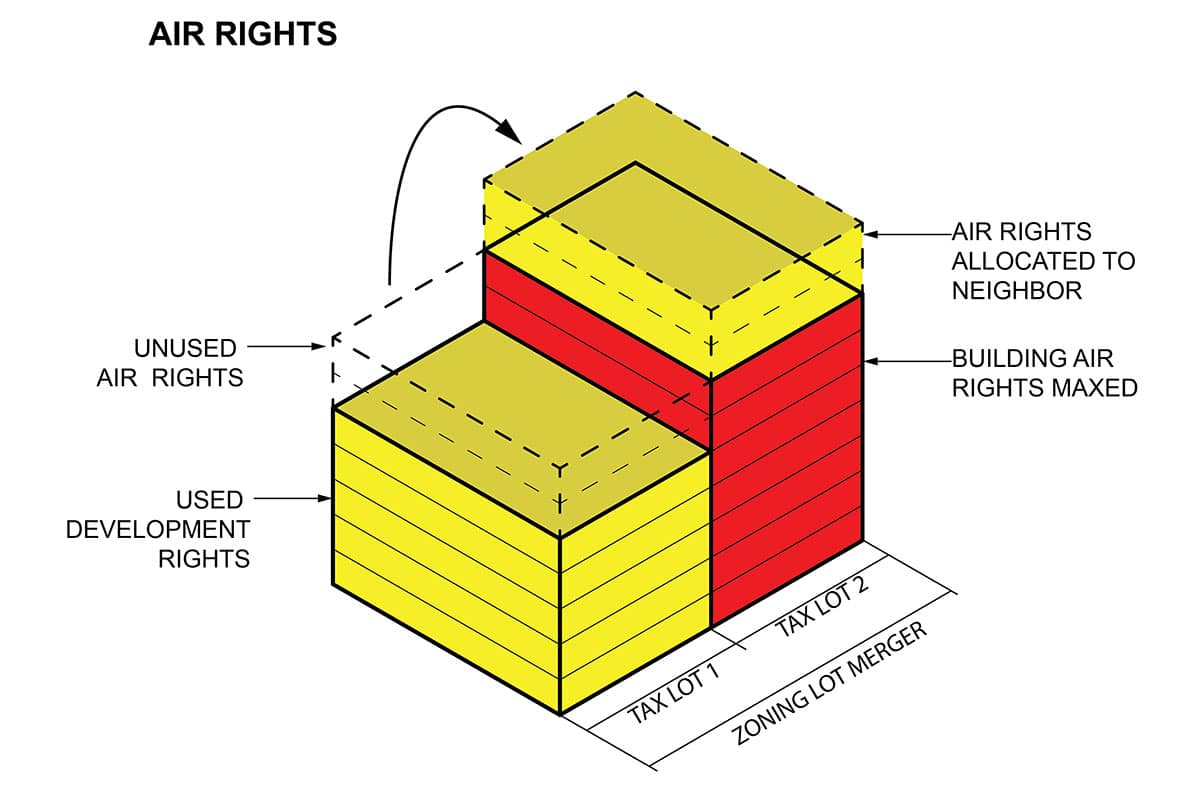
Air rights, legally known as “column lot” or “development rights,” refer to the property interest in the space above the earth’s surface. This concept empowers the owner of a parcel of land to control, develop, or sell the unused or permissible vertical space above their property. While the traditional understanding of property ownership often focuses on horizontal boundaries and the land itself, air rights extend this dominion skyward, allowing for the monetization of vertical real estate.
Definition and Legal Framework
Historically, the legal principle cuius est solum, eius est usque ad coelum et ad inferos – “whoever owns the soil, it is theirs all the way to heaven and all the way to hell” – provided an expansive view of property ownership. However, modern interpretations, particularly with the advent of air travel and increasingly dense urban construction, have nuanced this absolute claim. Today, air rights are generally understood to extend to a reasonable height necessary for the enjoyment and development of the property, typically defined by zoning ordinances and aviation regulations.
These rights are not merely theoretical; they are distinct, severable interests that can be separated from the underlying land and transferred independently. This allows a landowner to sell or lease the right to build above their property without relinquishing ownership of the ground beneath. The ability to sever and transfer these rights is what transforms them into a powerful financial instrument, allowing for creative financing and development strategies in land-scarce environments.
Evolution of Air Rights in Urban Finance
The financial significance of air rights truly emerged in the 20th century with rapid urbanization and the scarcity of developable land in major cities. Early applications often involved building above infrastructure, such as railway lines, highways, and public facilities, to create new commercial or residential spaces. This innovative approach transformed previously unusable or undervalued corridors into prime development sites, generating significant revenue and fostering economic growth. From the construction of iconic buildings over Grand Central Terminal in New York City to modern developments spanning busy thoroughfares, air rights have consistently proven to be a catalyst for financial innovation and urban revitalization.
Investment Opportunities and Economic Impact
The financial implications of air rights are profound, impacting real estate valuations, investment strategies, and urban planning. They represent a unique asset class, offering distinct opportunities for capital appreciation and revenue generation, particularly in markets where horizontal expansion is limited.
Strategic Urban Development and Value Creation
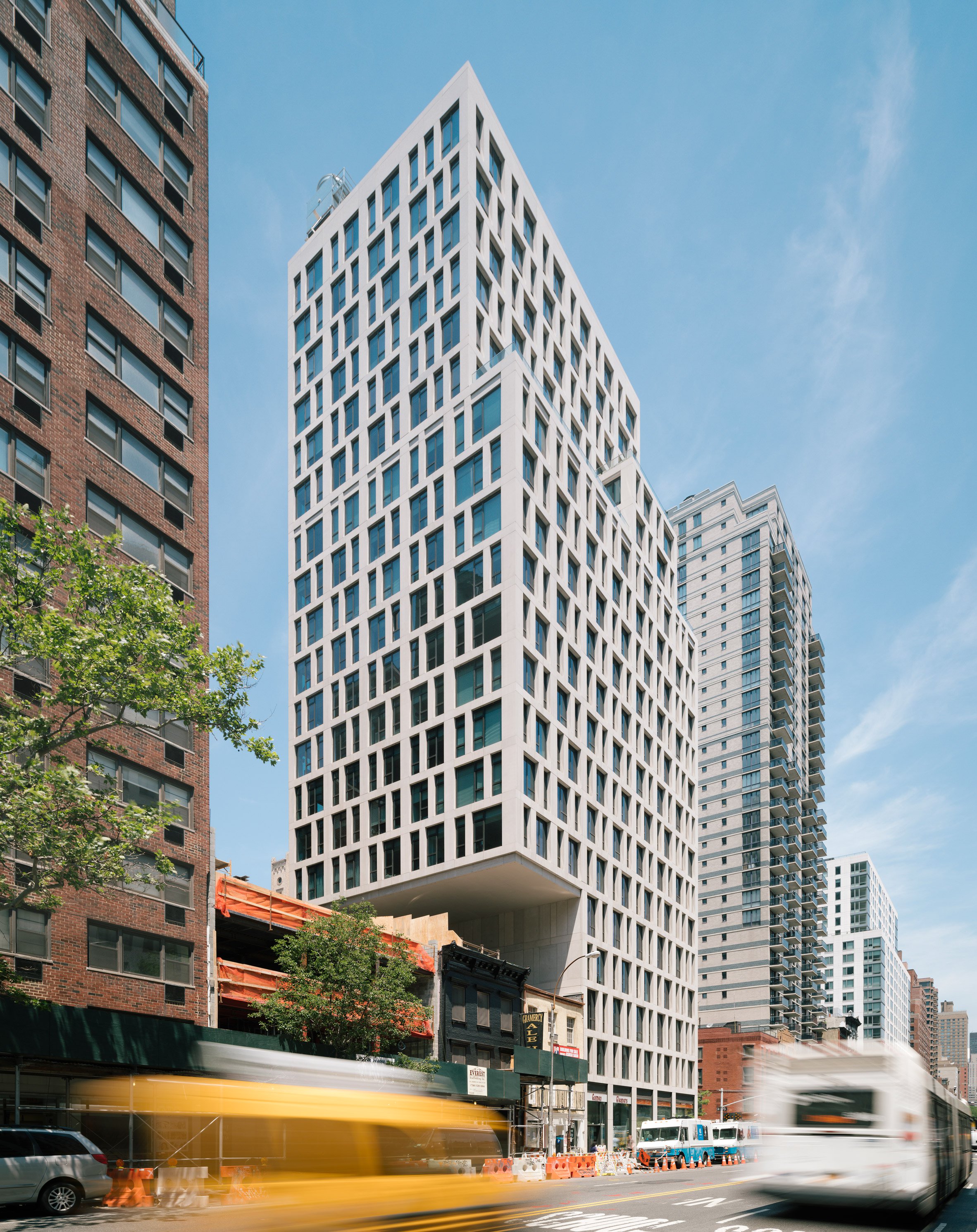
Air rights are most valuable in dense metropolitan areas where land is prohibitively expensive or unavailable. By allowing development above existing structures or infrastructure, they effectively create “new” land, unlocking tremendous value. Developers can acquire air rights to construct skyscrapers, residential towers, or commercial complexes that would otherwise be impossible due to lack of ground-level space. This not only increases the supply of real estate but also significantly enhances the property value within the immediate vicinity, driving economic activity and tax revenues for local governments.
Consider a property owner with a low-rise building in a high-density zone who possesses substantial unused development rights. Selling these air rights to an adjacent developer allows both parties to benefit: the original owner gains a significant capital infusion without selling their underlying property, and the developer can construct a larger, more profitable project than their existing plot would permit. This synergy underscores the financial power of air rights in facilitating growth and maximizing land utilization.
Investment Vehicles and Financial Leverage
For investors, air rights can function as a direct investment vehicle or a component within a larger real estate portfolio. They can be purchased outright, leased for long terms, or utilized in complex joint ventures. Financial institutions and private equity firms often evaluate air rights as collateral for loans, recognizing their inherent value and potential for future appreciation. The ability to acquire and develop these vertical assets allows investors to leverage their capital in markets that would otherwise be saturated or inaccessible.
Furthermore, air rights often become a critical component in public-private partnerships. Municipalities, owning air rights above public infrastructure like transit hubs or public parks, can sell or lease these rights to private developers. This generates much-needed capital for public projects while simultaneously fostering economic development without burdening taxpayers. The economic leverage provided by air rights is a cornerstone of modern urban finance, enabling projects of immense scale and complexity.

Navigating the Complexities: Risks and Due Diligence
While air rights offer lucrative financial opportunities, they also come with a unique set of complexities, risks, and challenges that demand thorough due diligence from investors and developers. Understanding these intricacies is paramount to mitigating financial exposure and ensuring the viability of air rights-based projects.
Valuation and Regulatory Hurdles
Accurately valuing air rights is a sophisticated process, often more complex than appraising traditional land parcels. Factors such as zoning regulations, permissible height limits, shadow restrictions, view corridors, and the specific structural and engineering requirements for building above existing structures all influence their market value. The economic viability of a project relying on air rights hinges on a precise understanding of these variables.
Moreover, regulatory hurdles can be significant. Projects involving air rights often require navigating multiple governmental agencies, securing special permits, and adhering to strict building codes. Environmental impact assessments, neighborhood impact studies, and community approvals can add layers of complexity and extend project timelines, directly impacting financial projections and return on investment. Legal fees, engineering costs, and the expense of navigating bureaucratic processes must be factored into the overall financial model.
Financing and Structural Challenges
Financing air rights acquisitions and the subsequent construction can also present unique challenges. Lenders may view these projects as inherently riskier due to their complexity, requiring higher equity contributions or more stringent collateral requirements. The construction itself often involves sophisticated engineering techniques to transfer loads around existing structures, which can be significantly more expensive than conventional ground-up construction. These increased capital expenditures and potential for cost overruns must be carefully modeled in any financial assessment.
Investors must perform extensive due diligence, including detailed financial modeling, comprehensive legal review of title and easements, structural engineering feasibility studies, and thorough market analysis. Understanding the long-term financial implications, including ongoing maintenance of shared infrastructure or potential liabilities related to the underlying property, is critical.
Future Trends and Market Evolution
The market for air rights is continually evolving, driven by global trends in urbanization, technological advancements, and shifting investment paradigms. As cities become denser and sustainability becomes a greater priority, the financial significance of air rights is expected to grow.
Densification, Sustainability, and New Financial Models
With urban populations projected to increase globally, the demand for space will only intensify. Air rights offer a sustainable solution to this challenge by promoting vertical growth and maximizing existing urban footprints, reducing the need for sprawling development into natural areas. This aligns with environmental, social, and governance (ESG) investment criteria, making air rights projects increasingly attractive to impact investors.
Innovations in construction technology, such as modular building and advanced structural materials, are making it more feasible and cost-effective to build above complex sites. This technological progress could expand the supply of developable air rights, creating new financial opportunities. Furthermore, new financial instruments and specialized funds focused on vertical development are likely to emerge, making air rights a more accessible asset class for a broader range of investors.
Global Expansion and Digitalization
While prominently utilized in mature real estate markets like New York, London, and Tokyo, the concept of monetizing air rights is gaining traction in rapidly urbanizing cities worldwide. As emerging markets develop their infrastructure and financial sophistication, air rights will play an increasingly vital role in their urban development and economic strategies. The global potential for investment in air rights is vast, offering diversification opportunities for international capital.
The digitalization of land records and the use of sophisticated mapping and urban planning software could also streamline the identification, valuation, and transaction of air rights. Blockchain technology, for instance, could provide transparent and immutable records of air rights ownership and transfer, potentially reducing transaction costs and increasing market efficiency.
In conclusion, air rights are far more than a legal curiosity; they are a dynamic and financially potent component of modern real estate and urban economics. For savvy investors and developers, understanding and strategically utilizing air rights can unlock significant value, drive urban transformation, and deliver substantial financial returns in an increasingly vertical world.
aViewFromTheCave is a participant in the Amazon Services LLC Associates Program, an affiliate advertising program designed to provide a means for sites to earn advertising fees by advertising and linking to Amazon.com. Amazon, the Amazon logo, AmazonSupply, and the AmazonSupply logo are trademarks of Amazon.com, Inc. or its affiliates. As an Amazon Associate we earn affiliate commissions from qualifying purchases.